

Los candelabros de lujo funcionan mejor cuando se eligen para la habitación que deben servir, no solo por lo espectaculares que se ven de forma aislada. Un candelabro que parece perfecto en un gran vestíbulo puede parecer sobredimensionado sobre una mesa de comedor. Una lámpara geométrica limpia que funciona a la perfección en un salón puede resultar demasiado sobria en el hueco de una escalera. Por eso, las decisiones más sólidas en iluminación de lujo comienzan con el tipo de habitación, la altura del techo, los ángulos de visión y el papel que debe desempeñar la lámpara en la vida diaria.
Esta guía está organizada por habitaciones para que la elección del candelabro resulte más útil y específica. En lugar de tratar todas las lámparas de lujo como una única categoría, desglosa cómo se comportan las diferentes familias de candelabros en vestíbulos, escaleras, salones y comedores. Si desea comparar primero todas las lámparas de techo más grandes, empiece por la colección más amplia de candelabros. Si su estilo se inclina hacia lo más limpio y arquitectónico, la categoría de candelabros modernos también es un buen punto de partida antes de acotar por habitación.
Qué le ayuda a decidir esta guía
- Qué estilos de candelabros de lujo funcionan mejor en vestíbulos, escaleras, salones y comedores
- Cómo cambia la escala de un tipo de habitación a otro
- Cuándo los candelabros escultóricos superan a las lámparas de techo más sencillas
- Cómo se comportan los estilos de cristal, rama orgánica, geométricos y de racimo de colgantes en diferentes espacios
- Qué acabados y tonos de luz apoyan un aspecto de lujo más refinado
- Cómo superponer candelabros con colgantes, apliques y iluminación ambiental para que la habitación se sienta completa
¿Qué hace que un candelabro se sienta lujoso en primer lugar?
Un candelabro de lujo no es solo cuestión de precio o tamaño. Se trata de presencia, proporción, calidad de acabado y de la intencionalidad con la que la lámpara se relaciona con la arquitectura que la rodea. Los candelabros de lujo más potentes suelen realizar al menos dos tareas a la vez: proporcionan luz y definen el centro visual de la habitación incluso cuando están apagados.
Por eso, las luminarias de lujo a menudo se sienten diferentes de la iluminación decorativa estándar. Suelen tener una silueta más fuerte, una dirección de material más clara y una escala más deliberada. En algunas habitaciones, eso significa cristal y movimiento de luz reflectante. En otras, significa formas de ramas escultóricas, colgantes verticales más largos o estructuras geométricas más limpias que organizan el plano del techo con mayor claridad.
Si su principal pregunta es qué separa una luminaria decorativa de una verdadera luminaria focal, el artículo sobre qué hace que un candelabro sea una pieza destacada es una lectura de apoyo útil porque explica los rasgos de diseño que otorgan a un candelabro una verdadera autoridad visual.
Candelabros de lujo para vestíbulos y entradas
Los vestíbulos son uno de los lugares más claros donde un candelabro de lujo puede cambiar la sensación de todo el hogar. En una entrada, la lámpara no es solo iluminación cenital. Se convierte en la primera gran decisión de diseño que la gente experimenta al entrar. Esto significa que el candelabro debe ser visible, equilibrado y apropiado para la altura y la huella de la habitación.
En vestíbulos compactos, un candelabro suele necesitar una mayor disciplina en la altura y el ancho del cuerpo para no abrumar la zona de circulación. En vestíbulos más grandes o de doble altura, a menudo ocurre lo contrario: muchas lámparas fallan porque son demasiado pequeñas o visualmente débiles para el volumen del espacio. Por eso, los candelabros de entrada deben juzgarse desde la puerta principal y desde la línea principal de visión a través de la habitación, no solo desde directamente debajo.
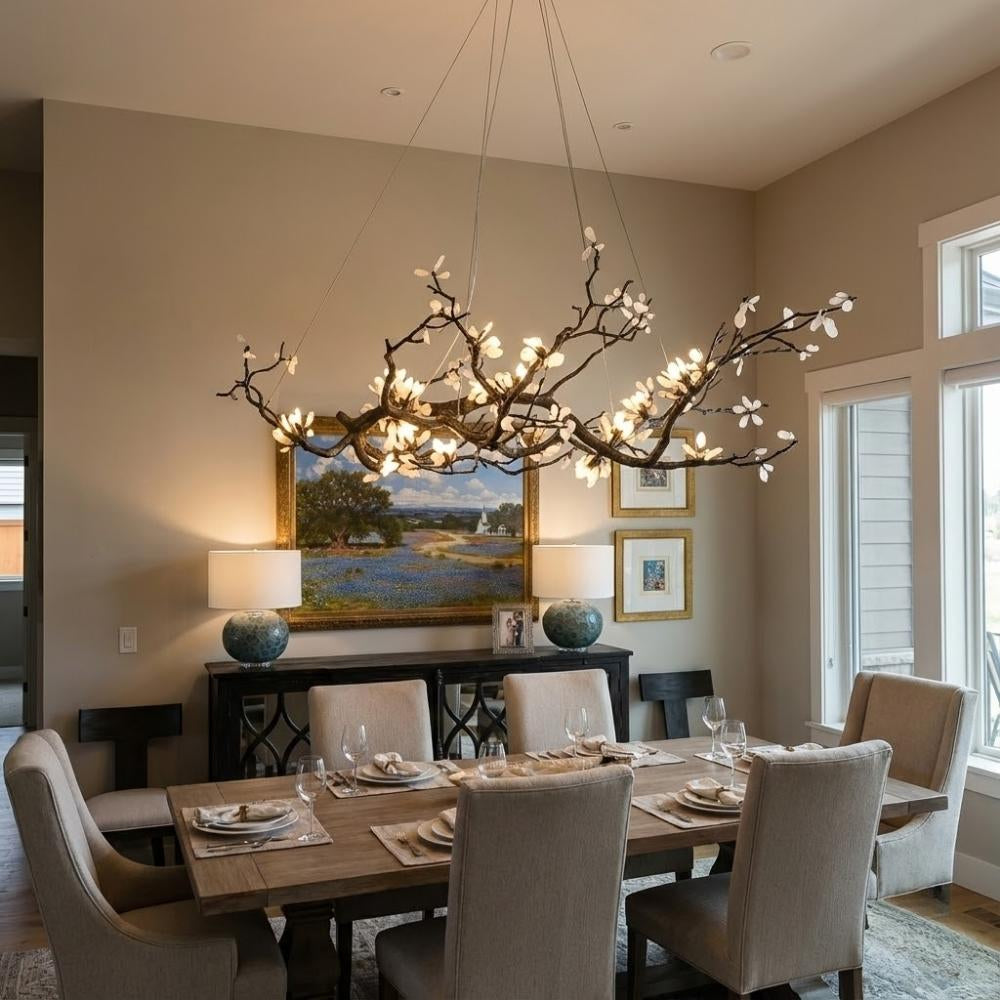
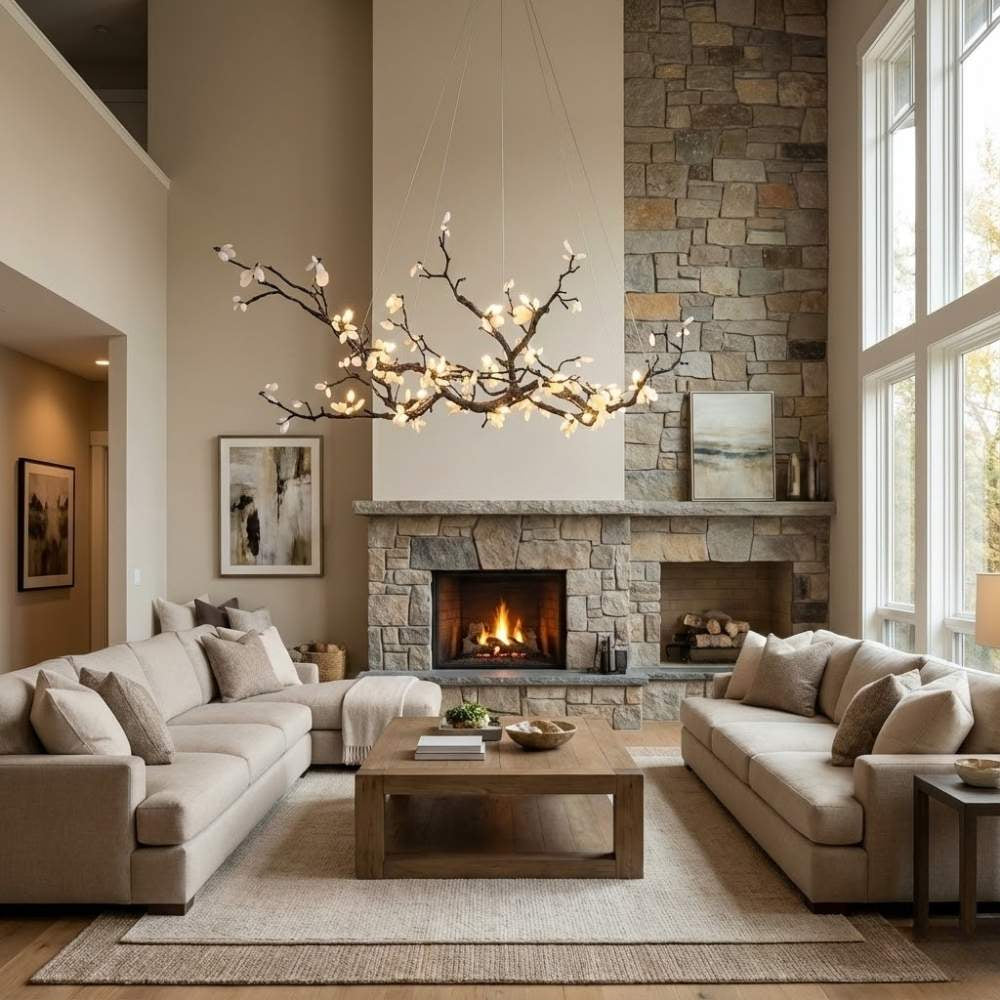
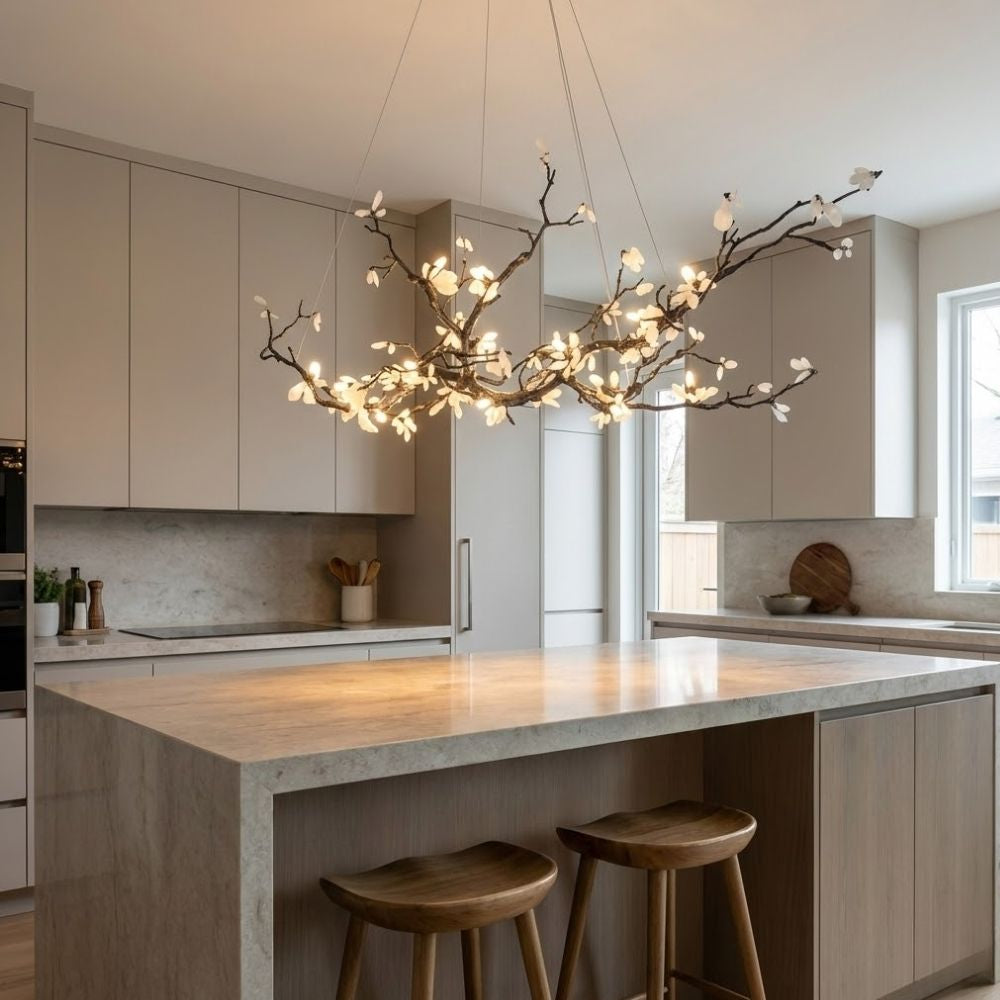
La Lámpara de Araña Rama de Árbol Alba es un buen ejemplo de pieza de lujo apta para recibidores porque aporta una escala escultórica y una extensión orgánica sin caer en un perfil más predecible de farol o cristal tradicional. Si su proyecto está dirigido a la entrada y la altura del techo es el principal desafío, la guía relacionada sobre iluminación destacada para recibidores y escaleras grandes profundiza en la escala, la caída y el peso visual en espacios de entrada altos.
Candelabros de lujo para escaleras y espacios verticales
Las escaleras requieren un tipo diferente de lámpara de araña de lujo porque la habitación se experimenta en movimiento y a través de múltiples alturas. Una lámpara de araña sobre una escalera debe funcionar desde el piso inferior, desde el tramo de la escalera y, a menudo, también desde el rellano superior. Eso hace que la presencia vertical sea mucho más importante de lo que es en habitaciones más planas.
Las lámparas de araña largas, los racimos de colgantes de múltiples cabezales, las formas de gotas de lluvia y las composiciones desarrolladas verticalmente a menudo funcionan mejor aquí porque utilizan la altura de la escalera en lugar de dejarla vacía. El objetivo no es solo colgar algo espectacular sobre las escaleras. Es conectar visualmente los niveles para que la lámpara se sienta como parte de la arquitectura en lugar de solo un adorno de techo.
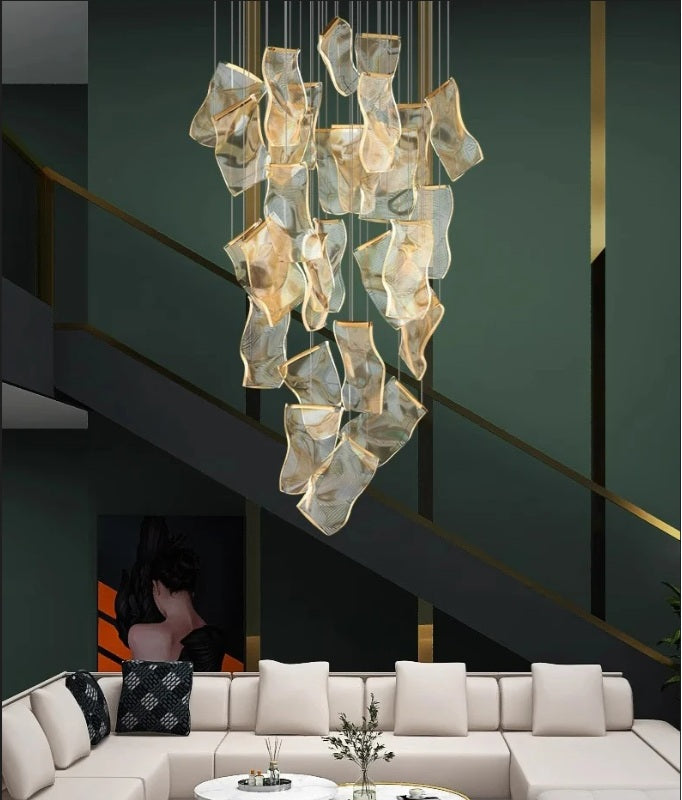
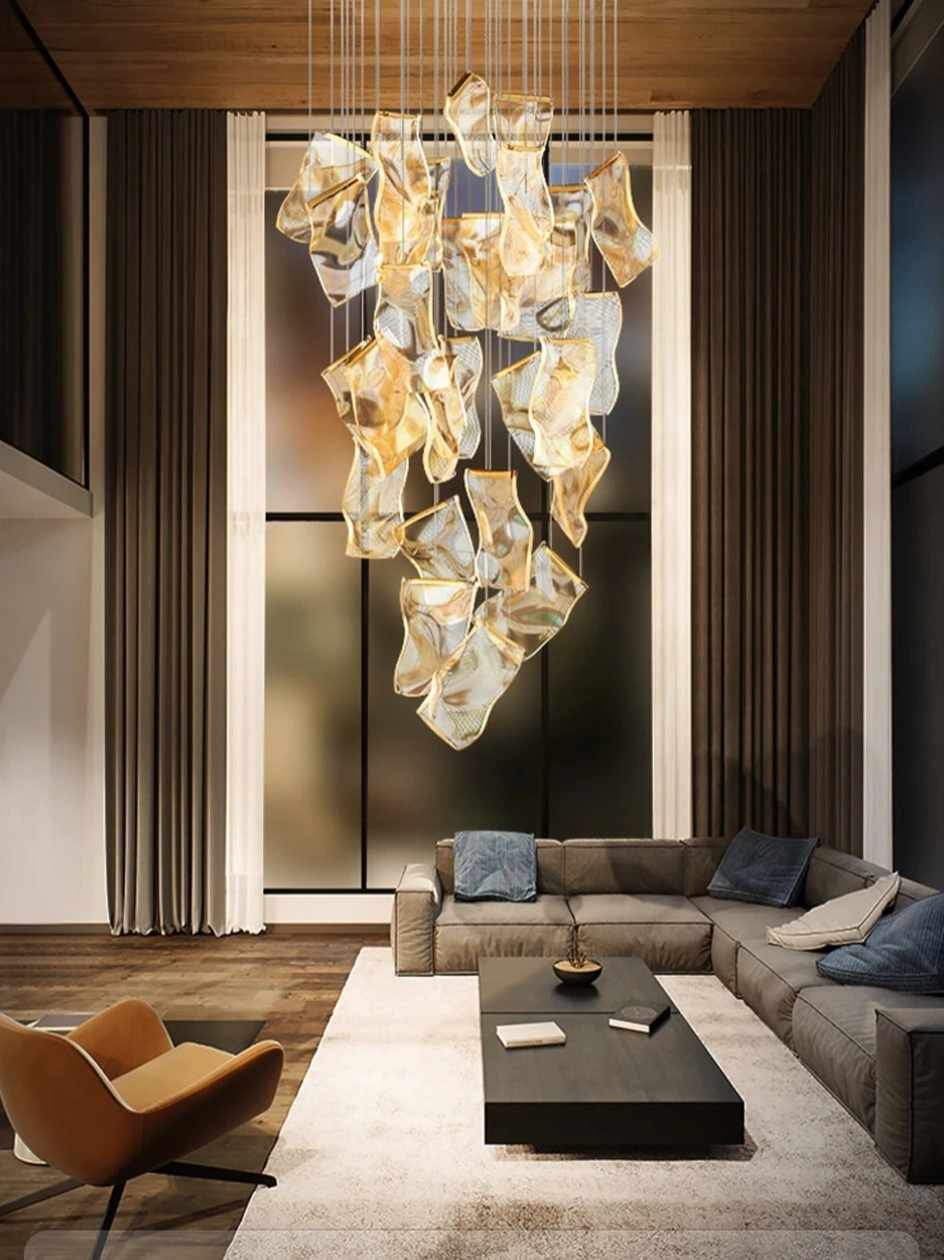
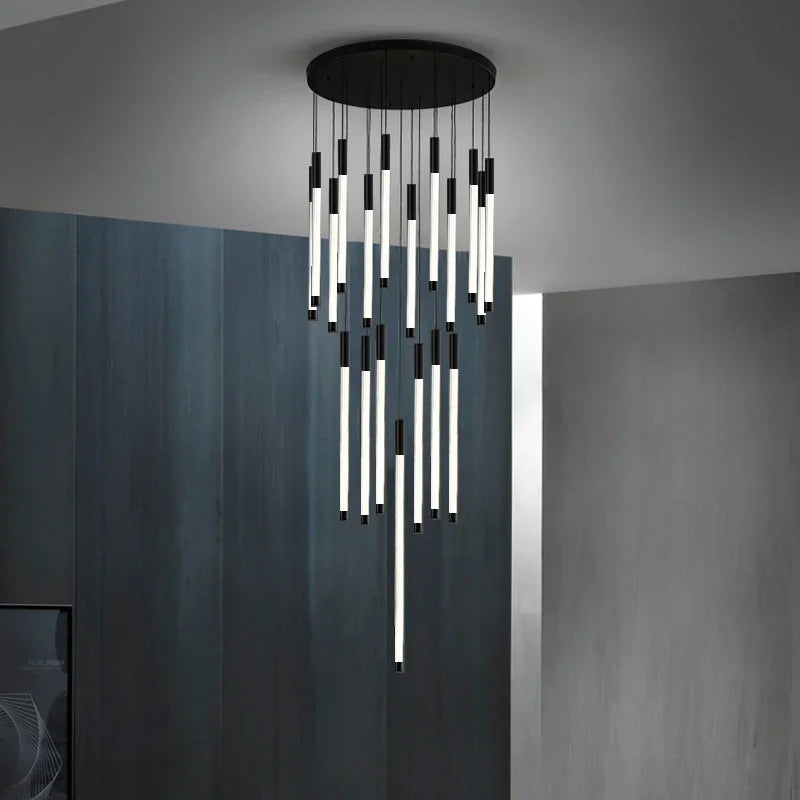
La Lámpara Colgante de Escalera Estilo Postmoderno Jonas funciona bien en este contexto porque el candelabro está diseñado para ser visto desde múltiples ángulos en lugar de solo como un objeto frontal. Para los compradores que saben que el proyecto se centra primero en la escalera, la comparación más útil a nivel de categoría es la colección de candelabros para escalera, donde la caída más larga, el ritmo vertical y la visibilidad en varios niveles se convierten en los filtros principales.
Candelabros de lujo para salas de estar con techos altos
Las salas de estar plantean un desafío diferente. Aquí, el candelabro suele tener que anclar una zona de asientos en lugar de un camino de circulación. En salas de estar con techos altos, la lámpara no solo debe ocupar el espacio superior, sino también sentirse conectada al grupo de muebles de abajo. Por eso, los candelabros de lujo para salas de estar a menudo funcionan mejor cuando combinan una escala fuerte con suficiente apertura para evitar que la habitación se sienta demasiado abarrotada.
Dos direcciones de lujo suelen funcionar especialmente bien en salones más grandes. La primera es el cristal, que aporta movimiento de luz y profundidad reflectante. La segunda es la metalistería geométrica o escultórica, que introduce una estructura arquitectónica más limpia. La elección correcta depende de si la habitación necesita más brillo y luminosidad o más silueta y forma.
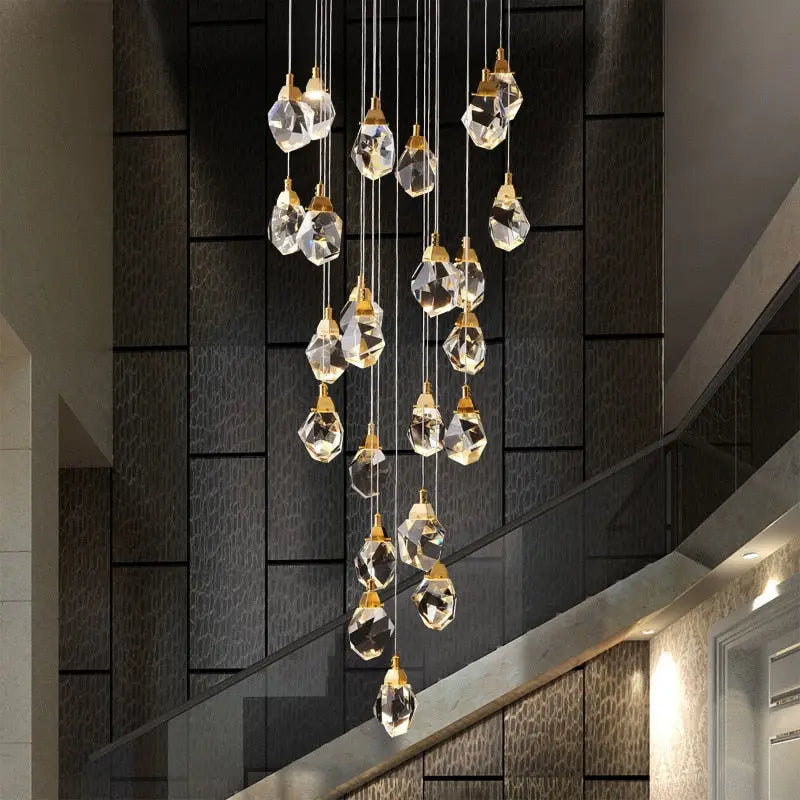
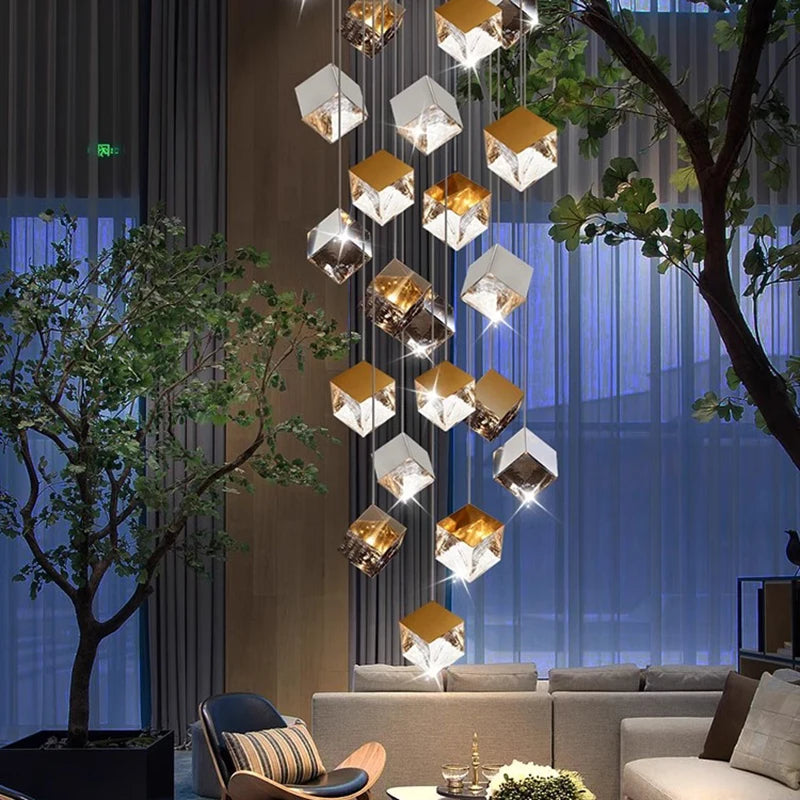
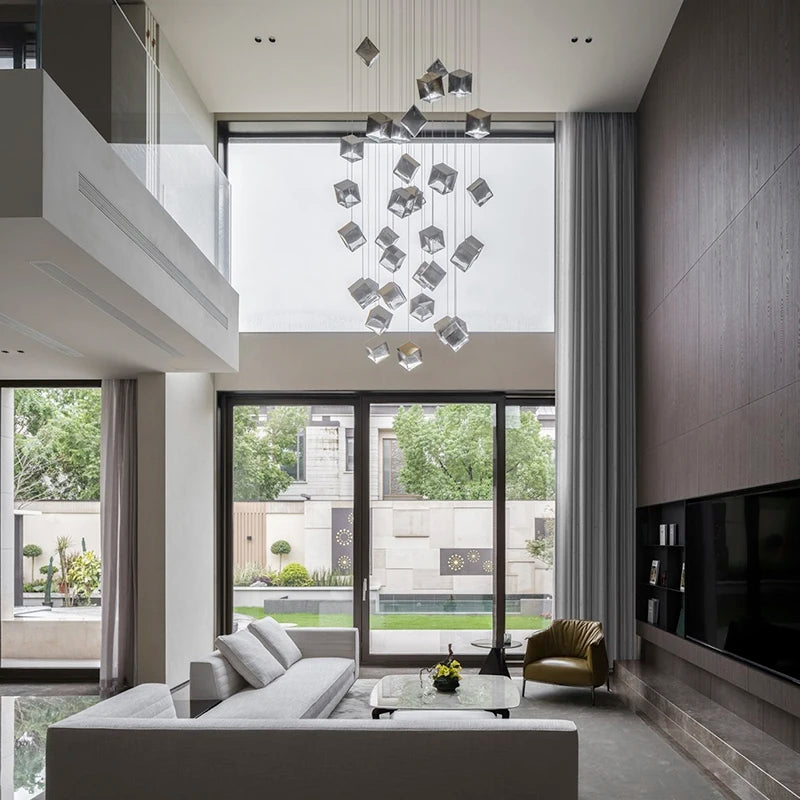
El Candelabro de cristal moderno para salón de techos altos es la ruta más luminosa y reflectante, mientras que la Lámpara colgante grande cubo Aren muestra cómo una habitación puede sentirse lujosa a través de la forma y la arquitectura en lugar de solo con cristal.
Candelabros de lujo para comedores y espacios centrados en la mesa
Los comedores piden a un candelabro que haga algo muy específico: debe relacionarse directamente con la mesa. Una luminaria que parece impresionante en una sala de exposición aún puede fallar en un comedor si no se alinea con la longitud, el ancho de la mesa y la forma en que la gente se mueve a su alrededor. Por eso, los candelabros de lujo para comedores son menos sobre el drama del techo vacío y más sobre la proporción controlada, la altura de suspensión y la atmósfera creada sobre la superficie de la mesa.
Los candelabros largos, los refinados colgantes de varias luces y las agrupaciones de colgantes de cristal suelen funcionar especialmente bien aquí porque pueden seguir la geometría de la mesa. Los candelabros de comedor de cristal siguen siendo fuertes cuando el objetivo es un resplandor formal, pero las composiciones con colgantes pueden sentirse más cuidadas y menos esperadas en los comedores de lujo contemporáneos.
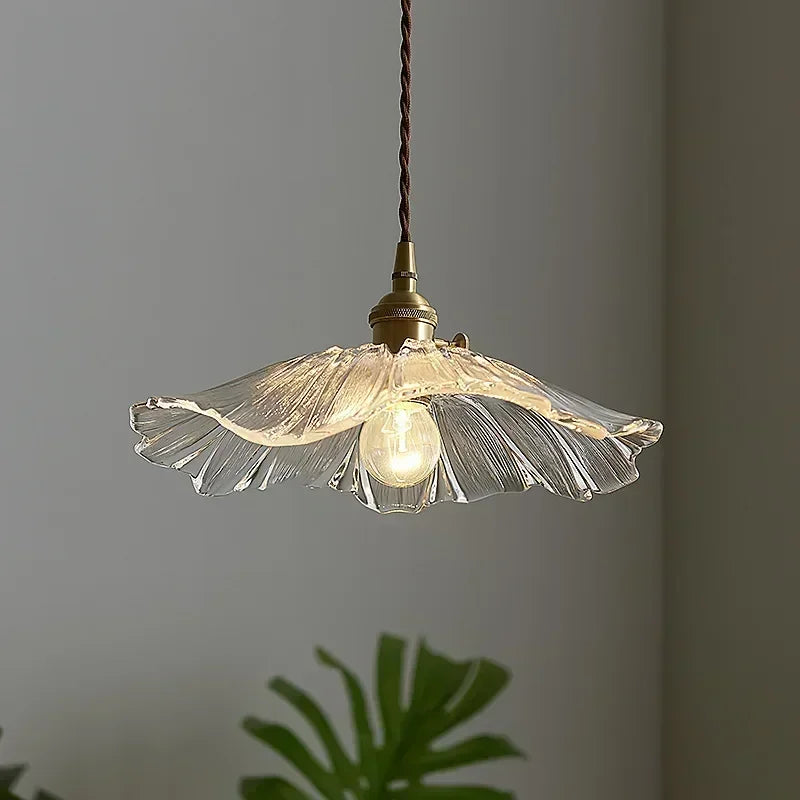
Las Lámparas Colgantes de Flores de Cristal Modernas muestran cómo una composición de colgantes más delicada aún puede parecer lujosa cuando el material y la ubicación son los adecuados. Si su principal enfoque es una luminaria centrada en la mesa en lugar de una comparación de candelabros para toda la habitación, la guía complementaria más relevante es cómo elegir el candelabro largo adecuado para su comedor. Para una búsqueda más amplia de luminarias, la categoría de iluminación colgante es la categoría de apoyo más fuerte aquí porque muchos proyectos de comedor de lujo ahora usan composiciones de colgantes en lugar de un solo candelabro central.
Lujo orgánico: cuando los candelabros inspirados en la naturaleza tienen más sentido que los geométricos
Una de las formas más claras de hacer que una habitación se sienta lujosa sin depender solo del cristal o el metal pulido es utilizar formas orgánicas. Los candelabros de ramas y otras luces de techo inspiradas en la naturaleza crean una especie de irregularidad escultórica que se siente más a medida que la simetría estricta. En interiores de lujo, esto puede ser extremadamente efectivo porque le da a la habitación una pieza distintiva que no se siente producida en masa, incluso cuando el candelabro forma parte de una colección más amplia.
Los candelabros inspirados en la naturaleza funcionan especialmente bien en salas de estar, vestíbulos y espacios de transición más grandes donde la arquitectura necesita suavizarse. A menudo son más fuertes en interiores que ya utilizan piedra, madera, yeso o metales cálidos, porque el candelabro se siente entonces como una extensión de la paleta de materiales en lugar de una capa decorativa separada.
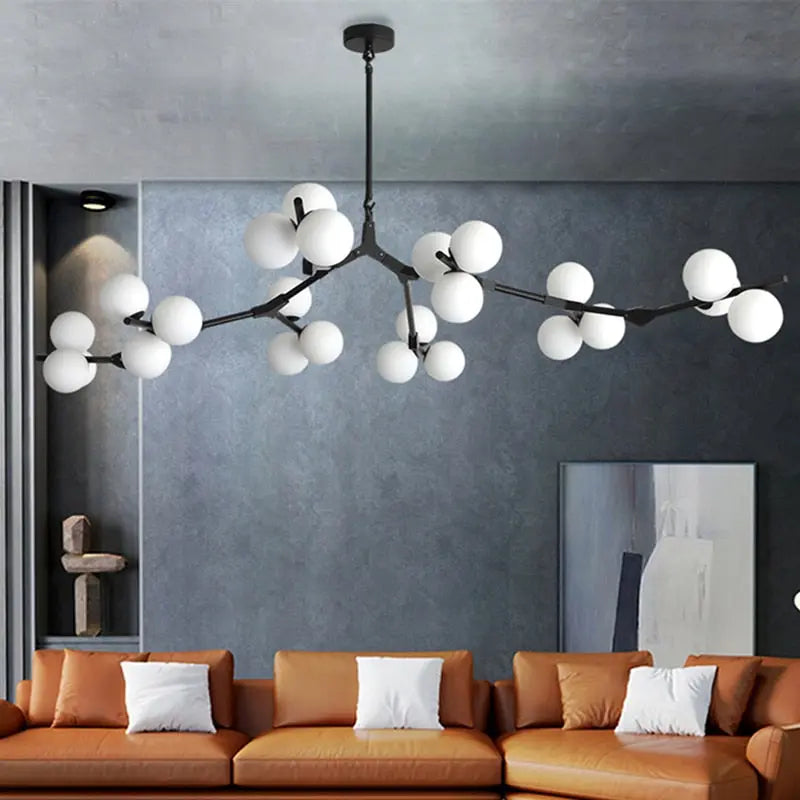
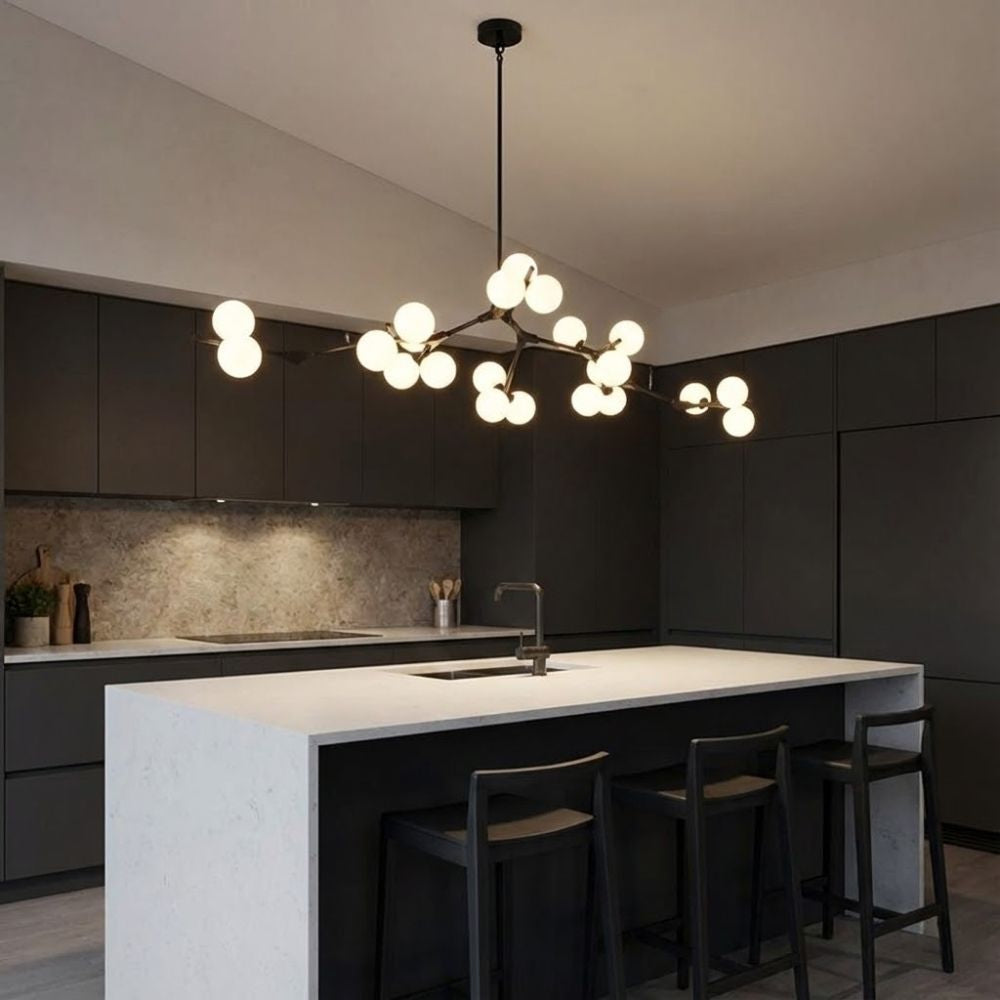
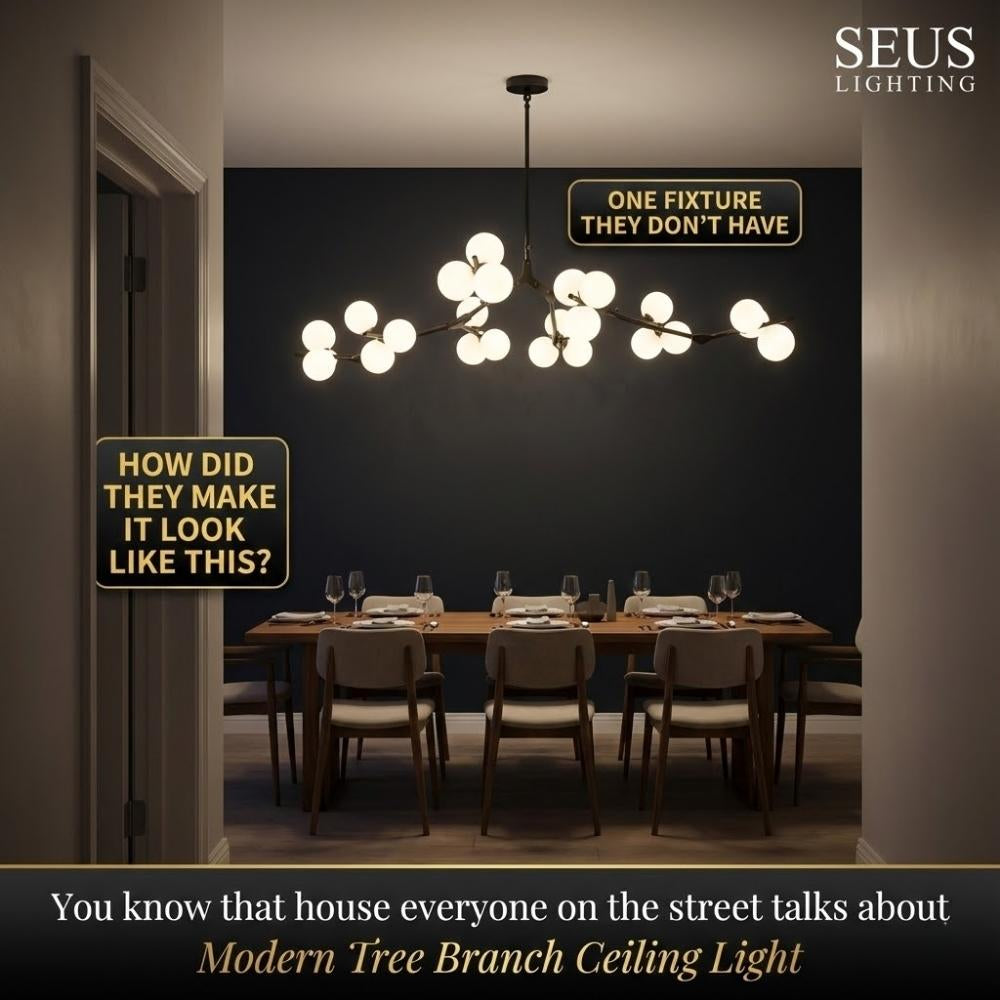
La Lámpara de Techo de Rama de Árbol Lio se sitúa en esta categoría. Ayuda a explicar por qué el lujo orgánico no se trata solo del lenguaje de las tendencias. Se trata de cómo un candelabro cambia el tono emocional de una habitación.
Lujo minimalista: lámparas colgantes y formas metálicas refinadas
No todas las habitaciones de lujo necesitan un candelabro con ornamentos obvios. En cocinas, comedores, pasillos y espacios contemporáneos más sobrios, el lujo a menudo proviene de la precisión en lugar de la complejidad. Aquí es donde los colgantes de acero inoxidable, los colgantes de vidrio y otras formas de techo más limpias resultan útiles. Todavía pueden sentirse elevados, pero lo hacen a través de la calidad del acabado, la forma disciplinada y la colocación exacta.
El lujo minimalista funciona mejor cuando la luminaria es altamente intencional. Un colgante simple que tiene el tamaño correcto y se coloca en la posición adecuada suele sentirse más refinado que una luminaria más grande elegida solo por el dramatismo. Esta es una de las razones por las que los racimos de colgantes siguen funcionando tan bien en cocinas de lujo y espacios de comedor más pequeños.
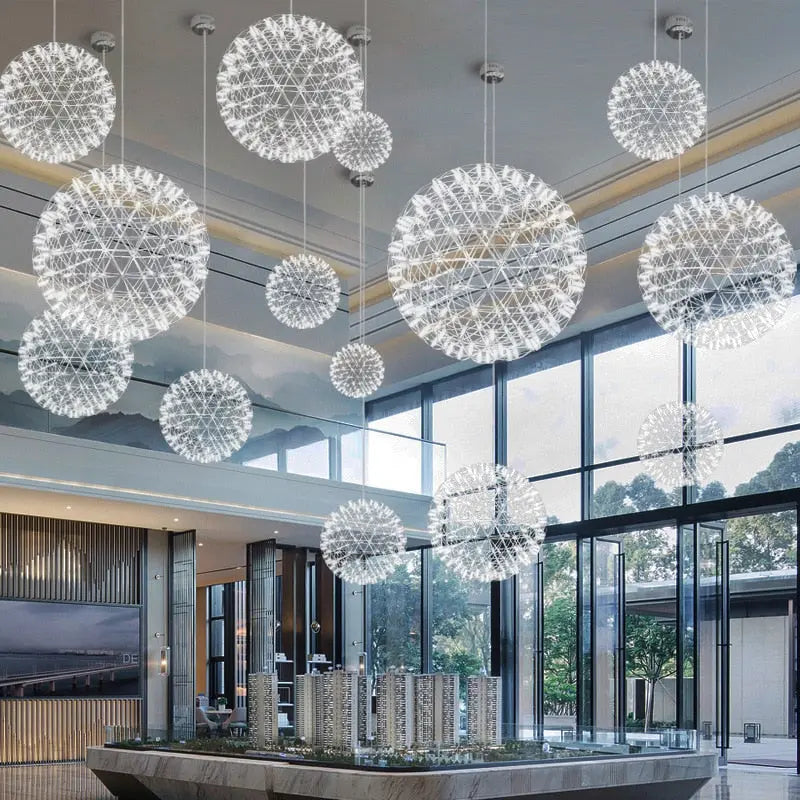
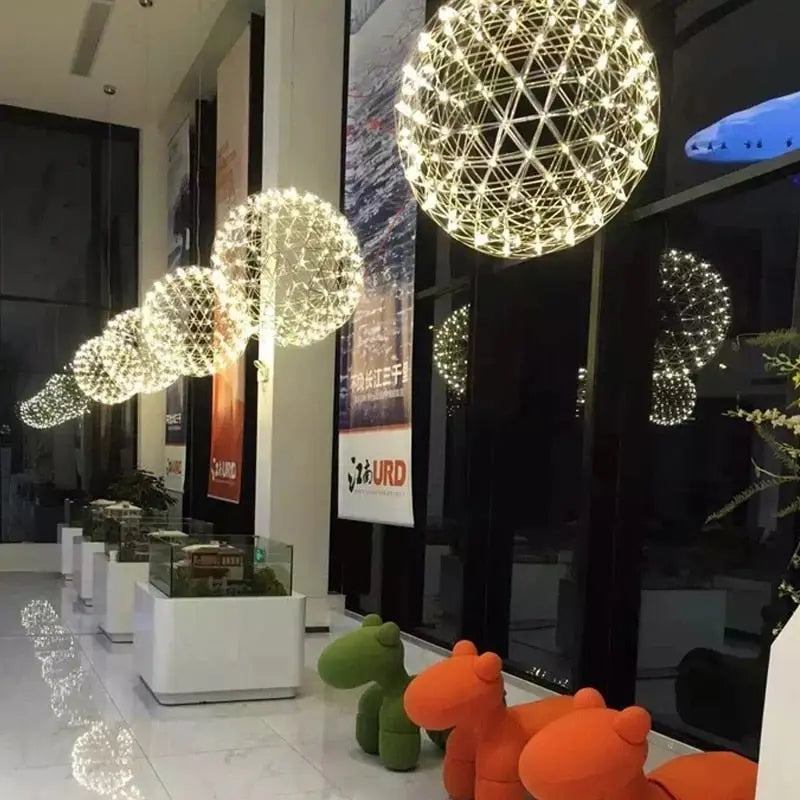
La Lámpara Colgante Esfera Spark de Acero Inoxidable es un claro ejemplo de cómo una habitación puede sentirse pulcra y cara sin depender de un gran cuerpo de candelabro. En hogares donde la dirección de lujo es más limpia y arquitectónica, este tipo de colgante a menudo tiene más sentido que un candelabro escultural.
Cómo superponer la iluminación de lujo para que la habitación se sienta completa
La iluminación de lujo rara vez se trata de una única luminaria que lo haga todo. Los interiores más logrados suelen basarse en la superposición. El candelabro puede establecer el centro visual, pero la habitación sigue beneficiándose de la iluminación de pared, el brillo perimetral y fuentes de luz adicionales para que el espacio pueda adaptarse naturalmente entre el día, la noche y el uso de entretenimiento.
| Capa de iluminación | Función principal | Dirección típica de la luminaria de lujo |
|---|---|---|
| Ambiental | Establece el ambiente general y la luminosidad de la habitación | Candelabros, colgantes grandes, luminarias de techo destacadas |
| De tarea | Apoya actividades específicas | Colgantes enfocados, luces direccionales, lámparas |
| De acento | Destaca la arquitectura, el arte o la textura de la pared | Apliques, focos, iluminación de bajo nivel |
| Decorativa | Añade presencia escultórica incluso cuando está apagada | Candelabros llamativos, colgantes artísticos, formas de ramas |
Aquí es donde la iluminación de pared se vuelve especialmente útil. La colección de apliques y lámparas de pared ayuda a completar habitaciones donde un candelabro solo dejaría el perímetro demasiado plano o demasiado oscuro. En proyectos más grandes, el efecto de lujo suele provenir de esta relación por capas, no solo de la escala.
Elegir el acabado y el tono de luz para un resultado más refinado
El acabado cambia el tono emocional de un candelabro de lujo tanto como la forma. El negro mate suele resultar más arquitectónico y asertivo. El oro cepillado y los tonos metálicos más cálidos tienden a sentirse más suaves y elevados. La plata pulida o el cromo pueden parecer más nítidos y contemporáneos. El bronce a menudo se adapta a habitaciones más tradicionales o de transición donde la riqueza importa más que el brillo.
La temperatura del color importa de la misma manera. La luz más cálida suele hacer que las salas de estar, comedores y dormitorios se sientan más acogedores e íntimos. La luz más fría tiende a sentirse más limpia y enfocada, por lo que a menudo funciona mejor en cocinas, oficinas o interiores más minimalistas. El candelabro adecuado no se verá completamente resuelto hasta que se consideren juntos el acabado y el tono de luz.
Si su objetivo principal es identificar direcciones más escultóricas en lugar de un emparejamiento basado en la habitación, el artículo de apoyo sobre candelabros escultóricos es el siguiente paso más adecuado porque se centra más en la personalidad de la luminaria y la presencia visual que esta guía basada en la habitación.
Cómo elegir el candelabro de lujo adecuado por habitación
| Habitación | Lo más importante | Mejor dirección de lujo |
|---|---|---|
| Vestíbulo | Primera impresión, visibilidad, escala arquitectónica | Candelabro llamativo, cristal, forma de rama, pieza de entrada más alta |
| Escalera | Presencia vertical, visualización en varios niveles, caída | Candelabro largo, racimo posmoderno, forma de lágrima o vertical |
| Sala de estar | Ancla de la zona de asientos, escala del techo, apertura | Cristal, escultural, geométrico, rama orgánica |
| Comedor | Alineación de la mesa, atmósfera, altura de suspensión | Candelabro largo, agrupación de colgantes, cristal o vidrio refinado |
Por eso, la iluminación de lujo funciona mejor cuando el candelabro se elige después de que el verdadero propósito de la habitación esté claro. Un candelabro de escalera no necesita comportarse como una luminaria de comedor. Un candelabro de comedor no necesita llenar un vacío de dos pisos. Unir la familia de luminarias con la función de la habitación es lo que hace que el plan de iluminación se sienta costoso en lugar de aleatorio.
Consideraciones finales
Elegir candelabros de lujo es más fácil cuando la habitación guía la decisión. Los vestíbulos necesitan una llegada y una escala visibles. Las escaleras necesitan un ritmo vertical. Los salones necesitan un ancla en el techo que siga conectada con la disposición de los asientos. Los comedores necesitan proporción y ambiente sobre la mesa. Una vez que esas necesidades están claras, la familia de candelabros adecuada se vuelve mucho más fácil de identificar.
Esto es lo que hace que la planificación de candelabros basada en la habitación sea más sólida que el lenguaje de las tendencias generales. En lugar de perseguir una idea vaga de lujo, puede hacer coincidir el tipo de accesorio, el acabado, la calidad de la luz y la escala con la forma en que cada espacio funciona realmente. Cuando eso sucede, el candelabro deja de ser solo un objeto decorativo y comienza a formar parte de la arquitectura de la habitación.
Para los compradores que ya saben que desean una escala más dramática de lo que puede ofrecer un accesorio decorativo estándar, la colección de candelabros llamativos es la categoría final más sólida para comparar después de usar esta guía basada en la habitación.


