

The best foyer lighting bulbs are LED bulbs at 2700K-3000K warm white color temperature with CRI 90+ for accurate color rendering — they save 75-85% on electricity vs incandescent, last 15,000-25,000+ hours, and create welcoming first impressions for American homes. This complete 2026 guide compares all 5 main bulb types (LED, smart, incandescent, halogen, CFL), covers the best light bulbs for hallway and entryway applications, foyer chandelier bulb selection, color temperature and lumens guidelines, US bulb base types (E26 vs E12), dimmer compatibility, and installation best practices.
Why Foyer Bulb Choice Matters
- Sets the welcoming first impression. Foyer is the first space guests see — quality bulbs at proper color temperature create immediate welcoming atmosphere.
- Energy efficiency matters for daily-use spaces. Foyer lights often stay on during evening hours; LED bulbs save $50-150/year compared to incandescent across typical multi-bulb foyer chandeliers.
- Bulb lifespan reduces maintenance frequency. LED bulbs lasting 15,000-25,000+ hours reduce frequent bulb changes — particularly important for high ceiling foyer chandeliers requiring ladder access.
- Color temperature affects atmosphere significantly. 2700K warm white creates welcoming residential feel; 4000K+ cool white creates institutional clinical atmosphere unsuitable for foyer.
- CRI affects how everything looks in your foyer. Low CRI bulbs (75-80) render colors poorly — wall paint, artwork, flooring all look dull. CRI 90+ delivers accurate vibrant color rendering.
- Heat output matters in enclosed fixtures. Incandescent and halogen bulbs generate substantial heat; LED bulbs run cool and safer for enclosed foyer pendants and chandeliers.
- Dimmability enables atmospheric flexibility. Bright welcome arrival + soft evening ambient + dim late-night transit = dimmer-compatible bulb required.
- Smart bulbs add convenience. Voice control, scheduled scenes, remote activation transform foyer functionality across daily home use.
LED Bulbs: Save Energy and Money
LED Bulbs ★ Best Overall for Foyer
LED (Light Emitting Diode) bulbs are the optimal choice for foyer lighting. They deliver welcoming illumination at fraction of the energy cost compared to traditional incandescent alternatives, last substantially longer reducing replacement frequency, and operate cool reducing fire risk in enclosed fixtures. Modern LED bulbs have improved dramatically — CRI 90+ options render colors accurately, dimmable LEDs work with compatible dimmer switches, Edison-style filament LEDs deliver vintage aesthetic with LED efficiency, and tunable white LEDs shift color temperature throughout the day. LED bulbs cost more upfront ($3-12 vs $1-3 for incandescent) but pay back substantially through energy savings + reduced replacement frequency. Across typical foyer chandelier with 9 bulbs at 5 hours daily use, LED conversion saves $100-250/year electricity vs incandescent equivalents — payback typically under 2 years.
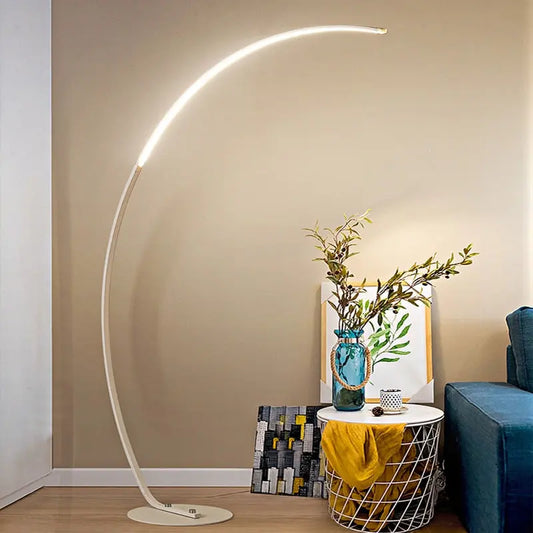
Here's an example of how LED lighting can look in a foyer:
- 2700K-3000K warm white for foyer. Welcoming residential atmosphere standard.
- CRI 90+ specification. Accurate color rendering for foyer artwork, wall paint, flooring.
- Dimmable LED + LED-rated dimmer switch. Atmospheric flexibility critical for foyer.
- Energy Star certified. Verified efficiency and longevity claims.
- LED bulbs run cool. Safe for enclosed pendants and substantial chandeliers.
- Vintage Edison-style LED filament. Modern efficiency with classic incandescent aesthetic — particularly suited to farmhouse and traditional foyers.
- Smart LED option. Remote control, scheduled scenes, voice integration.
- Tunable white LED. Adjustable color temperature — warmer evening, cooler morning.
- Read our guide to foyer lighting for more LED foyer applications.
Smart Bulbs: High-Tech Foyer Lighting
Smart LED Bulbs ★ Best for Tech-Integrated Homes
Smart bulbs are LED bulbs with built-in connectivity (WiFi or Bluetooth) enabling remote control through smartphone apps, voice assistants (Amazon Alexa, Google Assistant, Apple HomeKit), and smart home systems. Smart bulbs transform foyer functionality through scheduled activation ("Welcome Home" scene activates when arrival detected), scene presets ("Late Night" dim ambient), voice control ("Hey Alexa, foyer lights to 50%"), and color-changing capability (RGB smart bulbs deliver any color for special occasions). Smart bulbs cost substantially more upfront ($15-40 per bulb) but eliminate hub-required setup if buying WiFi-direct smart bulbs. Smart bulb investment justified for tech-integrated homes; not necessary for basic foyer applications where standard dimmable LED + LED-rated dimmer delivers adequate atmospheric flexibility.
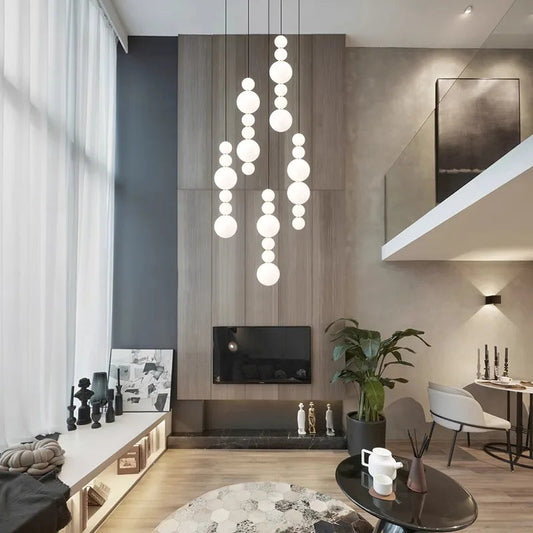
Check out this modern light that would work great with smart bulbs:
- Smart bulb categories: (1) WiFi-direct: connects directly to home WiFi without hub. (2) Hub-required: needs central hub for control; offers more reliability + extended range. (3) Bluetooth-only: simple setup but limited range.
- Voice assistant integration: verify smart bulb compatibility with your preferred assistant (Alexa, Google, HomeKit). Some smart bulbs work with all major assistants; others limited.
- Scene presets transform foyer functionality: "Welcome Home" (full brightness 2700K), "Family Time" (75% brightness), "Late Night" (10% dim warm), "Vacation" (random activation simulating occupancy).
- Tunable white smart bulbs. Adjustable color temperature 2200K-6500K for circadian-friendly lighting transitions.
- RGB color-changing smart bulbs. Holiday accents, party lighting, special occasion ambiance.
- Geofencing activation. Smart bulbs detect smartphone proximity and activate welcome lighting automatically.
- Dimmable without separate dimmer. Smart bulbs include internal dimming — eliminates need for compatible dimmer switch.
- Energy-saving same as standard LED. Smart functionality doesn't increase energy use significantly.
- Critical specification: smart bulbs at 2700K-3000K warm white for foyer atmosphere; CRI 90+ for accurate color rendering.
Incandescent Bulbs: The Classic Choice
Incandescent Bulbs — Classic Warmth, High Energy
Incandescent bulbs deliver the warm yellow glow many people associate with welcoming home lighting. Their color spectrum and warm 2700K tone create cozy traditional atmosphere. However, incandescent bulbs use substantial energy (75-85% more than equivalent LED), generate significant heat (creating fire risk in enclosed fixtures), and last only 750-2,000 hours (requiring frequent replacement). The US has phased out general-service incandescent bulbs above 40W due to energy regulations — many traditional 60W and 100W incandescent foyer bulbs are no longer commercially available. Specialty incandescent bulbs (decorative, low-wattage candelabra) remain available for specific applications. Most homeowners benefit from switching foyer incandescent to LED equivalents while preserving classic warm aesthetic through 2700K LED bulbs.
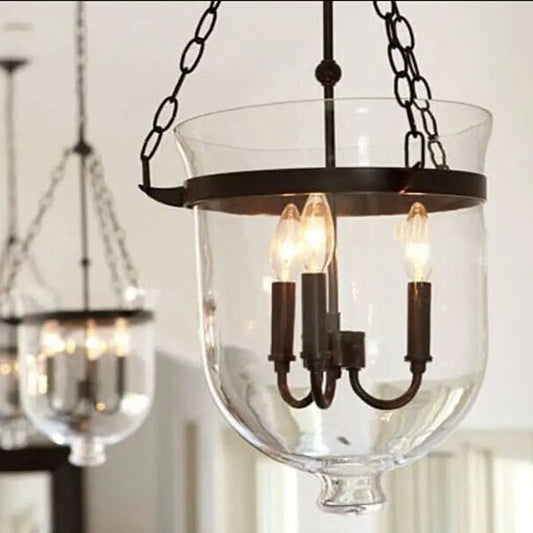
Take a look at this light fixture that works well with incandescent or Edison-style LED bulbs:
- Edison-style LED filament bulbs. Best alternative to classic incandescent — visible filament aesthetic + LED efficiency + LED longevity.
- Decorative incandescent. Low-wattage specialty incandescent still available for chandelier candelabra applications.
- Vintage aesthetic without inefficiency. 2700K LED bulbs deliver incandescent-like warmth with LED efficiency.
Halogen Bulbs: Bright and Clear
Halogen Bulbs — Bright White Light
Halogen bulbs are enhanced incandescent bulbs using halogen gas to extend filament life. They deliver bright crisp white light (3000K-3500K typical) excellent for color rendering — particularly suited for highlighting foyer artwork or architectural details. Halogen bulbs use 20-30% less energy than standard incandescent and last roughly twice as long, but still substantially less efficient and shorter-lived than LED equivalents. Halogen bulbs generate substantial heat — handle with care; allow significant cool-down before contact; verify fixture rated for halogen heat output. The US has restricted most general-service halogen bulbs through energy regulations; specialty halogen for specific applications (track lighting, accent lighting, certain chandelier styles) remain available. For most foyer applications, halogen has been superseded by LED.
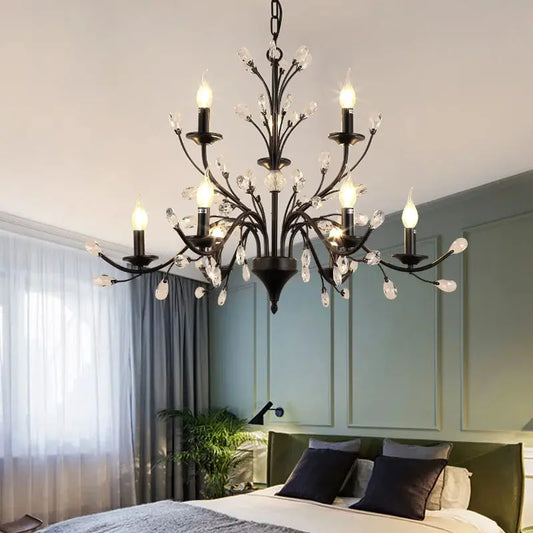
Here's a chandelier that would look great with halogen or LED equivalents:
- Halogen heat safety. Halogen bulbs operate at very high temperatures; allow 15-30 minutes cool-down before contact.
- Don't touch halogen bulbs with bare hands. Oil from skin causes hot spots that significantly reduce halogen lifespan; use clean cloth or gloves when handling.
- Fixture compatibility. Verify fixture rated for halogen heat output before installation. Some decorative fixtures cannot safely accommodate halogen heat.
- LED equivalent recommended. Modern bright-white LED bulbs (3000K-3500K) deliver similar appearance with substantially better efficiency and longevity.
CFL Bulbs: The Curly Energy-Savers
CFL Bulbs — Energy-Saving Spiral Bulbs
CFL (Compact Fluorescent Light) bulbs are the spiral or coiled bulbs that became popular as energy-saving alternatives to incandescent. CFLs use substantially less energy than incandescent and last longer, but have significant drawbacks for foyer applications: slow warm-up time (30 seconds to 2 minutes to reach full brightness), reduced lifespan with frequent on/off cycling (common in foyer use), mercury content requiring careful disposal, limited dimmability (only specific "dimmable CFL" works with dimmer switches), and some users find the light quality less pleasing than incandescent or LED. While CFLs were popular replacements for incandescent in the 2000s and 2010s, LED bulbs have largely superseded CFLs through faster startup, better color quality, instant dimming, longer lifespans, and no mercury content.
Here's a foyer light that could work with CFL or LED bulbs:
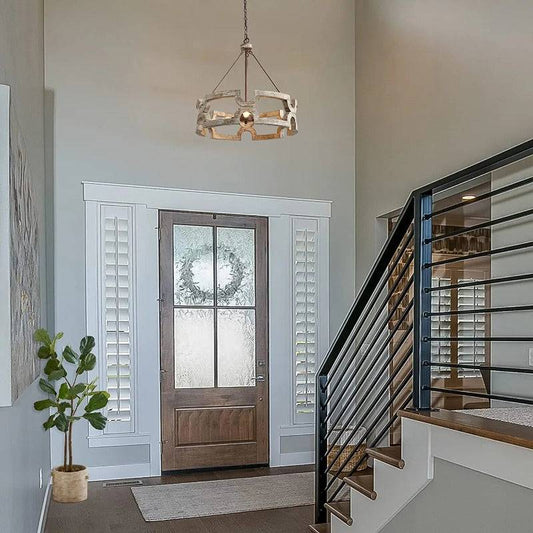
- CFL drawbacks for foyer. Slow warm-up incompatible with foyer's frequent quick on/off use patterns.
- CFL size considerations. Some CFLs larger than standard incandescent — may not fit in compact decorative chandelier sockets.
- Dimmable CFL specifications. Standard CFLs aren't dimmable; specifically labeled "dimmable CFL" works with compatible dimmers, but with limited range.
- Mercury content disposal. CFLs contain small mercury amounts requiring proper recycling — never dispose in regular trash.
- LED preferred replacement. Modern LEDs surpass CFLs in every meaningful metric.
Best Light Bulbs for Hallway
Hallway lighting bulbs follow similar principles to foyer lighting with additional considerations for narrow space dynamics and frequent transit use.
- LED bulbs preferred. Hallway lights often stay on during evening hours; LED energy savings substantial. 75-85% less electricity than incandescent.
- 2700K-3000K warm white. Welcoming residential atmosphere; consistent with foyer and adjacent room lighting.
- CRI 90+ specification. Hallway artwork, wall paint colors, flooring appearance benefit from accurate color rendering.
- 800-1,200 lumens per fixture. Adequate hallway illumination for safe transit + welcoming atmosphere.
- Motion-activated smart bulbs. Substantial energy savings — hallway lights only activate when transit detected. $20-40 per smart bulb investment.
- Dimmable specification. Atmospheric flexibility — bright daytime hallway + soft evening + dim late-night.
- Common hallway bulb wattages: 40-60W incandescent equivalent (LED 4-9W actual); per fixture in typical hallway installations.
- For low-ceiling hallway fixtures: flush mount fixtures often require A19 or BR30 LED bulbs. Verify bulb base type and dimensions.
- Wall sconces in hallways: typically E12 candelabra base bulbs; 25-40W incandescent equivalent (LED 2.5-5W actual).
- Color temperature consistency across hallway and adjacent spaces. Mixed Kelvin creates atmospheric disconnection — maintain 2700K-3000K throughout connected spaces.
Best Light Bulb for Entryway
Entryway bulb selection prioritizes welcoming first impression + energy efficiency + atmospheric flexibility.
- LED at 2700K-3000K warm white: optimal entryway bulb specification. Welcoming residential atmosphere + 75-85% energy savings + 15,000-25,000+ hour longevity.
- CRI 90+ critical for entryway. Wall art, accent paint, decorative elements, flooring all benefit from accurate color rendering — particularly important for entry where guests form first impressions.
- Lumens output by entryway size: small entryway (under 30 sq ft) 800-1,500 lumens; medium entryway (30-60 sq ft) 1,500-3,000 lumens; substantial two-story entryway 4,000-10,000+ lumens.
- Dimmable LED + matching LED-rated dimmer switch. Atmospheric flexibility — bright welcome arrival + soft evening + dim late-night.
- Smart LED option. Geofencing-triggered "Welcome Home" scene activates entryway lighting automatically when arrival detected.
- Entryway chandelier bulb specifications: typically E12 candelabra base; 25-60W incandescent equivalent (LED 2.5-7W actual); 2700K-3000K warm white.
- Entryway pendant bulb specifications: typically E26 medium base; 40-60W incandescent equivalent (LED 4-9W actual); 2700K-3000K.
- Edison-style LED filament for traditional entryway aesthetic. Vintage filament appearance with LED efficiency.
- Avoid cool 4000K+ in entryway. Creates institutional clinical feel incompatible with welcoming residential entry.
- For substantial two-story foyer entryways: substantial chandeliers may have 9-21+ bulbs; LED conversion saves $200-500/year electricity vs incandescent. Browse our foyer lighting collection.
Foyer Chandelier Bulb Types
Foyer chandeliers use specific bulb types determined by socket size, decorative aesthetic, and lumens requirements.
| Chandelier Style | Common Bulb Type | Wattage Equivalent | Color Temperature |
|---|---|---|---|
| Crystal chandelier (traditional) | E12 candelabra (B11 or torpedo) | 25-60W incandescent (LED 2.5-7W actual) | 2700K warm white |
| Modern bubble chandelier | E12 candelabra OR G9 bi-pin | 25-40W incandescent (LED 2.5-5W actual) | 2700K-3000K warm white |
| Modern sphere chandelier | E26 medium | 40-60W incandescent (LED 4-9W actual) | 2700K-3000K warm white |
| Industrial cage chandelier | E26 medium (Edison-style preferred) | 40-60W incandescent (LED 4-9W actual) | 2700K warm white |
| Drum shade chandelier | E26 medium OR E12 candelabra | 40-60W incandescent (LED 4-9W actual) | 2700K-3000K warm white |
| Linear/sputnik chandelier | G9 bi-pin OR LED-integrated | 20-40W incandescent (LED 2-5W actual) | 2700K-3000K warm white |
| LED-integrated chandelier | Not replaceable (built-in) | Total fixture wattage | Fixed at manufacture (usually 3000K) |
- Verify socket type before purchase. Most foyer chandeliers use E12 candelabra base; some use E26 medium base. Mixed sockets exist in some designs.
- Match bulb count to chandelier sockets. 9-bulb chandelier needs 9 bulbs of matching specifications.
- Same color temperature across all bulbs. Mixed Kelvin across chandelier creates uneven visual appearance.
- Same brand recommended. Different manufacturers may have slightly different color tones even at same Kelvin rating.
- Don't exceed maximum wattage rating. Each socket has maximum wattage limit; exceeding creates fire hazard. LED bulbs typically operate well within most fixture ratings.
- Dimmable LED across all sockets. Mixed dimmable + non-dimmable creates uneven dimming behavior.
- Browse our foyer chandeliers collection and crystal chandeliers collection for substantial foyer chandelier options.
Color Temperature Guide for Foyer
| Color Temperature | Appearance | Foyer Application | Recommendation |
|---|---|---|---|
| 2200K-2400K (candlelight) | Very warm amber | Accent only; intimate evenings | Accent applications only |
| 2700K (warm white) | Warm yellow-white | Welcoming traditional foyer | ★ Best for traditional foyer |
| 3000K (soft warm) | Slightly cooler warm | Modern foyer | ★ Best for modern foyer |
| 3500K (neutral warm) | Neutral white | Kitchen-adjacent foyer | Acceptable when coordinating with kitchen |
| 4000K (cool white) | Cool white | Office, garage | ❌ Avoid in residential foyer |
| 5000K+ (daylight) | Cool blue-white | Commercial spaces | ❌ Never in residential foyer |
- 2700K-3000K is the foyer standard. Welcoming residential atmosphere across traditional, transitional, and modern foyer styles.
- 2700K for traditional foyer. Most welcoming warm appearance; matches incandescent legacy bulbs.
- 3000K for modern foyer. Slightly cooler; works well with modern minimalist foyers featuring white walls and clean architectural detailing.
- Avoid 4000K+ in residential foyer. Cool color temperatures create institutional clinical feel unsuitable for welcoming residential entry.
- CRI 90+ for accurate color rendering. Even correct Kelvin LEDs at low CRI (75-80) render colors poorly — foyer artwork, paint, flooring all look dull.
- Tunable white smart bulbs. Premium smart bulbs adjust 2200K-6500K throughout day for circadian-friendly residential transitions.
Lumens & Wattage Guide for Foyer
| LED Wattage | Incandescent Equivalent | Lumens Output | Foyer Application |
|---|---|---|---|
| 2.5-3W | 25W incandescent | 200-300 lumens | Decorative candelabra accent |
| 4-5W | 40W incandescent | 400-500 lumens | Standard chandelier socket |
| 6-9W | 60W incandescent | 800-1,000 lumens | Most foyer pendants + chandeliers |
| 10-13W | 75W incandescent | 1,100-1,400 lumens | Substantial foyer pendant |
| 13-17W | 100W incandescent | 1,600-2,000 lumens | Single bulb substantial fixture |
| 17-25W | 150W incandescent | 2,000-2,500 lumens | Industrial / commercial application |
- Total foyer lumens by space size: (1) Small foyer (under 50 sq ft): 800-2,000 total lumens. (2) Medium foyer (50-100 sq ft): 2,000-4,000 lumens. (3) Large foyer (100-150 sq ft): 4,000-6,000 lumens. (4) Substantial two-story foyer: 5,000-10,000+ total lumens.
- Lumens formula: foyer requires 30-40 lumens per square foot total ambient illumination.
- Multi-bulb chandelier lumens calculation: multiply bulb count × individual lumens. Example: 9-bulb chandelier with 500-lumen bulbs = 4,500 lumens total.
- Don't exceed fixture maximum wattage. Each fixture has maximum wattage per socket; verify before bulb selection. LED bulbs typically operate well within most ratings.
- Verify lumens output, not just wattage. LED bulbs marketed as "60W equivalent" may deliver 700-900 lumens depending on efficiency.
US Bulb Base Types for Foyer (E26 vs E12)
| Base Type | Diameter | Common Foyer Use | Typical Wattage |
|---|---|---|---|
| E26 medium base | 26 mm (1.02") | Most foyer pendants + chandeliers + recessed | 40-100W incandescent equivalent |
| E12 candelabra base | 12 mm (0.47") | Decorative chandeliers + crystal chandeliers | 25-60W incandescent equivalent |
| E17 intermediate base | 17 mm | Specialty chandeliers + appliance bulbs | 25-40W |
| G9 bi-pin base | 9 mm pin spacing | Modern chandeliers + designer fixtures | 20-60W halogen equivalent |
| GU10 bi-pin base | 10 mm pin spacing | Track lighting + recessed accent | 35-50W halogen equivalent |
- E26 is the US standard medium base. Most common across pendants, recessed lighting, table lamps, and substantial chandeliers.
- E12 is the candelabra base for decorative chandeliers. Smaller socket for elegant decorative bulb shapes (B11 torpedo, BA flame, CA candle).
- Identify base type before purchase. Check fixture documentation; measure base dimensions if uncertain.
- Don't force wrong base into socket. Damages both bulb and socket. Use base adapter only as temporary solution.
- Bulb shape vs base type are separate specs. Same base type may come in multiple bulb shapes — verify both before purchase.
- European bulb bases differ. European E27 and E14 differ slightly from US E26 and E12. Don't import European bulbs to US homes.
Foyer Bulb Sizing by Fixture
- Small foyer chandelier (4-6 bulbs): E12 candelabra base + 25-40W incandescent equivalent (LED 2.5-5W actual) at 2700K = 1,200-2,000 lumens total.
- Medium foyer chandelier (6-9 bulbs): E12 candelabra base + 40-60W incandescent equivalent (LED 4-7W actual) at 2700K = 2,400-4,500 lumens total.
- Large foyer chandelier (9-15 bulbs): E12 candelabra base + 40-60W incandescent equivalent (LED 4-7W actual) at 2700K = 3,600-7,500 lumens total.
- Substantial two-story foyer chandelier (15-21+ bulbs): E12 candelabra OR E26 medium + 60W incandescent equivalent (LED 7-9W actual) = 6,000-10,000+ lumens total.
- Foyer pendant (single bulb): E26 medium base + 60-100W incandescent equivalent (LED 9-13W actual) at 2700K-3000K = 900-1,400 lumens.
- Foyer flush mount (1-3 bulbs): E26 medium base + 40-60W incandescent equivalent (LED 4-9W actual) at 2700K-3000K = 1,200-3,000 lumens.
- Hallway sconces (2-bulb each): E12 candelabra base + 25-40W incandescent equivalent (LED 2.5-5W actual) at 2700K = 400-1,000 lumens per sconce.
Dimmer Compatibility
- Specify "dimmable" LED bulbs. Standard non-dimmable LEDs flicker or fail in dimmer circuits. Verify "dimmable" label on packaging.
- Use LED-rated dimmer switches. Old incandescent dimmer switches may not work properly with LED bulbs. Replace with LED-compatible dimmers (typically $20-50).
- Match dimmer wattage capacity. Verify dimmer rated for total connected LED wattage. Most LED dimmers handle 150W LED minimum.
- Test dimmer compatibility before full install. Install one bulb first; verify smooth dimming without flicker before installing all bulbs.
- Smart bulbs include internal dimming. Smart bulbs don't require compatible dimmer switches — they dim via app or voice control.
- Mixed dimmable + non-dimmable creates problems. All bulbs in dimmer circuit should be dimmable for consistent behavior.
- Some LED bulbs limit dimming range. Some LEDs only dim to 10-20% minimum; others dim to 1% or off. Verify dimming range matches your atmospheric needs.
Energy Saving Bulbs Comparison
| Bulb Type | Energy Use (60W Equiv) | Lifespan | 10-Year Cost |
|---|---|---|---|
| Incandescent | 60W | 750-2,000 hrs | $80-100 (energy + bulbs) |
| Halogen | 43W | 2,000-4,000 hrs | $60-80 |
| CFL | 13-15W | 8,000-15,000 hrs | $25-40 |
| LED | 6-9W | 15,000-25,000 hrs | $15-25 ★ Best value |
| Smart LED | 6-9W | 15,000-25,000 hrs | $30-50 + smart features |
- LED delivers substantial savings. 9-bulb foyer chandelier converted from 60W incandescent to 9W LED equivalent saves ~$150-250/year.
- 10-year LED ROI. $5-10 LED bulb vs $1-3 incandescent — energy savings + reduced replacement frequency = LED pays back in under 2 years.
- Energy Star certification. Energy Star bulbs verified for efficiency claims; reliable purchase decision.
- Multi-bulb fixtures multiply savings. Substantial 9-21+ bulb foyer chandeliers deliver substantial cumulative savings from LED conversion.
How to Pick the Right Bulb for Your Foyer
When choosing bulbs for your foyer lighting, consider these factors:
- The style of your light fixture. Traditional crystal chandelier vs modern bubble chandelier vs industrial pendant — each fixture style coordinates with specific bulb aesthetics.
- How much light you need. Calculate total lumens based on foyer square footage (30-40 lumens per sq ft).
- The color of light you want. 2700K traditional warm; 3000K modern warm; avoid 4000K+ cool in residential foyer.
- Whether you want to dim the lights. Dimmable LED + LED-rated dimmer switch for atmospheric flexibility.
- How much you want to spend on bulbs and energy. LED higher upfront cost; substantial long-term energy savings.
- Foyer size and natural light. Bigger foyer or one without much natural light needs brighter bulbs or more fixtures.
- Style of your home. Traditional homes often look good with warm soft 2700K; modern homes work with cooler crisp 3000K.
- Smart integration desires. Voice control, scene presets, geofencing — smart LED if smart home integration matters.
Here's a beautiful foyer light showing the impact of quality bulb choice:
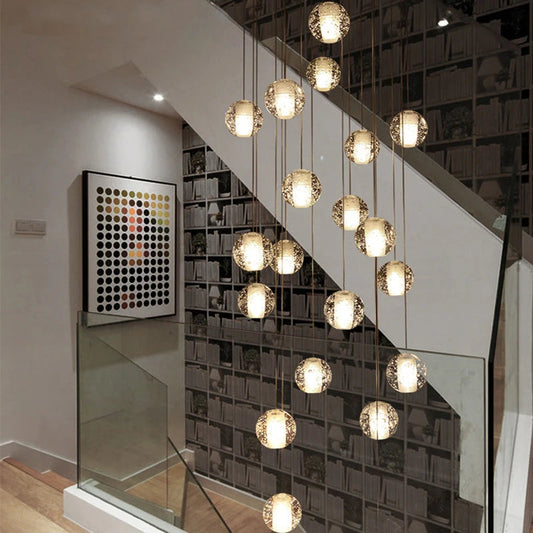
For more ideas on foyer lighting, browse our collection of foyer lights.
Tips for Installing and Caring for Your Bulbs
- Always turn off the power before changing a bulb. Use circuit breaker disconnect; verify with voltage tester.
- Make sure the bulb is the right size and type for your fixture. Verify base type (E26 vs E12), bulb shape, wattage limits.
- Don't touch halogen bulbs with bare hands. Skin oil creates hot spots reducing halogen lifespan; use clean cloth or gloves.
- Allow bulbs to cool before replacement. 15-30 minutes after last use; hot bulbs crack when contacted.
- Clean your light fixtures regularly. Dust accumulation reduces light output up to 30%; monthly dusting + quarterly deep cleaning maintains brightness.
- Recycle CFL and LED bulbs properly. CFLs contain mercury — never dispose in regular trash. LED bulbs benefit from electronic recycling.
- Buy multiple bulbs at once for color consistency. Color temperature can vary slightly between manufacturing batches; same-batch bulbs deliver consistent appearance.
- Verify dimmer compatibility before bulk purchase. Test one bulb with existing dimmer before purchasing 9-21 bulbs.
Here's a fixture showing the importance of quality lighting maintenance:
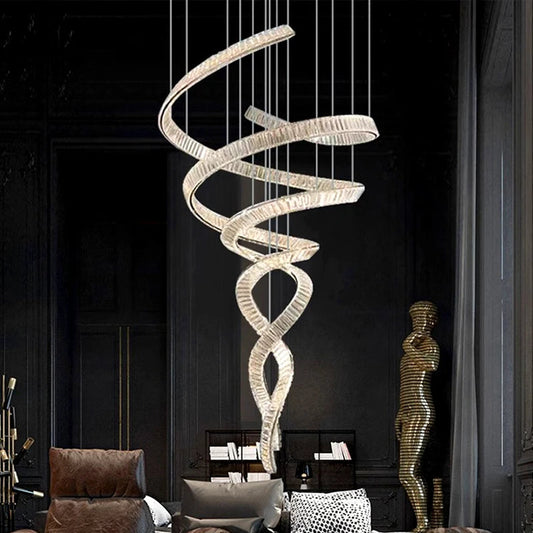
Common Foyer Bulb Selection Mistakes
- Wrong color temperature for residential foyer. 4000K+ cool white in foyer creates institutional feel. Use 2700K-3000K warm white exclusively.
- Wrong base type purchase. Buying E26 bulbs for E12 chandelier socket. Always verify base type before purchase.
- Exceeding fixture maximum wattage. Each socket has maximum wattage limit; exceeding creates fire hazard. Verify ratings before installation.
- Mixing dimmable and non-dimmable bulbs. Creates uneven dimming behavior. All bulbs in dimmer circuit should be dimmable.
- Using non-dimmable LEDs in dimmer circuits. Creates flicker, buzzing, or failure. Specify "dimmable LED" for dimmer-controlled fixtures.
- Mixing color temperatures. 2700K bulb + 3000K bulb + 3500K bulb in same chandelier creates uneven visual appearance. Match Kelvin across all bulbs.
- Skipping CRI specification. Low CRI (75-80) renders colors poorly; substantial foyer artwork and paint colors look dull. Specify CRI 90+.
- Ignoring smart bulb compatibility with voice assistants. Buying smart bulb incompatible with your Alexa/Google/HomeKit ecosystem. Verify compatibility before purchase.
- Insufficient lumens for foyer size. Beautiful fixtures with weak bulbs deliver dim uninviting foyer. Calculate total lumens needed (30-40 lumens per sq ft).
- Using CFL in frequent on/off foyer applications. CFL lifespan reduced significantly with frequent cycling. LED preferred for foyer use patterns.
Browse Seus Lighting's foyer-focused collections — foyer lighting for all entry applications, foyer chandeliers for substantial statement installations, crystal chandeliers for luxury traditional foyers, chandeliers across all styles, floor lamps for layered foyer illumination, and our custom service for unique foyer lighting requirements.
Foyer Lighting Foyer Chandeliers Crystal Chandeliers All Chandeliers Floor Lamps Custom Service
Wrapping Up
Choosing the right bulbs for your foyer lighting makes a substantial difference in how your home looks and feels. LED bulbs at 2700K-3000K warm white with CRI 90+ deliver the optimal combination of welcoming residential atmosphere, substantial energy savings (75-85% less than incandescent), substantial longevity (15,000-25,000+ hours), and accurate color rendering for foyer artwork, paint, and flooring. Smart LED bulbs add valuable scene presets and voice control for tech-integrated homes. Verify US bulb base type (E26 medium for most pendants; E12 candelabra for most decorative chandeliers), match dimmer compatibility, calculate appropriate lumens for foyer size (30-40 lumens per sq ft), and maintain consistent color temperature across all foyer fixtures for cohesive welcoming atmosphere.
Here's a stunning chandelier option for foyer inspiration:
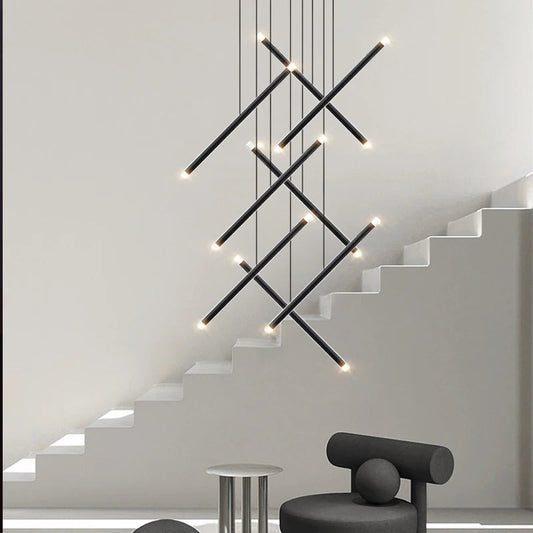
For more help selecting the perfect foyer lighting, visit our foyer lighting collection.
Frequently Asked Questions
What are the best LED bulbs for foyer?
The best LED bulbs for foyer follow 5 critical specifications: (1) Color temperature 2700K-3000K warm white for welcoming residential atmosphere. (2) CRI 90+ rating for accurate color rendering of foyer artwork, paint, and flooring. (3) Dimmable specification with matching LED-rated dimmer switch for atmospheric flexibility. (4) Correct US base type — E26 medium for most foyer pendants; E12 candelabra for most decorative chandeliers; G9 bi-pin for some modern chandeliers. (5) Appropriate lumens — 800-1,000 lumens per bulb for typical foyer applications; multi-bulb chandeliers total 2,000-10,000+ lumens. LED bulb advantages for foyer: 75-85% less electricity than incandescent equivalents; 15,000-25,000+ hour lifespan reducing replacement frequency; minimal heat generation (safer in enclosed fixtures); Edison-style filament options for vintage aesthetic; smart LED options for voice control and scene presets; tunable white LED options for circadian-friendly lighting. Wattage equivalents: 4-5W LED = 40W incandescent (400-500 lumens); 6-9W LED = 60W incandescent (800-1,000 lumens); 10-13W LED = 75W incandescent (1,100-1,400 lumens). Energy savings: 9-bulb foyer chandelier converted from 60W incandescent to 9W LED saves $150-250/year electricity. Browse our foyer lighting collection.
What is the best light bulb for hallway?
The best light bulb for hallway is LED at 2700K-3000K warm white with CRI 90+ — same specifications as foyer applications with additional considerations for narrow space dynamics: (1) LED bulbs preferred: 75-85% less electricity than incandescent; 15,000-25,000+ hour lifespan; minimal heat output. (2) Color temperature 2700K-3000K warm white: welcoming residential atmosphere consistent with foyer and adjacent rooms. (3) CRI 90+ specification: hallway artwork, wall paint colors, flooring all benefit from accurate color rendering. (4) 800-1,200 lumens per fixture: adequate hallway illumination for safe transit + welcoming atmosphere. (5) Dimmable specification: bright daytime + soft evening + dim late-night flexibility. (6) Common hallway bulb wattages: 40-60W incandescent equivalent (LED 4-9W actual). Hallway-specific considerations: (1) Motion-activated smart bulbs: substantial energy savings — only activate when transit detected. (2) Smart bulb scheduling: automatic dim during sleeping hours. (3) Low-ceiling hallway fixtures: flush mount fixtures often require A19 or BR30 LED bulbs. (4) Hallway wall sconces: typically E12 candelabra base; 25-40W incandescent equivalent (LED 2.5-5W actual). Color temperature consistency critical: mixed Kelvin between hallway and adjacent rooms creates atmospheric disconnection. Maintain 2700K-3000K throughout connected residential spaces.
What is the best light bulb for entryway?
The best light bulb for entryway is LED at 2700K-3000K warm white with CRI 90+ for welcoming first impression atmosphere: (1) LED at 2700K-3000K warm white: optimal entryway specification. Welcoming residential atmosphere + 75-85% energy savings + 15,000-25,000+ hour longevity. (2) CRI 90+ critical: wall art, accent paint, decorative elements, flooring all benefit from accurate color rendering — particularly important for entry where guests form first impressions. (3) Lumens output by entryway size: small entryway (under 30 sq ft) 800-1,500 lumens; medium entryway (30-60 sq ft) 1,500-3,000 lumens; substantial two-story entryway 4,000-10,000+ lumens. (4) Dimmable LED + LED-rated dimmer switch: atmospheric flexibility — bright welcome arrival + soft evening + dim late-night. (5) Smart LED option: geofencing-triggered "Welcome Home" scene activates automatically when arrival detected. Entryway chandelier bulb specifications: E12 candelabra base; 25-60W incandescent equivalent (LED 2.5-7W actual); 2700K-3000K warm white. Entryway pendant bulb specifications: E26 medium base; 40-60W incandescent equivalent (LED 4-9W actual); 2700K-3000K. Edison-style LED filament option: vintage filament appearance with LED efficiency — suited to traditional entryway aesthetic. What to avoid: cool 4000K+ in entryway creates institutional clinical feel. Substantial two-story foyer entryway: 9-21+ bulb chandeliers; LED conversion saves $200-500/year. Browse our foyer lighting collection.
What are the best foyer chandelier bulb types?
Foyer chandelier bulb types depend on socket size and aesthetic: (1) E12 candelabra base bulbs (most common foyer chandeliers): B11 torpedo shape, BA flame shape, CA candle shape; 25-60W incandescent equivalent (LED 2.5-7W actual); 2700K warm white; dimmable specification. (2) E26 medium base bulbs: A19 standard, A21 large, BR30 flood; 40-60W incandescent equivalent (LED 4-9W actual); 2700K-3000K warm white; common in modern chandeliers and pendants. (3) G9 bi-pin base bulbs: small capsule shape; 20-40W halogen equivalent (LED 2-5W actual); common in modern designer chandeliers. (4) LED-integrated chandeliers: built-in LED arrays not replaceable; entire fixture replaced when LED fails (typically 50,000+ hour rated). By chandelier style: (1) Crystal chandelier (traditional): E12 candelabra with decorative bulb shapes. (2) Modern bubble chandelier: E12 candelabra OR G9 bi-pin. (3) Modern sphere chandelier: E26 medium. (4) Industrial cage chandelier: E26 medium with Edison-style filament LED preferred. (5) Drum shade chandelier: E26 medium OR E12 candelabra. (6) Linear sputnik chandelier: G9 bi-pin OR LED-integrated. Critical specifications: (1) Match bulb count to chandelier sockets. (2) Same color temperature across all bulbs. (3) Same brand recommended for color tone consistency. (4) Don't exceed maximum wattage rating. (5) Dimmable LED across all sockets for consistent dimming. Browse our foyer chandeliers collection.
What color light is best for foyer?
Best color temperature for foyer is 2700K-3000K warm white — welcoming residential atmosphere matching incandescent traditional warmth and flattering skin tones for guest first impressions. Specific recommendations: (1) 2700K classic warm white: most traditional foyer color temperature; matches incandescent legacy bulbs; best for traditional and transitional foyers. (2) 3000K modern warm white: slightly cooler; works well with modern minimalist foyers featuring white walls and clean architectural detailing. (3) 3500K neutral warm: acceptable when foyer connects directly to kitchen with brighter task lighting; maintains atmospheric coordination. What to avoid: (1) Cool 4000K+ in residential foyer: creates institutional clinical feel incompatible with welcoming home entry. Reserve cool color temperatures for kitchen task lighting, garages, workshops. (2) Very warm 2200K-2400K (candlelight): too warm for primary foyer lighting; use as accent only. (3) Mixed color temperatures across foyer fixtures: creates atmospheric disconnection; maintain consistent Kelvin across chandelier + sconces + accent lights. CRI 90+ critical for accurate color rendering: even correct color temperature LEDs at low CRI (75-80) render foyer artwork colors poorly. Specify CRI 90+ ($4-8 per bulb premium) for substantial accurate color rendering. Tunable white smart bulbs: premium smart bulbs offer adjustable color temperature throughout day — warmer evening (2700K), cooler morning (3000K-3500K) for circadian-friendly foyer transitions.
What kind of light is best for entryway?
Best light for entryway combines specific fixture style + LED bulb specifications + layered lighting approach: Primary statement fixture: substantial chandelier (substantial entryways) or pendant (medium entryways) or flush mount (low ceiling entryways). Sized using L+W formula (chandelier diameter inches = room length ft + room width ft). Bulb specifications: LED at 2700K-3000K warm white; CRI 90+ for accurate color rendering; dimmable for atmospheric flexibility; appropriate lumens for entryway size (30-40 lumens per sq ft total). Layered lighting for substantial entryways: primary chandelier (ambient) + wall sconces (architectural accent) + accent table lamp (task lighting on entry console table) + recessed lighting (supplementary fill). Style direction: (1) Modern entryway: clean sphere or linear chandelier; brushed nickel or matte black finish; 3000K LED. (2) Traditional entryway: crystal chandelier; aged brass or polished brass finish; 2700K LED. (3) Farmhouse entryway: lantern style chandelier; blackened metal finish; Edison-style LED filament bulbs. (4) Industrial entryway: cage chandelier; matte black finish; Edison-style LED. (5) Coastal entryway: rattan pendant or chandelier; natural materials; 2700K LED. Substantial two-story foyer entryway: multi-tier chandelier filling vertical space; substantial bulb count (9-21+); LED conversion saves substantial electricity costs. Specifications for substantial entryway impact: total lumens 4,000-10,000+; dimmable for atmospheric flexibility; smart LED for "Welcome Home" geofencing scenes. Browse our foyer lighting collection.
What is the difference between E26 and E12 bulb bases?
E26 and E12 are different US bulb base sizes for different fixture types: E26 medium base: (1) Diameter: 26 mm (1.02 inches). (2) Common use: most foyer pendants, recessed lighting, table lamps, substantial chandeliers, table/floor lamps. (3) Typical wattage: 40-100W incandescent equivalent (LED 4-13W actual). (4) Common bulb shapes: A19 standard household, A21 larger, BR30/BR40 flood, PAR20/PAR30 reflector. (5) This is the US standard medium base — most common across residential lighting. E12 candelabra base: (1) Diameter: 12 mm (0.47 inches). (2) Common use: decorative chandeliers (especially crystal chandeliers), ceiling fan light kits, wall sconces, decorative pendants. (3) Typical wattage: 25-60W incandescent equivalent (LED 2.5-7W actual). (4) Common bulb shapes: B11 torpedo, BA flame, CA candle, G16.5 globe. (5) Designed for decorative aesthetic — smaller socket accommodates elegant decorative bulb shapes. How to identify your base type: (1) Check fixture documentation. (2) Measure base diameter (E26 = 26mm; E12 = 12mm). (3) Compare to old bulb if replacing. (4) Consult manufacturer if uncertain. Don't force wrong base into socket: damages both bulb and socket. Base adapters available as temporary solution but not recommended for permanent installation. European bulb base differences: European E27 and E14 differ slightly from US E26 and E12 — don't import European bulbs to US homes. Common base type considerations for foyer: (1) Most decorative crystal chandeliers use E12 candelabra. (2) Most modern sphere/linear chandeliers use E26 medium. (3) Some designer chandeliers use G9 bi-pin or specialty bases.
Are LED bulbs good for chandeliers?
Yes — LED bulbs are excellent for chandeliers, delivering substantial benefits over traditional incandescent: LED chandelier advantages: (1) Substantial energy savings: 75-85% less electricity than incandescent equivalents. 9-bulb chandelier from 60W incandescent to 9W LED saves $150-250/year. (2) Substantial longevity: 15,000-25,000+ hour lifespan vs 750-2,000 hours for incandescent — eliminates frequent replacement (particularly important for high ceiling chandeliers requiring ladder access). (3) Minimal heat generation: safer in enclosed chandelier sockets; reduces fire risk; doesn't damage crystal or decorative elements. (4) Accurate color rendering: CRI 90+ LED bulbs deliver dimensional crystal sparkle and accurate finish appearance. (5) Dimmable specifications available: dimmable LED + LED-rated dimmer switch enables atmospheric flexibility. (6) Edison-style filament LED option: vintage incandescent aesthetic with LED efficiency. Critical specifications for chandelier LED conversion: (1) Verify base type: E12 candelabra for most decorative chandeliers; E26 medium for modern chandeliers; G9 bi-pin for some designer chandeliers. (2) Match decorative bulb shape: B11 torpedo, BA flame, CA candle for traditional chandeliers; A19 round for modern. (3) 2700K-3000K warm white: maintains incandescent-like warmth. (4) CRI 90+ specification: critical for crystal chandelier accurate sparkle. (5) Dimmable LED: all bulbs in chandelier should be dimmable if using dimmer switch. (6) Don't exceed maximum wattage rating: each socket has wattage limit. (7) Same brand recommended: color tone consistency across all bulbs. What to verify before purchase: dimmer compatibility (LED-rated dimmer switch required); CRI specification on packaging; color temperature; lumens output; manufacturer rating.
Are smart bulbs worth it for foyer?
Smart bulbs are worth it for foyer applications in tech-integrated homes valuing convenience, scene presets, and remote control. Standard LED bulbs deliver excellent foyer lighting at lower cost for homes without smart integration needs. Smart bulb advantages for foyer: (1) Scene presets: "Welcome Home" full brightness 2700K activates when arrival detected; "Late Night" 10% dim warm for safe transit. (2) Voice control: "Hey Alexa, foyer lights to 50%" — convenient hands-free operation. (3) Geofencing activation: smartphone proximity triggers welcome lighting automatically. (4) Scheduled automation: foyer lights activate sunset; deactivate sunrise. (5) Vacation mode: random activation simulating occupancy for security. (6) Tunable white: adjust color temperature throughout day for circadian-friendly transitions. (7) RGB color-changing: holiday accents, party lighting, special occasion ambiance. (8) Remote control: control foyer lights when away from home. (9) Integration with smart home systems: Alexa, Google Assistant, HomeKit. Smart bulb investment: $15-40 per bulb vs $3-12 for standard LED. 9-bulb foyer chandelier smart conversion = $135-360 vs $27-108 standard LED. When smart bulbs are worth it: (1) Existing smart home ecosystem (Alexa, Google, HomeKit). (2) Want voice control + scene presets. (3) Tech-savvy household members willing to maintain smart bulb apps. (4) Substantial entryway with frequent guest entertainment. When standard LED is sufficient: (1) No smart home integration desired. (2) Cost-conscious foyer lighting upgrade. (3) Simple atmospheric flexibility achieved through standard dimmer + dimmable LED. (4) Older household members preferring physical switches. Smart bulb categories: WiFi-direct (no hub needed); hub-required (more reliability); Bluetooth-only (limited range).
How many lumens do I need for foyer?
Foyer lumens requirements scale to space size: (1) Small foyer (under 30 sq ft): 800-1,500 total lumens. Achievable with 3-4 bulb chandelier at 400 lumens each. (2) Medium foyer (30-60 sq ft): 1,500-3,000 total lumens. Achievable with 4-6 bulb chandelier at 400-500 lumens each. (3) Large foyer (60-100 sq ft): 3,000-5,000 total lumens. Achievable with 6-9 bulb chandelier at 500-600 lumens each. (4) Substantial two-story foyer (100-200 sq ft): 5,000-10,000+ total lumens. Substantial 9-21+ bulb chandelier + supplementary wall sconces + accent lighting. (5) Substantial estate foyer (200+ sq ft): 10,000-15,000+ total lumens. Multi-tier chandelier + layered wall sconces + recessed lighting + accent fixtures. Lumens formula: foyer requires 30-40 lumens per square foot total ambient illumination. Multiply foyer square footage by 35 for estimated total lumens target. Layered lumens distribution: primary chandelier (60-70% of total lumens) + wall sconces (20-30%) + accent lighting (10%) delivers welcoming dimensional foyer illumination. Dimmable specification critical: bright welcome arrival needs full lumens; soft evening needs 50-70% brightness; ambient late-night needs 20-40% brightness. Always specify dimmable LED + LED-rated dimmer. Lumens by LED wattage: 3W LED ≈ 200-300 lumens (25W incandescent equiv); 5W LED ≈ 400-500 lumens (40W); 9W LED ≈ 800-1,000 lumens (60W); 13W LED ≈ 1,100-1,400 lumens (75W); 17W LED ≈ 1,600-2,000 lumens (100W). Substantial high ceiling foyers: need substantial lumens to illuminate vertical space effectively; multi-bulb substantial chandeliers + supplementary wall sconces.
What are the best types of LED light bulbs for foyer?
The best types of LED light bulbs for foyer applications: (1) Standard A19 LED (E26 medium base): most common foyer bulb type; 4-13W; 400-1,400 lumens; suitable for pendants, recessed lighting, and modern chandeliers. (2) Decorative B11 torpedo LED (E12 candelabra base): most common decorative chandelier bulb; 2.5-7W; 200-500 lumens; suitable for crystal chandeliers and traditional decorative fixtures. (3) Flame-shape BA LED (E12 candelabra base): vintage candelabra aesthetic; 2.5-5W; 200-400 lumens; suitable for traditional crystal chandeliers with candle-style sockets. (4) Edison-style filament LED (E26 or E12 base): vintage filament appearance with LED efficiency; 4-9W; 400-900 lumens; suitable for industrial, farmhouse, and traditional foyers wanting vintage aesthetic. (5) G9 bi-pin LED: small capsule shape; 2-5W; 150-400 lumens; suitable for modern designer chandeliers with G9 sockets. (6) Smart LED bulbs: any base type with WiFi/Bluetooth connectivity; voice control, scene presets, color-changing capability; 15-40 per bulb. (7) Tunable white LED: adjustable 2200K-6500K color temperature throughout day; smart bulb subset. (8) Dimmable LED (essential): required for dimmer switch compatibility; "dimmable" labeled packaging; works with LED-rated dimmer switches. (9) BR30/BR40 LED flood: recessed ceiling lighting in foyer; 9-15W; 700-1,200 lumens; suitable for supplementary foyer illumination. (10) LED-integrated fixtures: built-in LED arrays not replaceable; 50,000+ hour rated; entire fixture replaced when LED fails. Critical specifications across all types: 2700K-3000K warm white color temperature; CRI 90+ for accurate color rendering; dimmable specification; Energy Star certification when available. Browse our foyer lighting collection.
What are some foyer lighting ideas?
Foyer lighting ideas combine fixture selection + bulb specifications + layered design: (1) Statement chandelier as primary fixture: substantial visual focal point. Modern bubble cluster for contemporary luxury; crystal chandelier for traditional luxury; lantern style for farmhouse traditional; industrial cage for modern urban; sphere or linear for modern minimalist. (2) Layered lighting approach: primary chandelier (ambient) + wall sconces (architectural accent) + accent table lamp (task lighting on entry console) + recessed lighting (supplementary fill) creates dimensional welcoming foyer atmosphere. (3) Substantial two-story foyer multi-tier chandelier: substantial vertical space benefits from substantial multi-tier chandelier filling vertical zone effectively. (4) Coordinated wall sconces: paired sconces flanking entry mirror or console table create symmetric architectural lighting. (5) Accent floor lamp: corner floor lamp adds layered illumination + decorative dimensional accent. (6) Smart LED scene presets: "Welcome Home" + "Family Time" + "Late Night" + "Vacation" scenes via smart bulbs. (7) Dimmable specification across all fixtures: atmospheric flexibility from bright welcome arrival to dim ambient evening. (8) Warm metal finish coordination: aged brass, warm gold, copper across all foyer fixtures creates cohesive 2026 trending warm metal aesthetic. (9) Mixed brass + matte black designer combination: most popular 2026 finish strategy creating substantial designer-level intentional contrast. (10) Edison-style LED filament for vintage aesthetic: modern efficiency with classic incandescent visual character. Critical specifications: 2700K-3000K warm white; CRI 90+; dimmable LED; total lumens 30-40 per square foot; coordinated finish family across visible adjacent zones. Browse our foyer lighting collection for substantial foyer lighting inspiration.


