



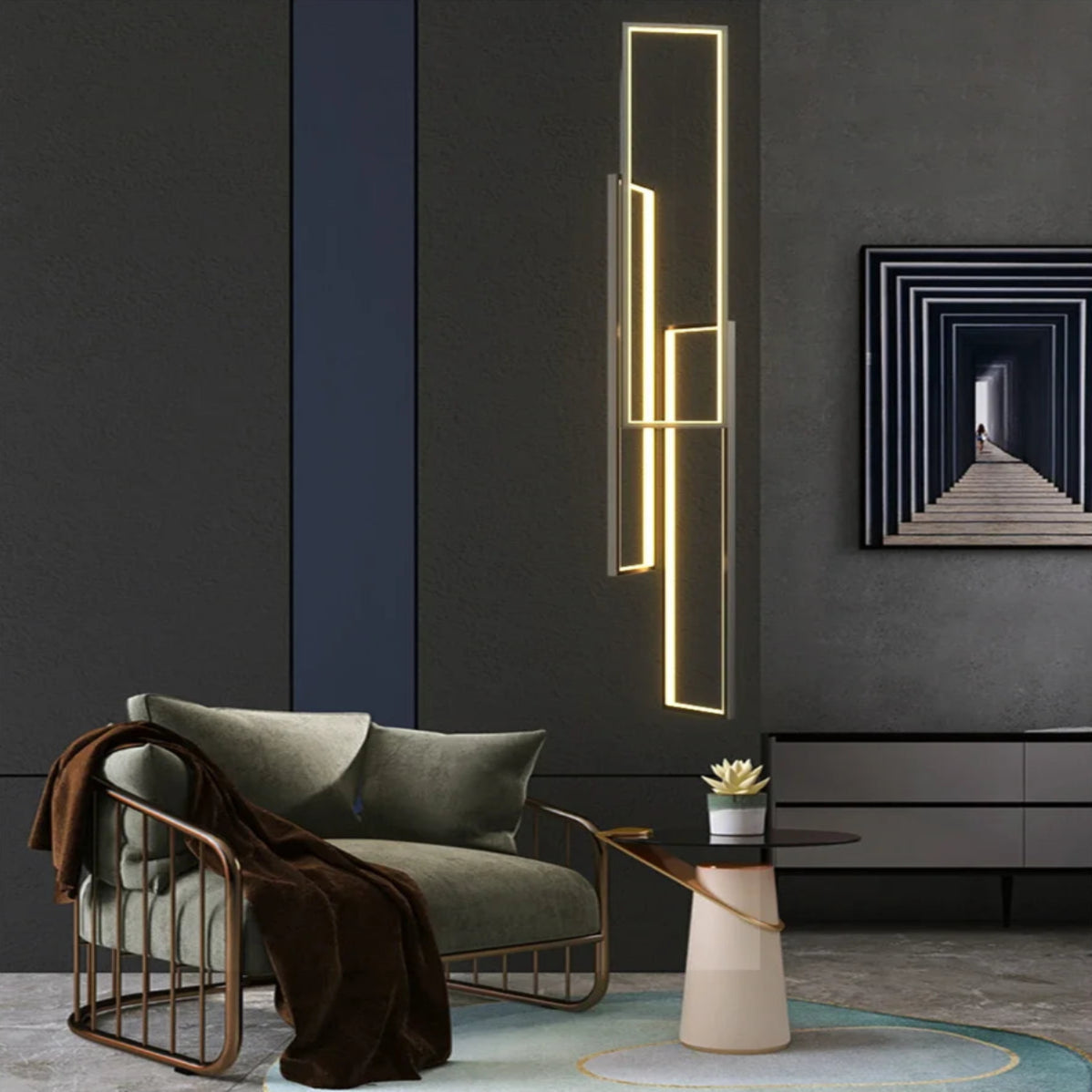
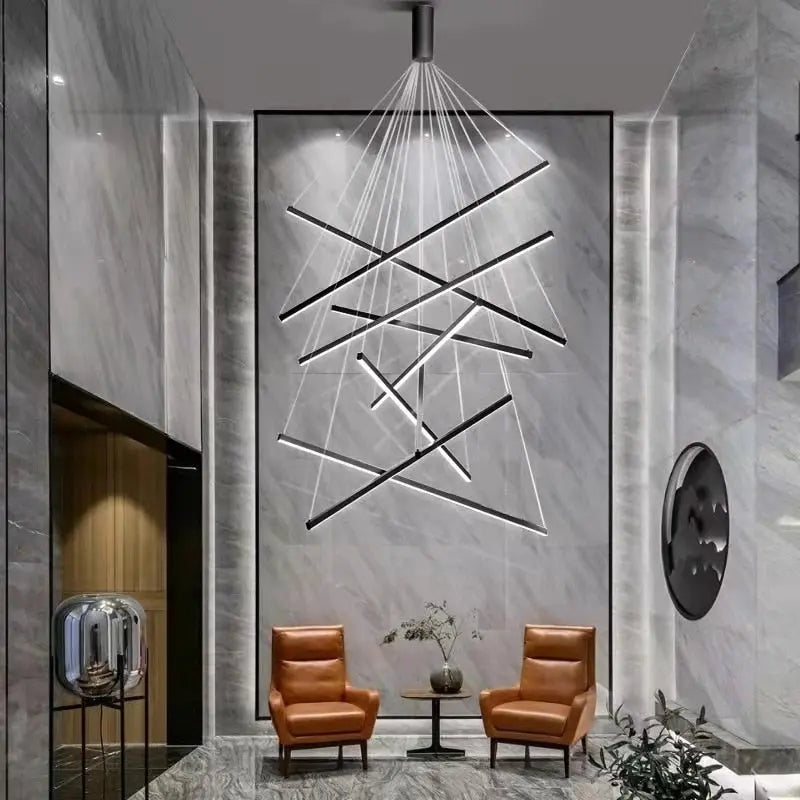
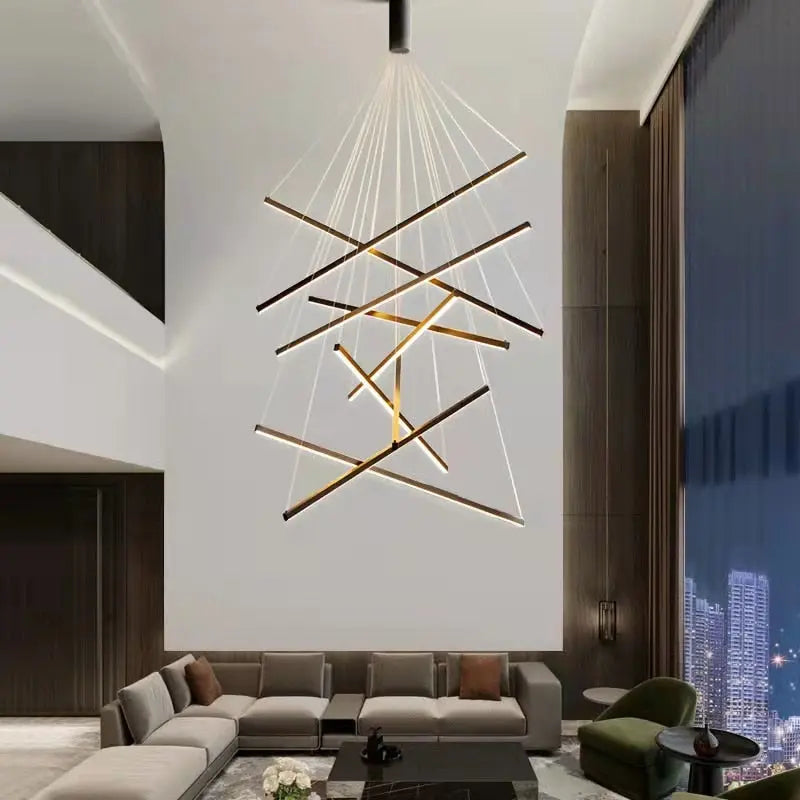
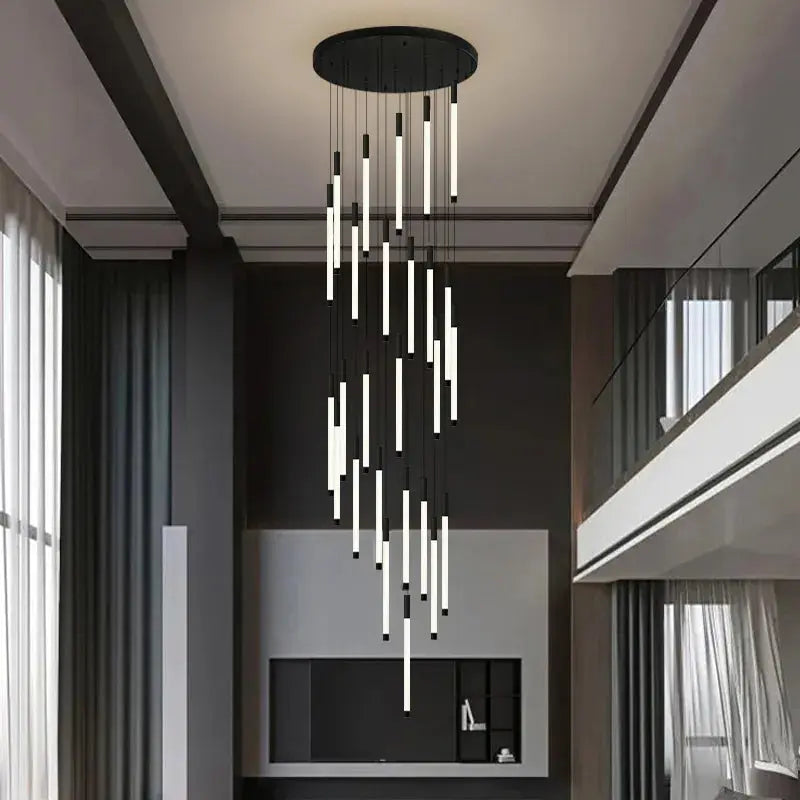
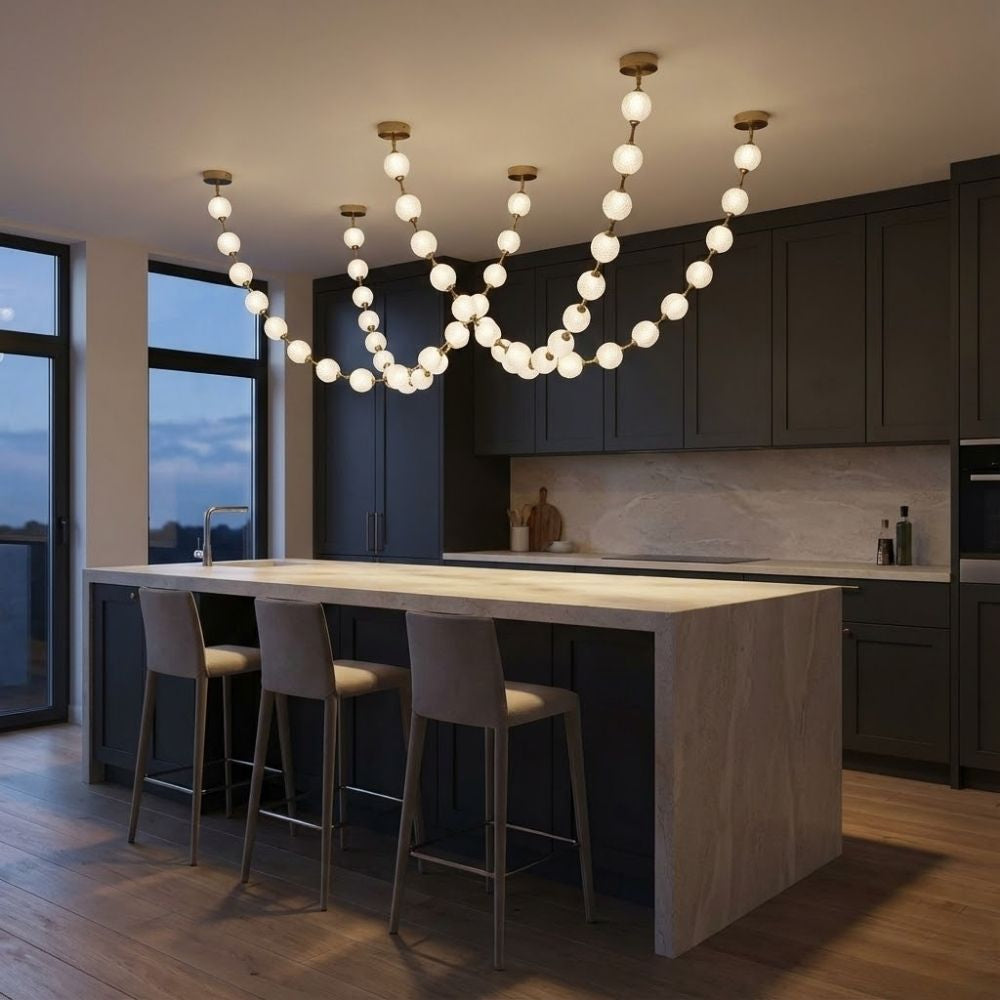
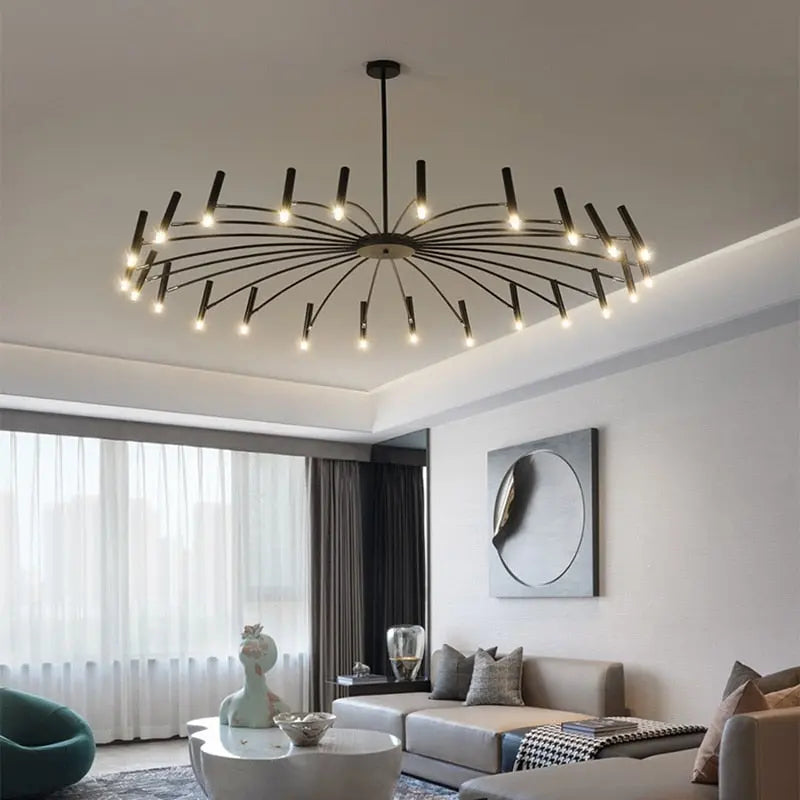
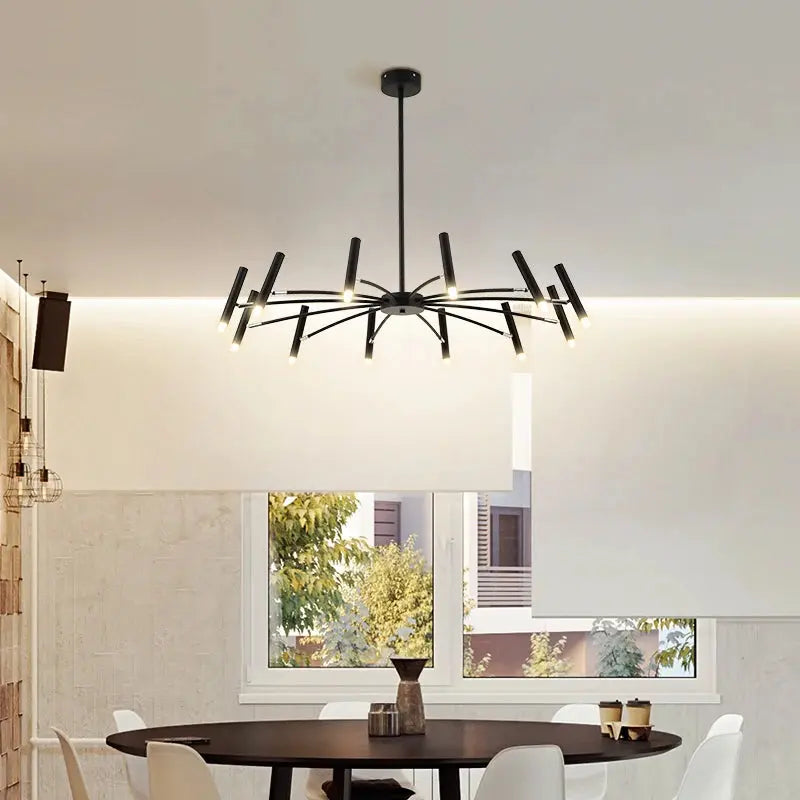
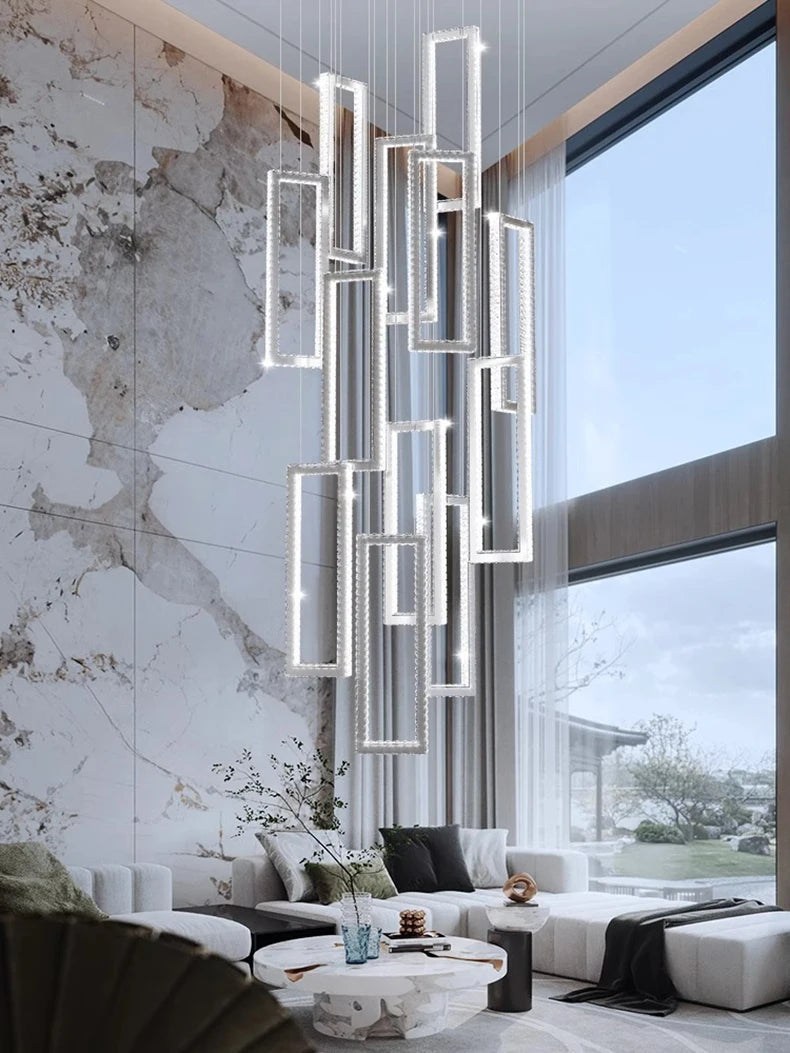


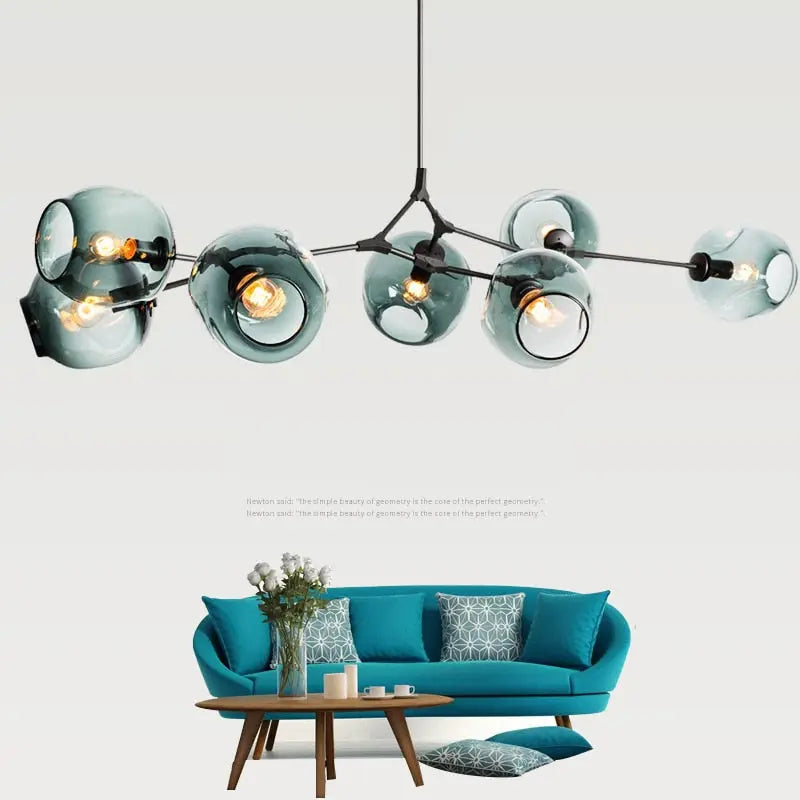
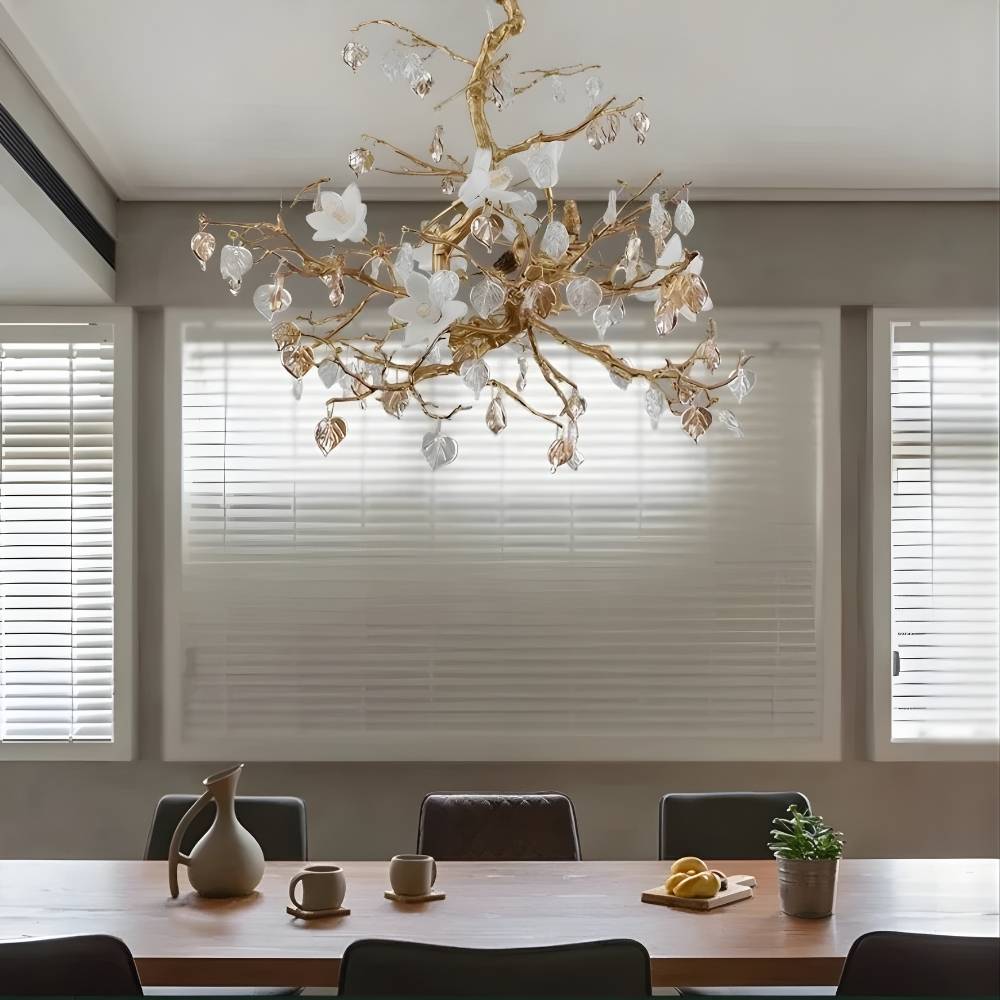
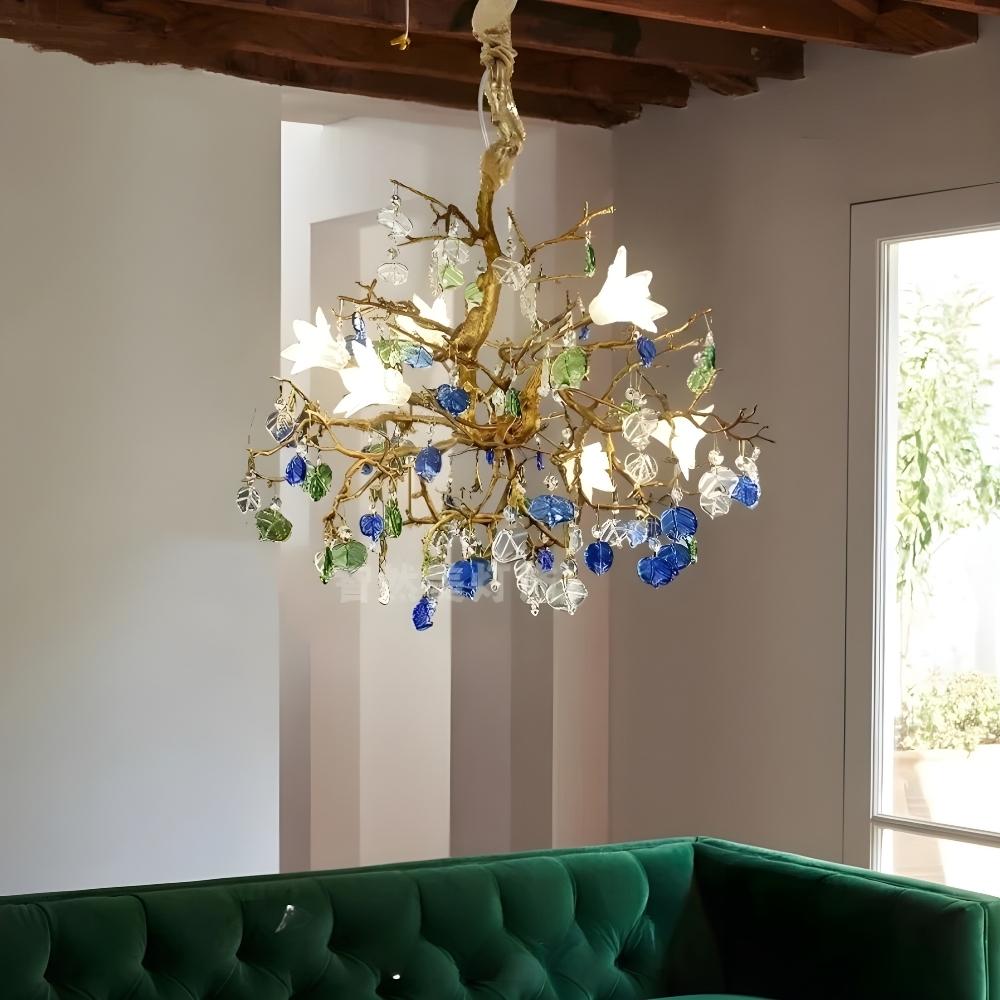
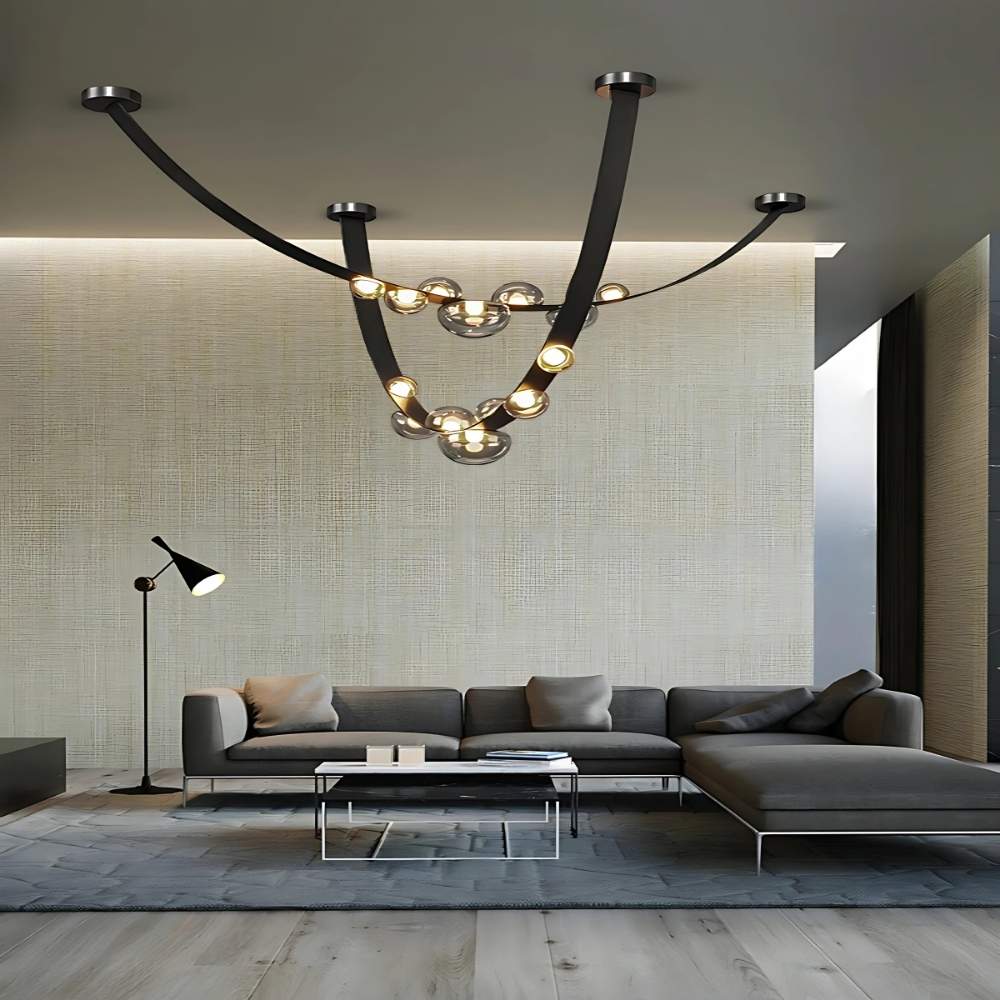
Shop Chandeliers by Room
Different rooms need chandeliers for different reasons. In some spaces, the chandelier acts as the main focal point. In others, it needs to support the room quietly while still giving enough light and decorative presence. That is why it helps to start by room before comparing finishes, bulb types, or price points.
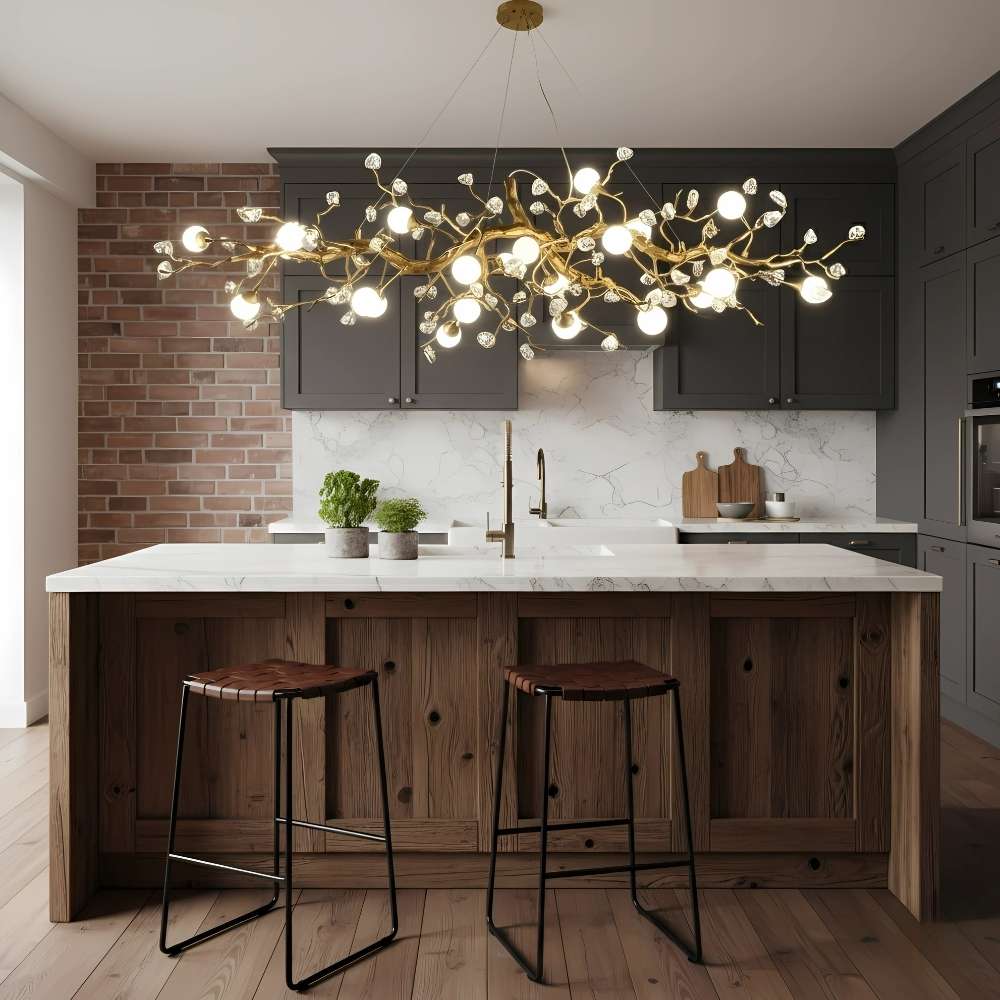
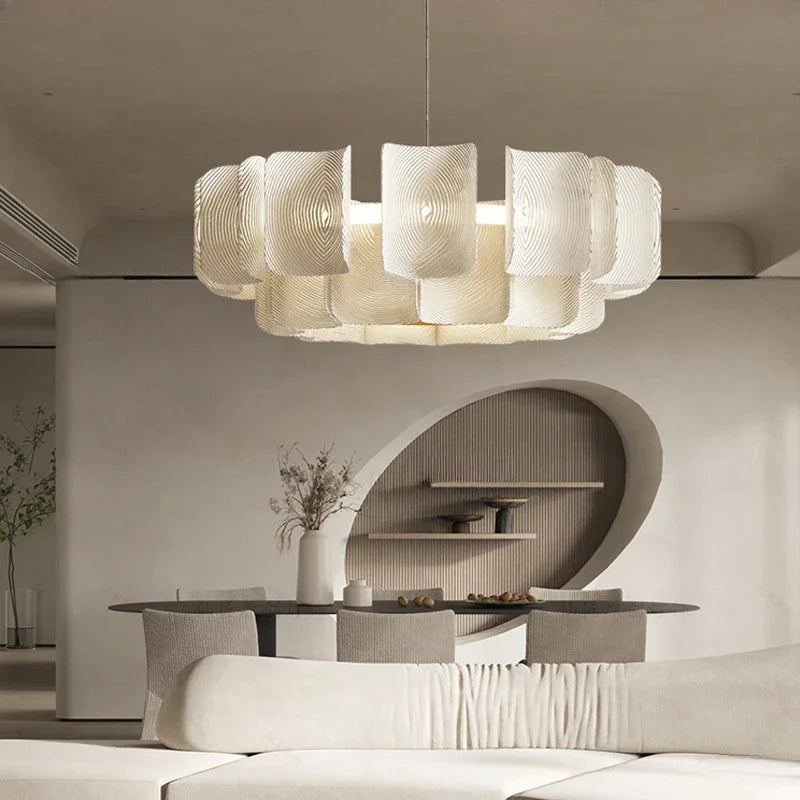
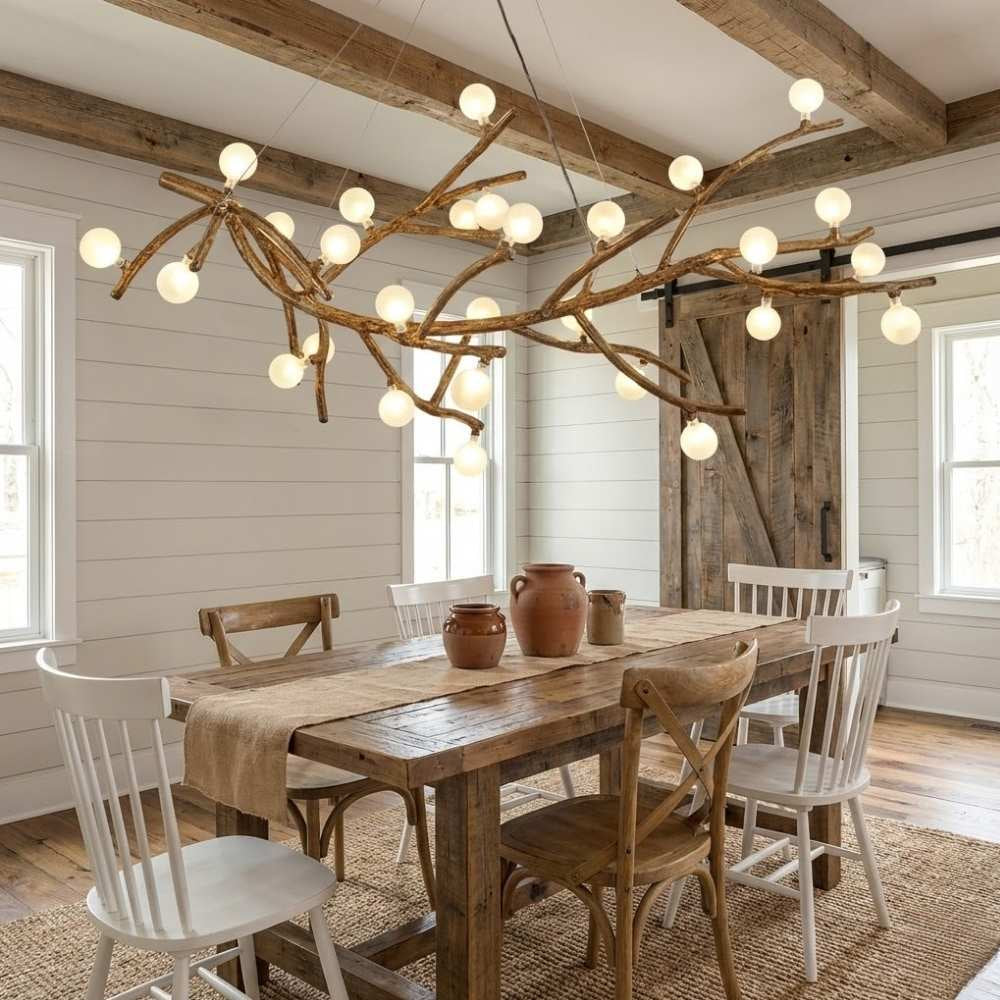
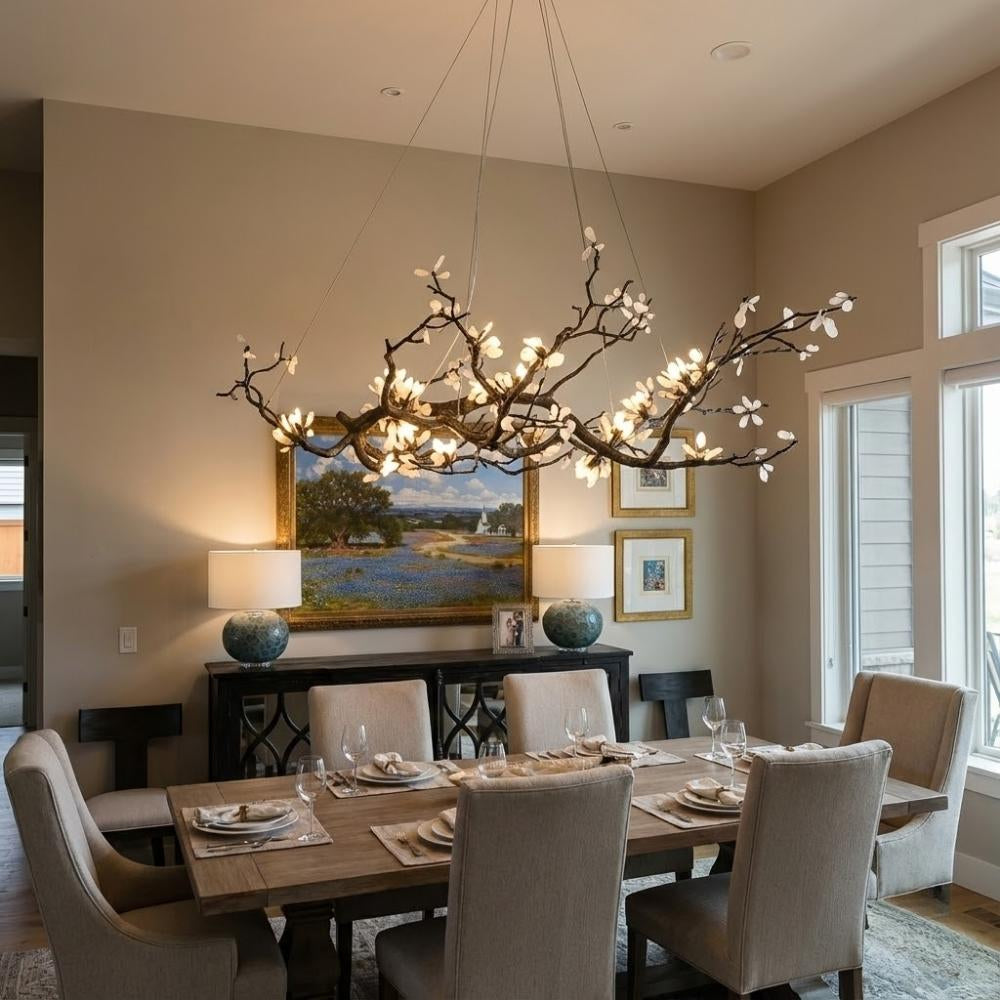
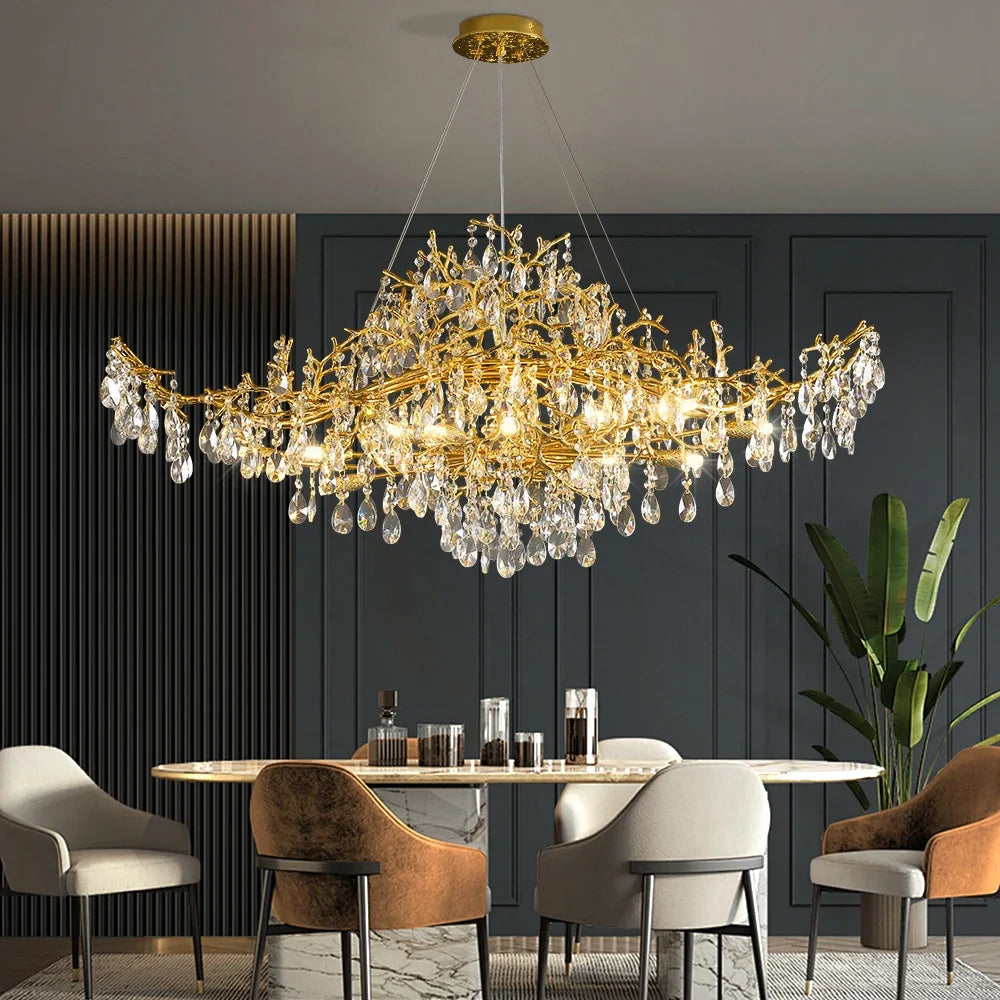
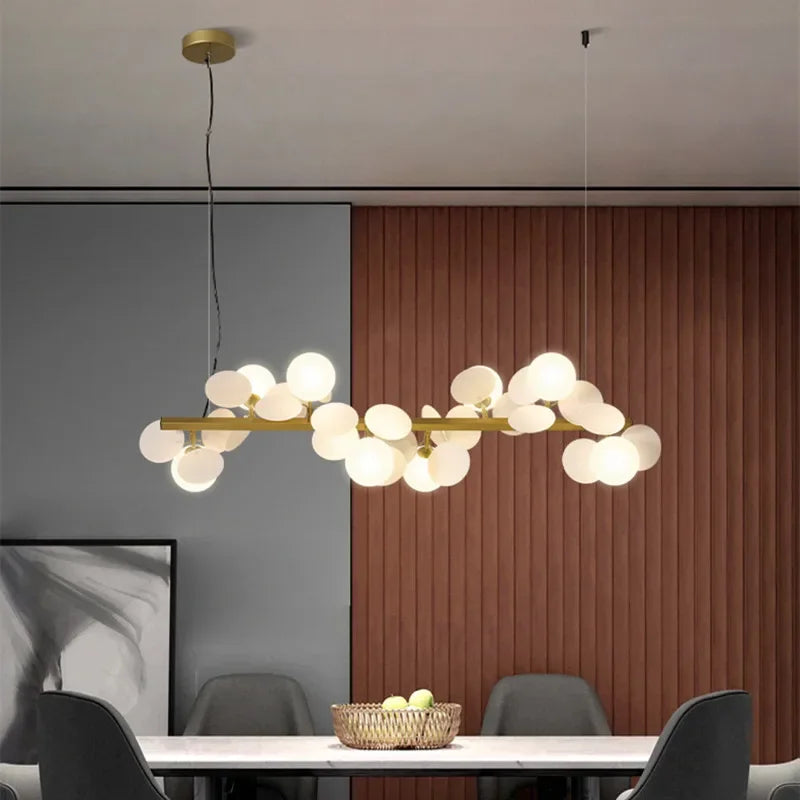
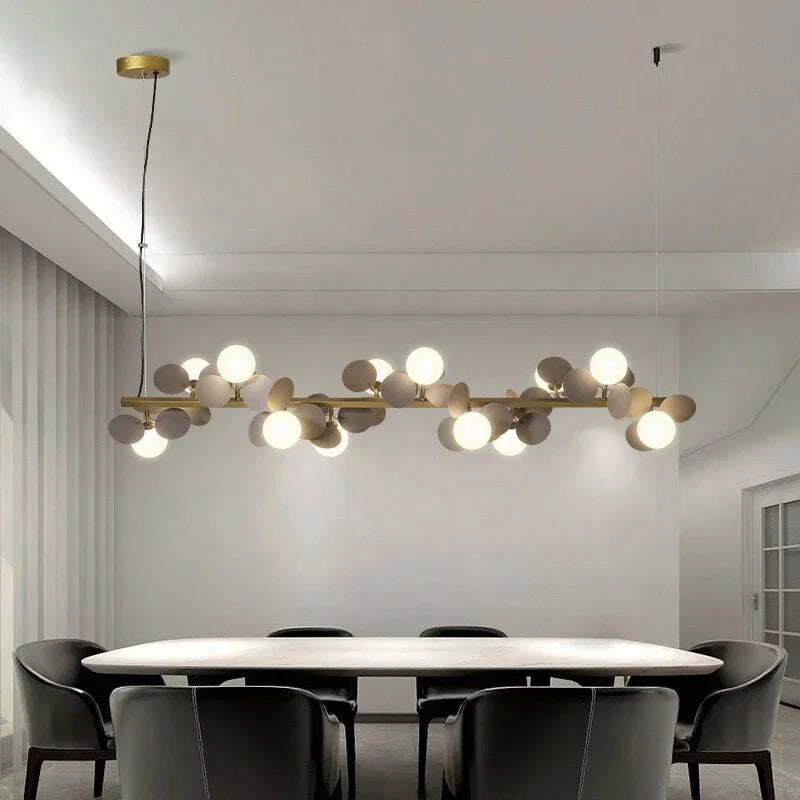
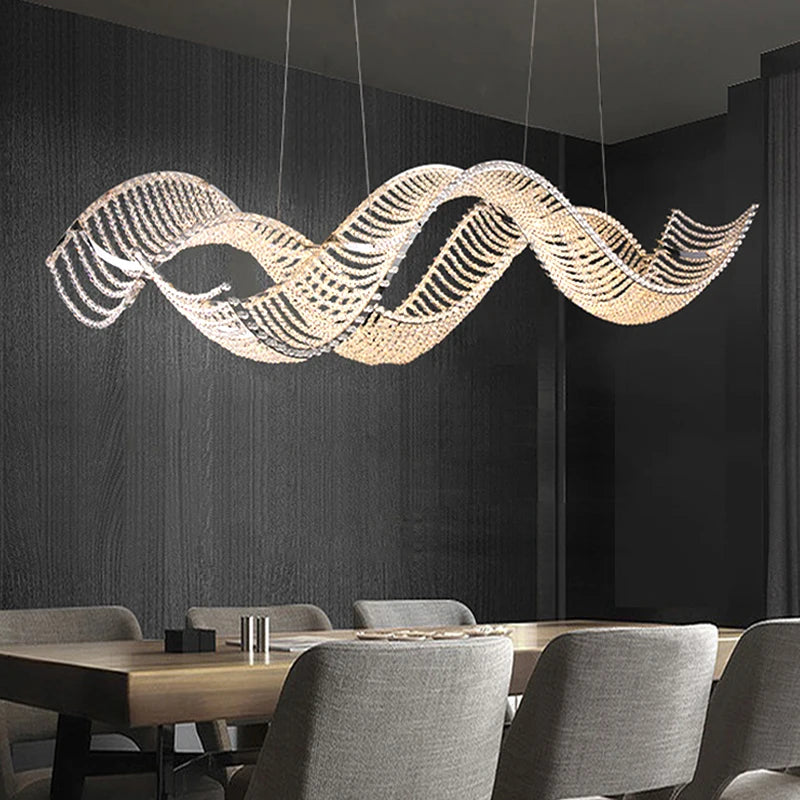
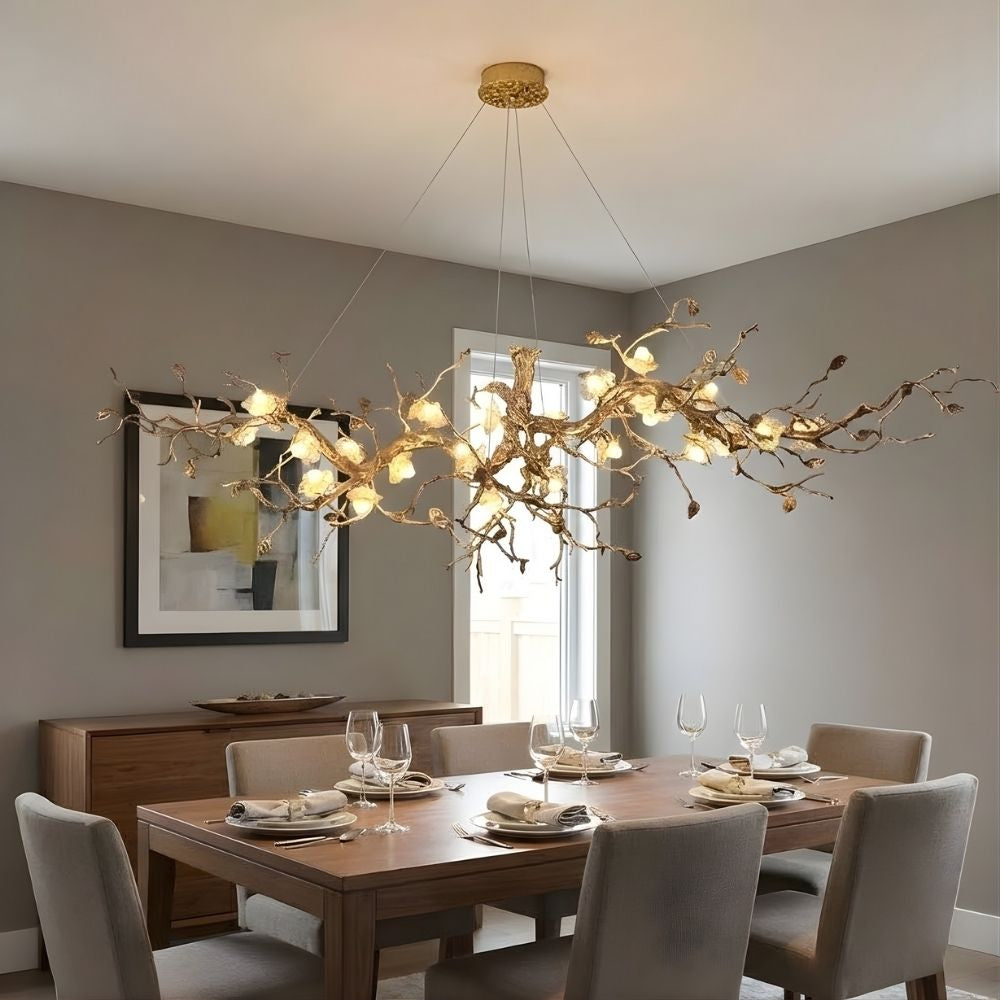
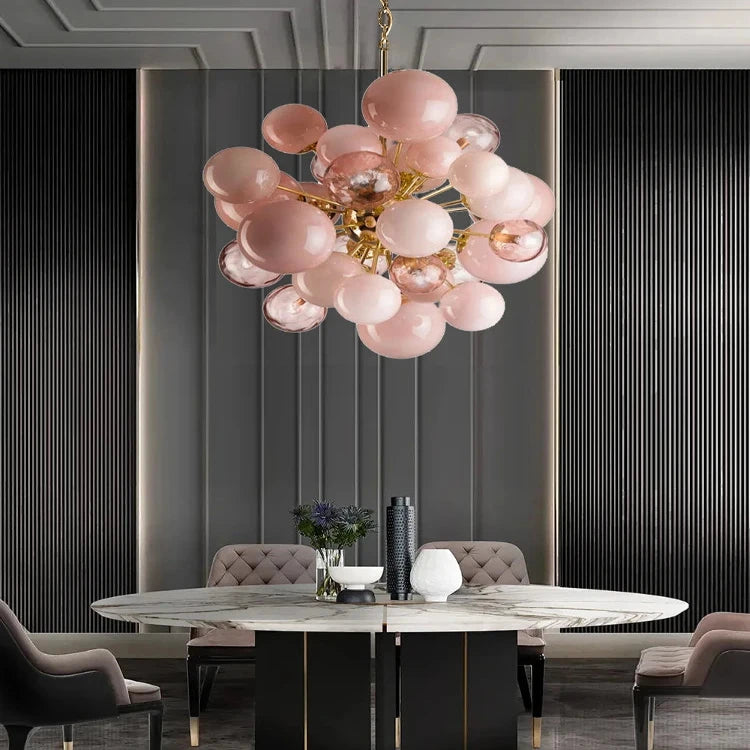
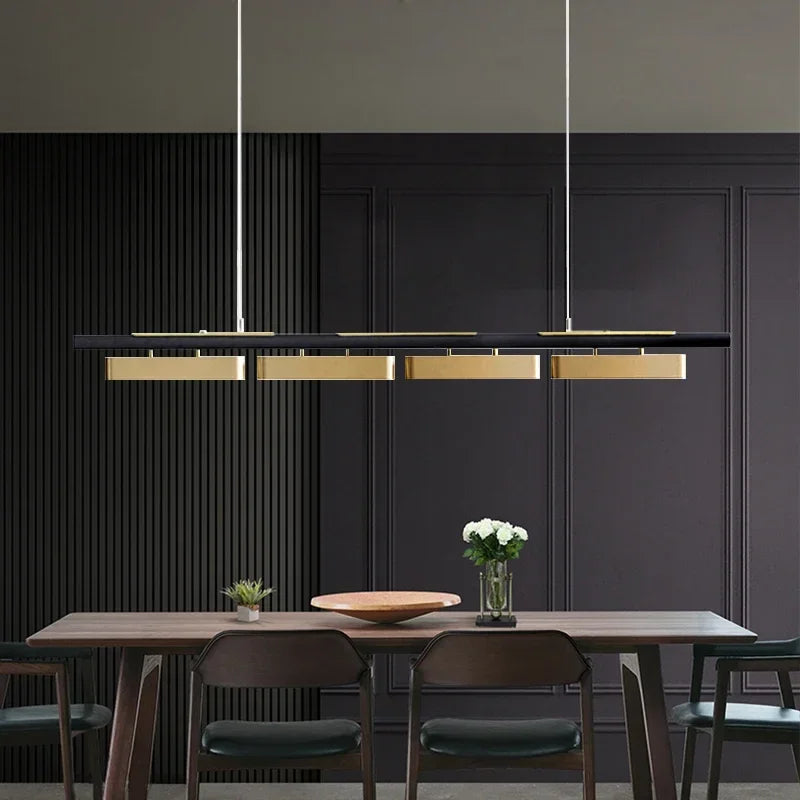
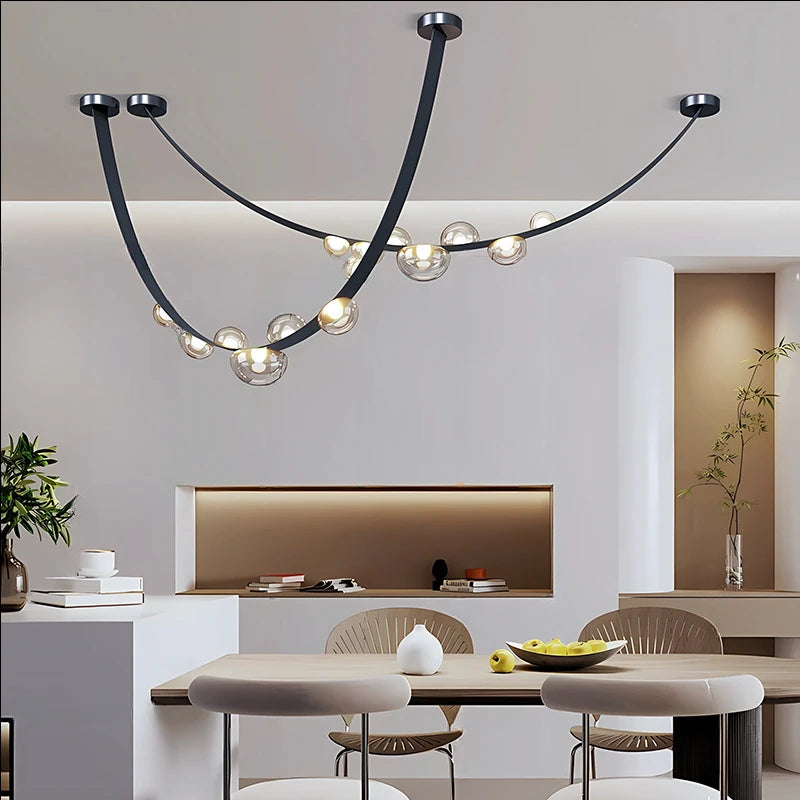
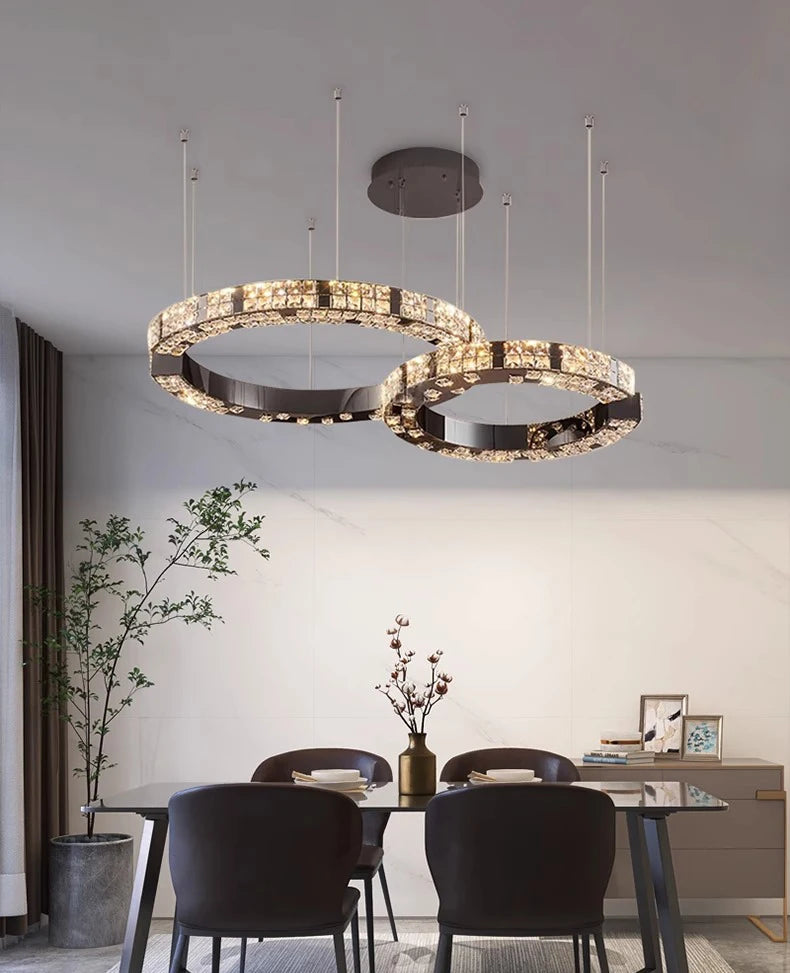
If your chandelier will hang over a dining table, start with dining room lighting. Dining fixtures usually need to relate to the table shape, table width, and the amount of open space around the seating area. Over a long rectangular table, a linear or rectangular chandelier often makes more sense. Over a round table, a centered round or globe-like fixture can feel more natural.
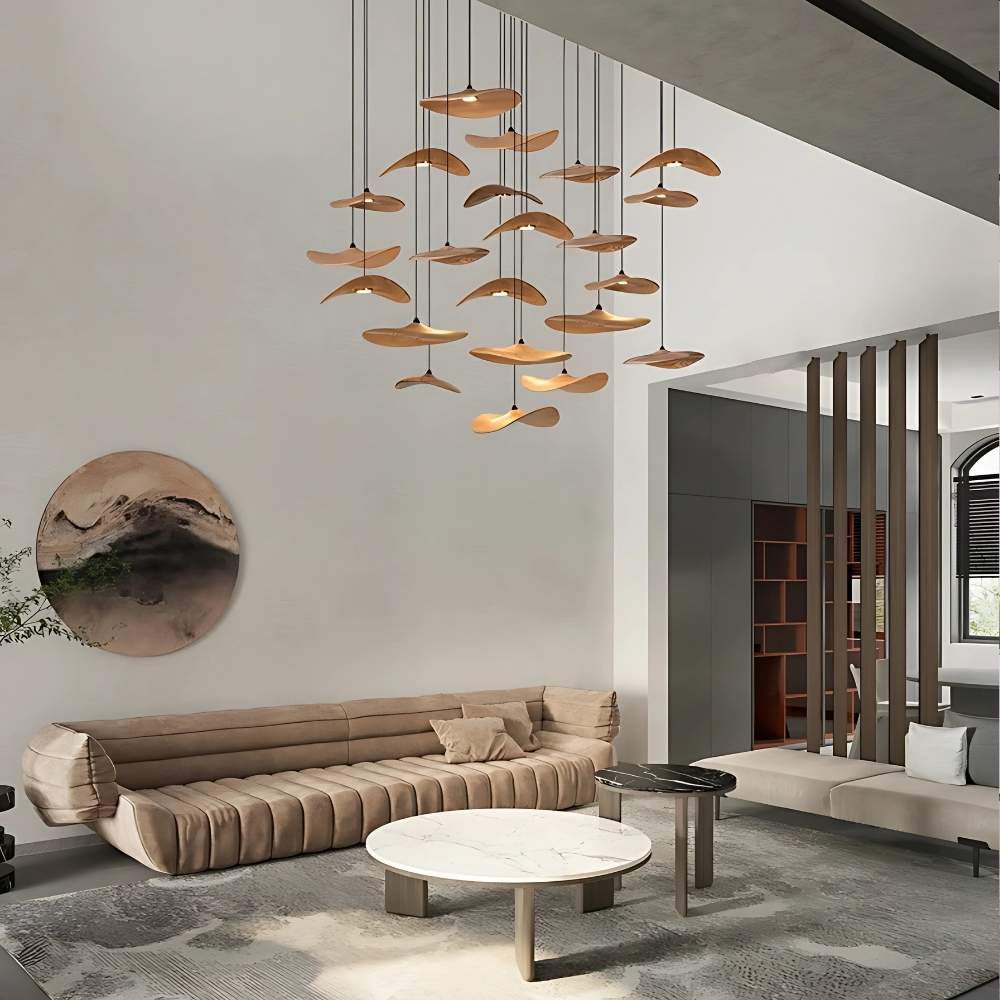
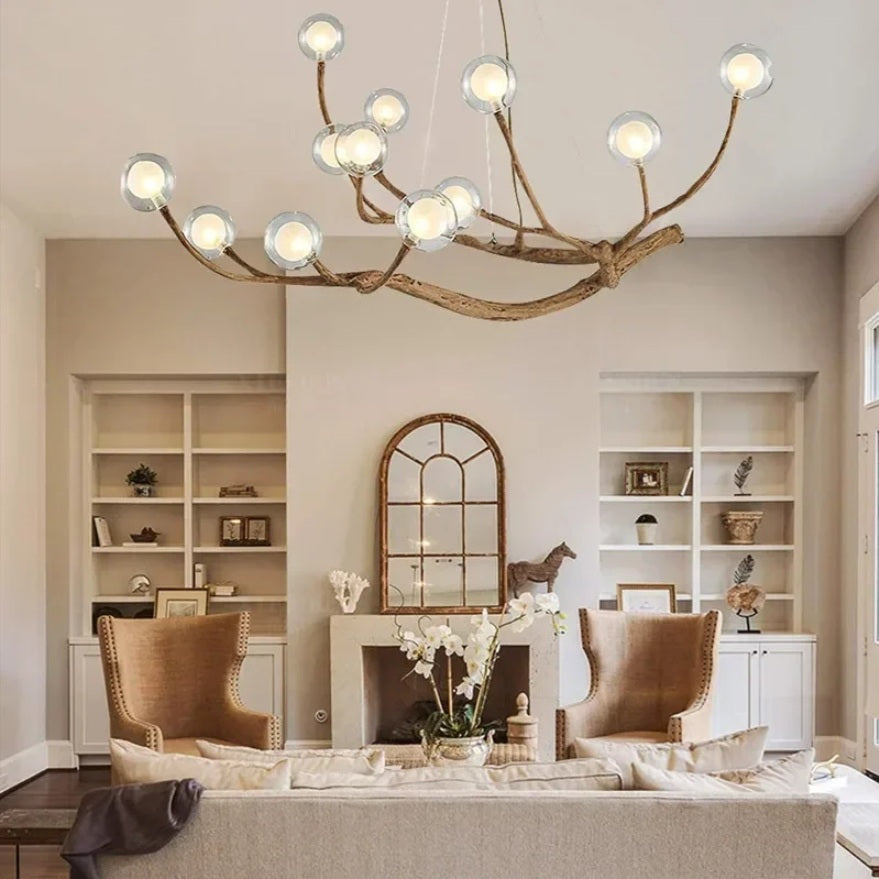
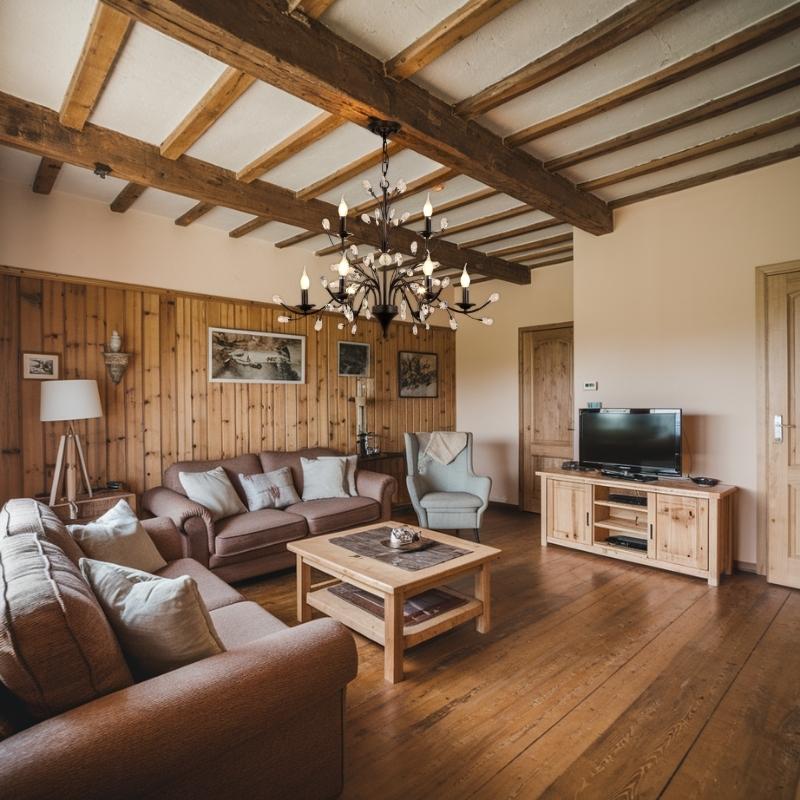
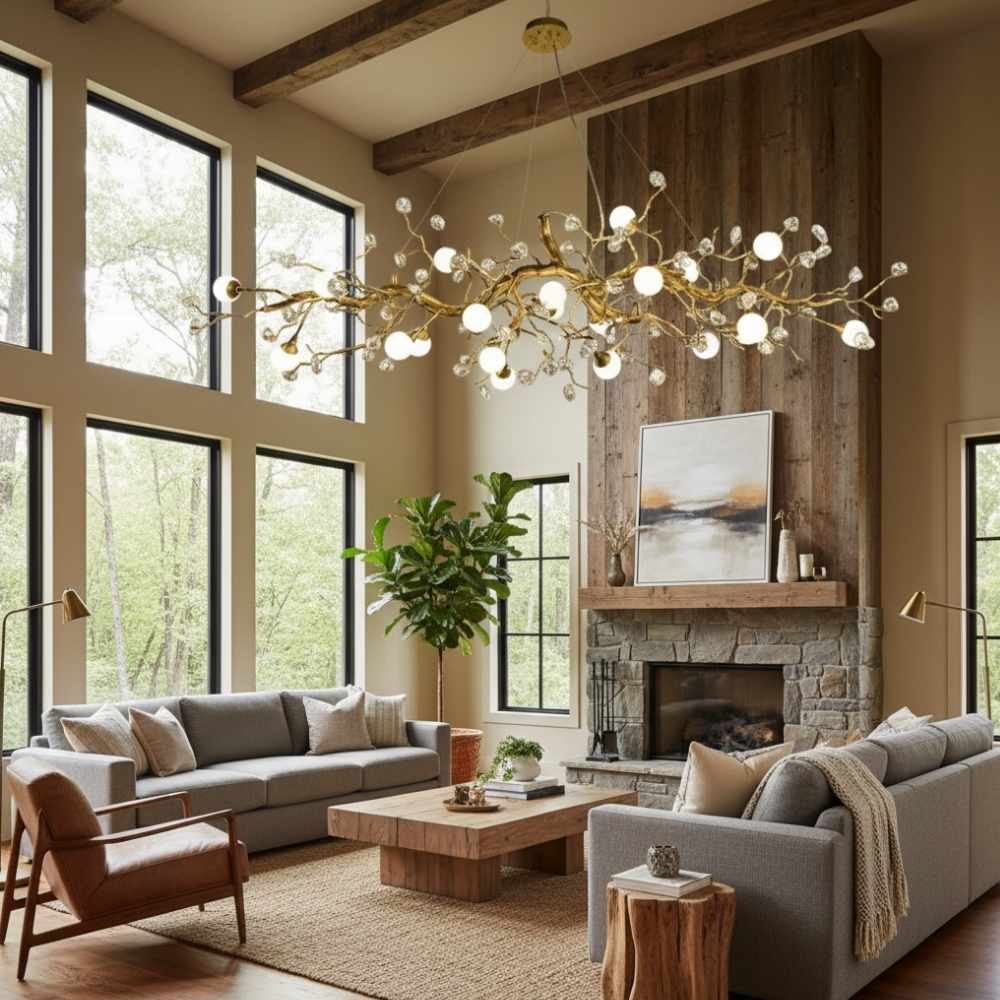
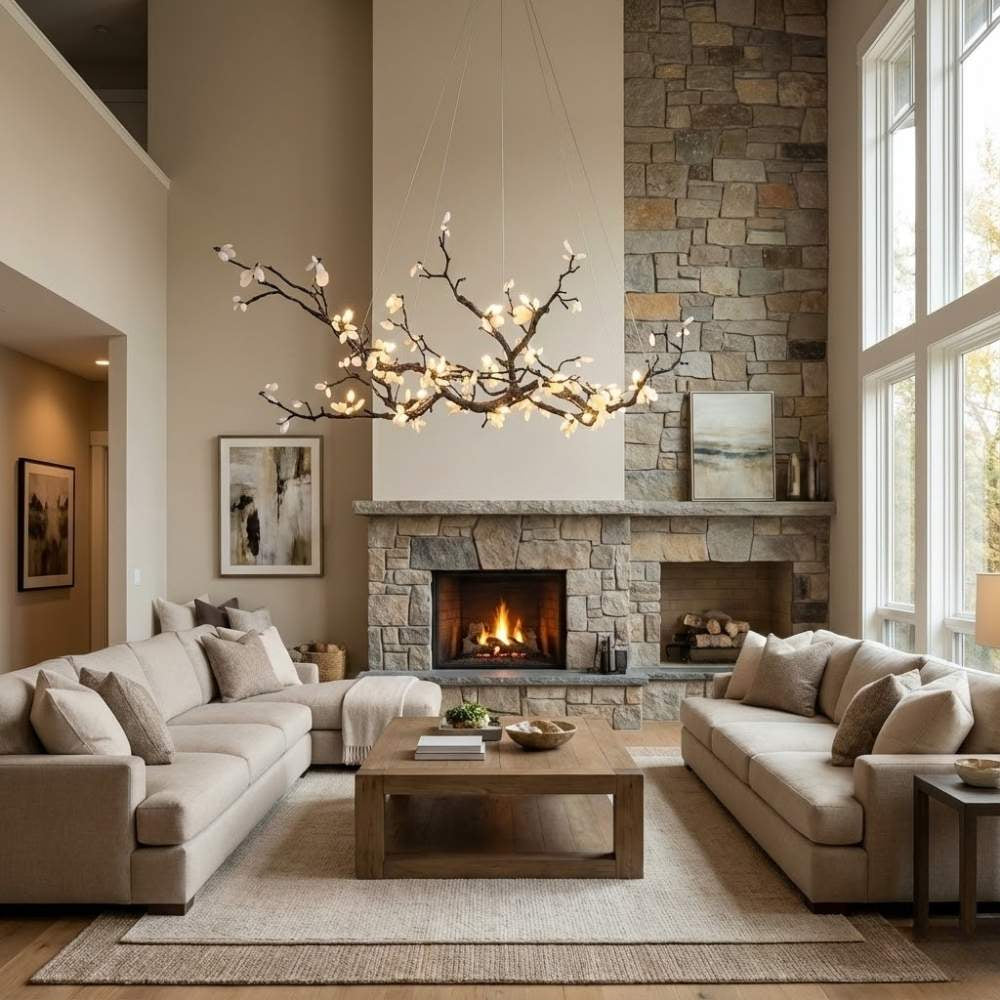
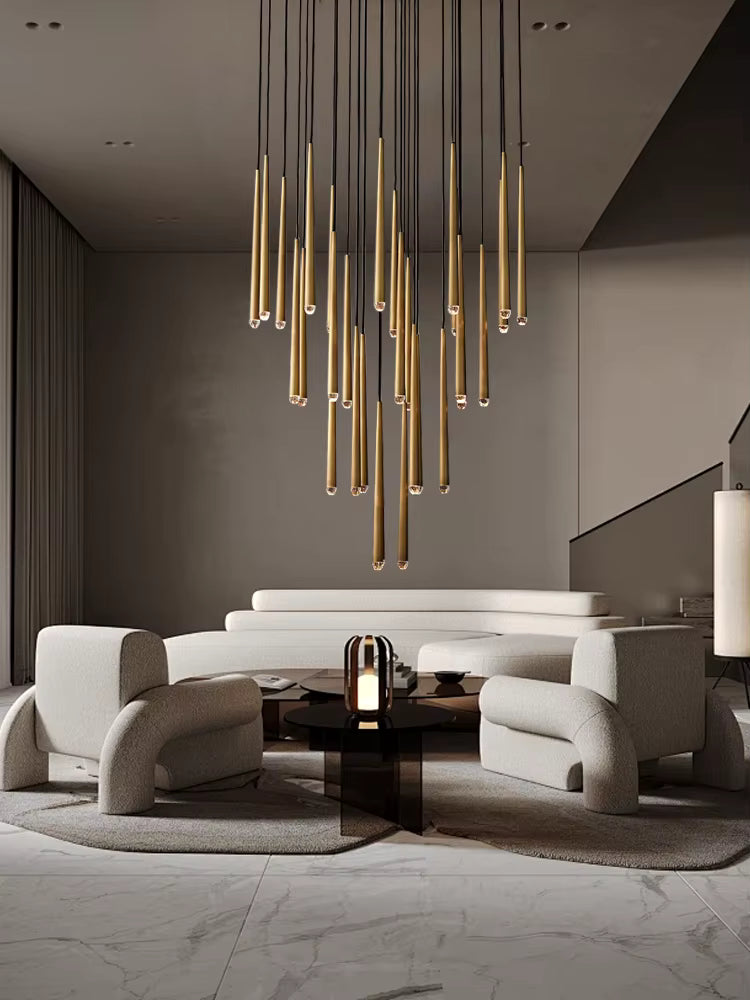
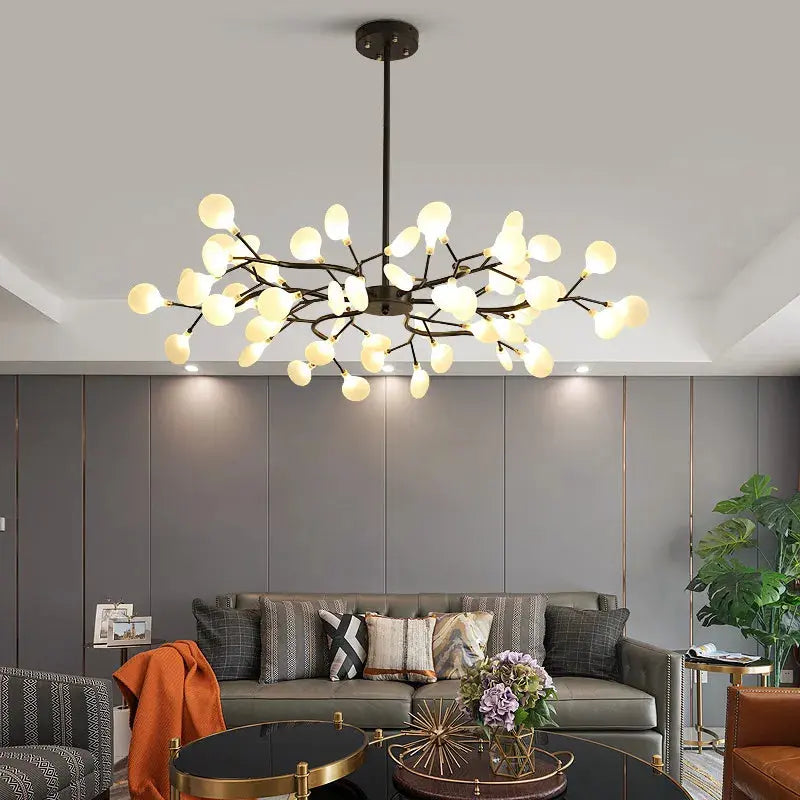
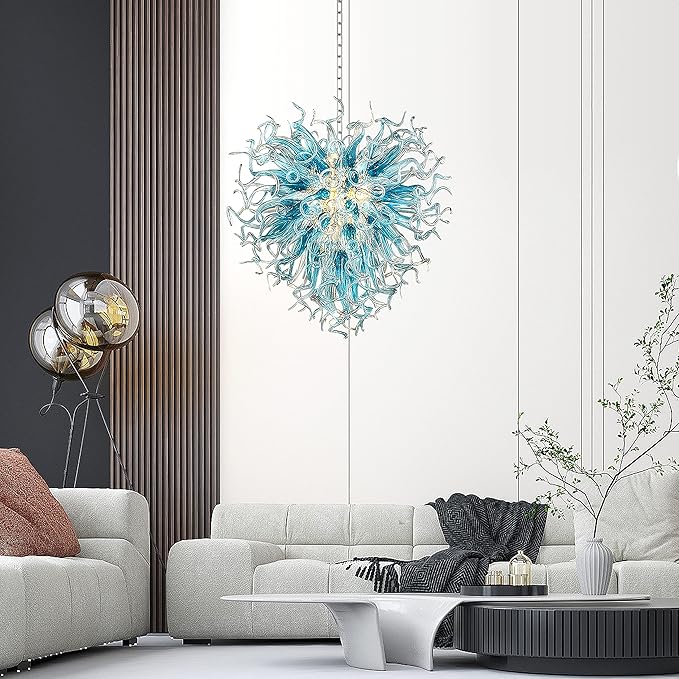
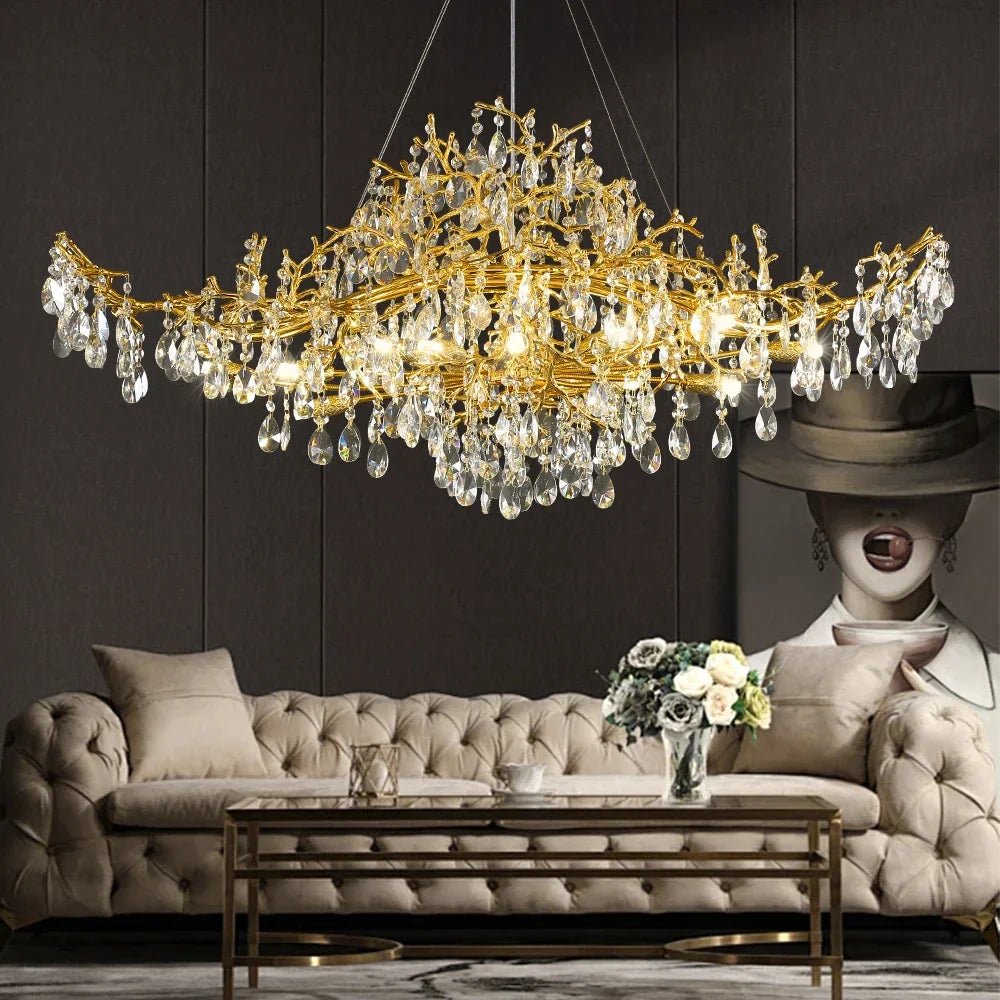
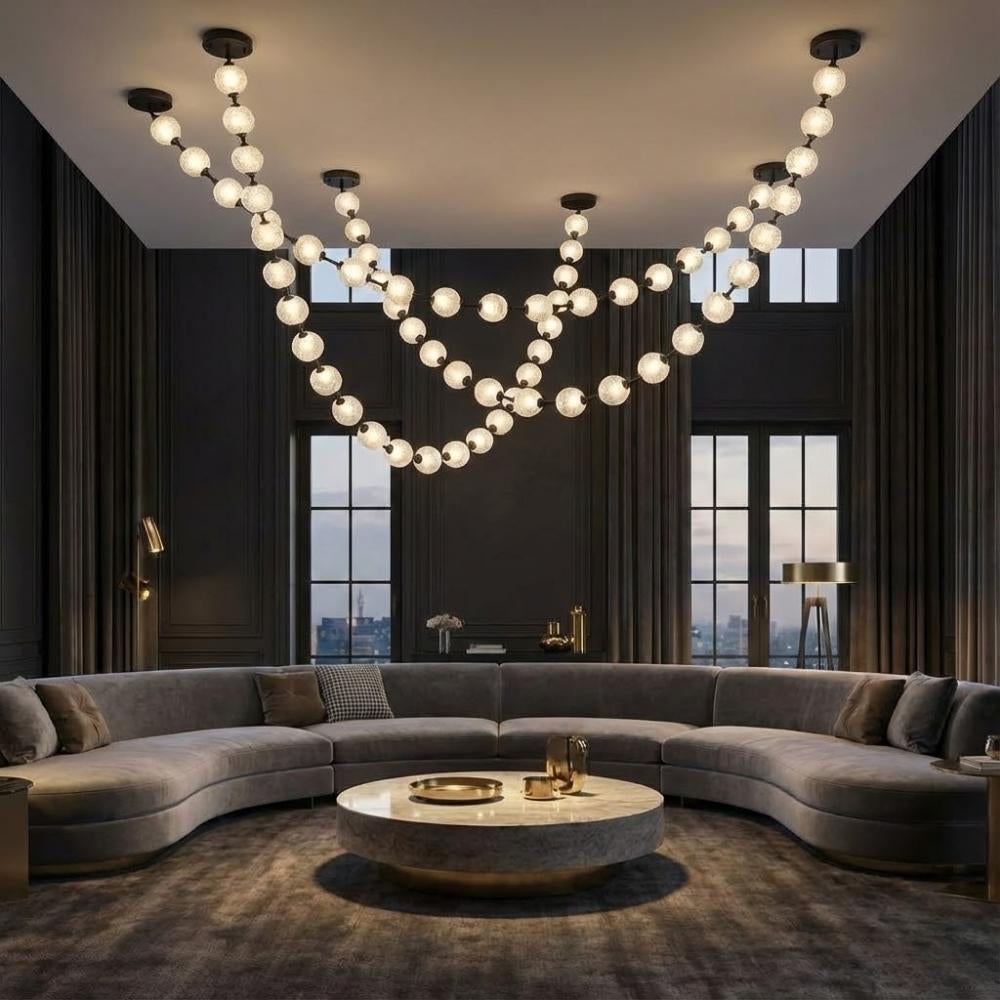
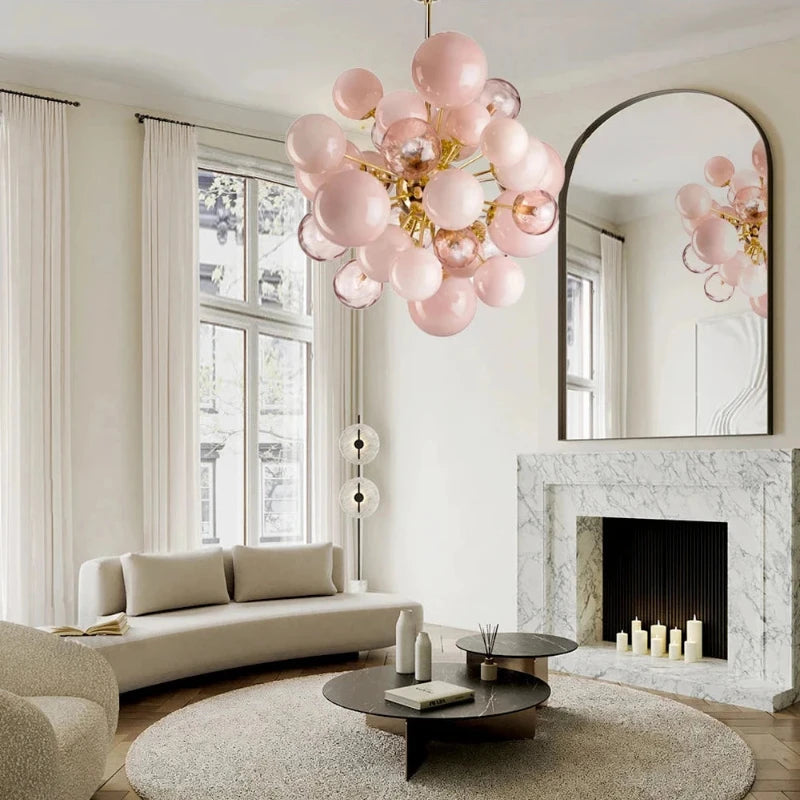
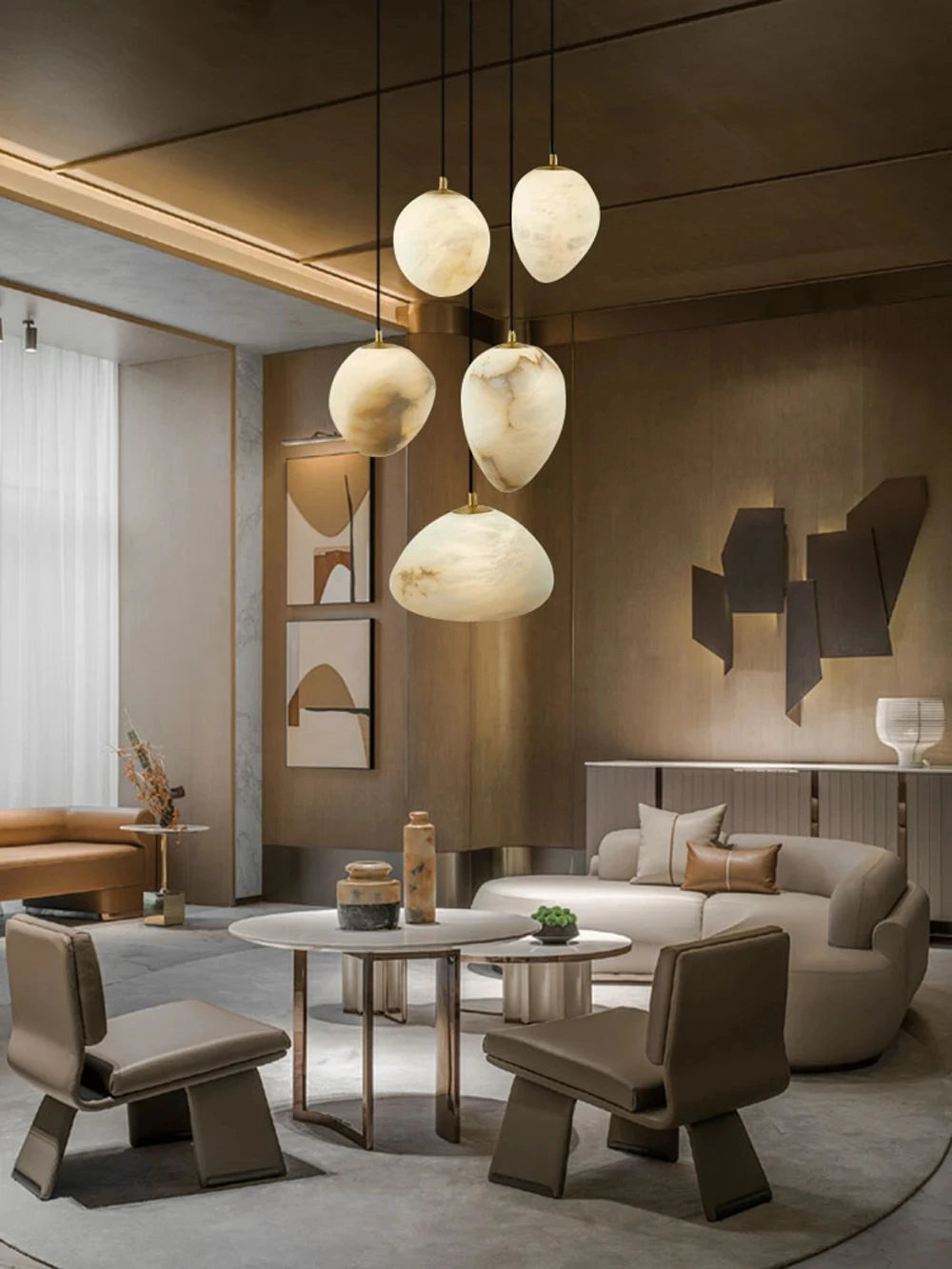
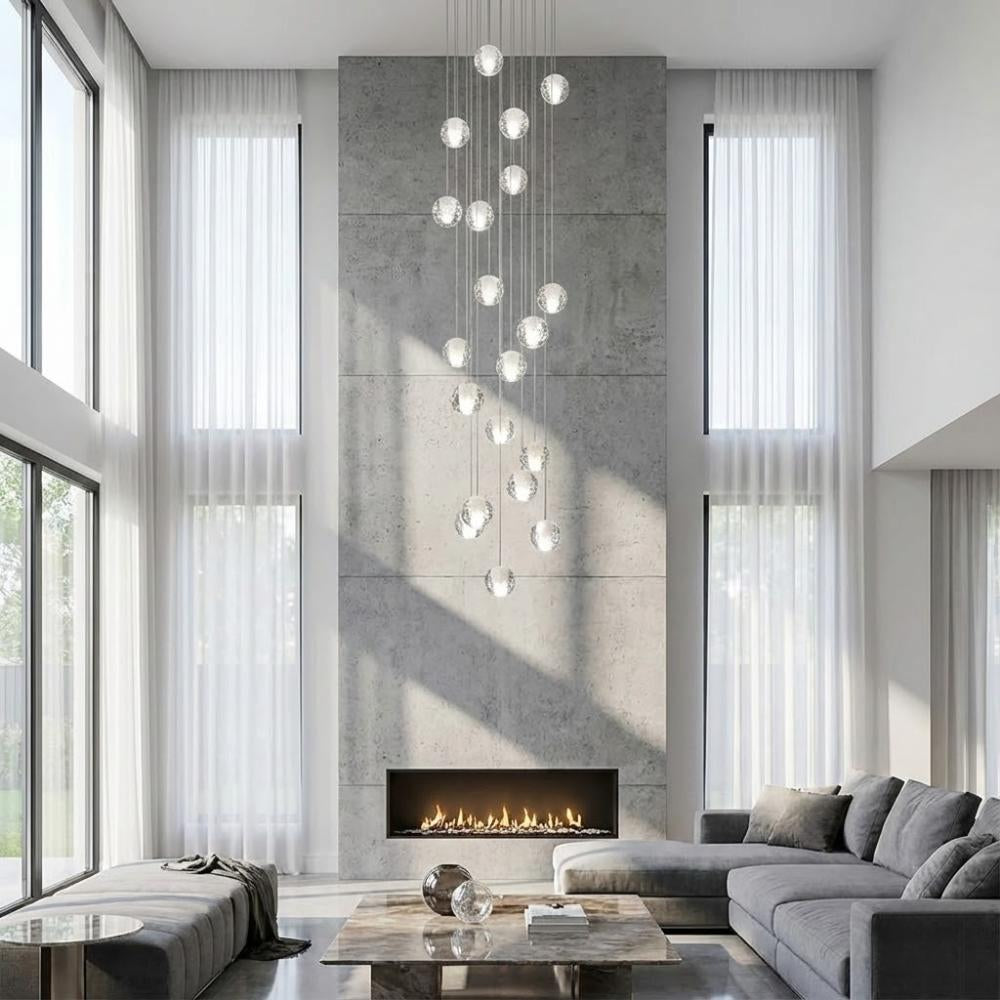
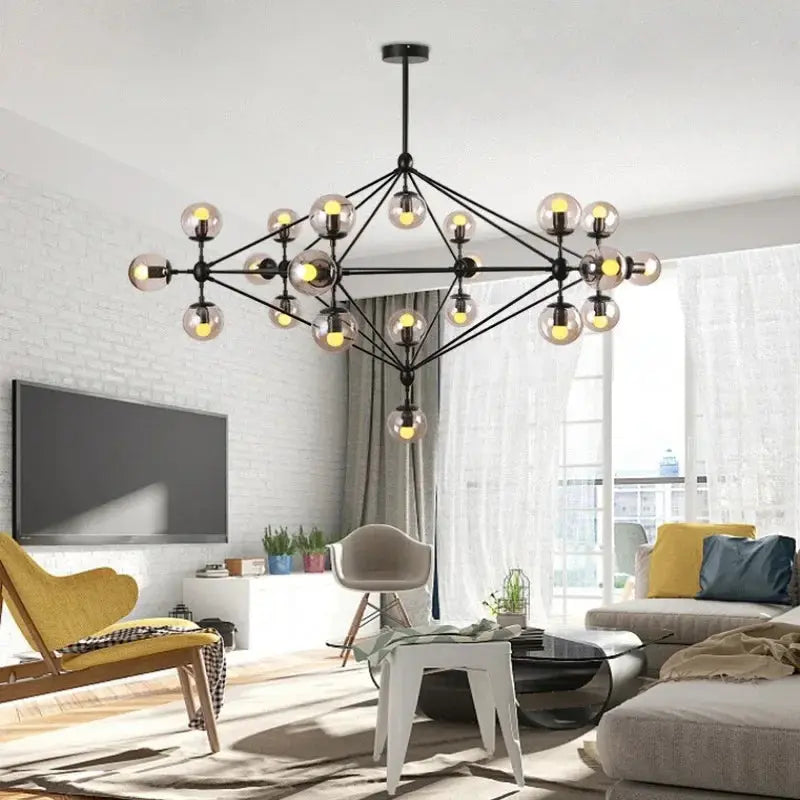
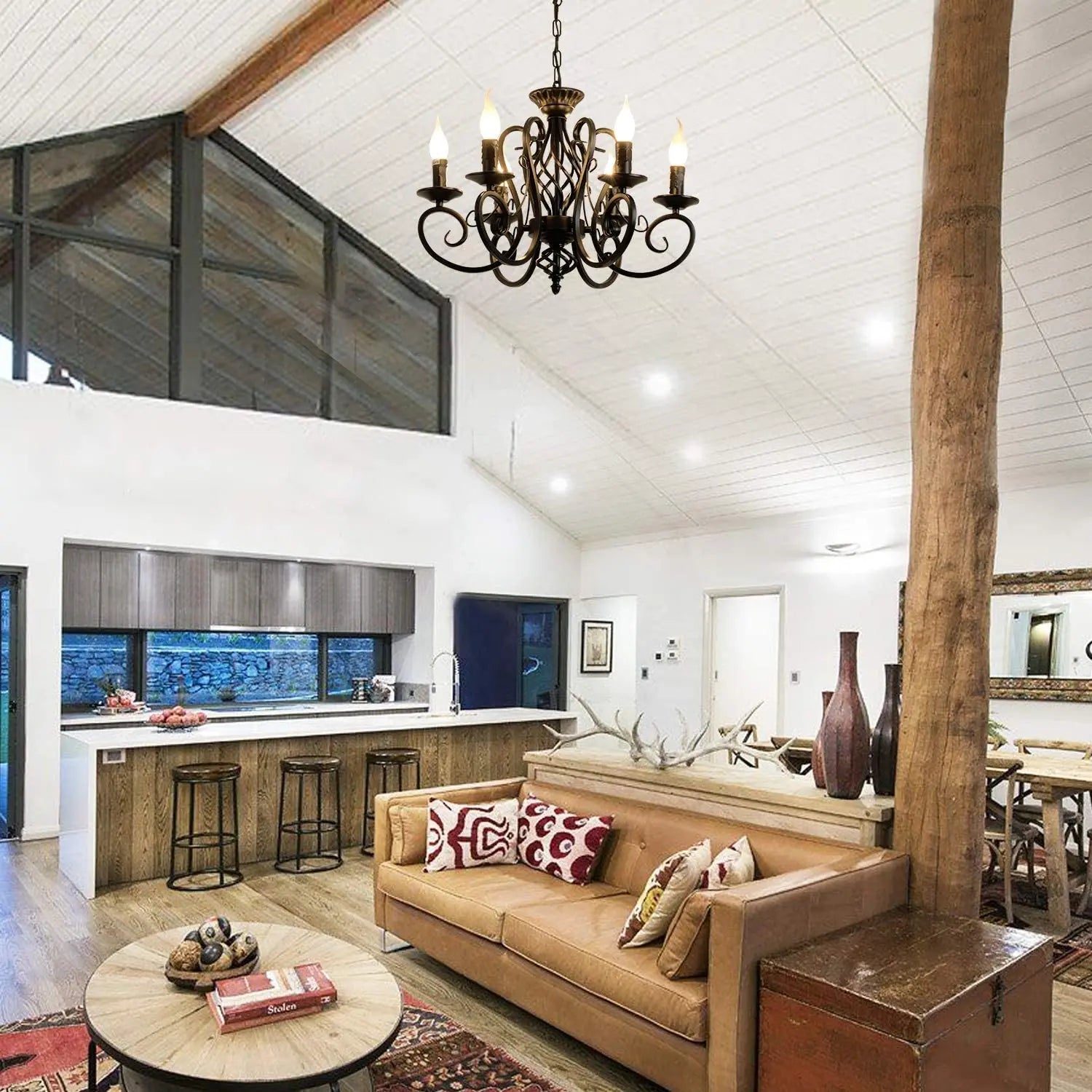
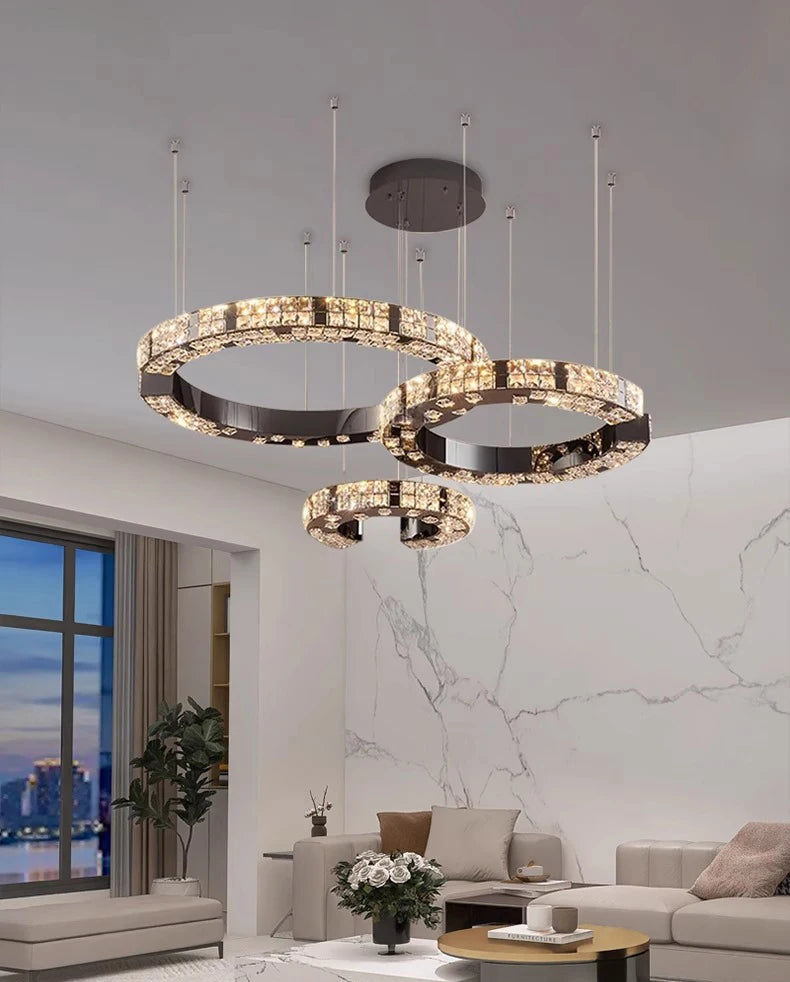
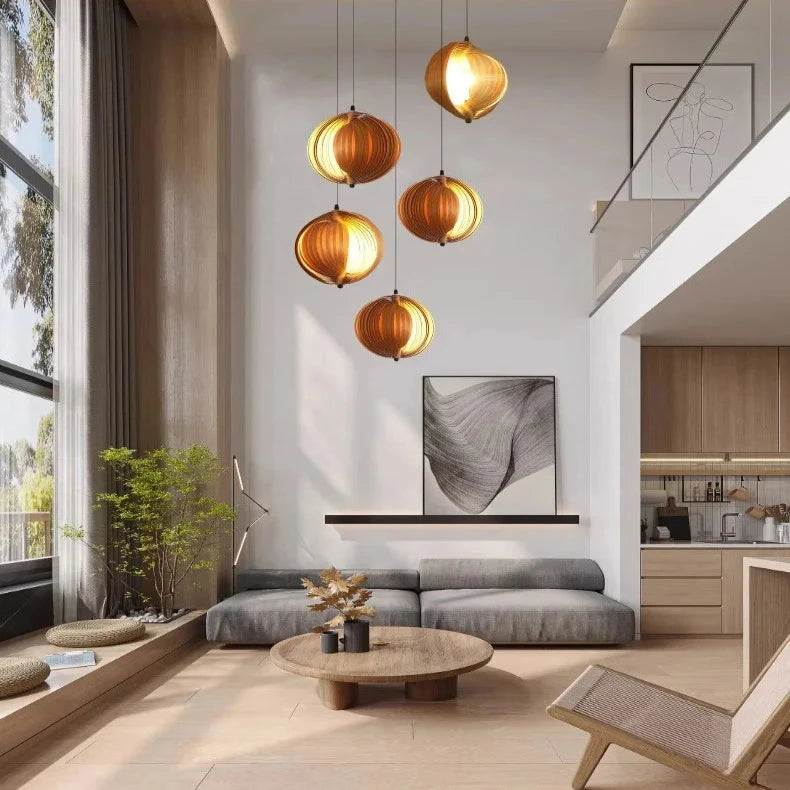
If the fixture is going into a seating zone rather than over a table, browse living room lighting. Living room chandeliers often work best when they feel proportional to the seating area and ceiling height without blocking sightlines across the room.
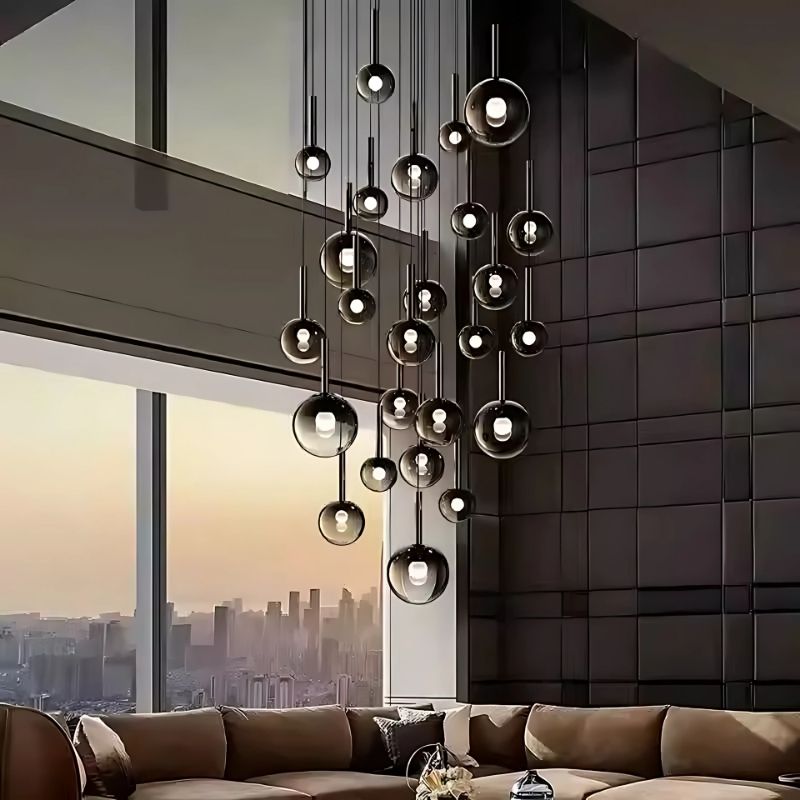
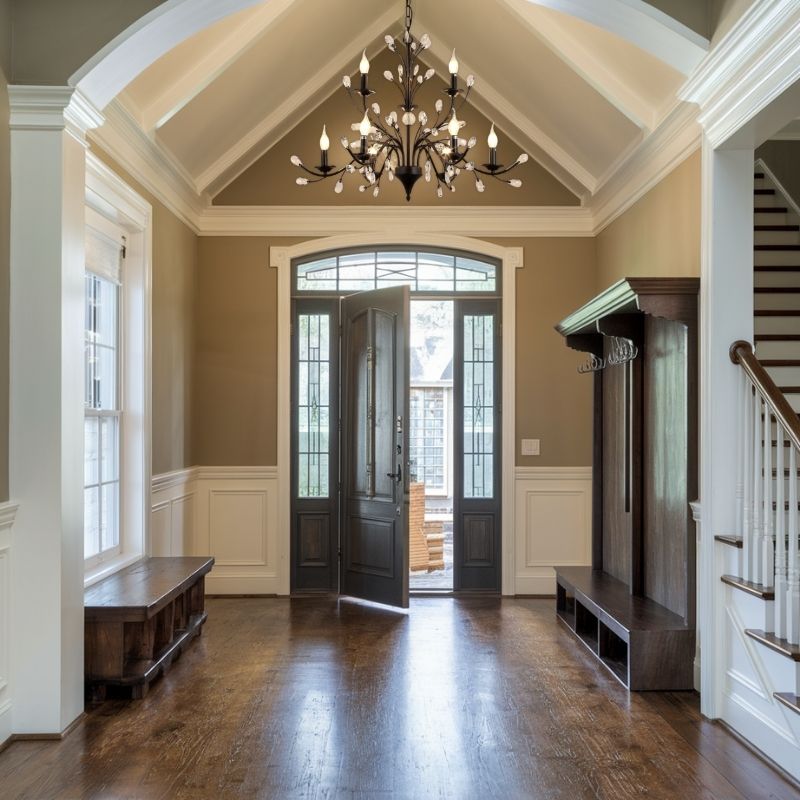
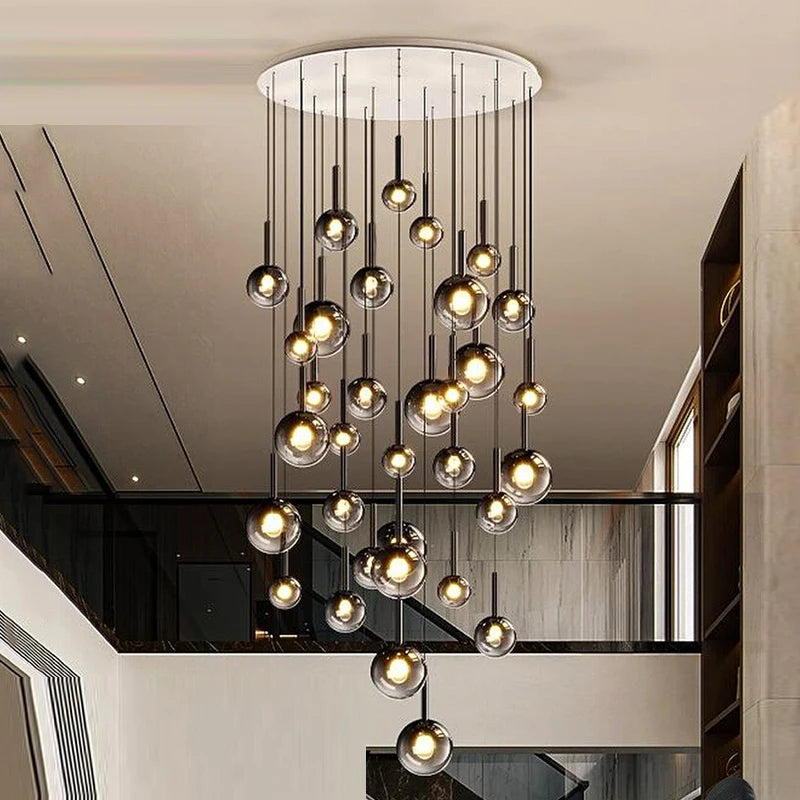
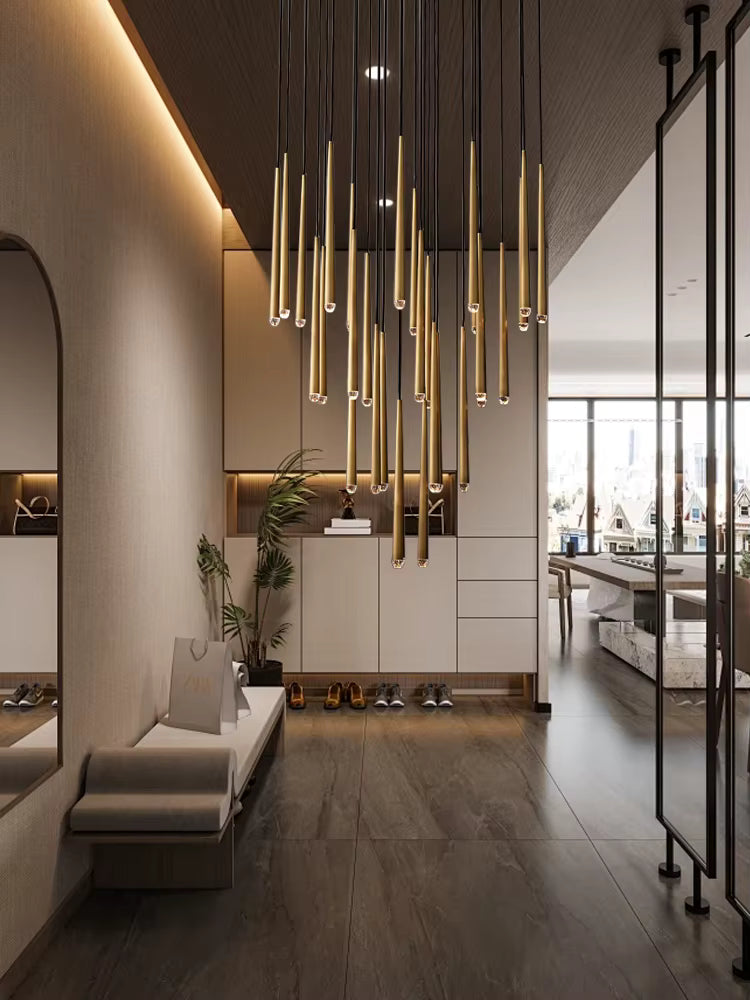
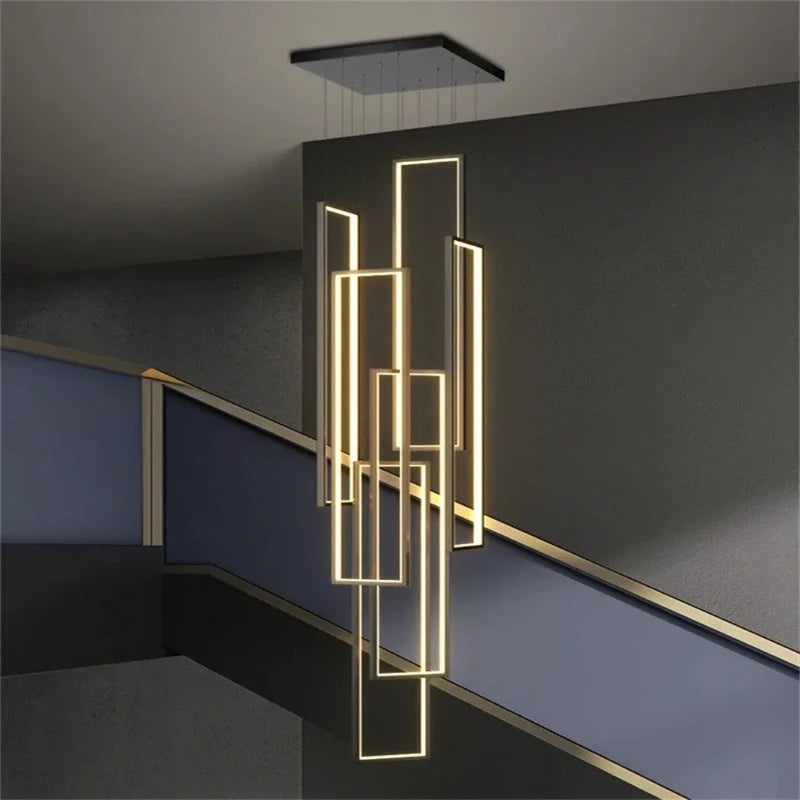
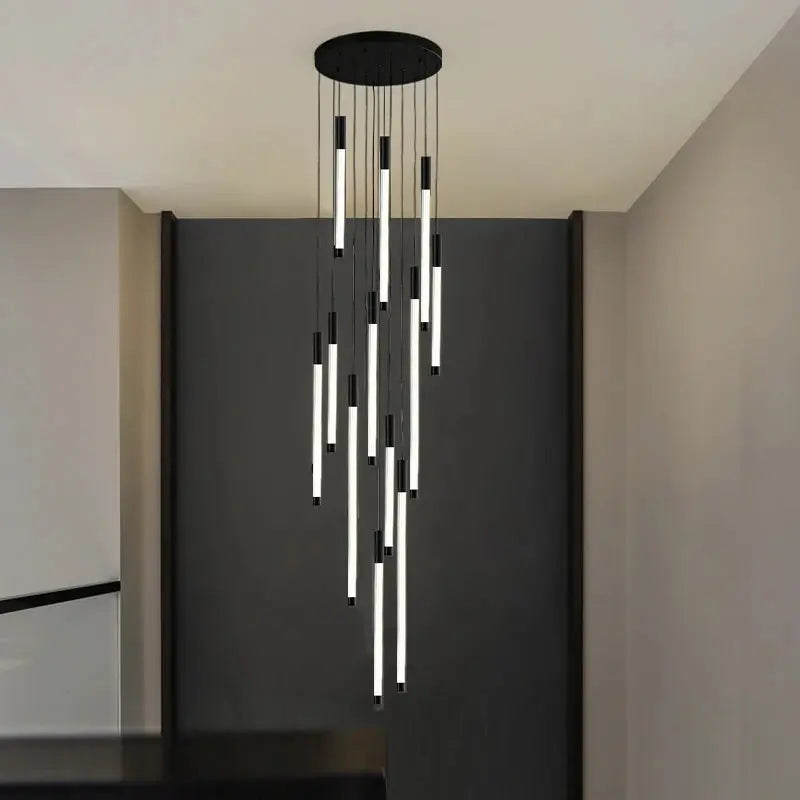
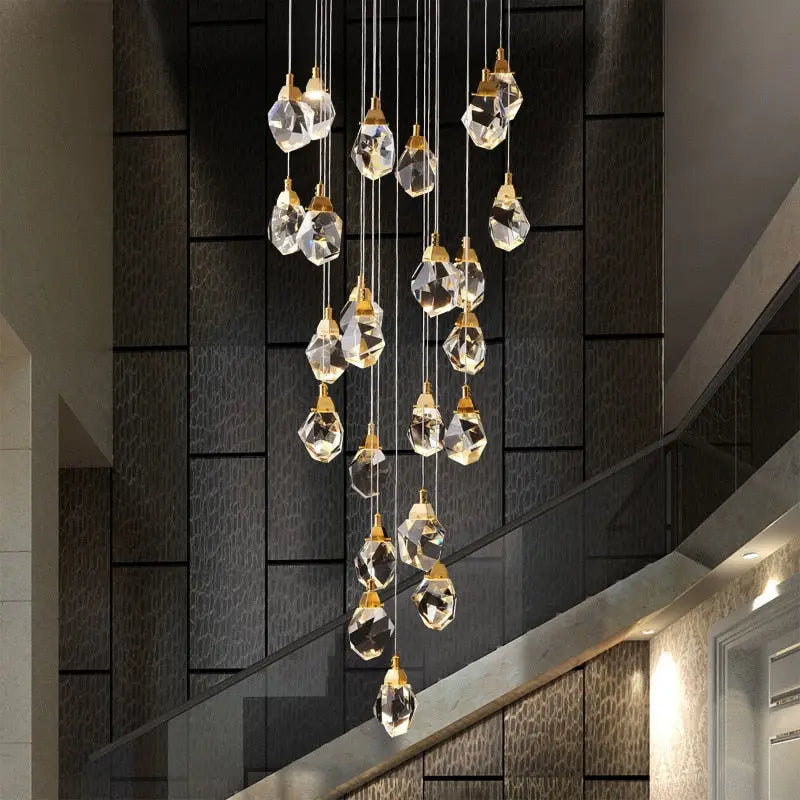
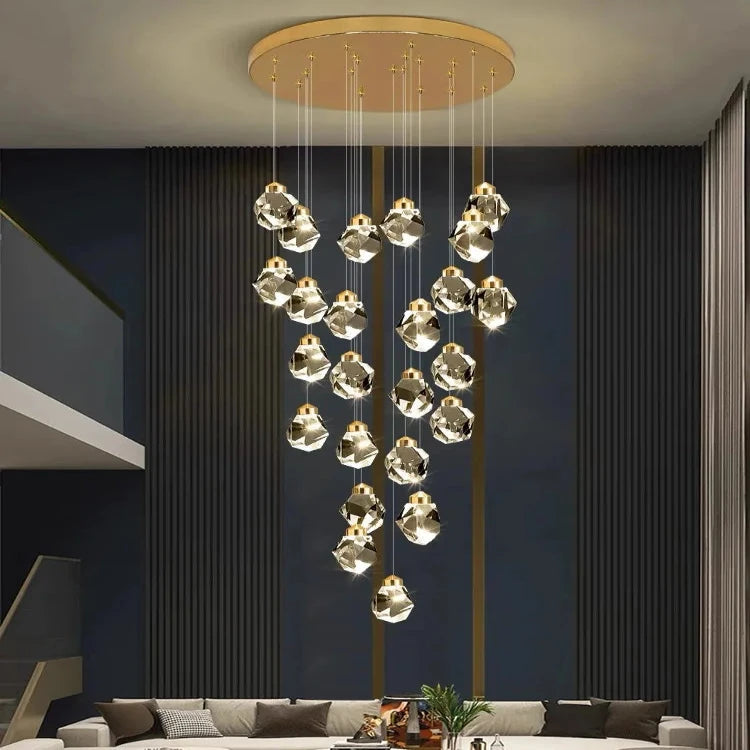
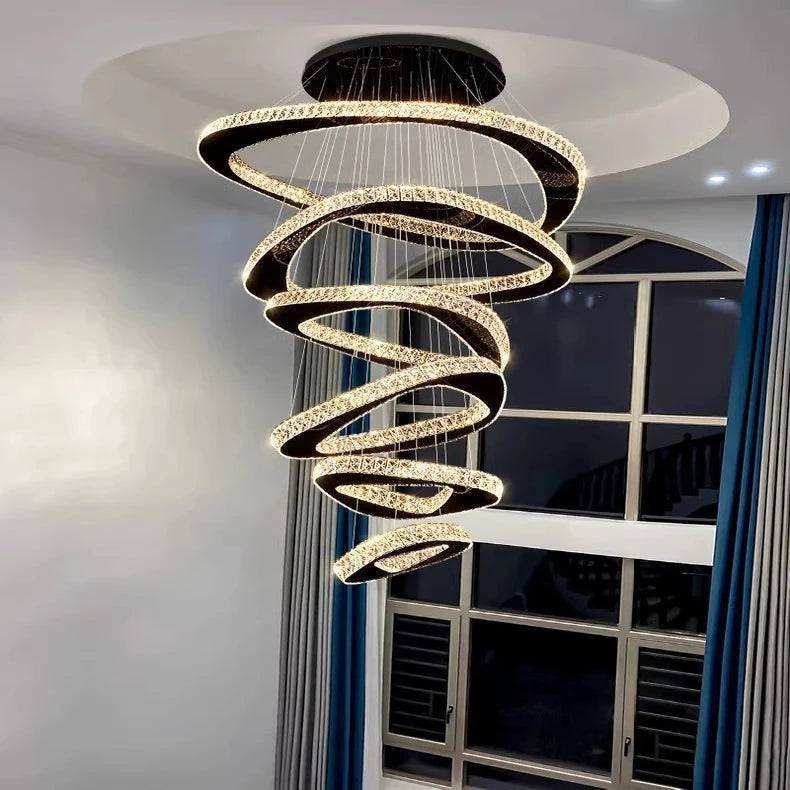
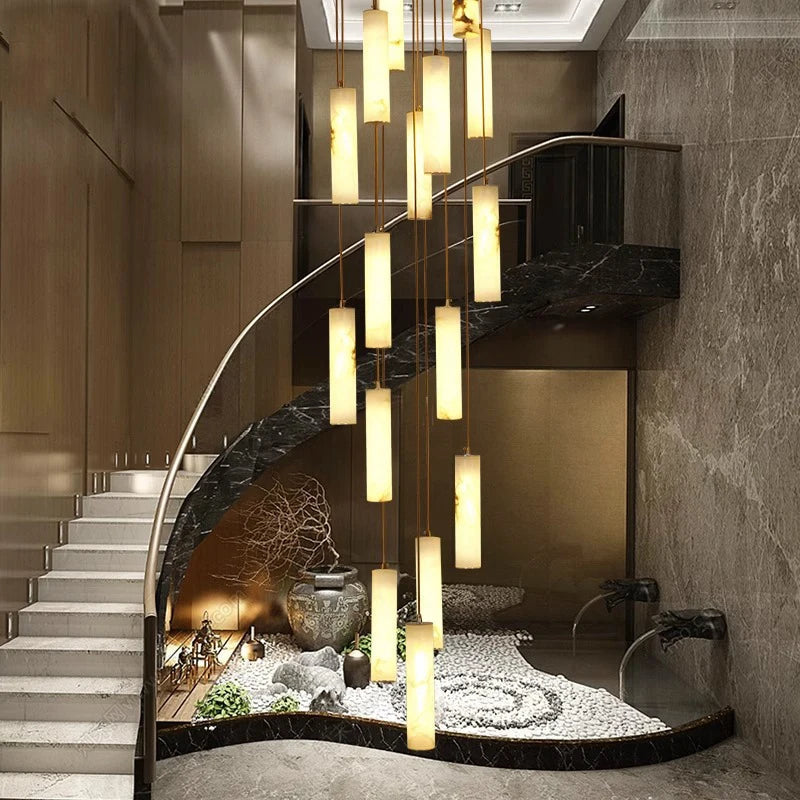
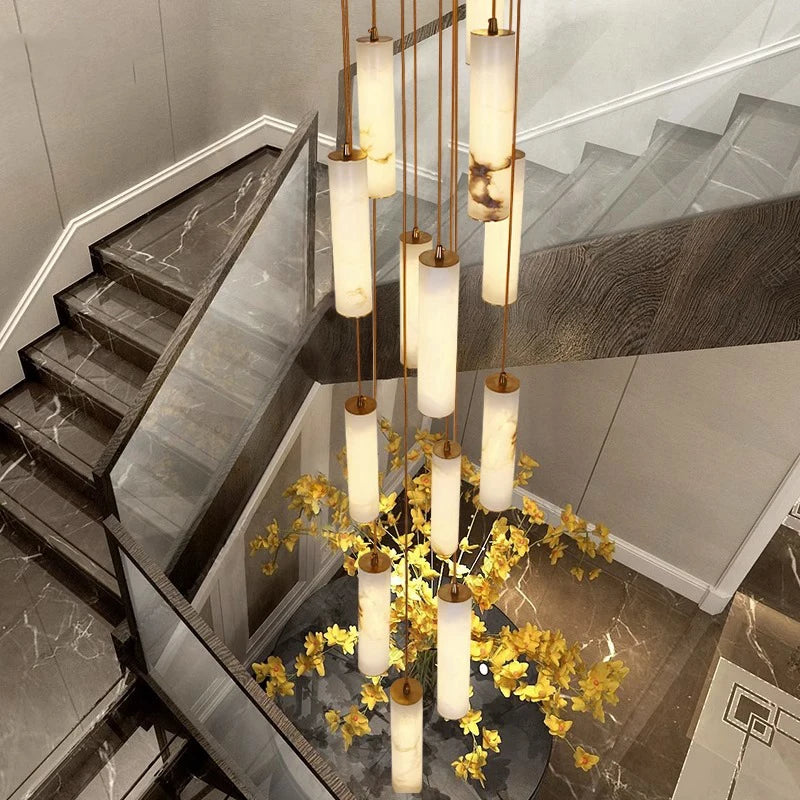
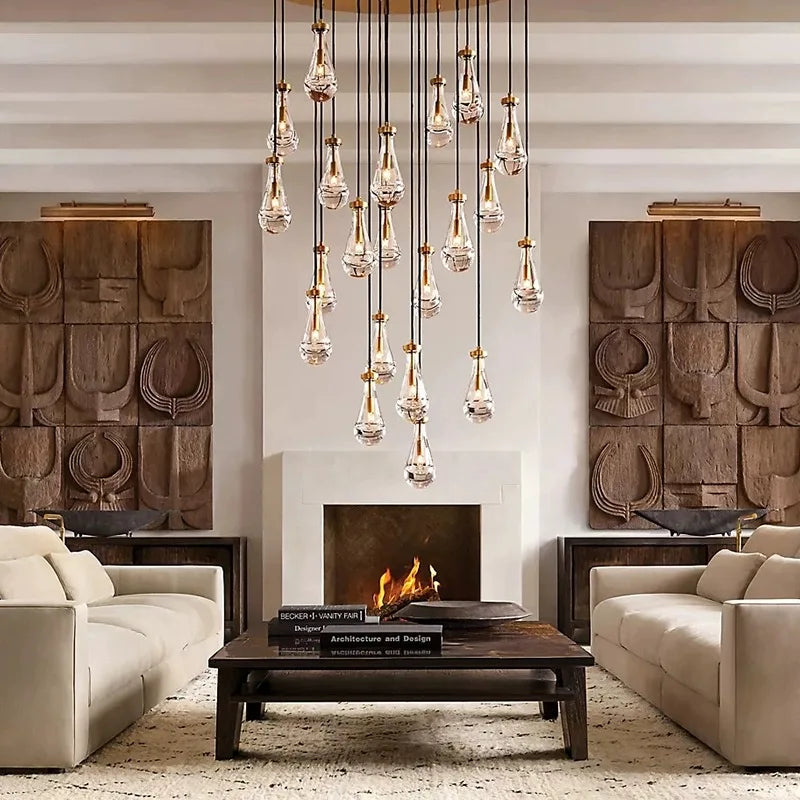
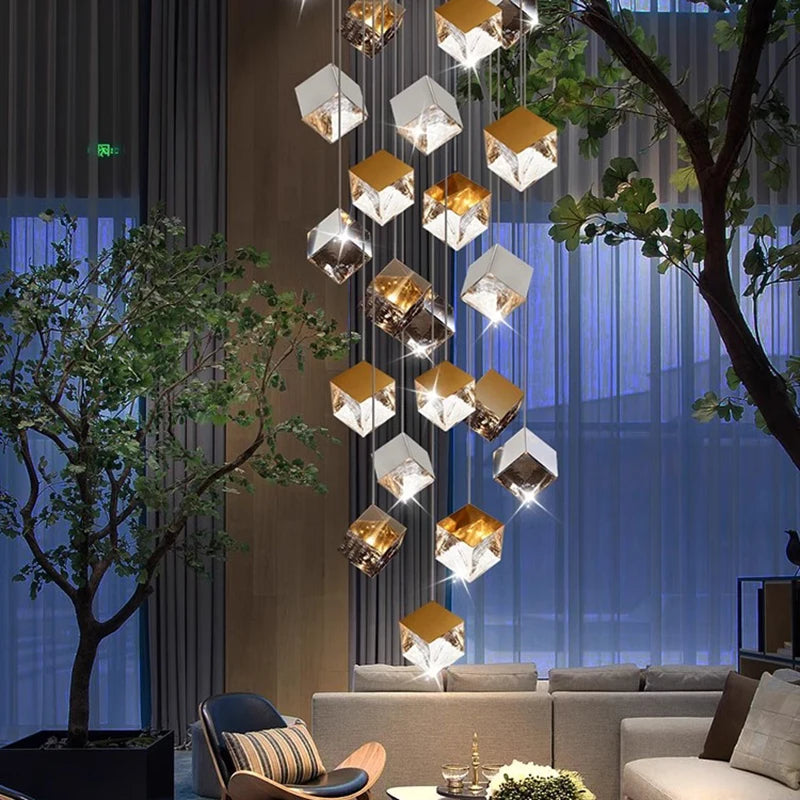
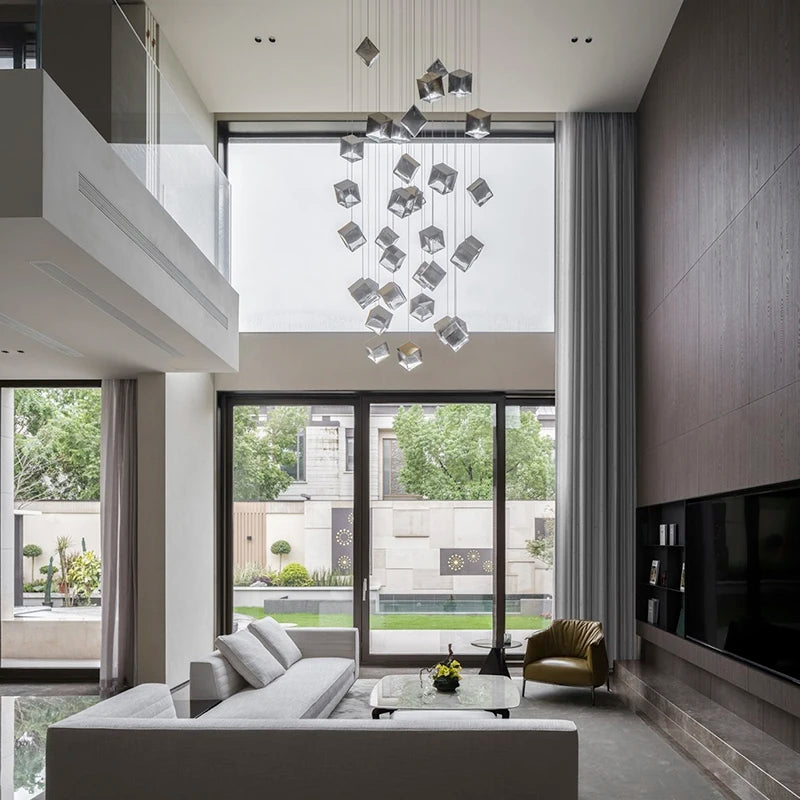
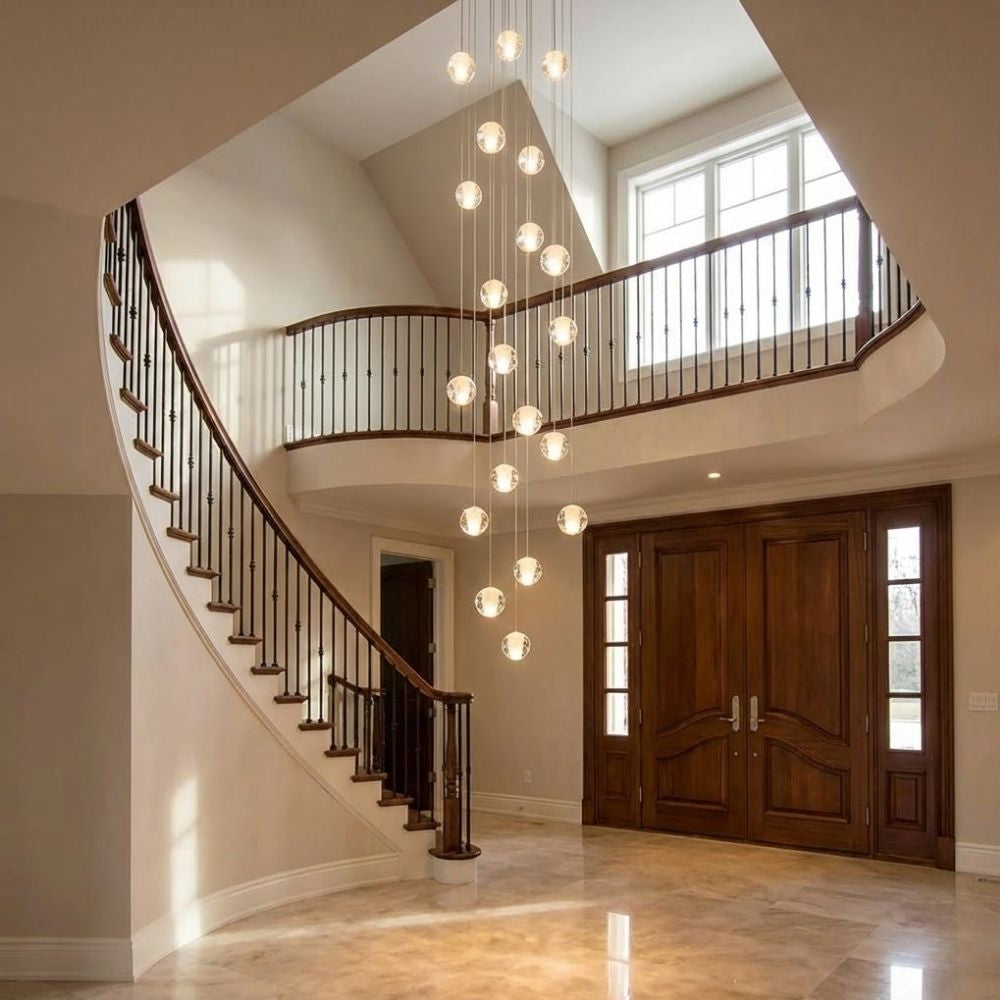
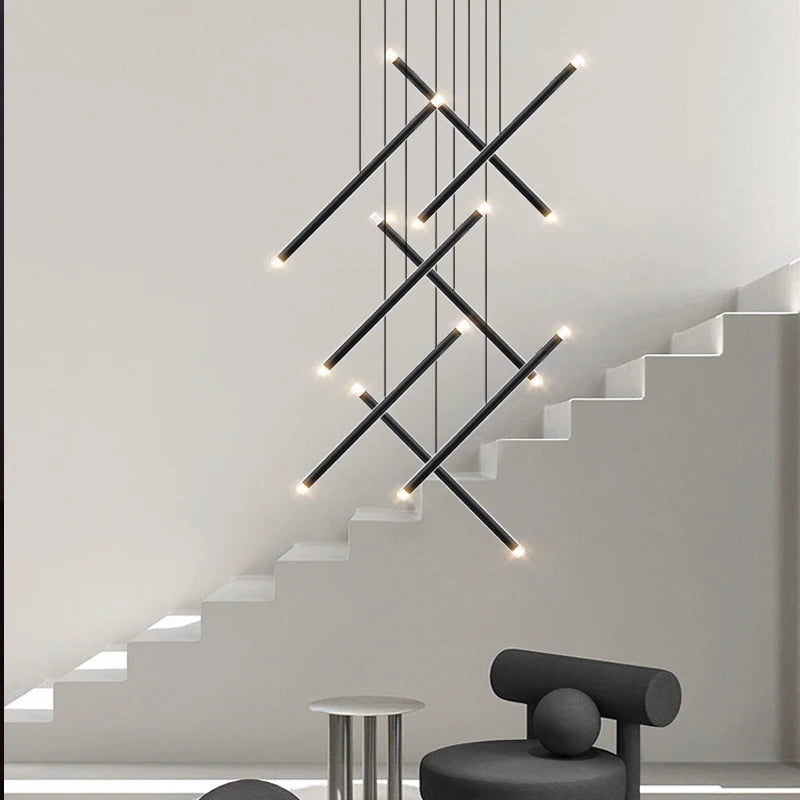
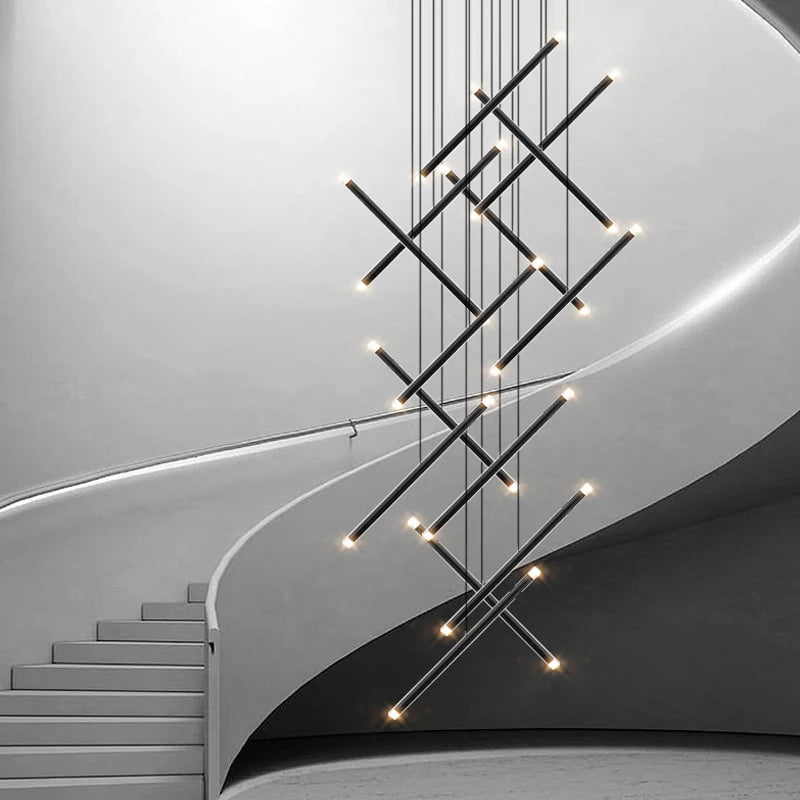
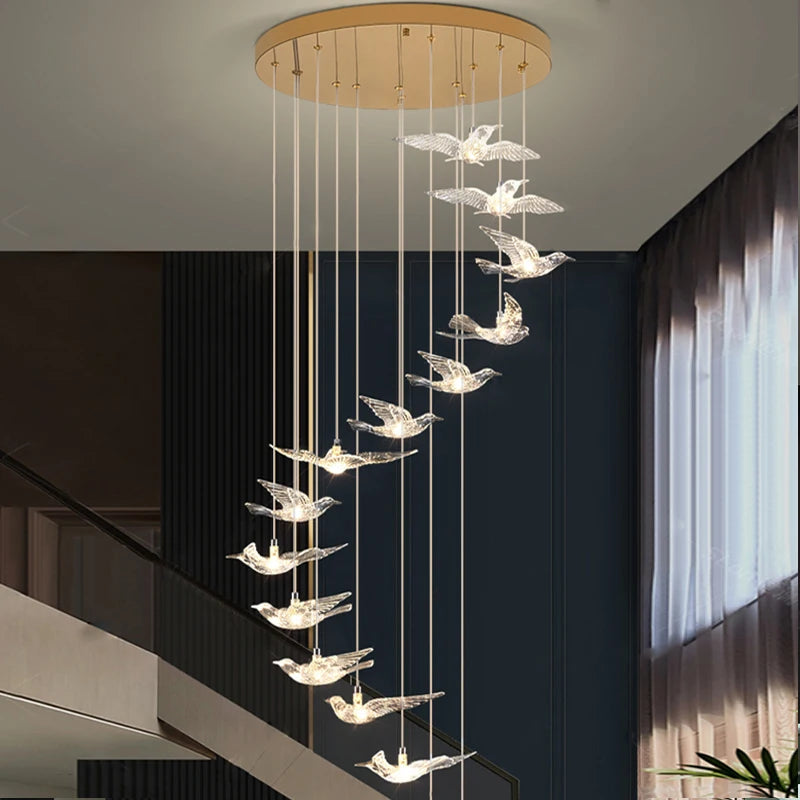
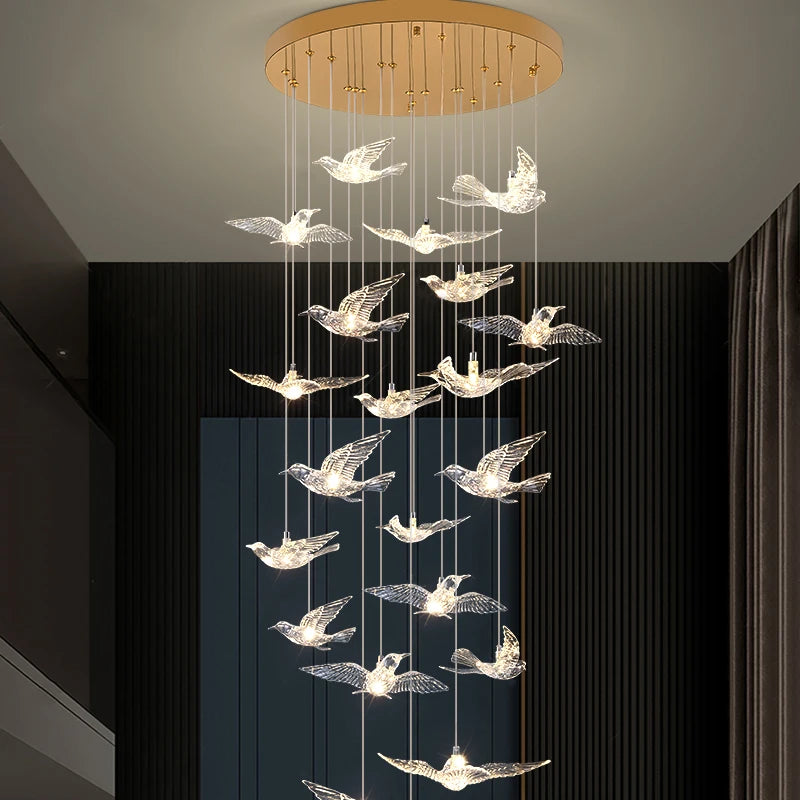
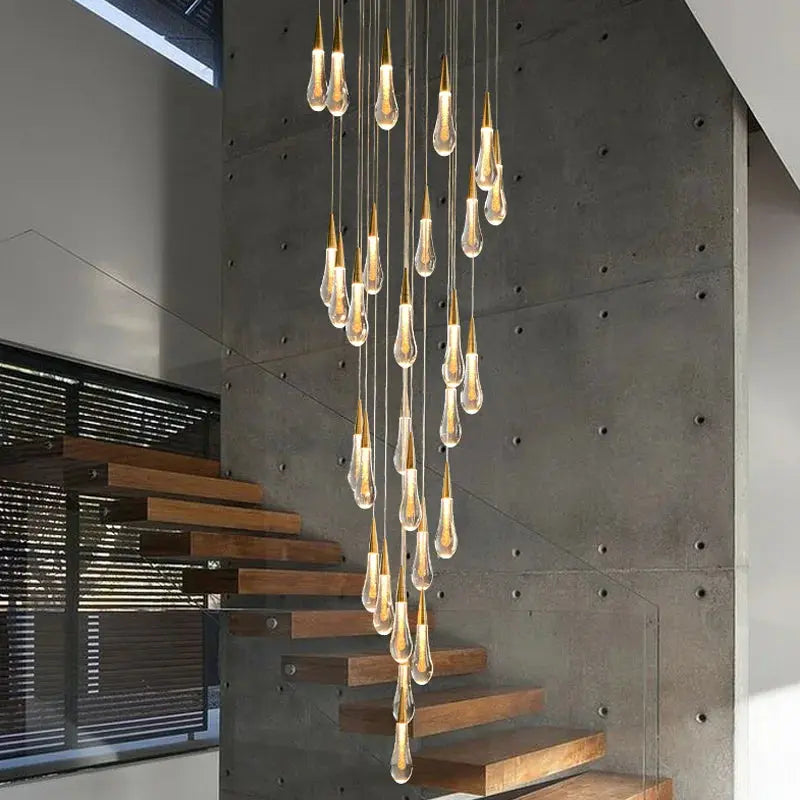
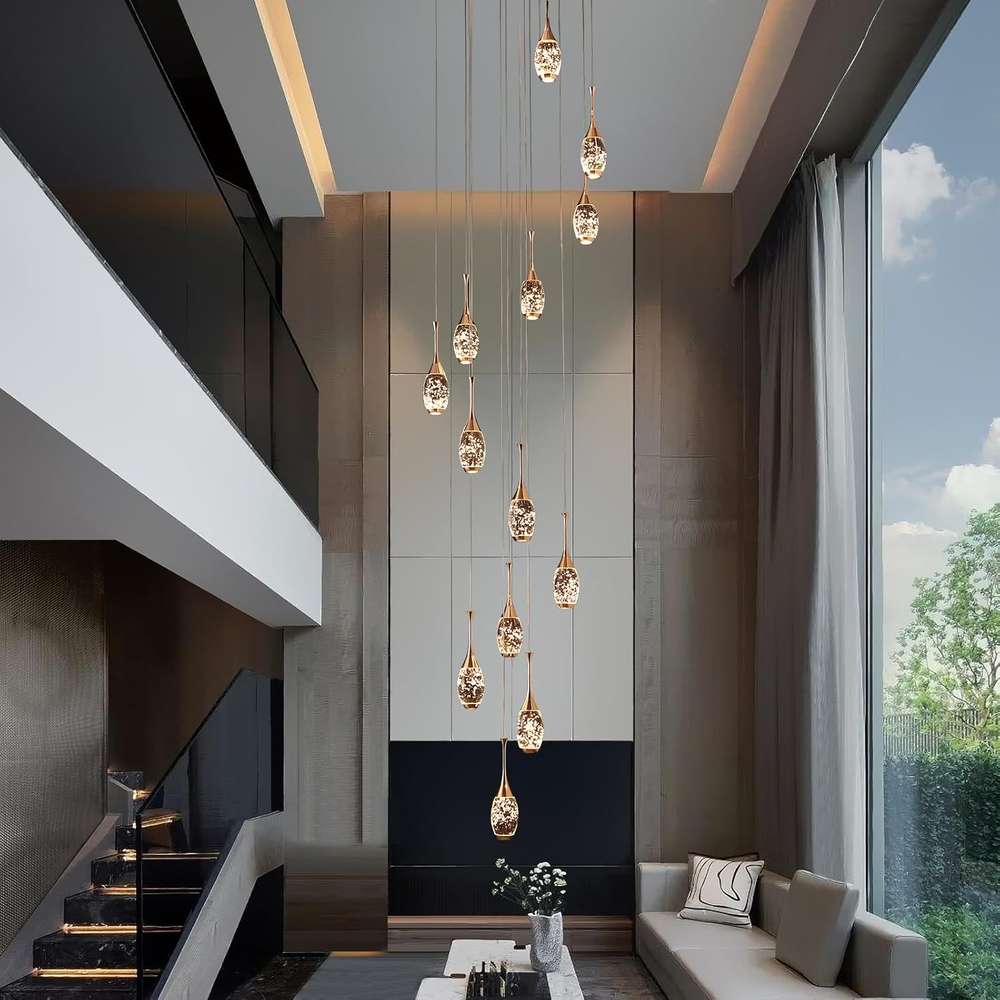
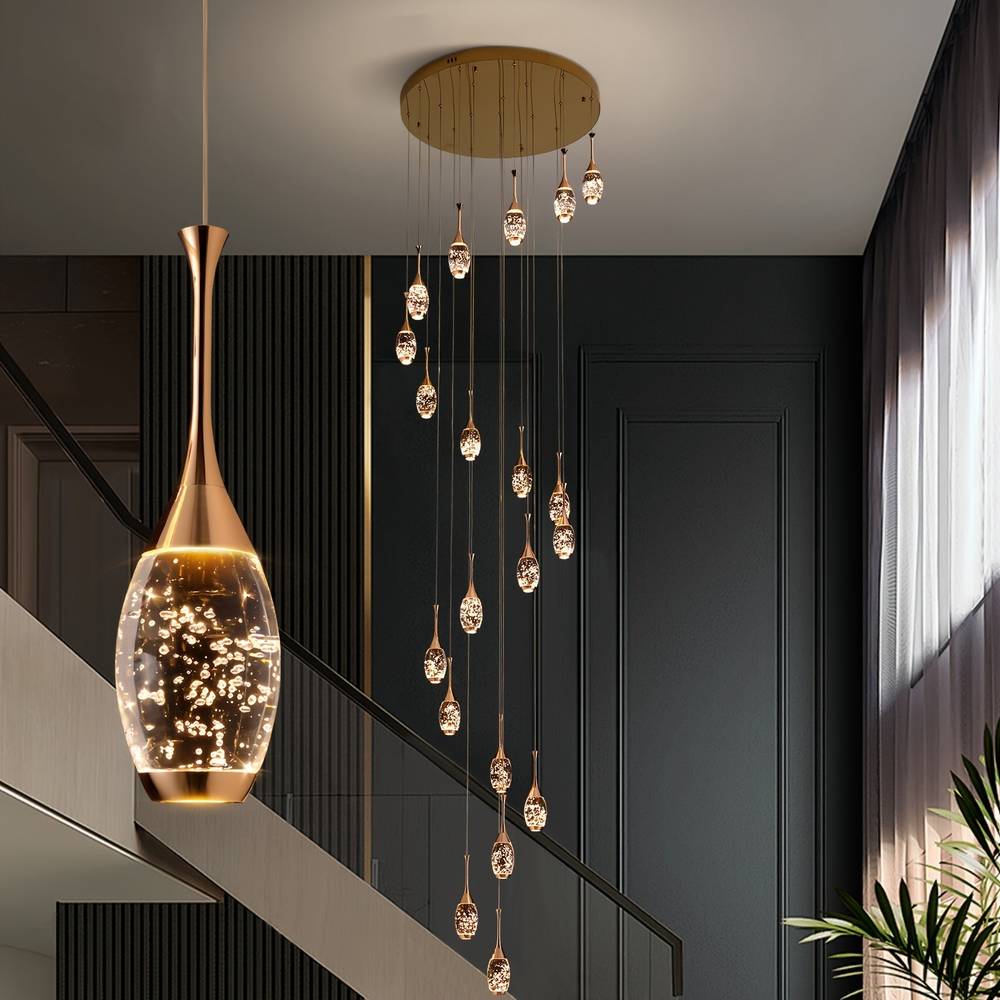
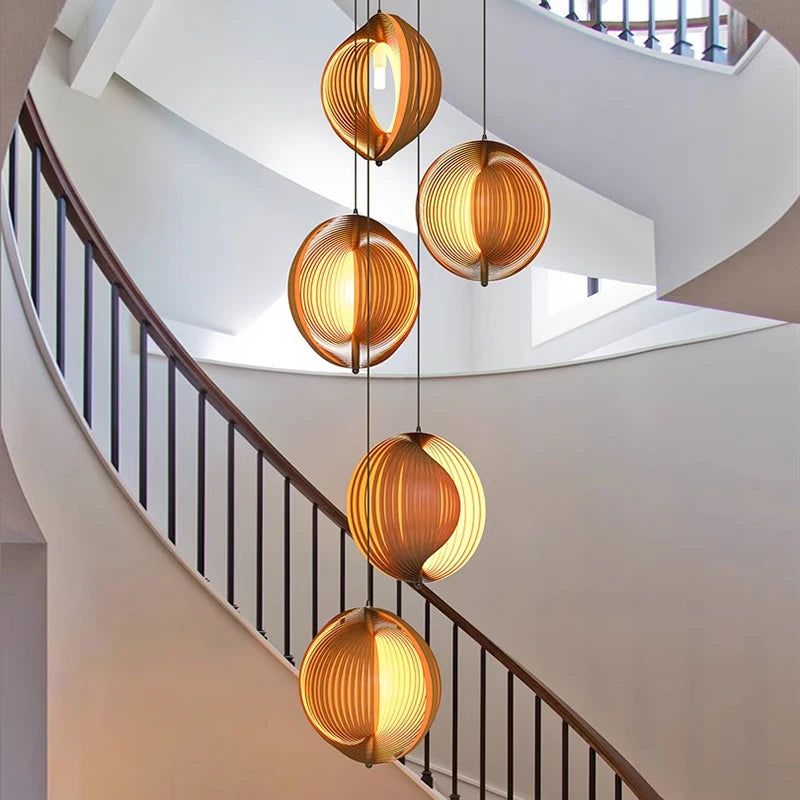
For entrances, browse foyer lighting. Entry chandeliers usually need stronger presence because they are read from the front door and often from upper-level viewpoints as well. In stair-connected foyers and open vertical spaces, you can also move directly into staircase chandeliers for longer drops and more vertical compositions.
If the fixture is going into a more personal, lower-glare space, browse bedroom lighting. Bedroom chandeliers usually need softer light behavior, more controlled brightness, and a shape that adds decoration without making the room feel crowded.
Shop Chandeliers by Style
Style changes how a chandelier feels in the room even before the light is turned on. Some chandeliers create a clean architectural outline. Others add sparkle, texture, or a more formal decorative effect. Starting by style helps narrow the collection much faster.
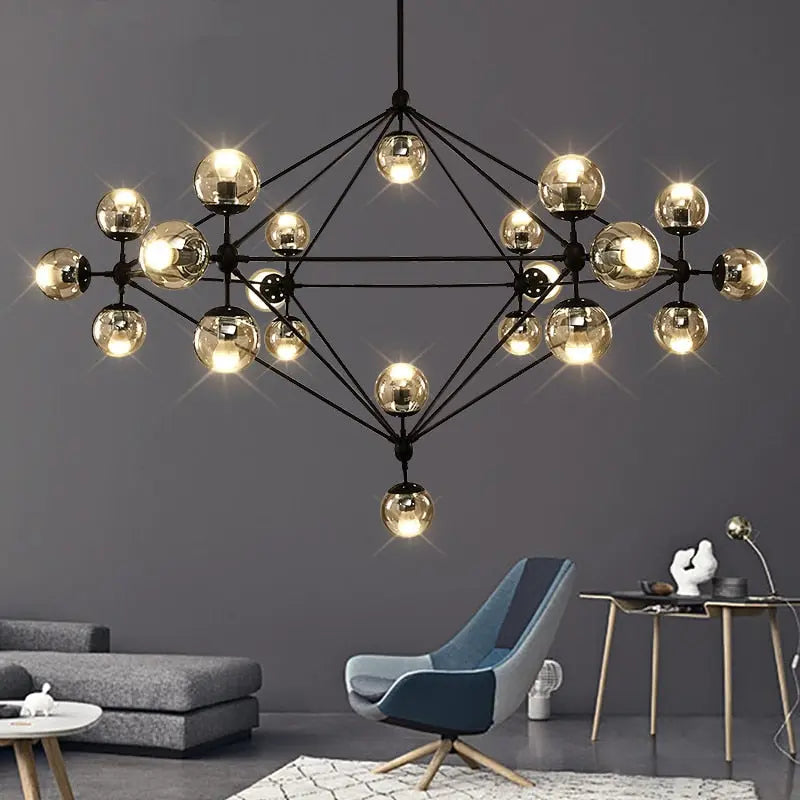
For cleaner silhouettes, updated finishes, and stronger contemporary lines, browse modern chandeliers. These are often a strong fit in contemporary interiors, open-plan homes, and rooms that need a more controlled visual profile.
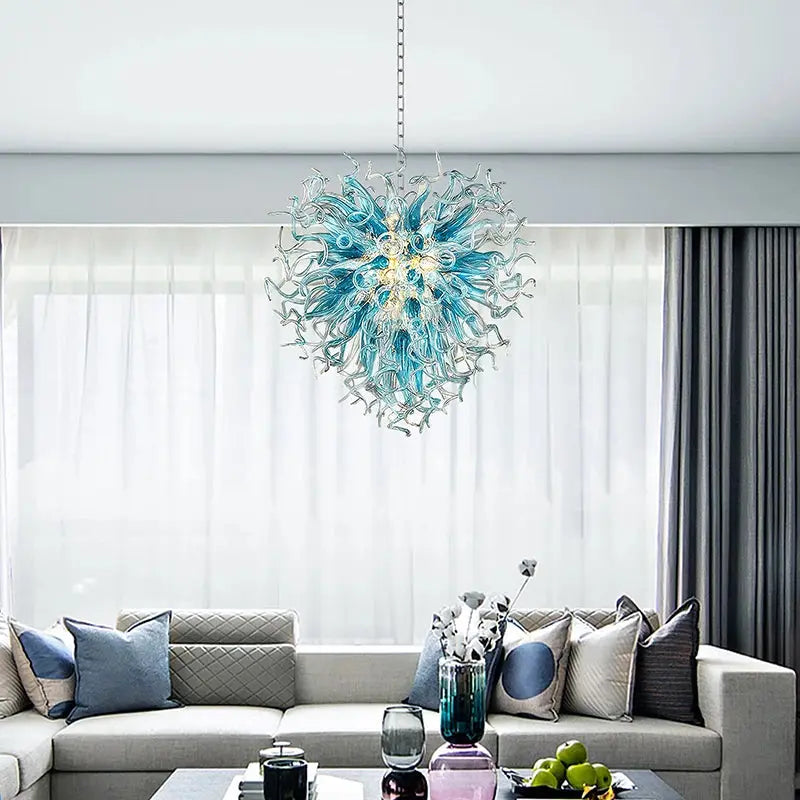
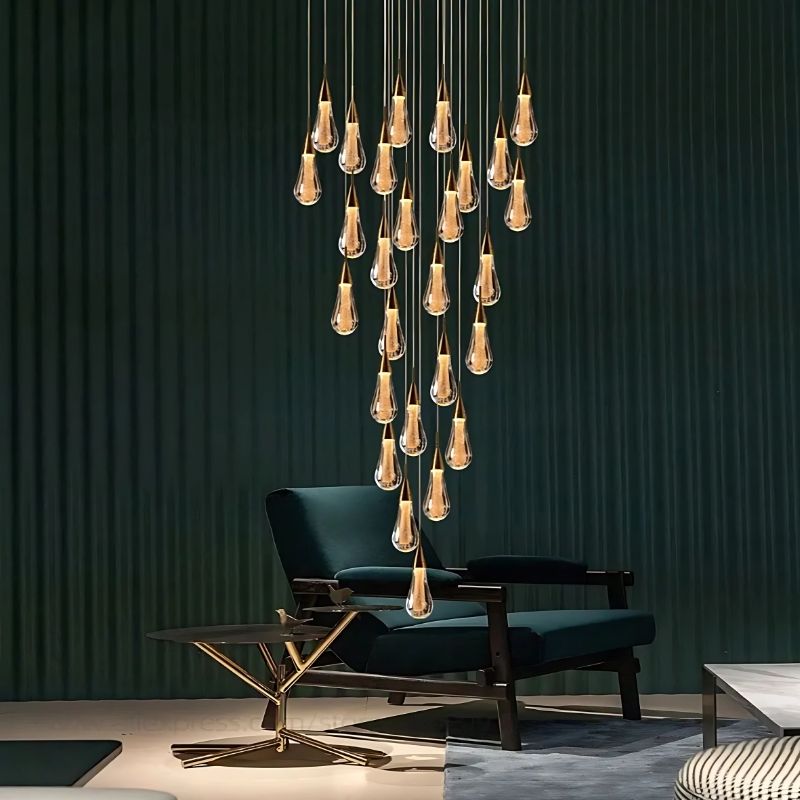
If you want stronger sparkle, layered reflections, and a more decorative focal point, browse crystal chandeliers. Crystal styles often work especially well in dining rooms, foyers, staircases, and rooms where the chandelier is meant to feel elevated and more visually detailed.
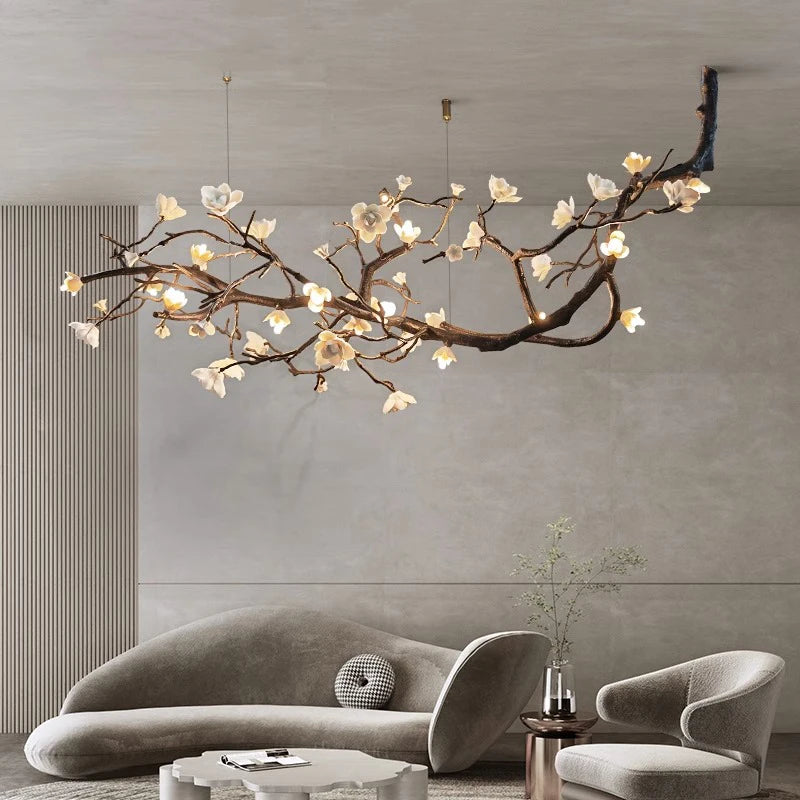
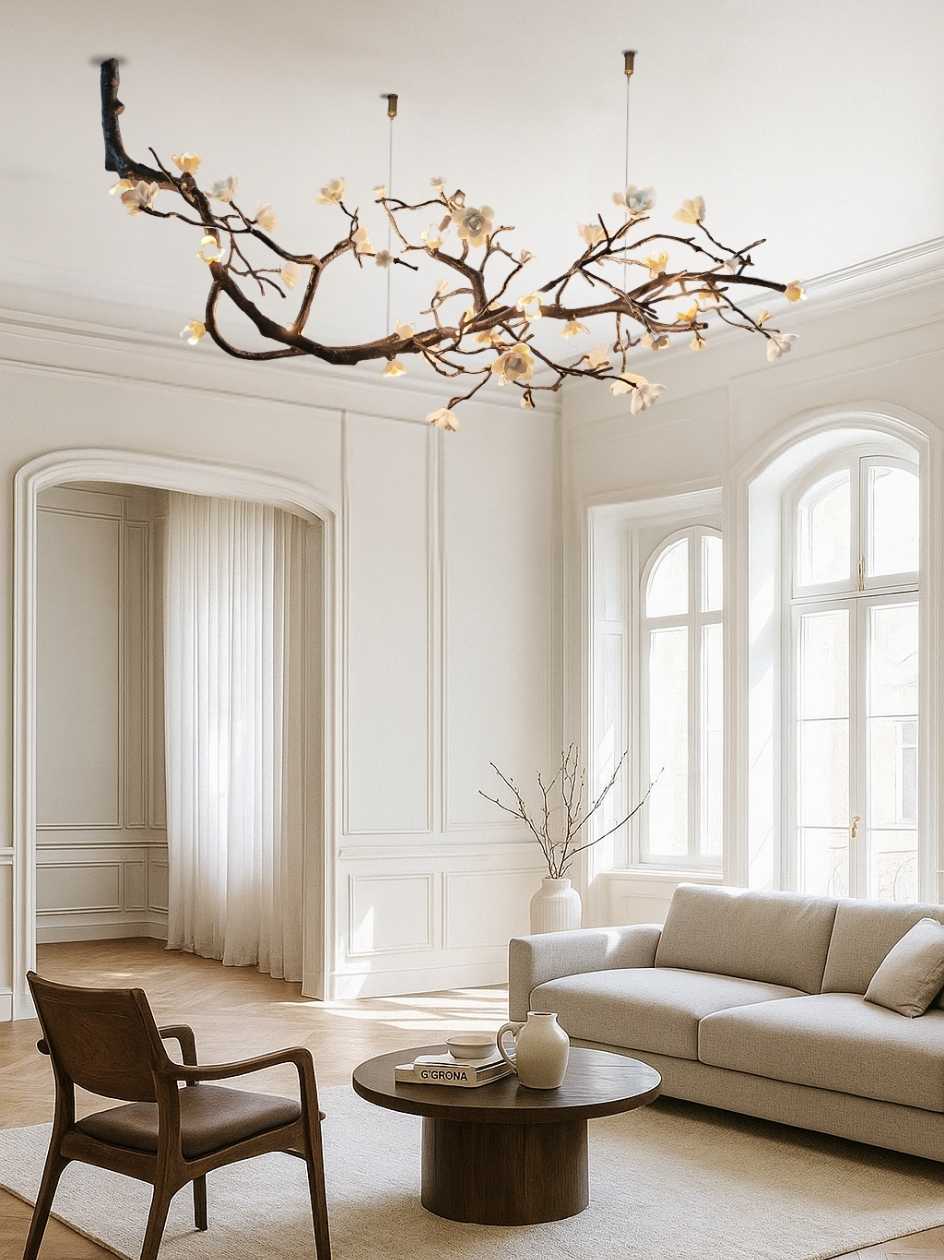
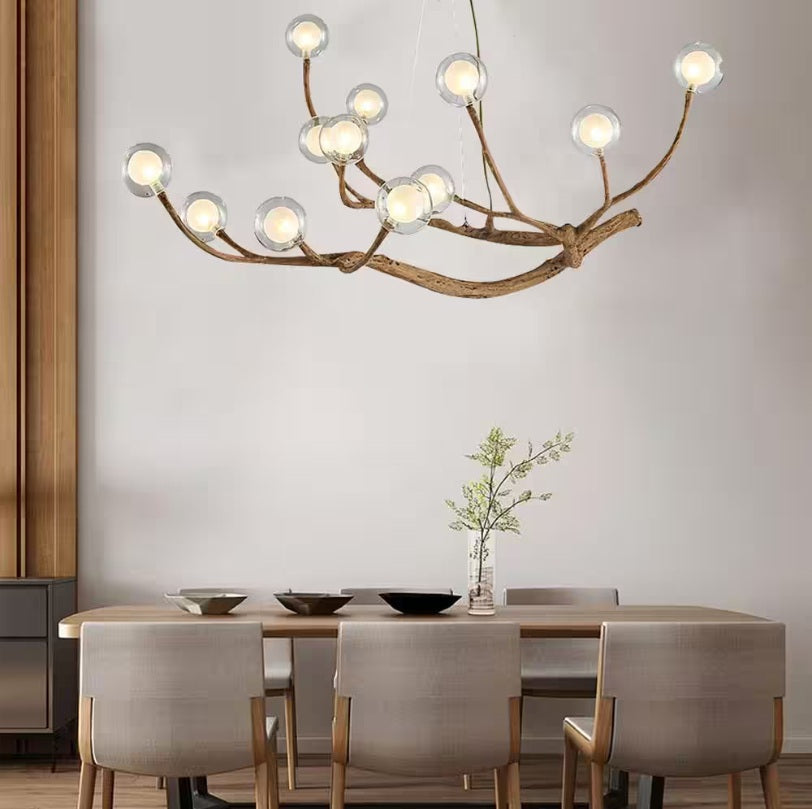
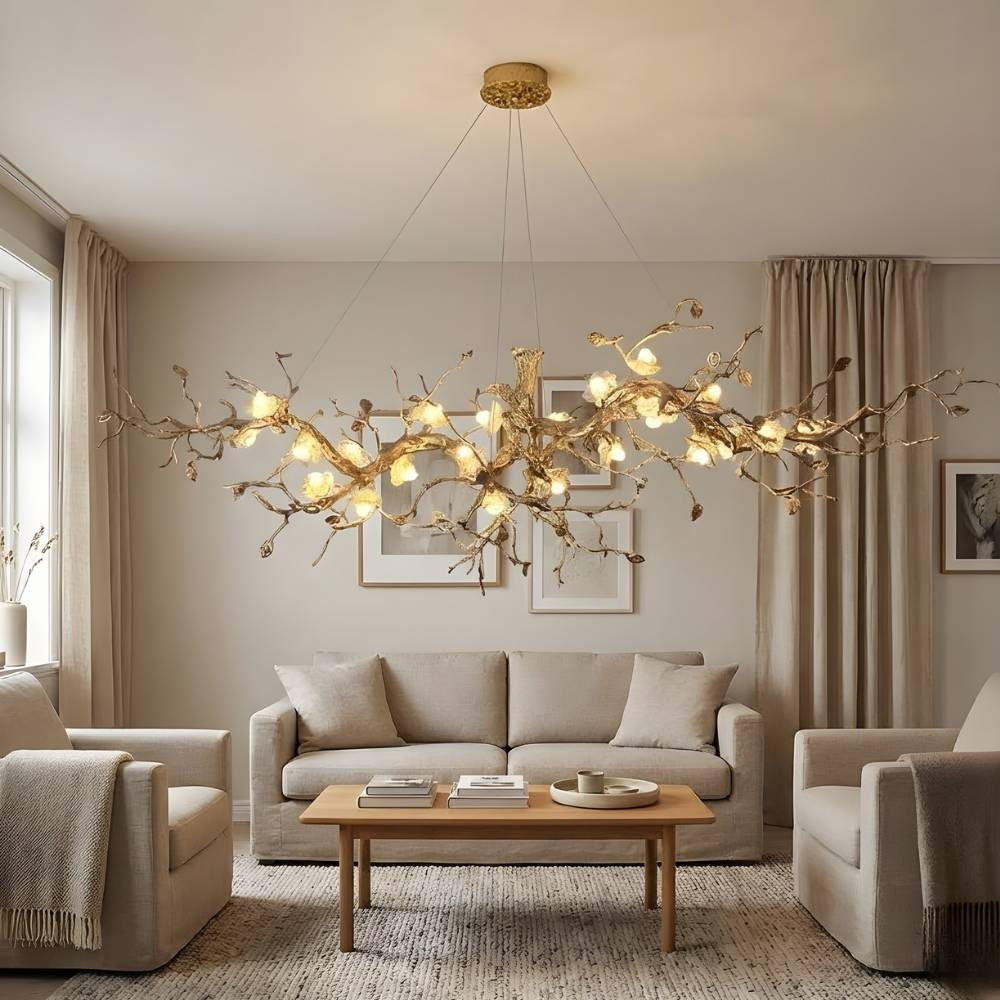
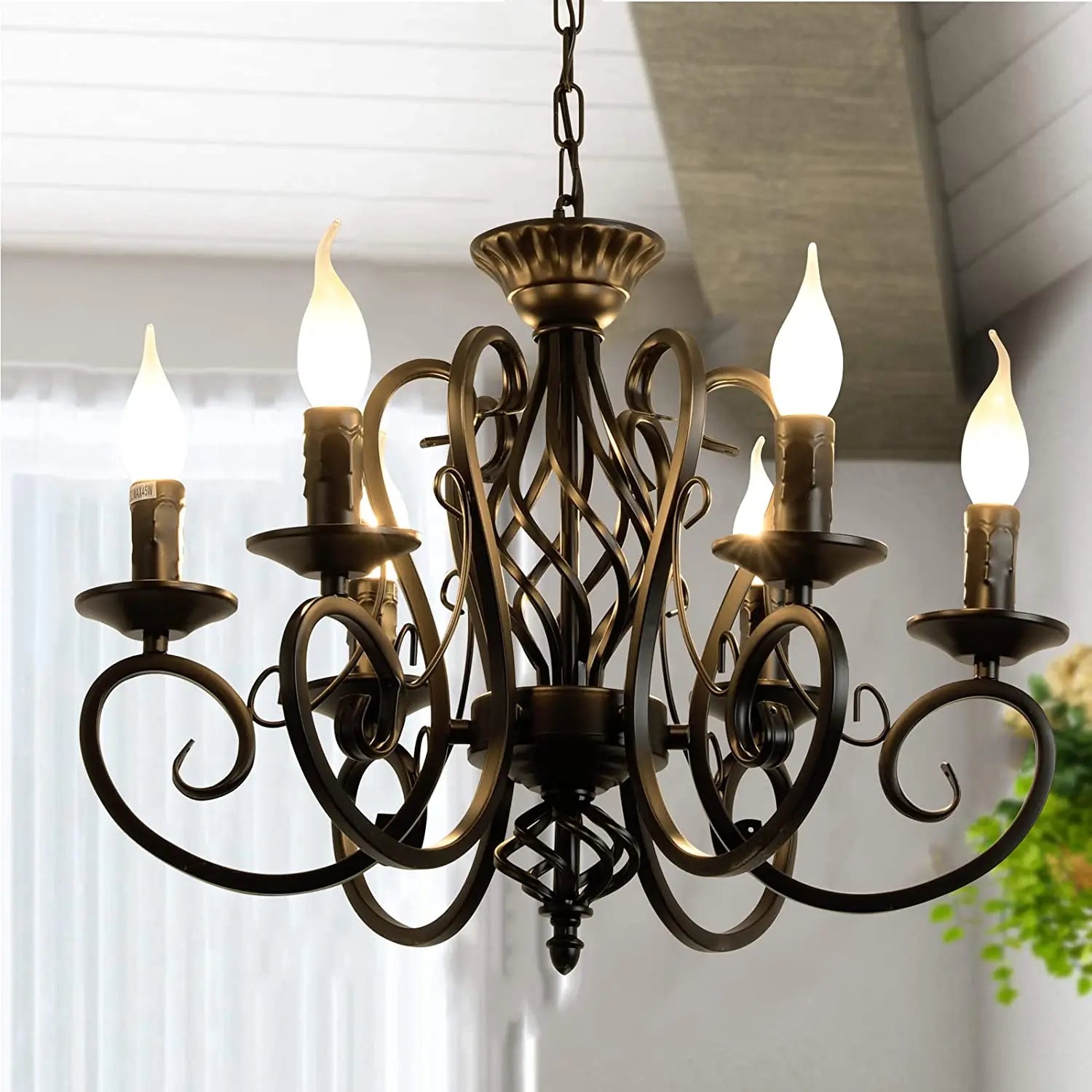
For wood accents, forged metal looks, branch silhouettes, and warmer farmhouse-leaning materials, browse rustic chandeliers. These usually suit rooms where you want more texture and less polished formality.
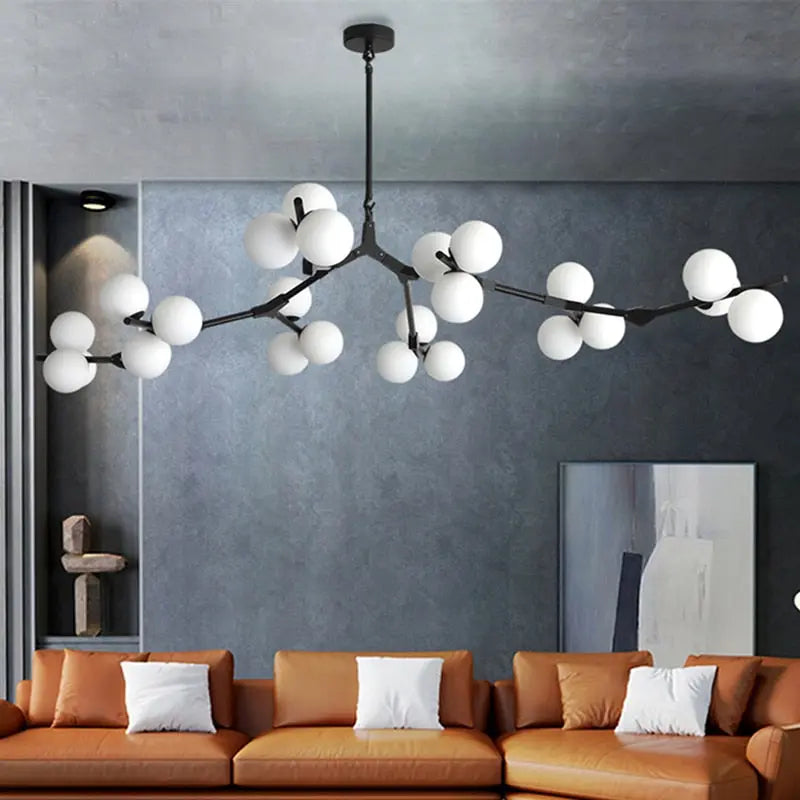
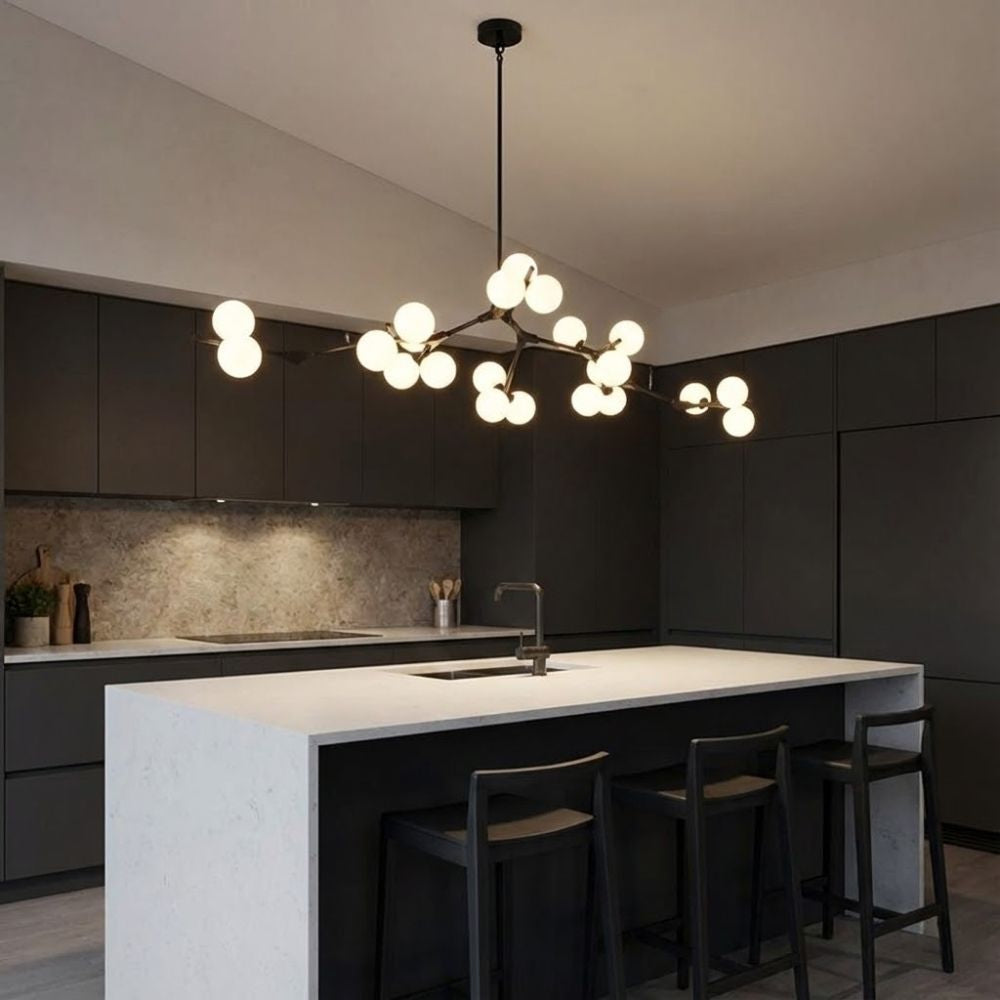
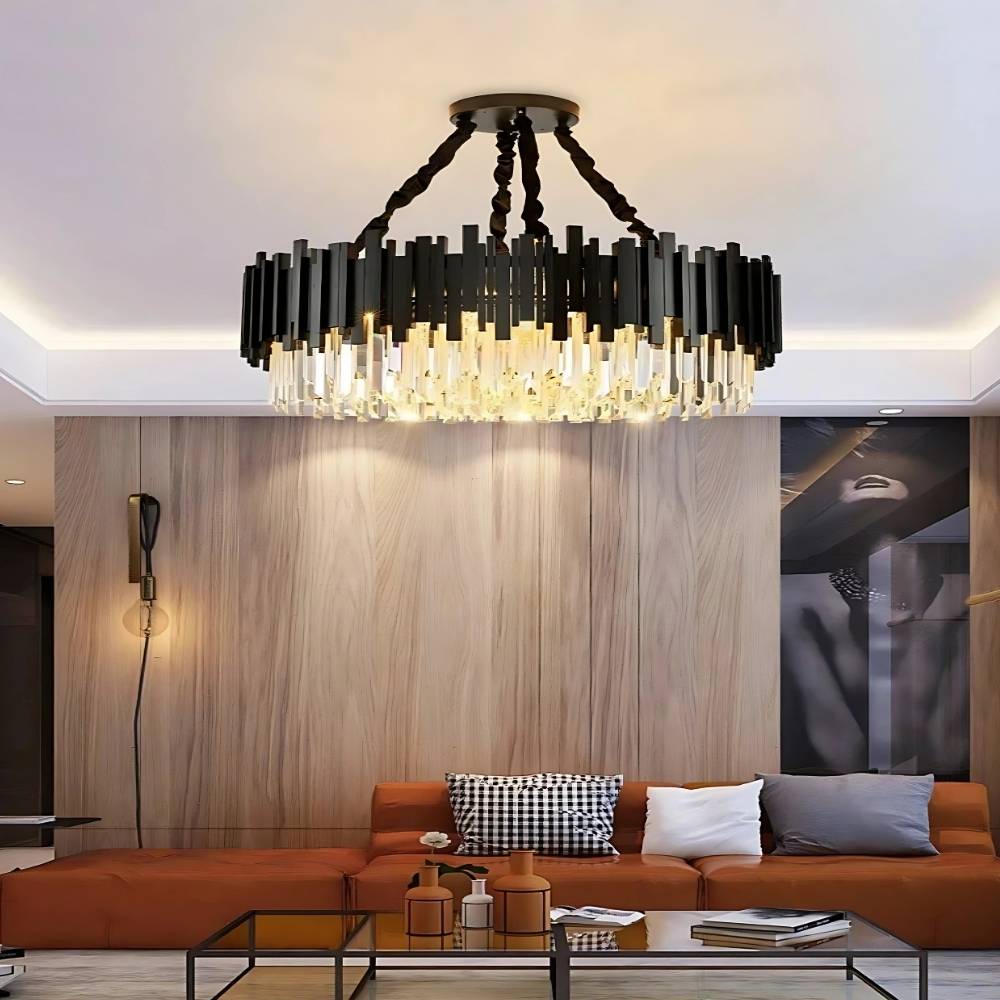
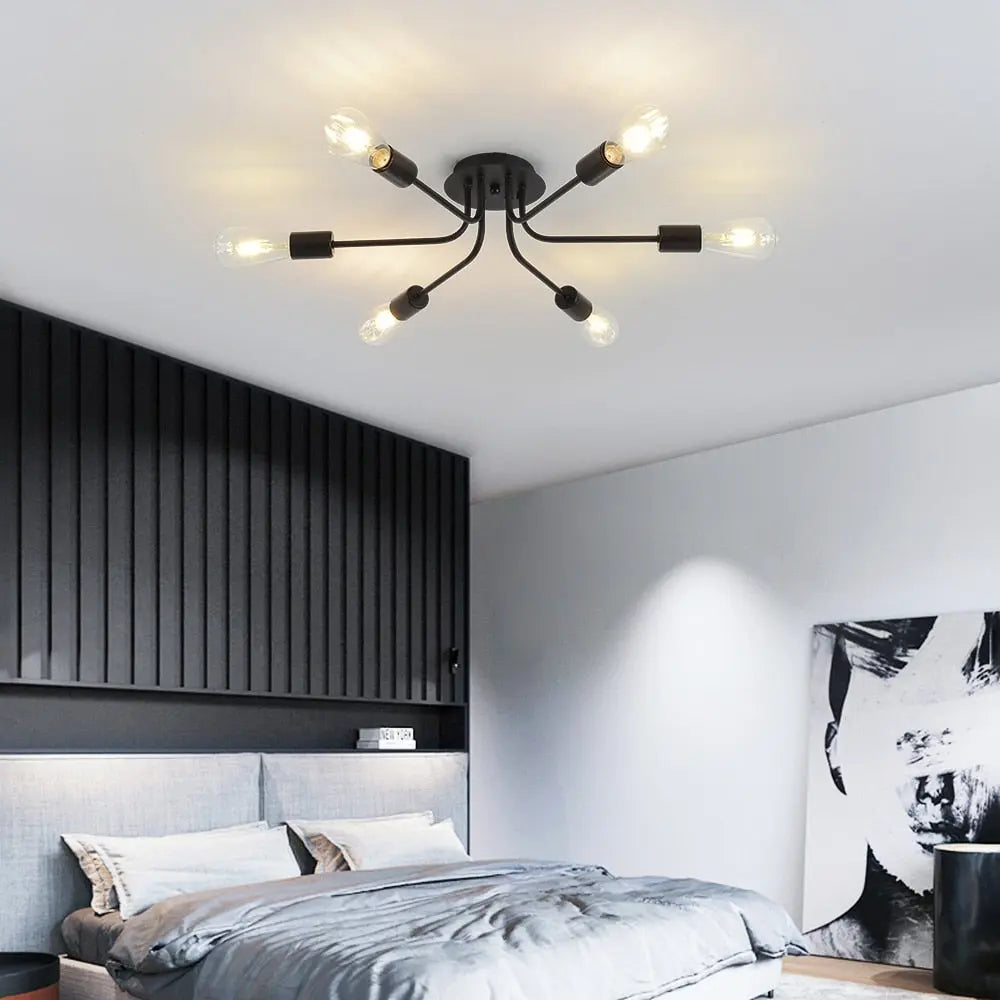
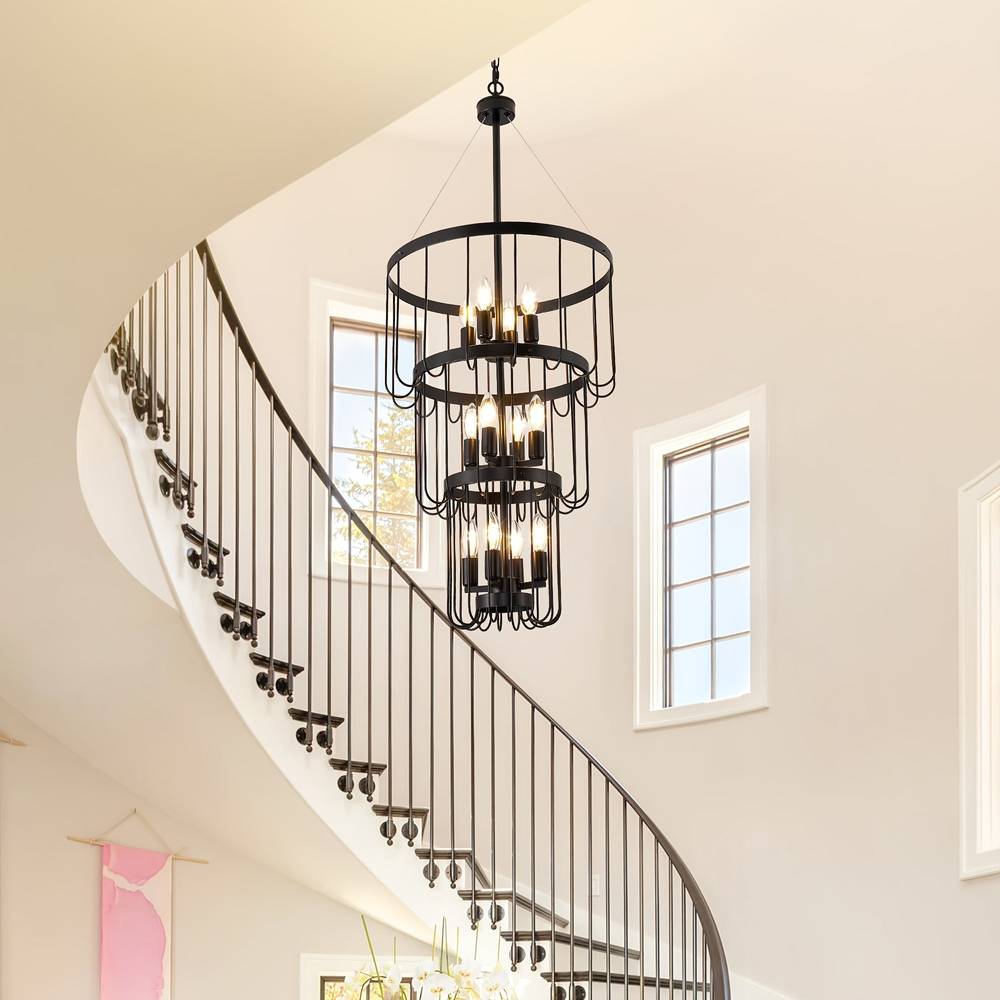
If contrast is part of the design direction, browse black chandeliers. Black frames can make a chandelier feel more structured, more graphic, and often more modern, especially against pale walls or lighter ceilings.
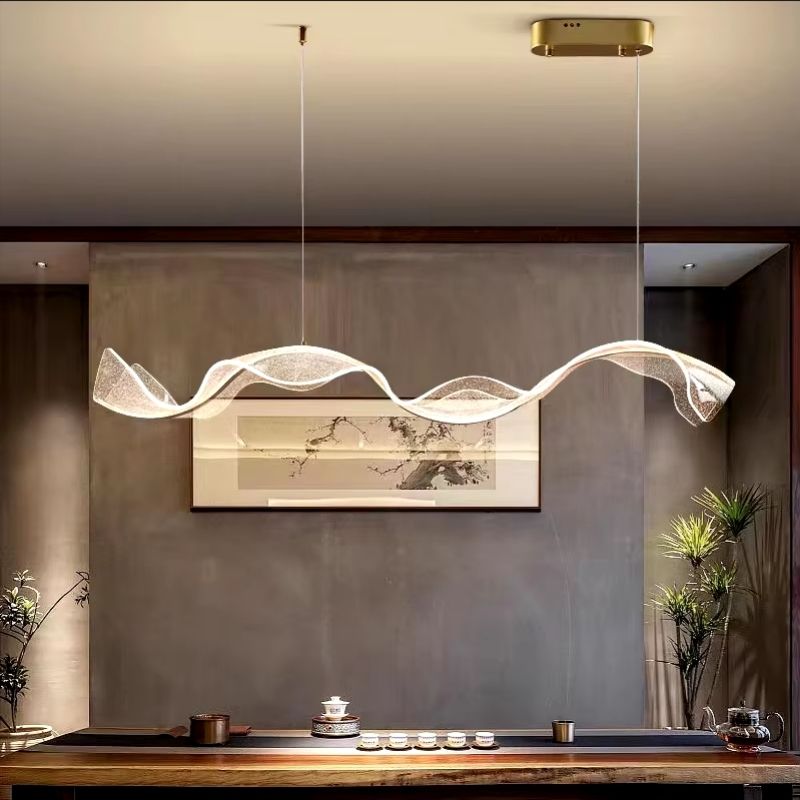
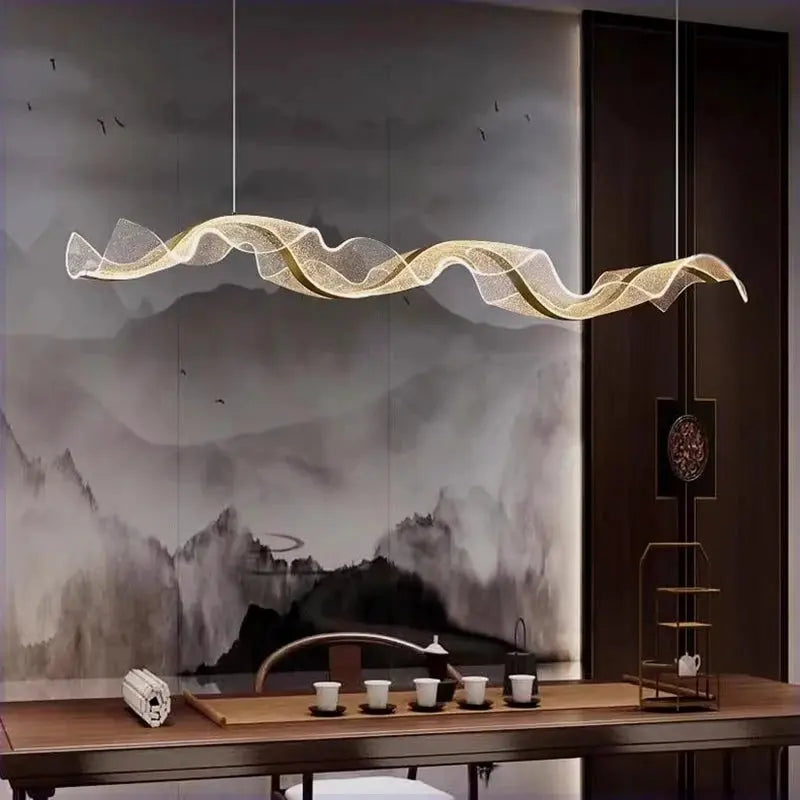
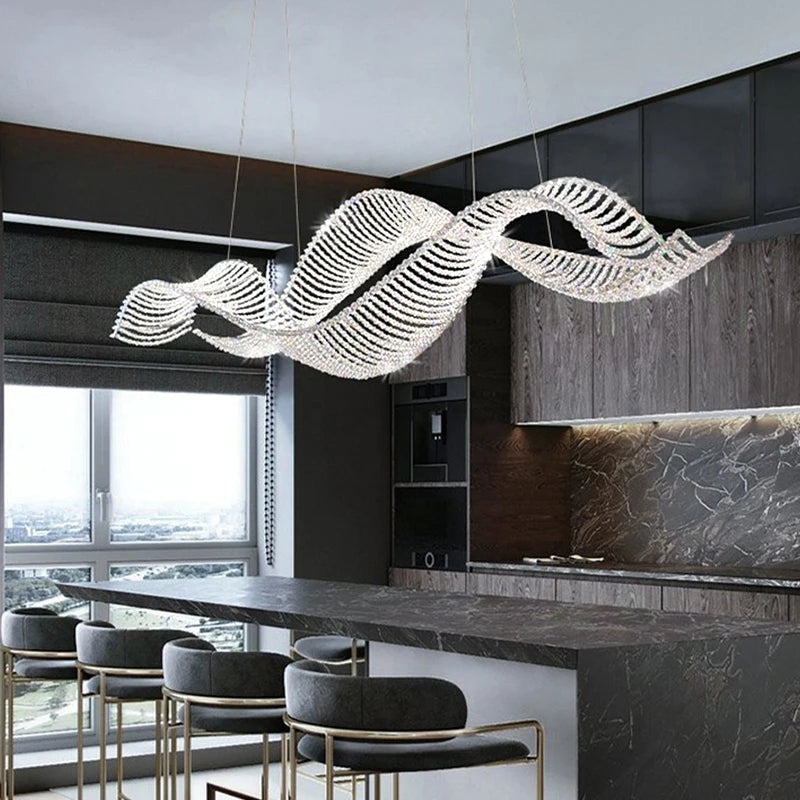
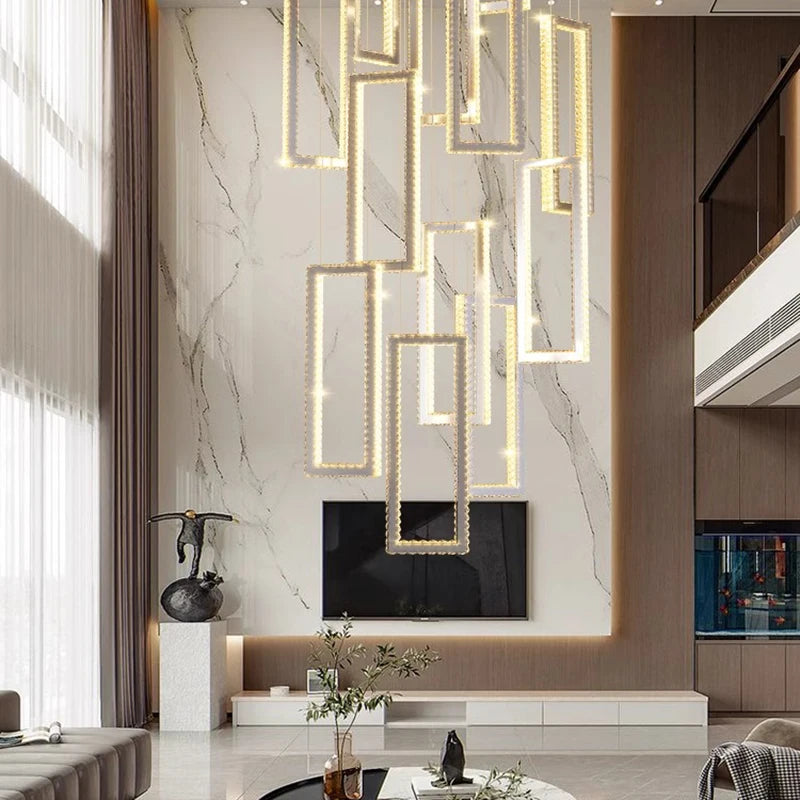
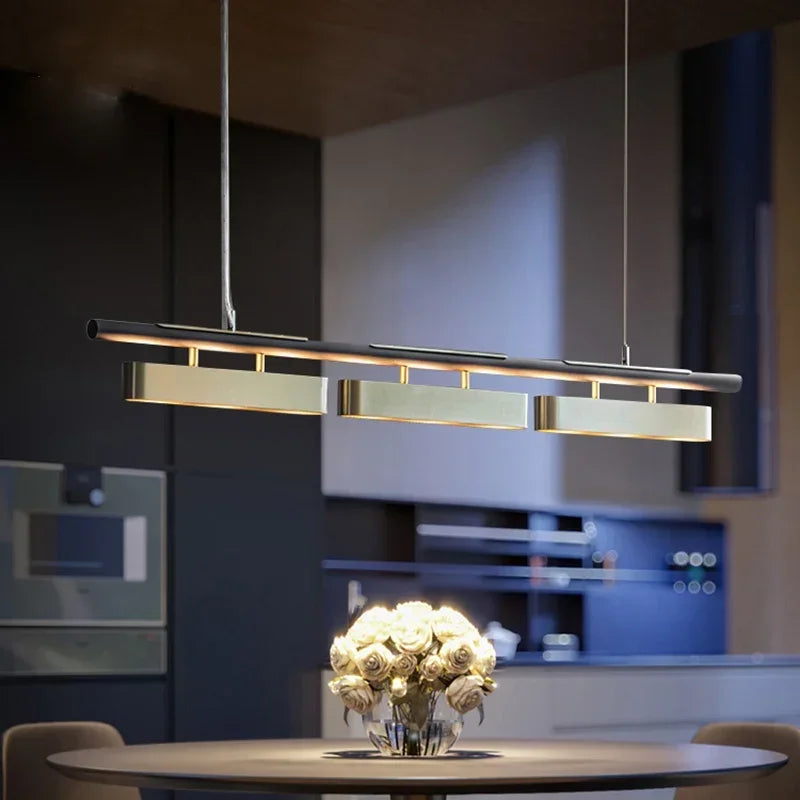
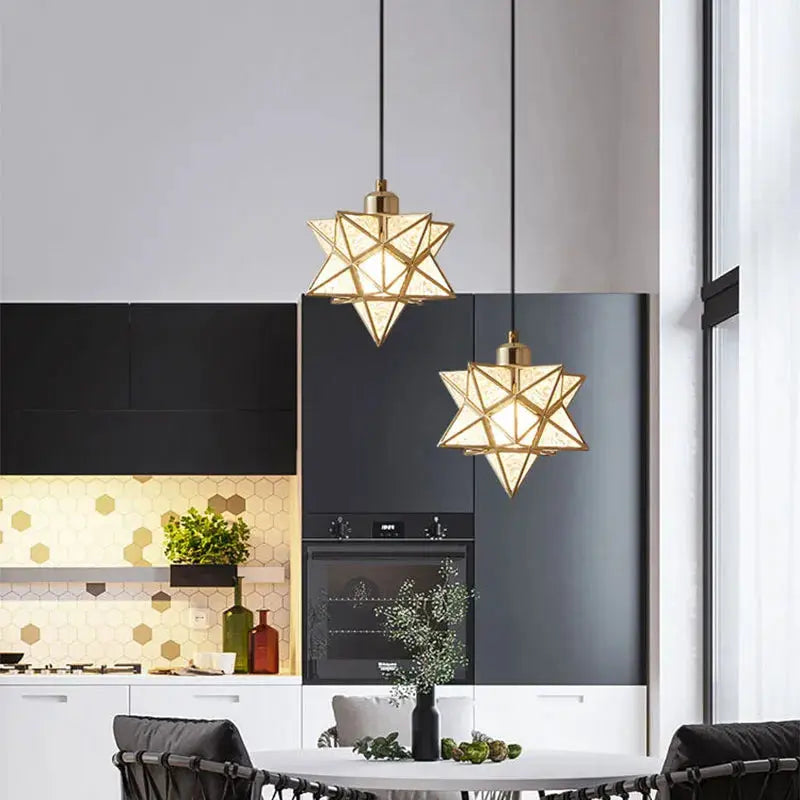
For rooms that need even light spread across a longer surface, browse rectangular chandeliers. These are especially useful over dining tables, kitchen islands, and long room footprints where a centered round fixture might feel too compact.
Shop Chandeliers by Ceiling Height
Ceiling height affects both chandelier size and chandelier depth. A fixture that works beautifully in a tall foyer may feel far too deep in a lower dining room or bedroom. That is why ceiling height should be one of the first practical filters when shopping.
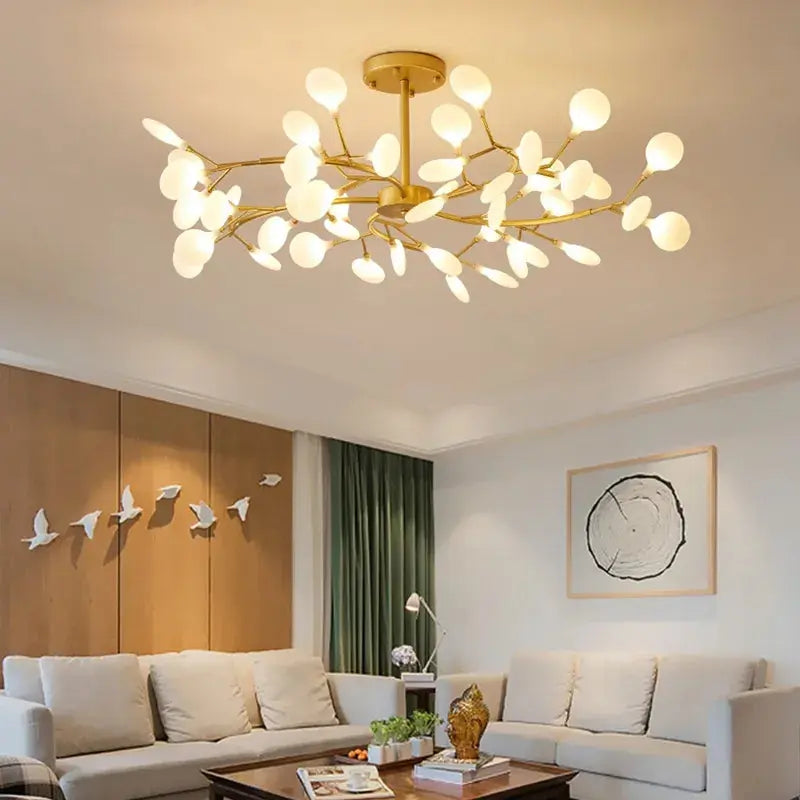
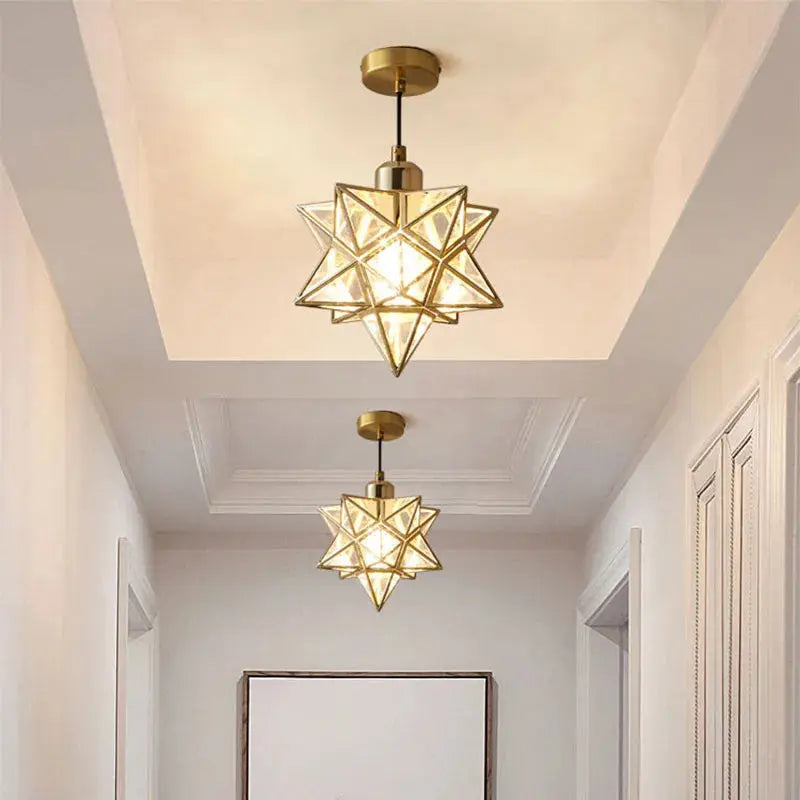
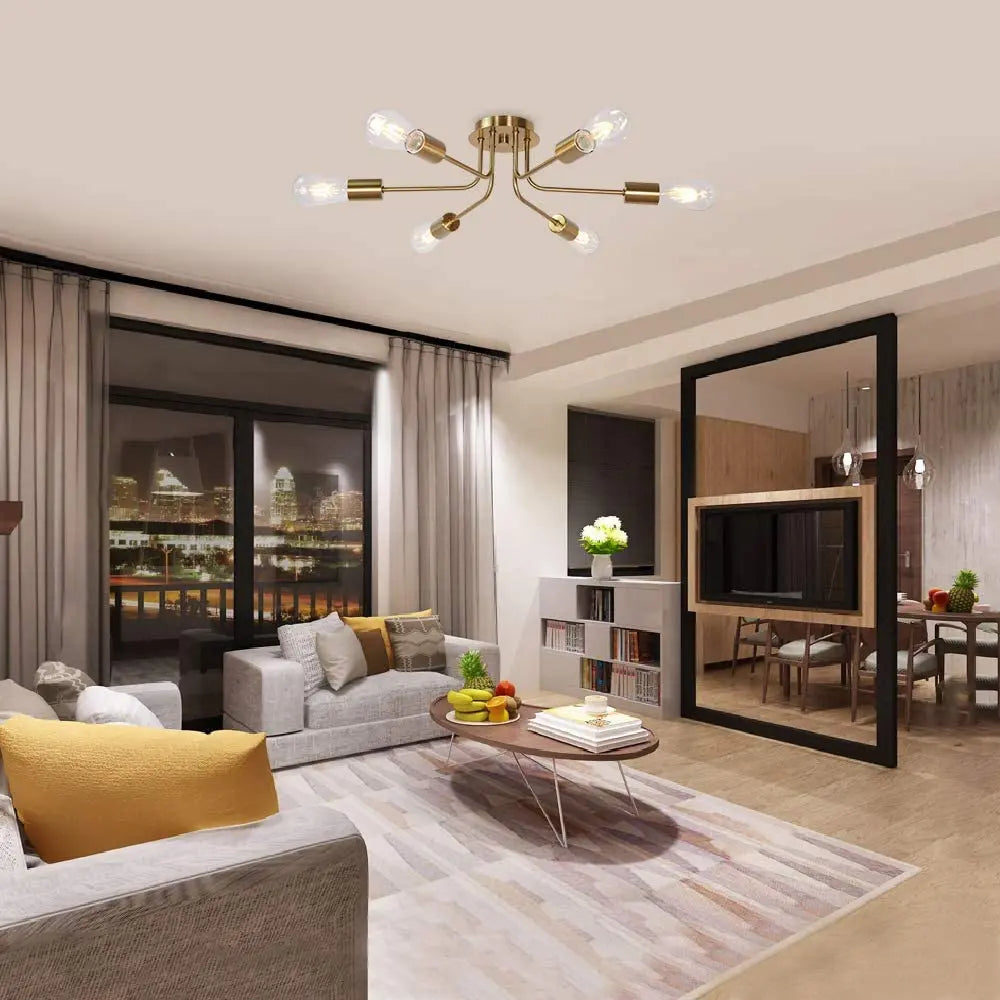
For lower ceilings and rooms that need a more controlled hanging depth, browse flush mount chandeliers. These styles keep the decorative effect of a chandelier while staying closer to the ceiling plane.
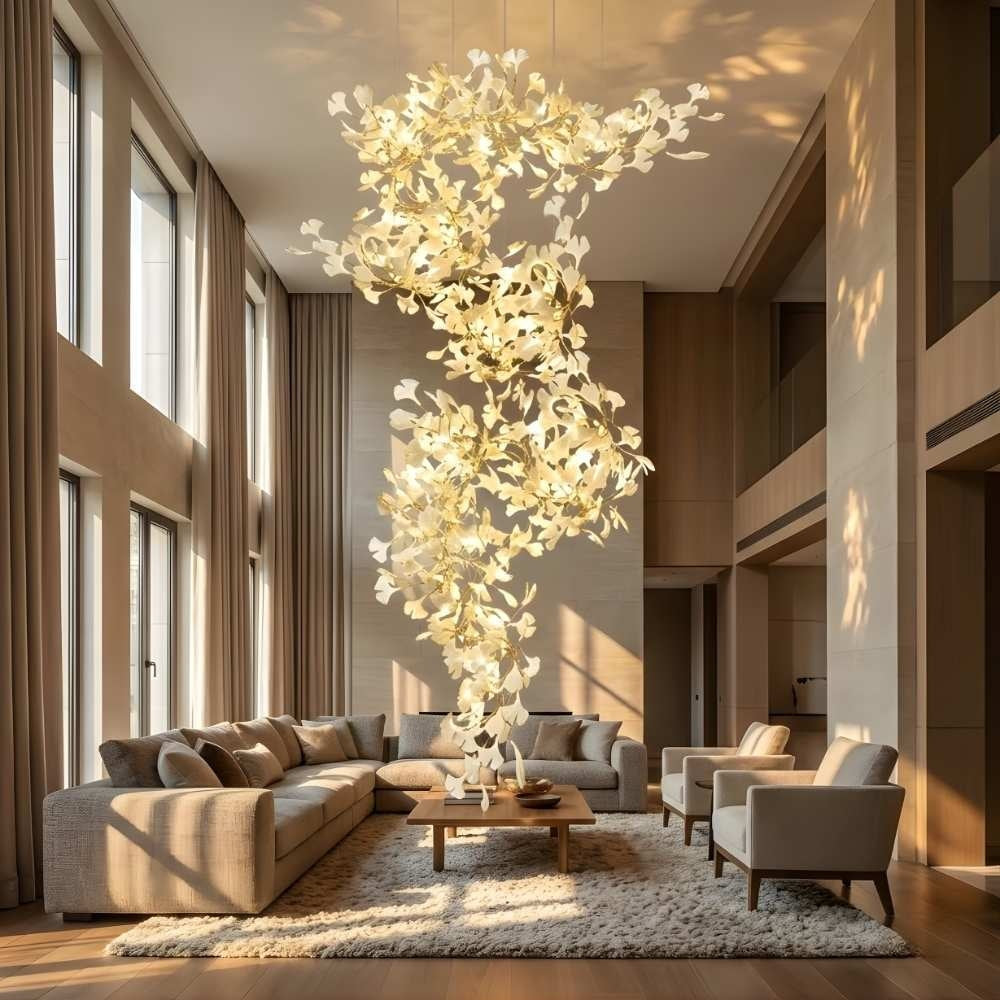
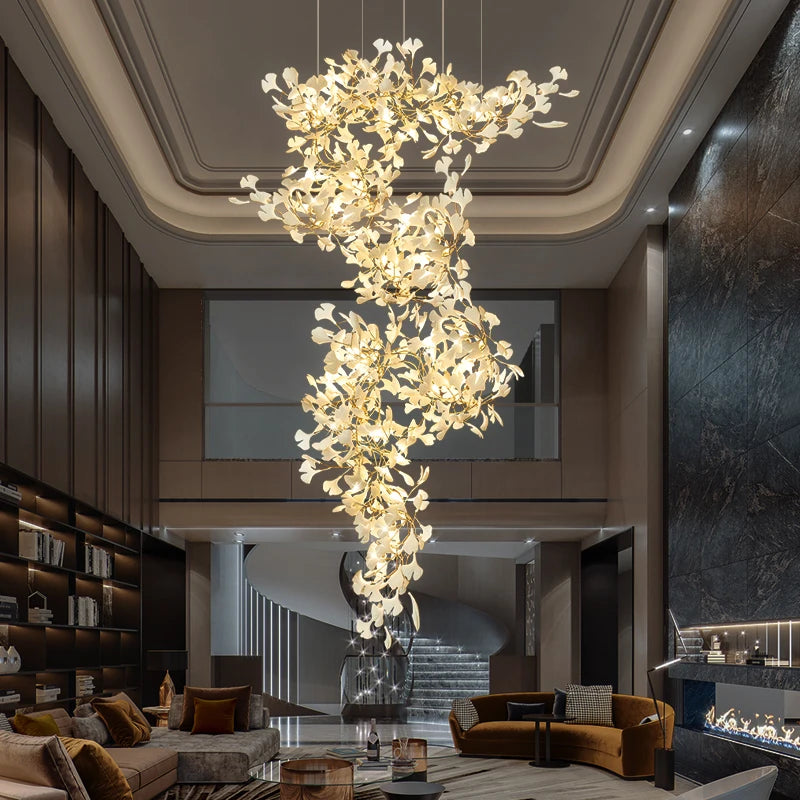
If your room has serious height and needs larger scale, browse huge chandeliers. These fixtures are designed for spaces where standard chandeliers disappear visually and where the room needs more body, more drop, or more overall presence.
For high entry volumes specifically, browse large foyer chandeliers. These are built for tall foyers that need both usable light and enough visual weight to feel proportional.
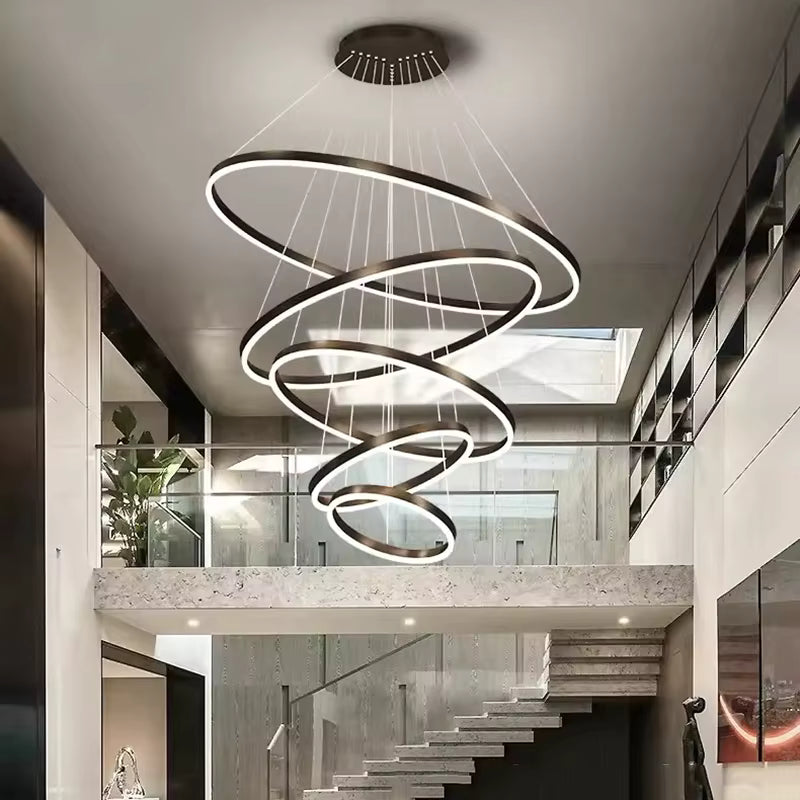
When the ceiling height is tied directly to a stair void or multi-level view, go back to staircase chandeliers. These styles are often the best fit for spaces where the chandelier must be read from several angles and floors instead of just one.
Shop Chandeliers by Finish and Shape
Finish and shape change the mood of the room in quieter but still important ways. Darker finishes usually create more contrast and edge definition. Warmer finishes often soften the space and add richness. Shape matters too. A round chandelier centers a room differently than a linear or branch-style fixture.
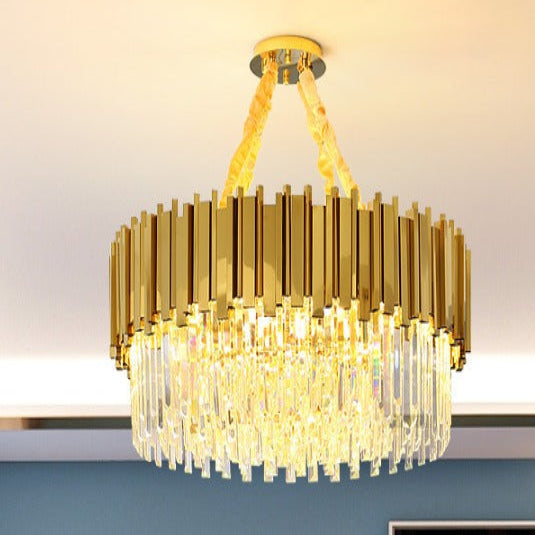
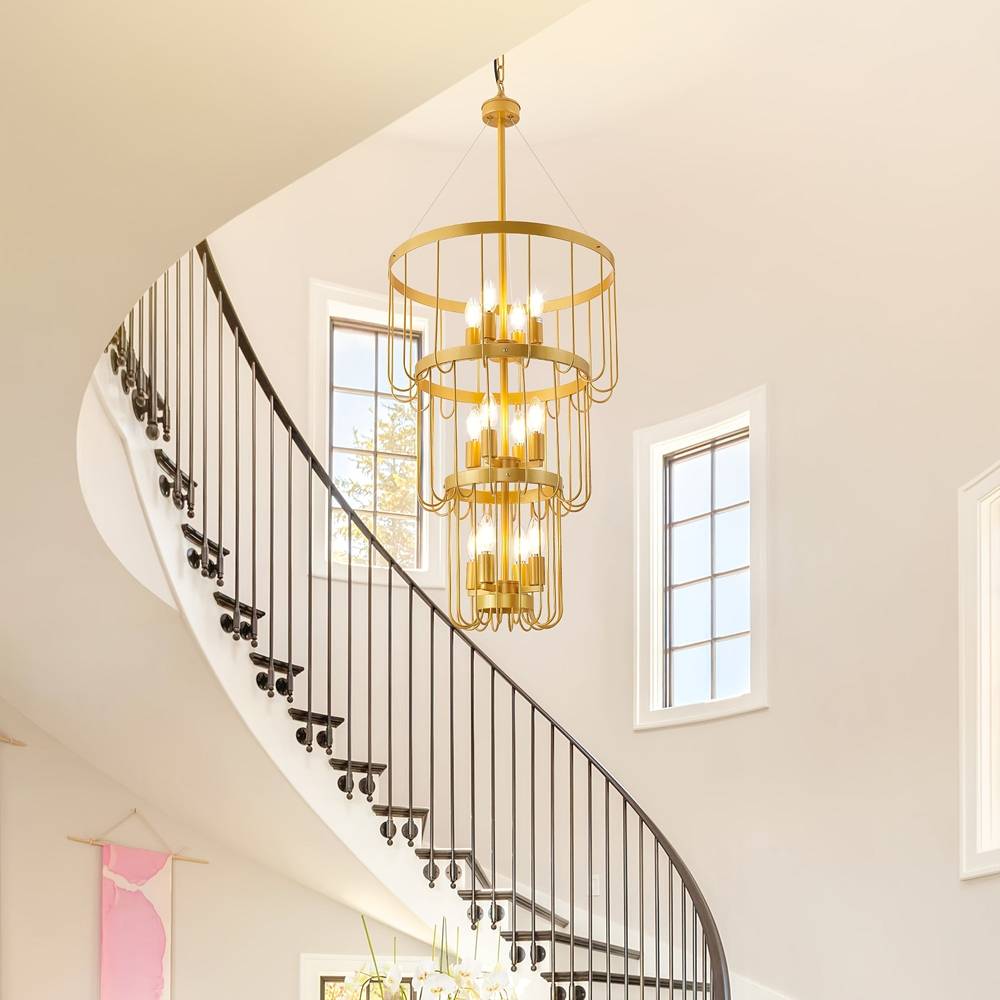
Black finishes are often the easiest way to give a chandelier more structure, which is one reason black chandeliers work so well in modern and transitional interiors. Brass and gold finishes usually bring more warmth and can help crystal or glass elements feel more inviting instead of sharp.
Round chandeliers often work best in centered layouts such as breakfast areas, smaller foyers, and rooms with round tables. Linear and rectangular chandeliers usually make more sense over long dining tables, islands, and elongated room layouts, which is why rectangular chandeliers are often a more practical choice than round forms in those spaces.
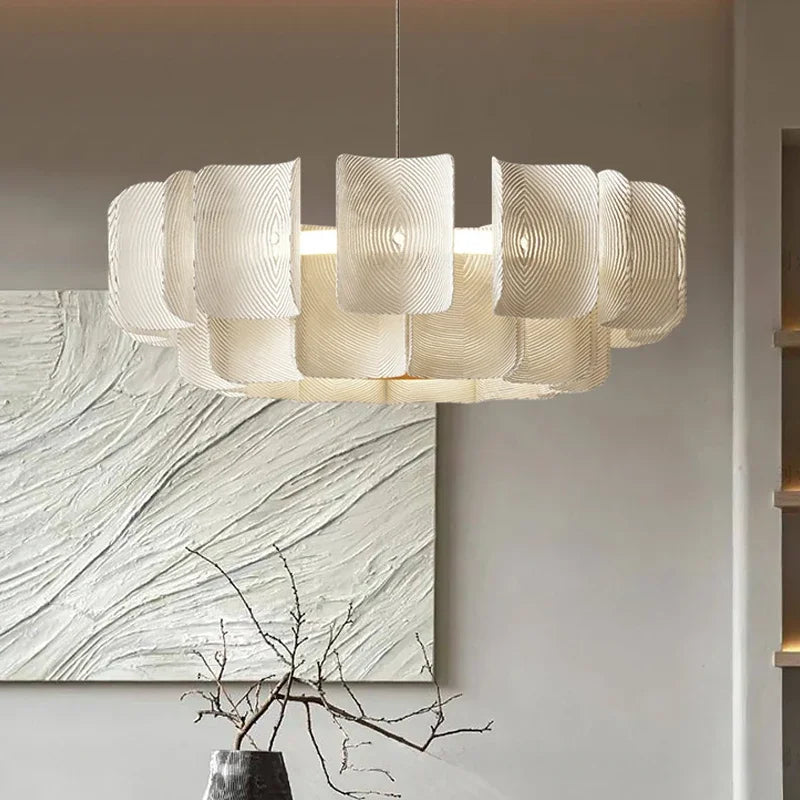
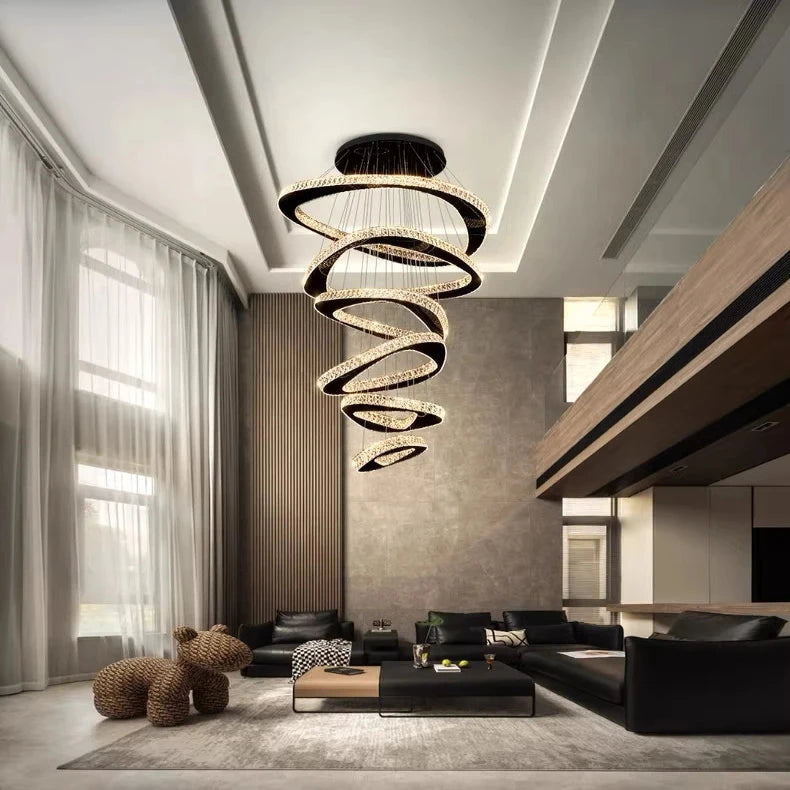
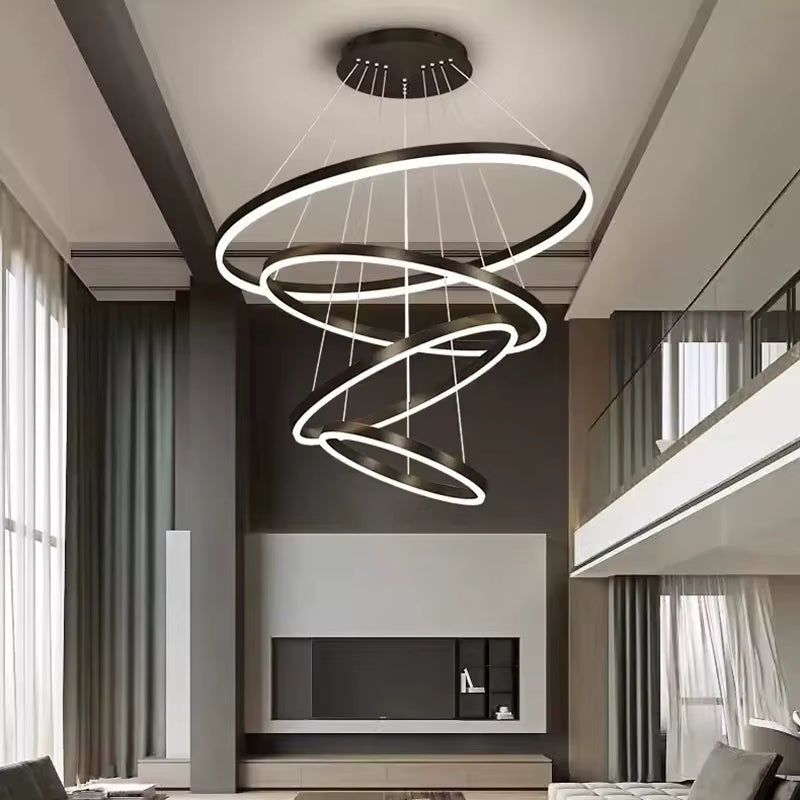
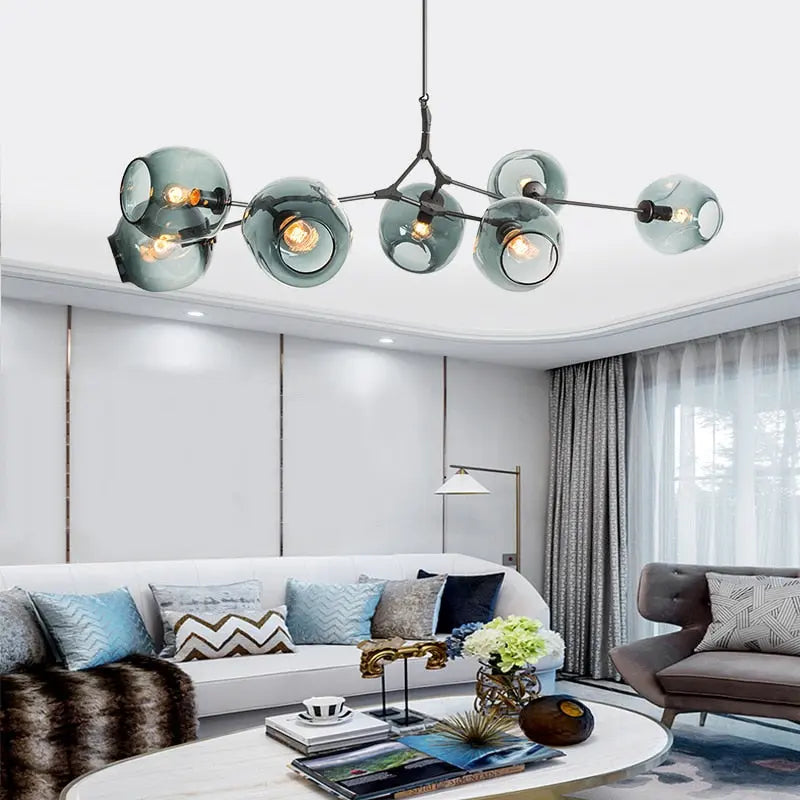
For more organic or sculptural shape directions, branch, globe, and ring chandeliers can help a room feel less rigid. These shapes are often chosen when the fixture needs to add movement as well as light. In modern rooms, ring and branch forms often work especially well because they fill space without always feeling visually dense.
How to Choose the Right Chandelier for Your Space
Start with the footprint of the room or the table. In dining rooms, the chandelier should usually relate first to the table. In open foyers and living rooms, it should feel proportional to the room volume and ceiling height. Then look at visual weight. Open frames usually feel lighter, while dense crystal bodies or larger layered silhouettes feel more substantial.
Ceiling height comes next. A room with a standard ceiling usually needs more controlled fixture depth, while taller ceilings can support larger or more vertical chandeliers. Finally, think about brightness and dimming. The best chandelier should not only look right in the room. It should also provide usable light for the way the room is actually used during the day and at night.
- Room size: the chandelier should feel connected to the room, not lost or oversized
- Ceiling height: the fixture depth and drop should suit the vertical space
- Table or room footprint: dining chandeliers should usually match the table shape more than the whole room
- Visual weight: open fixtures feel lighter, layered fixtures feel heavier
- Brightness and dimming: choose a chandelier that works for both function and mood
Quick tips
- Low ceilings: Choose airy frames or compact tiers to avoid visual weight.
- Tall spaces: Multi-tier silhouettes fill vertical volume without glare.
- Glare control: Diffusers, shades, or frosted bulbs soften points of light.
- Sizing help: See our Chandelier Size Guide for formulas and real-room examples.
Most orders include free worldwide shipping and 20-day returns. Need help confirming drop length or dimmer compatibility? Contact us—our team is happy to help.
