

La iluminación da forma a la primera impresión de un hogar, especialmente en entradas de gran altura y escaleras espectaculares. En espacios como estos, la lámpara principal no es un pequeño accesorio. Se convierte en un elemento arquitectónico visible que afecta la proporción, las líneas de visión y cómo se percibe la entrada desde la puerta principal, el giro de la escalera y el rellano superior.
Muchos propietarios planifican la iluminación de la entrada pensando en la longevidad. Los controles inteligentes, la regulación de la luz y la eficiencia LED pueden mejorar el confort diurno y nocturno, así como el atractivo para los compradores, pero el factor más importante sigue siendo la escala y la ubicación. Una lámpara central bien elegida ayuda a conectar la puerta principal, la escalera y el rellano superior en una composición coherente.
Conclusiones Clave
| Pregunta Común | Respuesta Breve |
|---|---|
| ¿Qué iluminación funciona mejor para vestíbulos grandes? | Lámparas de gran escala diseñadas para volúmenes altos, elegidas tanto por su diámetro como por su caída. El objetivo es lograr presencia sin obstruir la circulación. |
| ¿Qué tipo de iluminación es adecuada para escaleras? | Arañas verticales y diseños en cascada de varias luces que se mantengan legibles desde la puerta principal, el giro de la escalera y el rellano superior. |
| ¿Cómo estimo el diámetro de una araña para una entrada alta? | Sume el largo y el ancho de la habitación (en pies), luego use el total como pulgadas para un diámetro inicial. Luego ajuste por peso visual y altura del techo. |
| ¿Cómo estimo la altura de una araña para techos altos? | Una guía común es de aproximadamente 2.5 a 3 pulgadas de altura del cuerpo de la lámpara por cada pie de altura del techo, y luego afinar según la apertura y densidad de la habitación. |
| ¿A qué altura debe quedar la parte inferior de la lámpara? | Prevea al menos 7 pies de espacio libre desde el suelo hasta la parte inferior de la araña, y luego elévela para vestíbulos muy altos o lámparas densas. |
| ¿Las escaleras necesitan iluminación en capas? | Sí. Combinar una lámpara central con iluminación de peldaños o de pared mejora la seguridad y añade profundidad por la noche. |
Marco de Decisión Rápida: Conectado a la Escalera vs. No Conectado a la Escalera
| Si su vestíbulo está conectado a la escalera | Si su vestíbulo no está conectado a la escalera |
|---|---|
| Priorice la legibilidad vertical desde tres puntos de vista: puerta principal, giro de la escalera y rellano. Las cascadas, las caídas de varias luces y las formas alineadas en diagonal suelen funcionar mejor. | Priorice el equilibrio centrado y el diámetro. Los racimos abiertos y las siluetas anchas pueden llenar el espacio sin necesidad de una larga extensión vertical. |
| Añada iluminación en capas en las escaleras para que la araña principal pueda centrarse en la presencia. Las luces de peldaños y de pared se encargan de la seguridad y la orientación. | Añada iluminación en capas en el perímetro (apliques o luces de pared) para evitar una luminosidad excesiva solo desde arriba. |
Por Qué una Gran Iluminación de Entrada Organiza Todo el Hogar
Un gran vestíbulo no es solo una habitación. Es el ancla vertical que conecta la entrada, la escalera y el rellano superior. Cuando la lámpara principal está correctamente escalada, une los pisos y le da a la entrada una jerarquía clara.
Los diseñadores suelen tratar la iluminación del vestíbulo como parte del plano de planta. La altura del techo, la dirección de la escalera, la posición del rellano y los ángulos de visión desde la puerta principal influyen en el mejor tipo de lámpara. El objetivo no es simplemente la luminosidad. Es un punto focal que hace que el espacio se sienta estructurado y equilibrado.
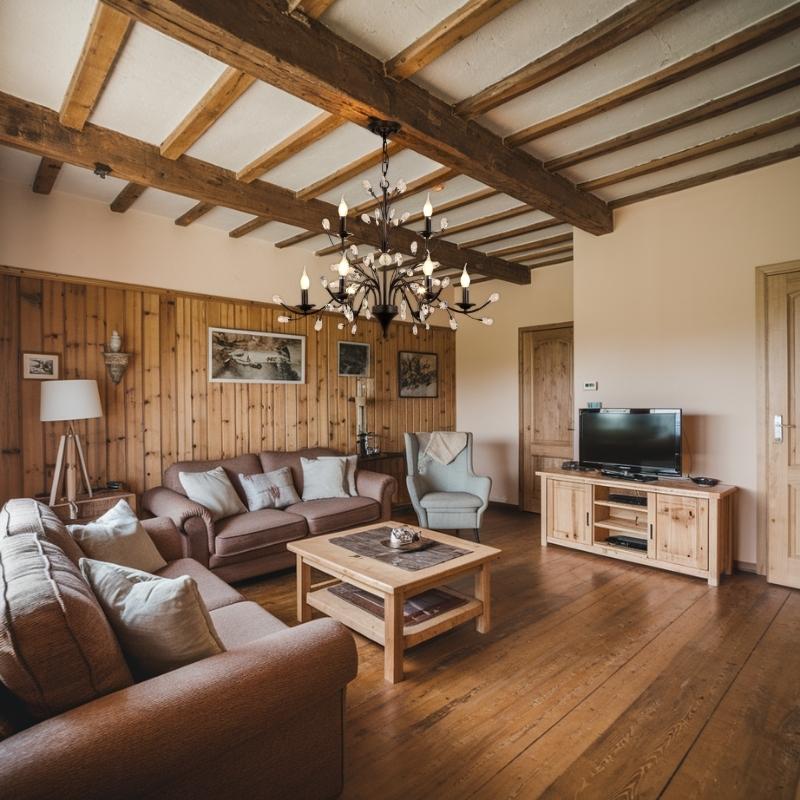
Idea 1: Utilice Reglas de Escala que Coincidan con un Volumen de Dos Pisos
La escala es el desafío más común en la iluminación de entradas grandes. Una lámpara demasiado pequeña desaparece en la altura. Una lámpara demasiado grande puede hacer que el espacio se sienta abarrotado y pesado en la parte superior.
Los diseñadores a menudo comienzan con dos guías prácticas. Primero, estime el diámetro de la araña sumando el largo y el ancho de la habitación en pies y usando ese número en pulgadas. Segundo, estime la altura del cuerpo de la lámpara usando aproximadamente de 2.5 a 3 pulgadas por cada pie de altura del techo. Estas reglas no reemplazan el juicio, pero evitan los errores más grandes en volúmenes altos.
- Altura típica de entrada de dos pisos: a menudo alrededor de 18 a 24 pies
- Rango típico de altura del cuerpo de la lámpara: a menudo alrededor de 45 a 70 pulgadas, dependiendo de la densidad y el diseño
- Guía de espacio libre mínimo: mantenga la parte inferior de la lámpara al menos 7 pies por encima del suelo, luego elévela según sea necesario
Estas pautas ayudan a mantener la araña visible desde ambos niveles mientras se mantiene la circulación abierta debajo de ella. Si desea un enfoque más profundo y basado en mediciones, esta guía de tamaño y ubicación es un compañero útil: guía de tamaño, caída y peso visual.
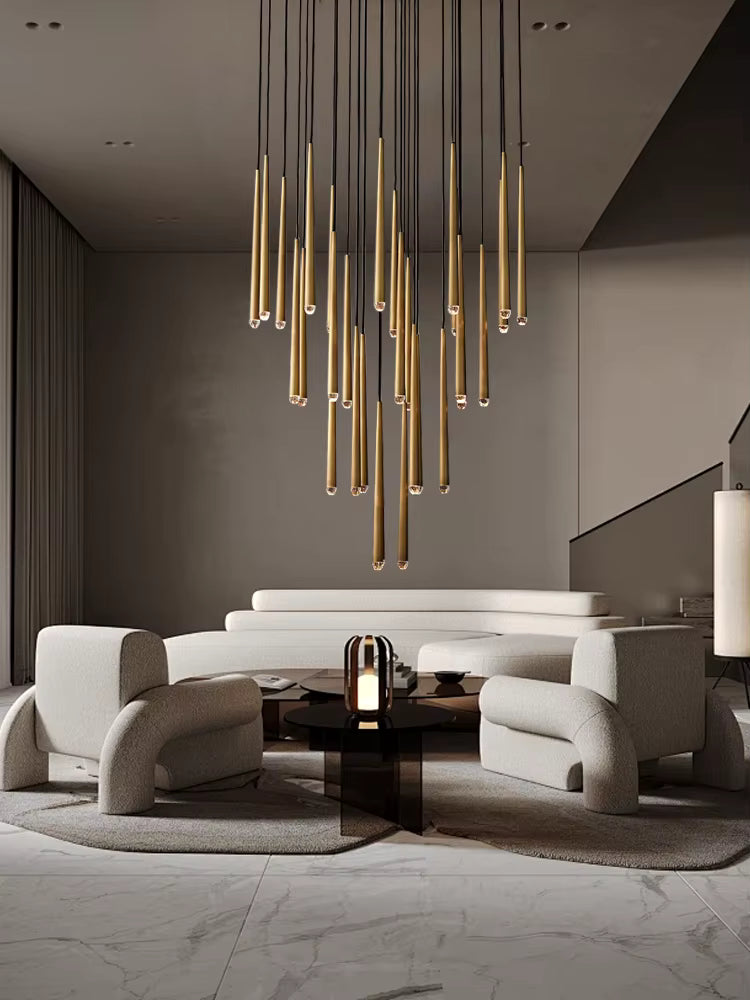
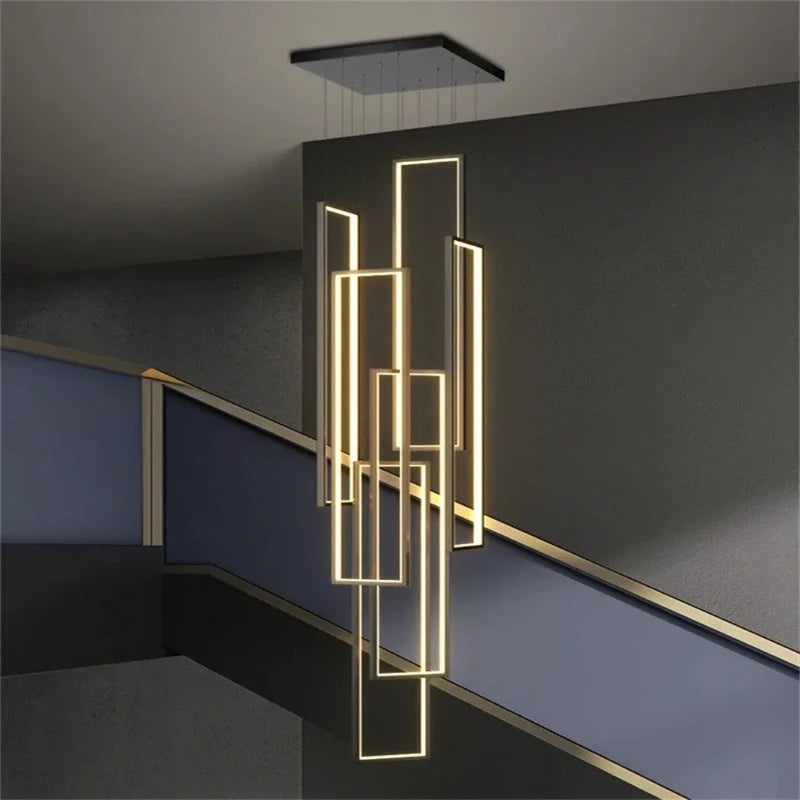
Idea 2: Elija Acrílico Arquitectónico Cuando Desee Geometría Limpia
La geometría limpia es común en los hogares contemporáneos. Las lámparas de acrílico funcionan bien en vestíbulos altos porque se sienten arquitectónicas en lugar de ornamentadas, y a menudo mantienen el peso visual más ligero que los cuerpos de cristal densos del mismo tamaño.
Estos diseños con frecuencia combinan la forma escultórica con iluminación LED integrada. El resultado es una pieza destacada que se mantiene legible tanto desde la vista inferior de la entrada como desde la vista superior del rellano.
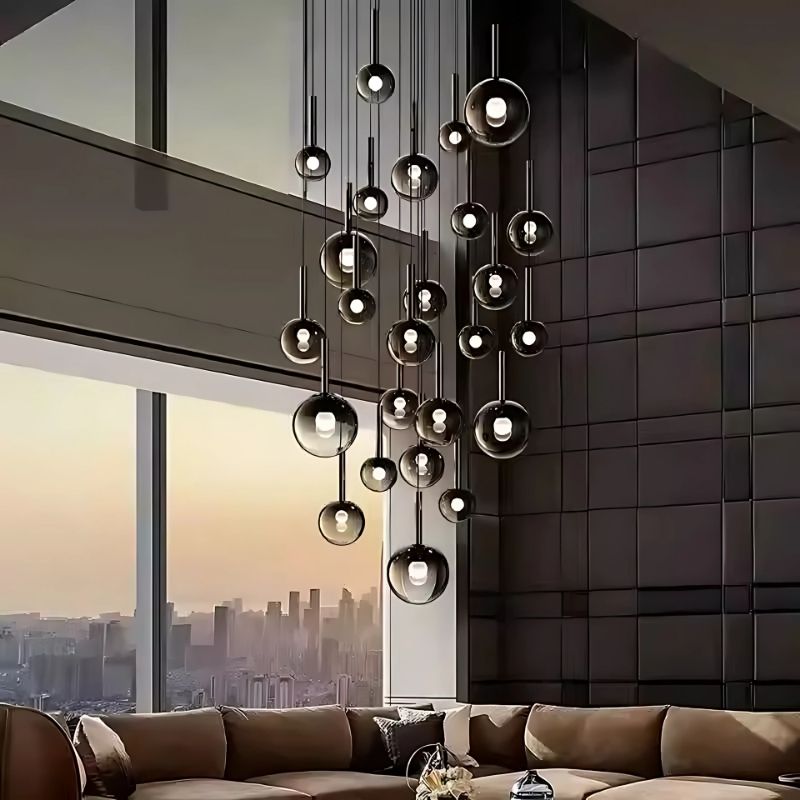
Idea 3: Utilice Cascadas Verticales para Conectar la Escalera y el Rellano
Los vestíbulos conectados a la escalera rara vez lucen mejor con lámparas compactas. Una cascada vertical refleja el movimiento ascendente de la escalera y ayuda a conectar la entrada inferior con el rellano superior como una sola composición.
Estas lámparas funcionan mejor cuando se mantienen legibles desde múltiples puntos de vista. Verifique tres líneas de visión antes de finalizar la caída: desde la puerta principal, desde el giro de la escalera (a mitad de tramo) y desde el rellano o pasillo superior. Una araña que se ve equilibrada desde un solo punto de vista a menudo se ve mal una vez que te mueves por el espacio.
Consejos de colocación específicos para escaleras que usan los diseñadores:
- Alinear con la trayectoria de la escalera: en muchos hogares, una ligera alineación diagonal se ve más natural que forzar una simetría perfecta de centro a suelo.
- Proteger las líneas de visión: evite colocar la parte más densa de la lámpara directamente a la altura de los ojos desde el rellano.
- Controlar el deslumbramiento: si la lámpara incluye puntos expuestos, apúntelos lejos de la línea de ascenso de la escalera para que los escalones no se sientan ásperos por la noche.

Esta guía visual destaca varios enfoques destacados para vestíbulos y escaleras altos, incluyendo cascadas, racimos e iluminación en capas.
Idea 4: Construya la Entrada Alrededor de una Declaración Orgánica en Forma de Rama
Las arañas de ramas introducen una estructura orgánica en los espacios de entrada altos. En lugar de una simetría rígida, la lámpara se extiende hacia afuera como un dosel. Esa extensión hacia afuera puede ayudar a que los vestíbulos anchos se sientan llenos sin requerir un cuerpo pesado estilo farol.
Este enfoque funciona especialmente bien cuando la entrada tiene múltiples ángulos de visión y barandillas de escalera abiertas. La luz puede viajar a través de las paredes y las superficies de la escalera de manera más uniforme cuando la lámpara tiene múltiples brazos y fuentes más distribuidas.
La Araña Rama de Árbol Alba es una pieza central grande con un precio de $4,799.99. Sus brazos ramificados crean un brillo en capas que puede llenar amplios vestíbulos con una sensación más escultural que una araña tradicional de niveles.
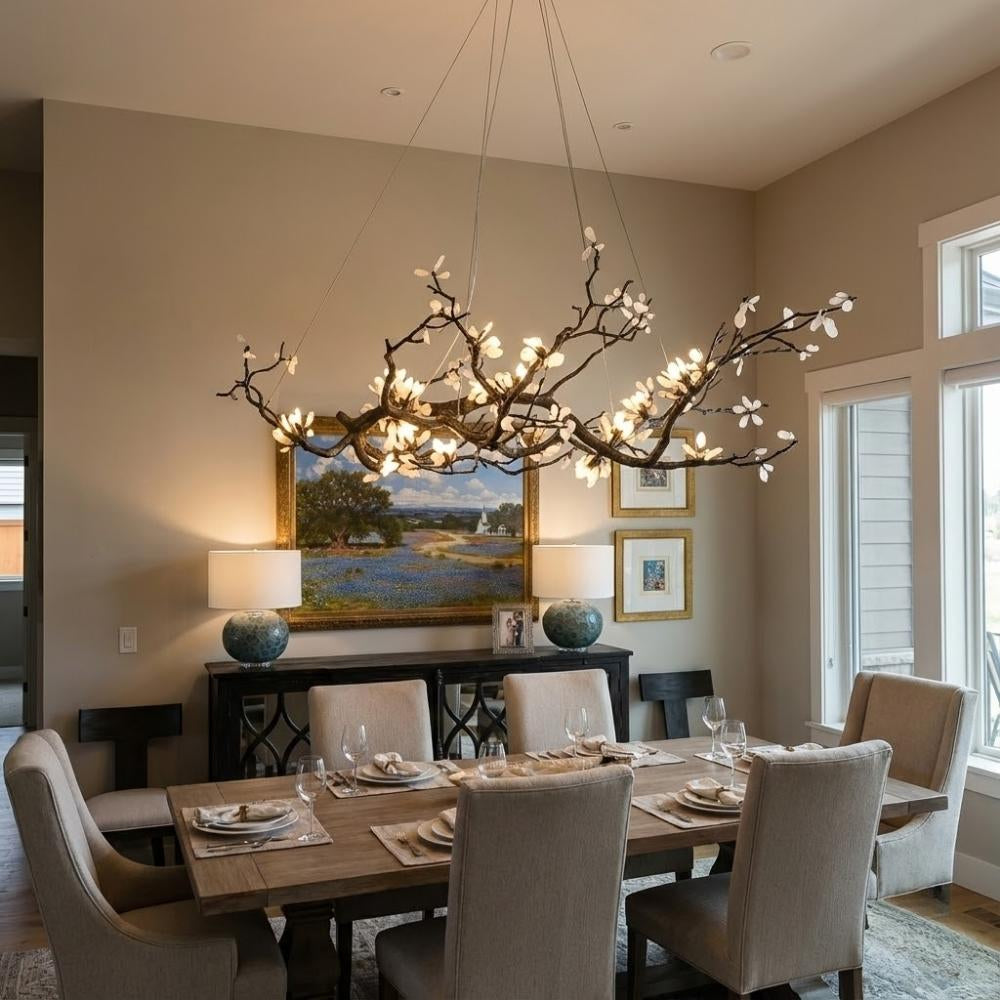
Nota de diseño: Las siluetas orgánicas y la asimetría se utilizan a menudo para evitar que los grandes volúmenes se sientan demasiado formales. Estas formas pueden añadir movimiento sin dejar de sentirse modernas, especialmente cuando el marco permanece abierto y el acabado es limpio.
Idea 5: Combine Lámparas Lineales con el Movimiento Diagonal de la Escalera
Las arañas lineales son una combinación excelente para escaleras que se extienden diagonalmente a través de un espacio abierto. La forma alargada puede hacer eco de la dirección de las escaleras, creando una composición equilibrada vista desde ambos niveles.
La Araña Rama Lineal Declarativa Orgi, con un precio de alrededor de $899.99, combina acentos de cristal con una estructura de rama contemporánea. Esta silueta híbrida puede funcionar en hogares donde la arquitectura es moderna pero el propietario aún desea detalles reflectantes.

Idea 6: Utilice Vidrio Decorativo y Cristal Cuando la Arquitectura Sea Clásica
No todas las grandes entradas son minimalistas. Los hogares tradicionales a menudo se benefician de lámparas decorativas que hacen referencia al lenguaje de diseño histórico. El cristal, las flores de vidrio y el trabajo de metal detallado pueden introducir riqueza visual sin abrumar la arquitectura, siempre que la lámpara esté escalada correctamente y la caída sea controlada.
La Araña de Flores Vintage Zenth, con un precio de $2,999.99, combina pétalos de vidrio escultóricos con una caída vertical. Este tipo de lámpara a menudo funciona bien en vestíbulos de dos pisos con escaleras curvas o barandillas tradicionales, donde una barra moderna y rígida podría verse fuera de lugar.
Idea 7: Iluminación de Escalera en Capas para Seguridad y Confort Nocturno
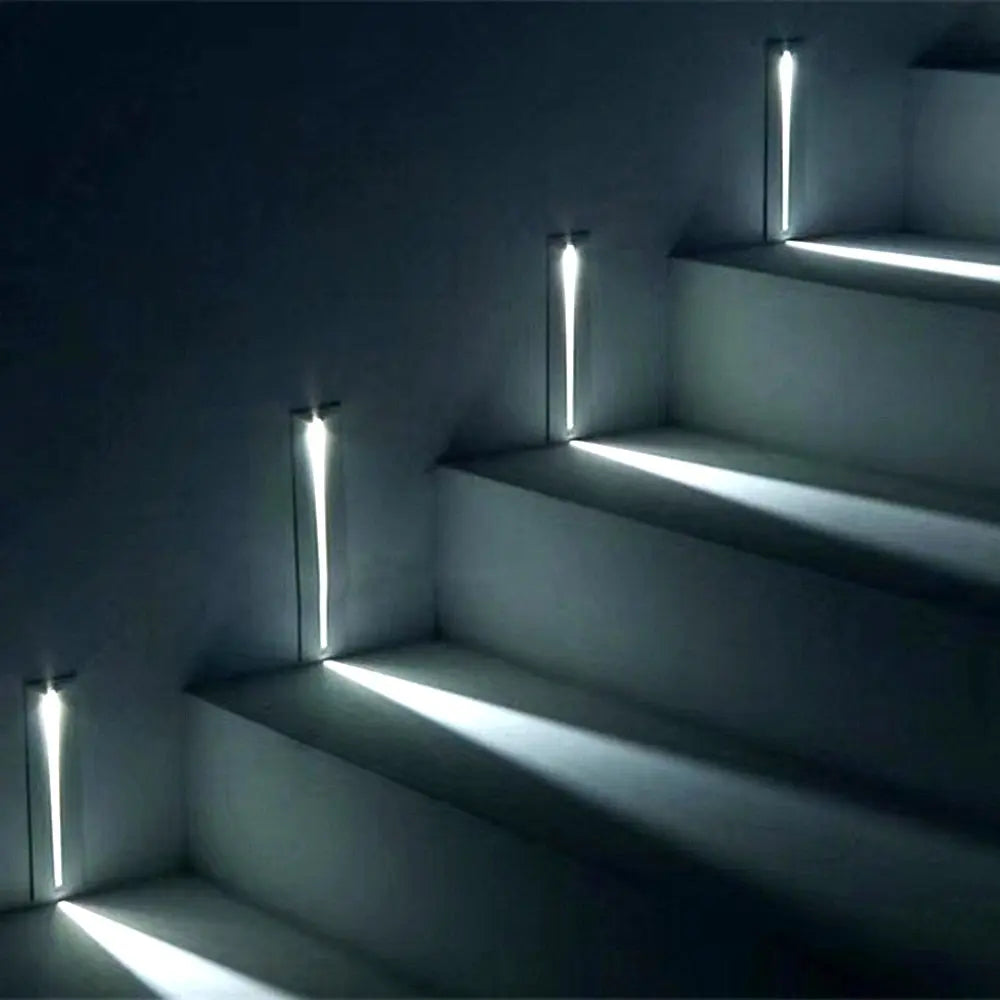
Las grandes escaleras se benefician de la iluminación en capas. Una araña proporciona presencia y orientación de arriba hacia abajo, mientras que la iluminación de los peldaños mejora la seguridad y crea un ambiente nocturno más confortable sin depender de la luminosidad excesiva desde arriba.
Detalles específicos de capas para escaleras que mejoran los resultados:
- Mantener la iluminación de los peldaños consistente: busque un espaciado uniforme y una salida consistente para que el tramo de la escalera se lea claramente.
- Usar la araña para la atmósfera: deje que la lámpara principal añada presencia mientras que las luces de los peldaños o de la pared se encargan de la navegación.
- Reducir el contraste brusco: la iluminación en capas previene sombras profundas que pueden aparecer en los contrahuellas y rellanos.
Las luces LED para pared de escalera proporcionan iluminación focalizada en los peldaños a un precio accesible de $45.99. Disponibles en acabados negro, blanco o plateado, estas lámparas pueden integrarse en diseños de escalera modernos mientras mejoran la visibilidad.
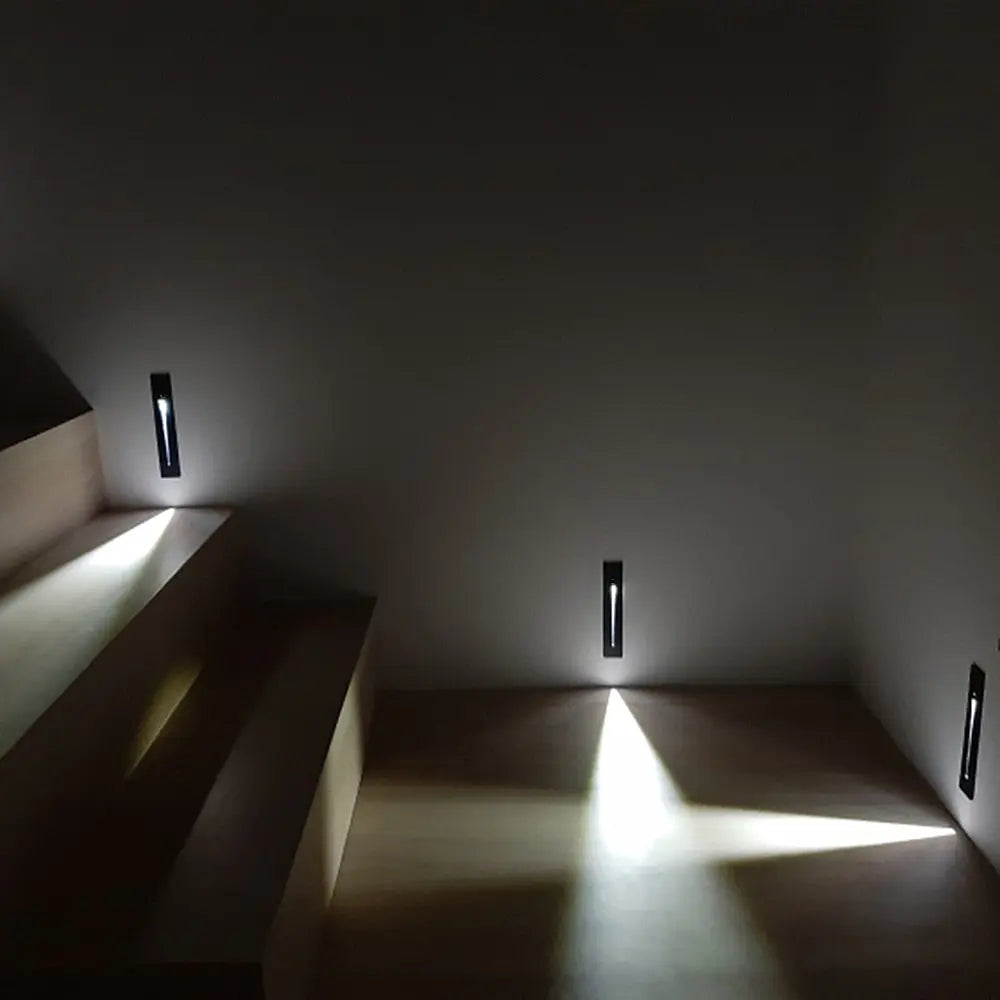
Nota de eficiencia: Las arañas LED modernas y las luces LED para peldaños pueden consumir significativamente menos energía que las configuraciones más antiguas basadas en incandescencia.
Idea 8: Utilice Cobre Cálido para una Primera Impresión Más Suave
Los acabados metálicos influyen en el tono de una entrada. El cobre introduce calidez que puede suavizar los interiores altos y reducir la sensación de frialdad que algunos grandes volúmenes pueden crear. El metal cálido y reflectante también ayuda a amplificar la luz sin requerir un cuerpo de lámpara más abarrotado.
La lámpara Copper Staircase Lighting Indoor ofrece configuraciones de 6 o 10 cabezas y cuesta $1,999.99. Las alturas de suspensión ajustables ayudan a que la lámpara se adapte a los ángulos de la escalera y a diferentes alturas de techo.


Idea 9: Evite los Errores Más Comunes en la Iluminación de Entradas Altas
La iluminación de grandes vestíbulos a menudo falla cuando se omiten los pasos básicos de planificación. La altura, la escala y la ubicación importan tanto como el estilo, y los volúmenes altos hacen que los errores sean más fáciles de ver.
- Elegir una lámpara demasiado pequeña para la altura del techo y el espacio.
- Montar la araña demasiado cerca del techo, por lo que carece de presencia.
- Ignorar las líneas de visión de la escalera y el rellano, especialmente desde la puerta principal.
- Confiar solo en la iluminación empotrada sin una lámpara focal.
- Omitir la regulación y la iluminación en capas para el confort nocturno.
Cuando estos problemas se abordan temprano, la iluminación destacada se integra naturalmente con la arquitectura y se siente intencionada en lugar de aleatoria.
Idea 10: Trate la Lámpara Como Parte del Plano de Planta, No Como un Último Complemento
Los recibidores grandes son difíciles de planificar porque implican múltiples ángulos de visión y, a menudo, múltiples planos de techo. Los diseñadores suelen elegir la lámpara después de leer la arquitectura, no antes. La altura del techo, el ancho del recibidor, la dirección de la escalera y la abertura del rellano superior guían la orientación y la caída de la lámpara.
En lugar de elegir la iluminación de forma aislada, ayuda planificar toda la secuencia de entrada. Esto significa seleccionar la araña principal primero, luego usar iluminación en capas para apoyar la seguridad y la atmósfera. Cuando la escala, la ubicación y el acabado del material se alinean, la entrada se siente organizada y la araña se percibe como un ancla arquitectónica en lugar de una decoración flotante.
| Factor de Diseño | Por Qué Importa |
|---|---|
| Altura del techo | Determina el tamaño de la lámpara, la altura del cuerpo y la planificación de la caída |
| Dirección de la escalera | Guía si la araña debe ser vertical, diagonal o centrada |
| Ancho de la entrada | Influye en el diámetro de la araña y si se necesita una extensión horizontal |
| Capas de iluminación | Equilibra la iluminación destacada con la seguridad y el confort nocturno |
Si desea explorar lámparas construidas específicamente para volúmenes de entrada altos, comience con la colección de arañas para vestíbulos de dos pisos.
Para diseños verticales específicos para escaleras, revise la colección de arañas para escaleras.
Para un plan de entrada más amplio que incluya familias de lámparas complementarias, utilice la colección de iluminación para vestíbulos.
Si desea un resumen dedicado solo a vestíbulos para comparar, consulte Las Mejores Arañas para Vestíbulos para una Gran Entrada. Si desea una guía de selección de lámparas para vestíbulos de dos pisos, consulte Qué Tipo de Araña Colocar en un Vestíbulo de Dos Pisos.
La Entrada Debe Sentirse Clara Desde la Puerta Principal Hasta el Rellano
La iluminación de grandes vestíbulos y escaleras funciona cuando la lámpara coincide con la arquitectura y la función diaria del espacio. Una araña bien elegida conecta los pisos, soporta el volumen de la escalera y establece una pieza central clara sin bloquear el movimiento debajo de ella. La iluminación en capas completa el plan al brindar seguridad, confort y profundidad después del anochecer.
En los hogares de 2026, muchos diseños de entrada combinan formas modernas y limpias con controles prácticos como la regulación de intensidad y la eficiencia LED. Cuando la escala, la caída y las líneas de visión se alinean, el vestíbulo se convierte en algo más que una entrada. Se convierte en el ancla visual del hogar.


