


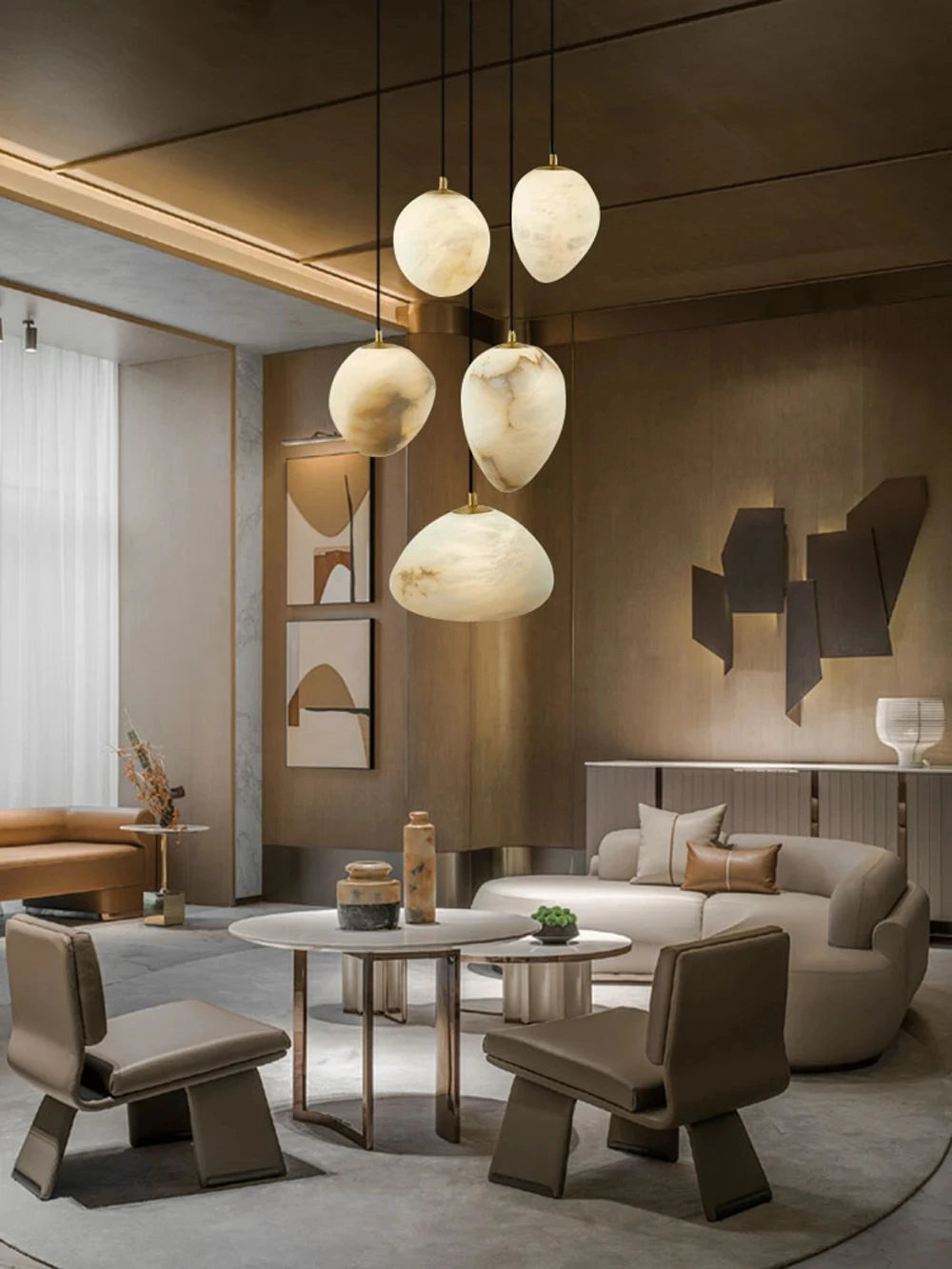

Cómo elegir lámparas de araña de gran tamaño
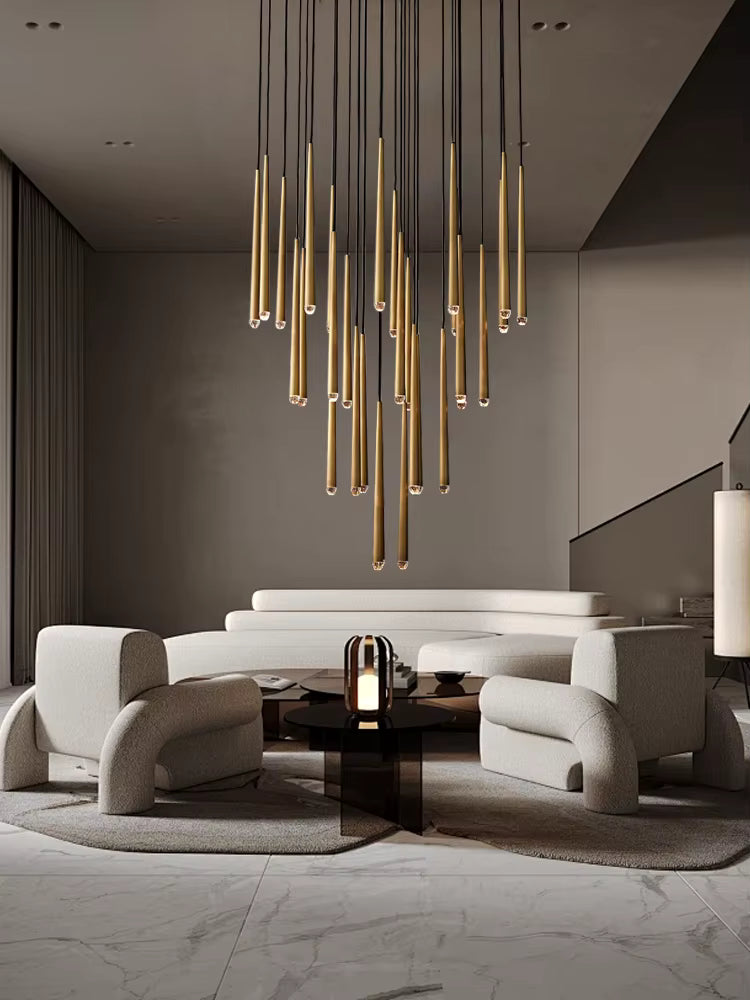
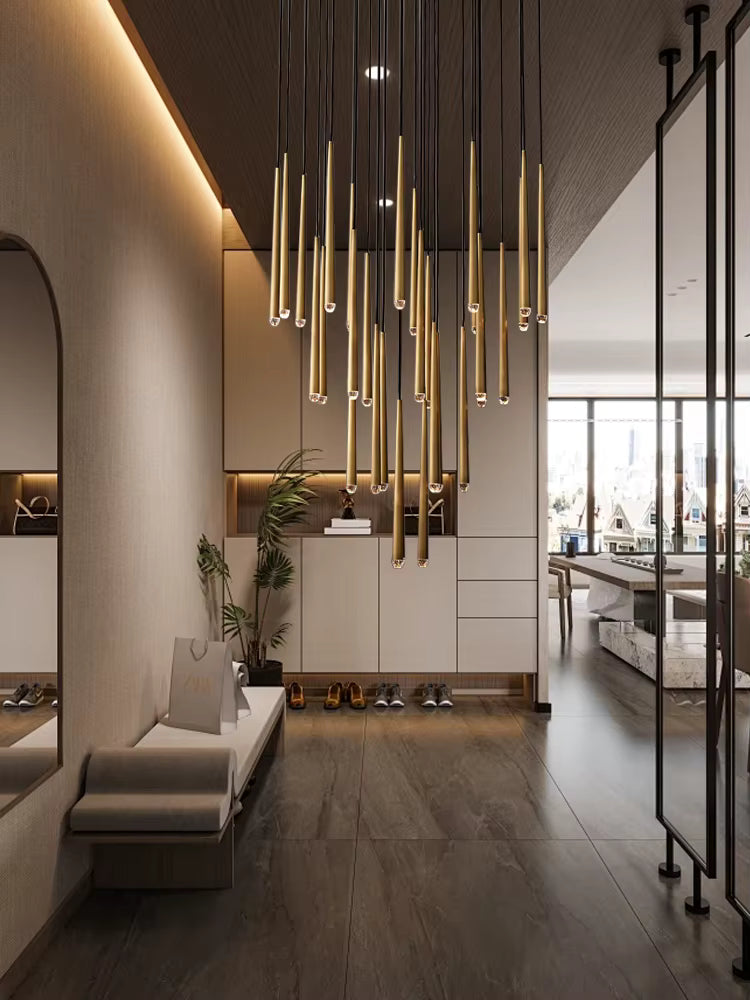
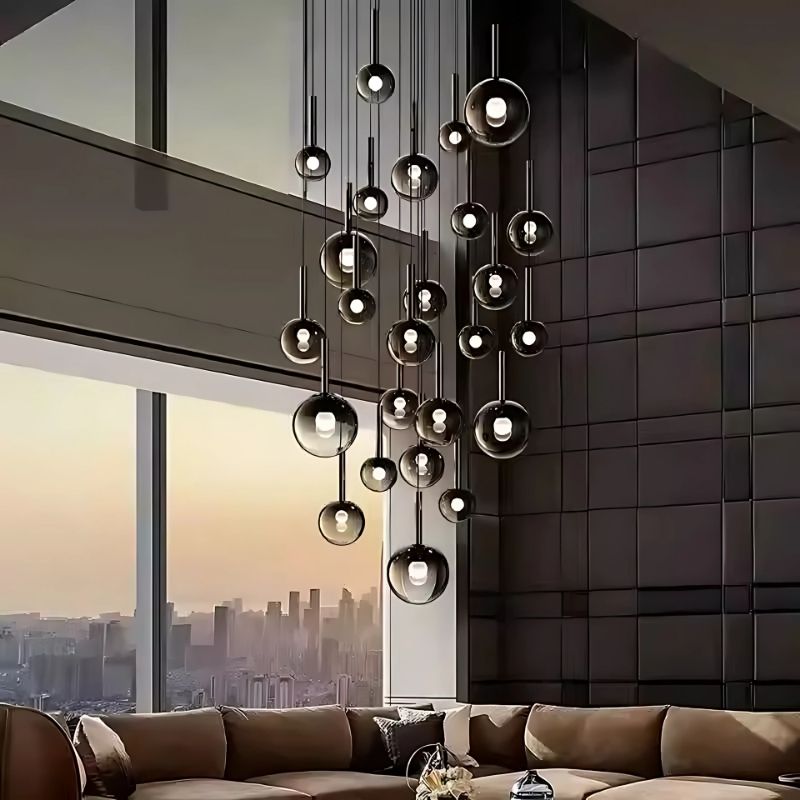
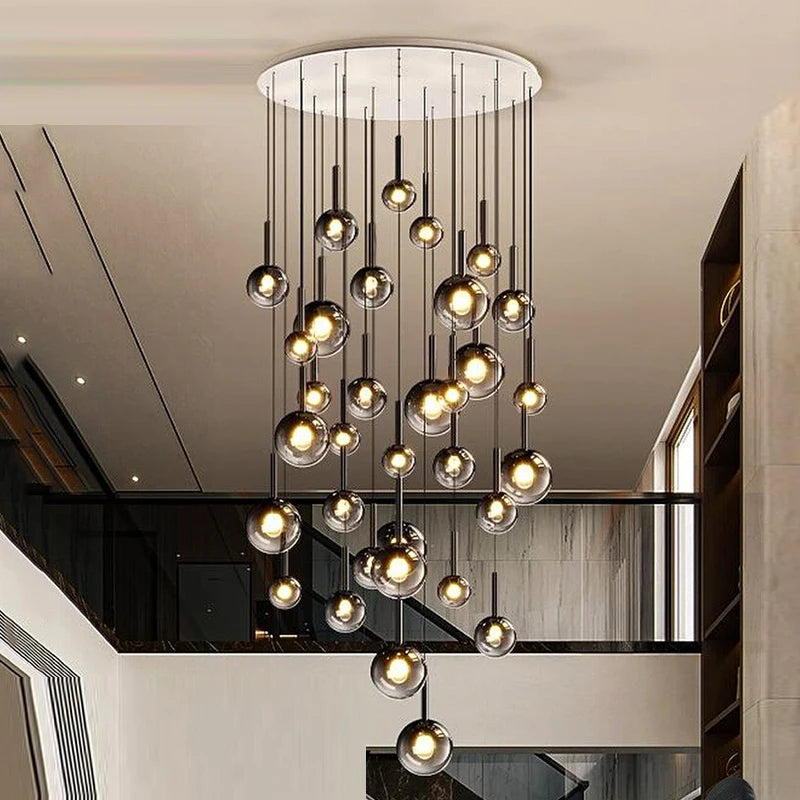
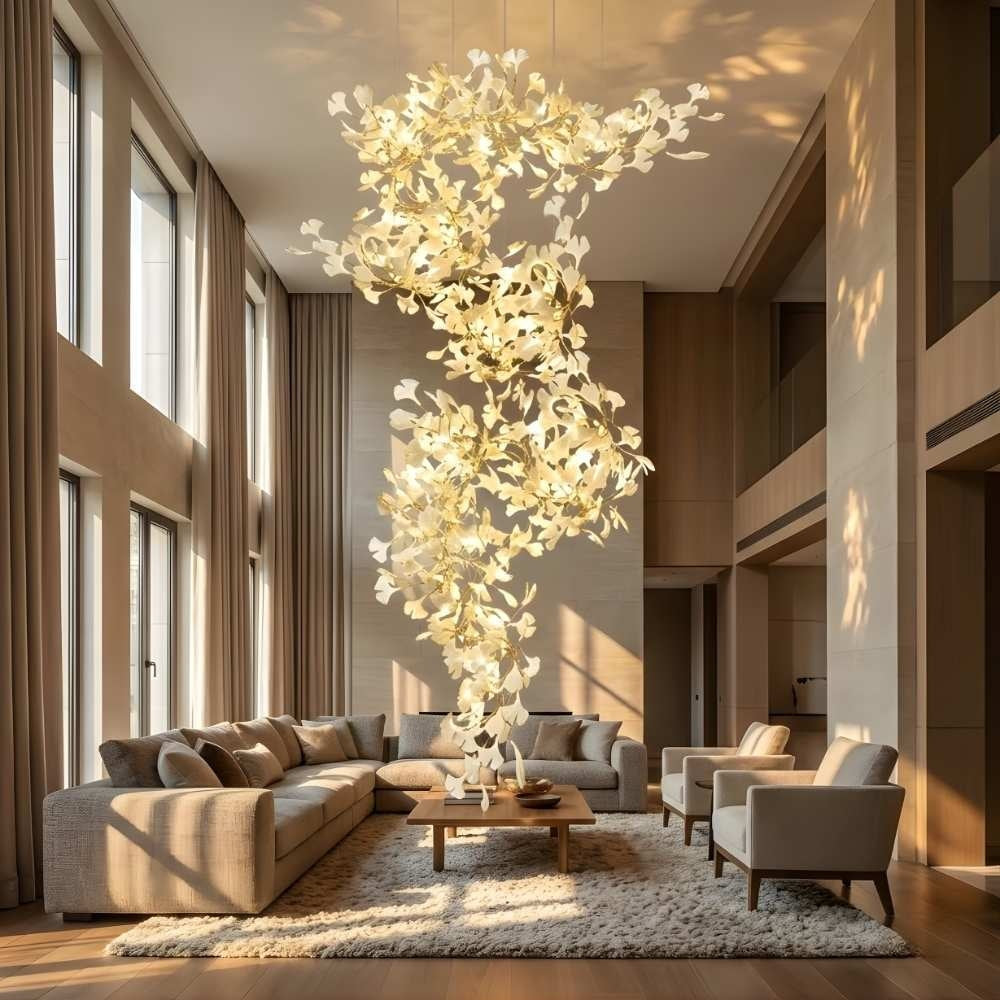
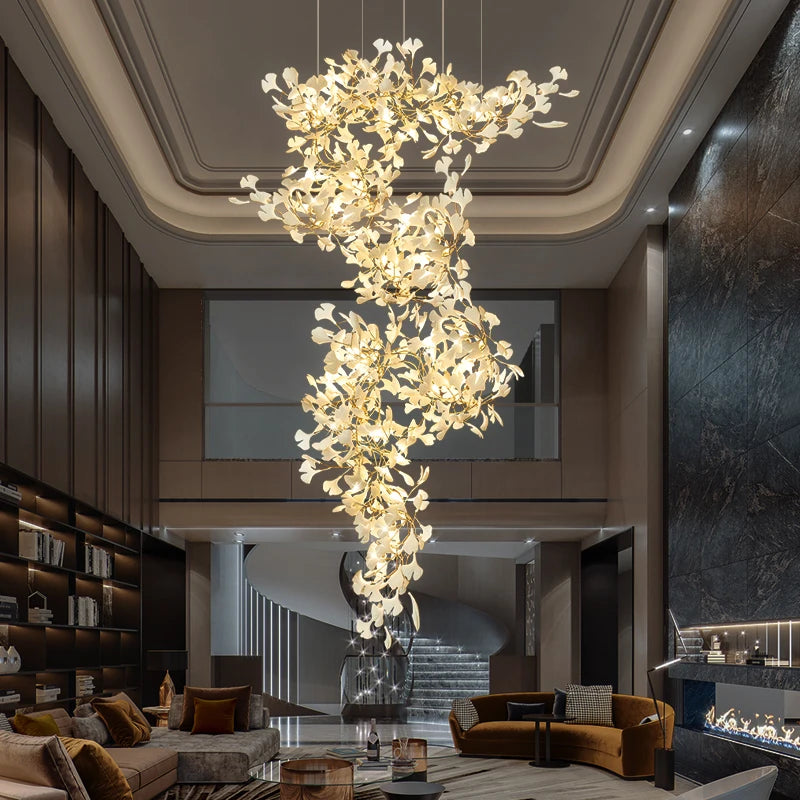
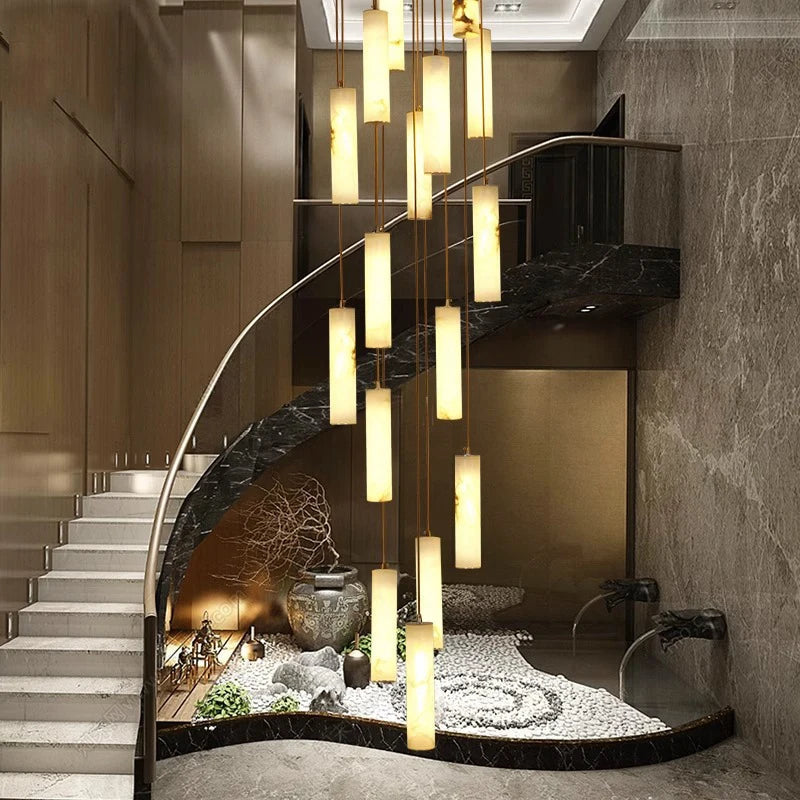
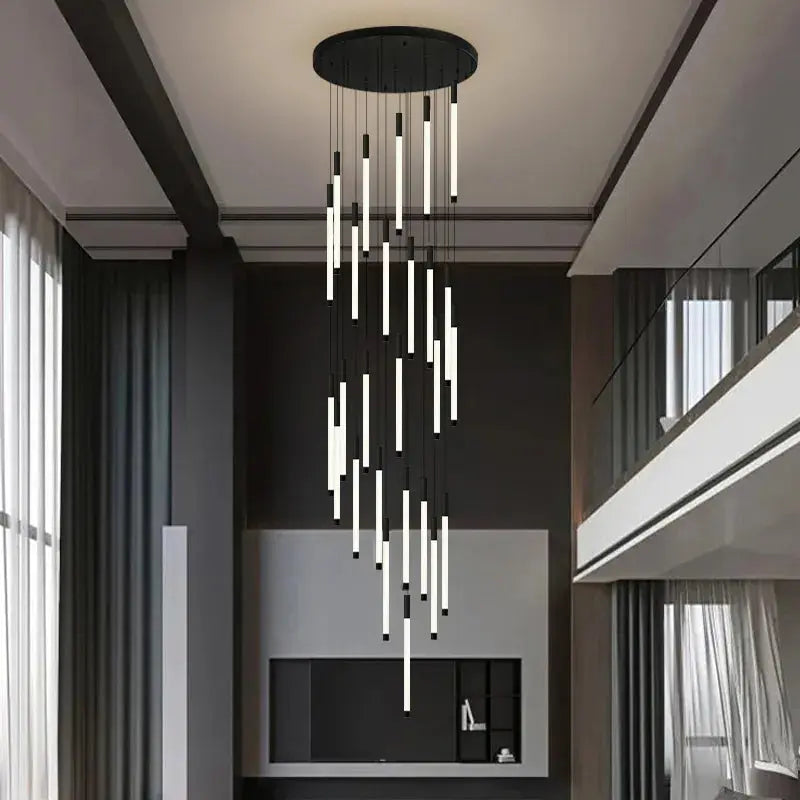
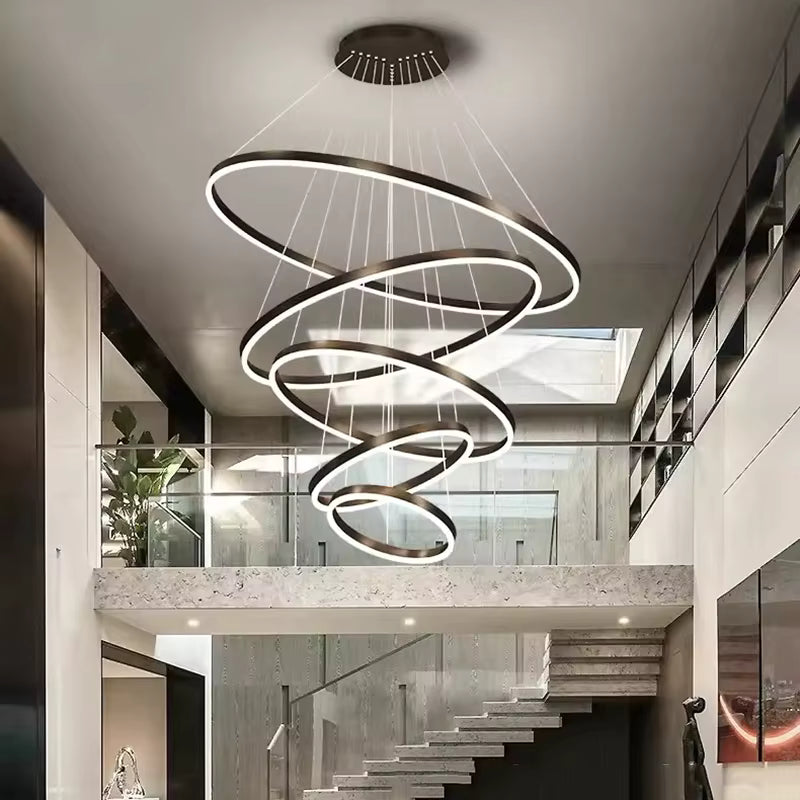
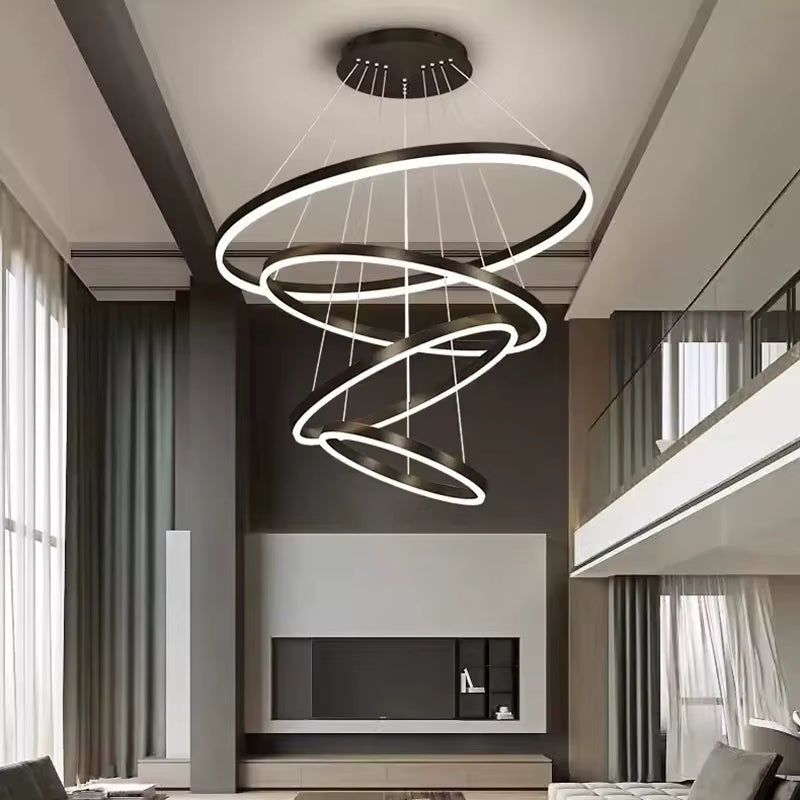
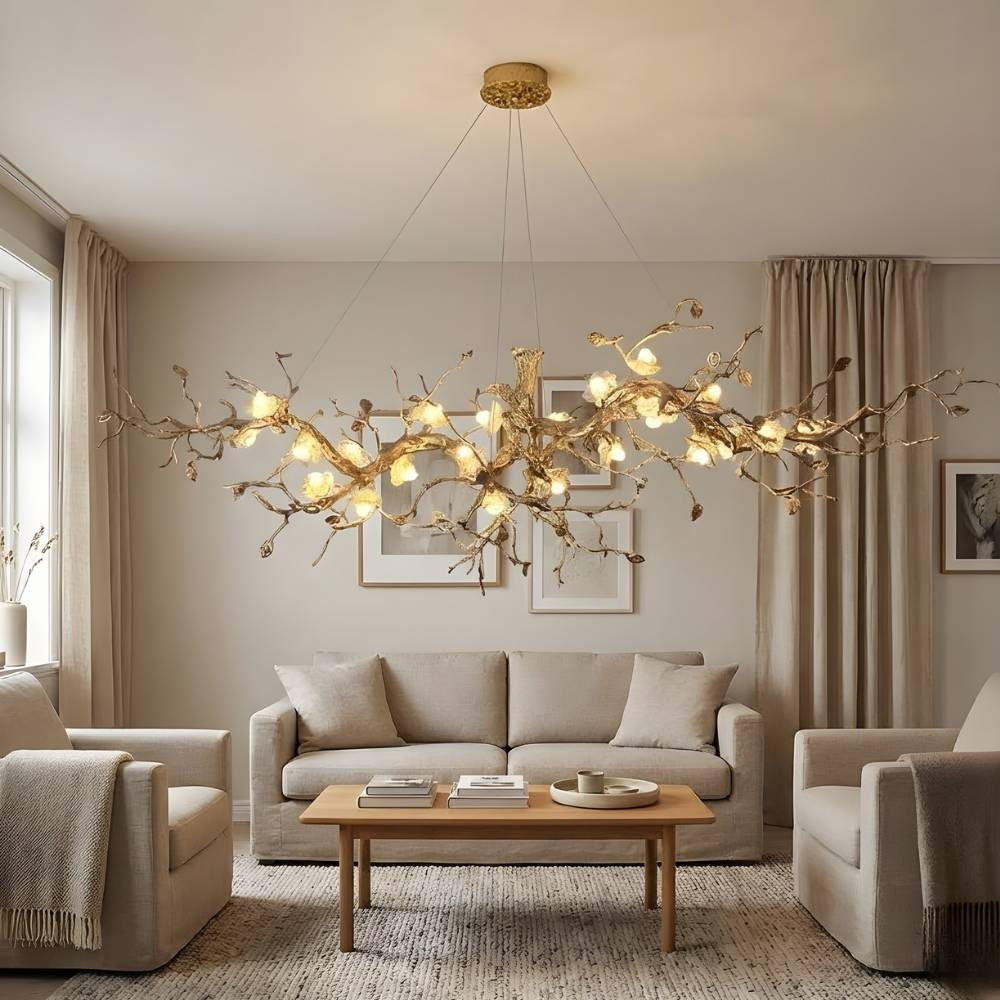
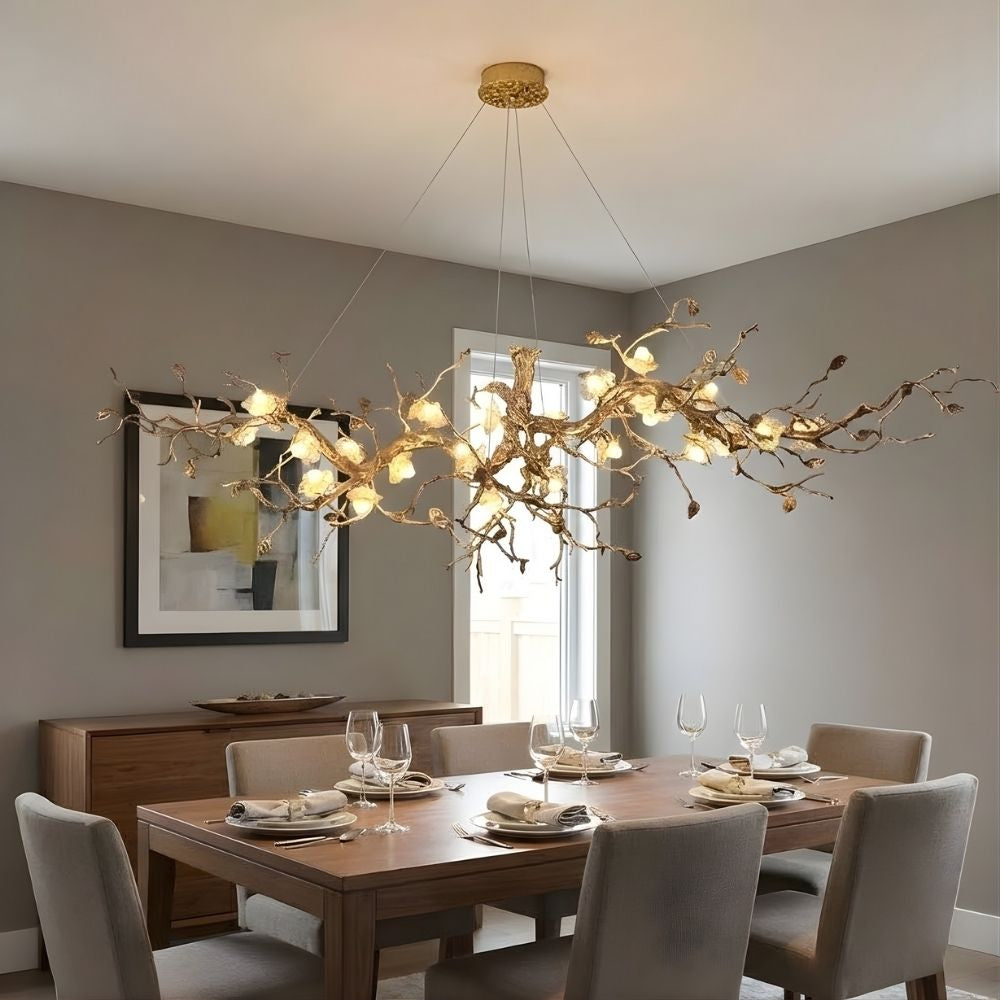
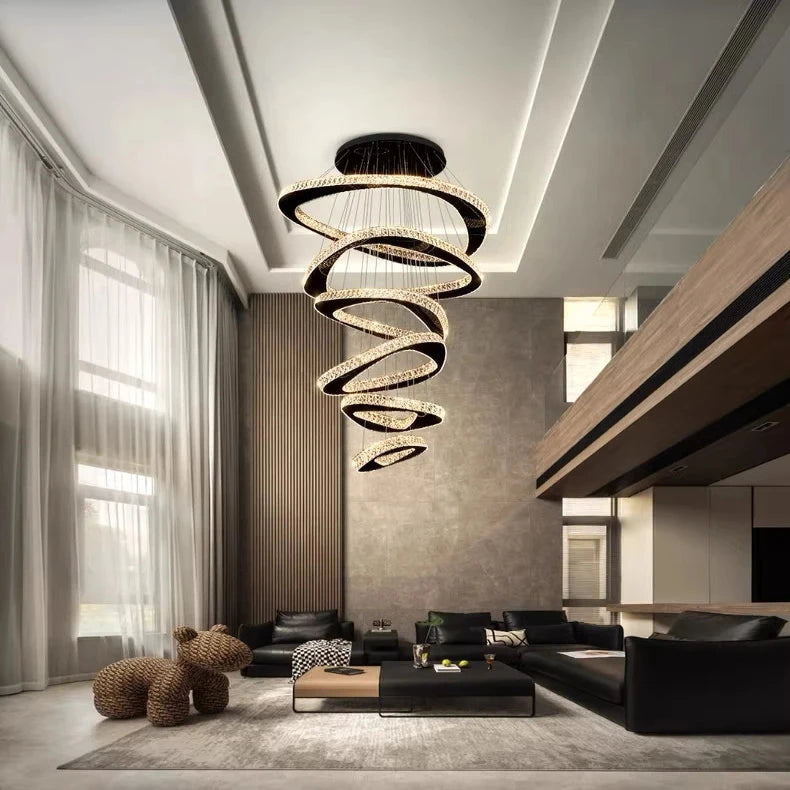
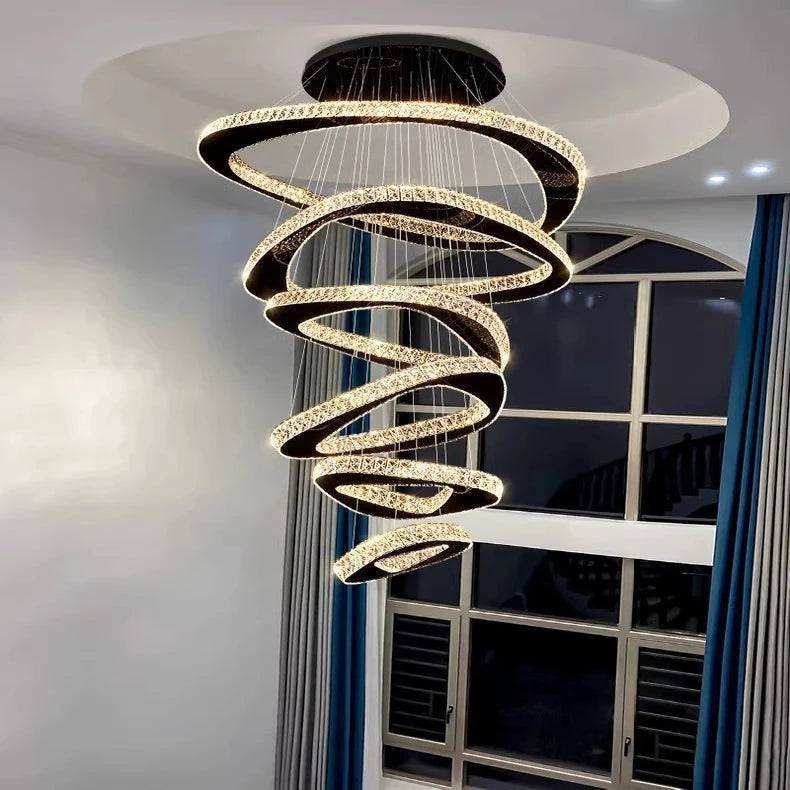
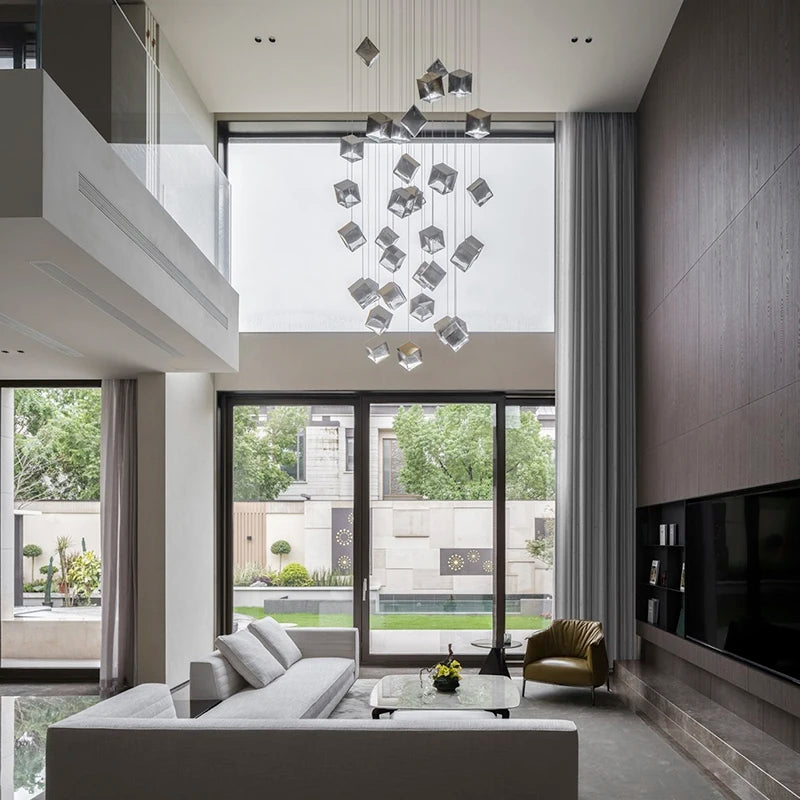
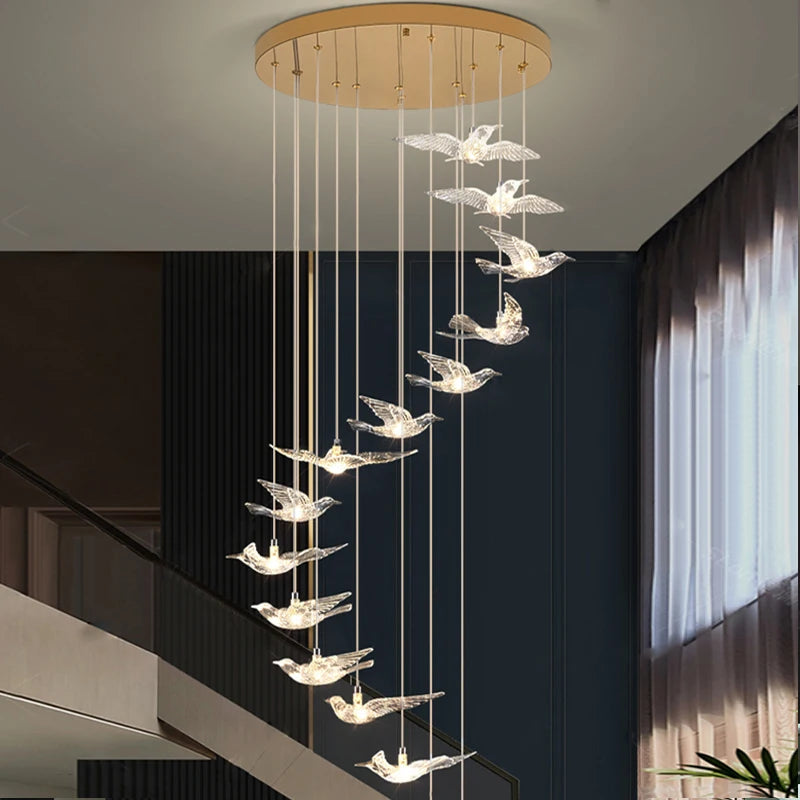
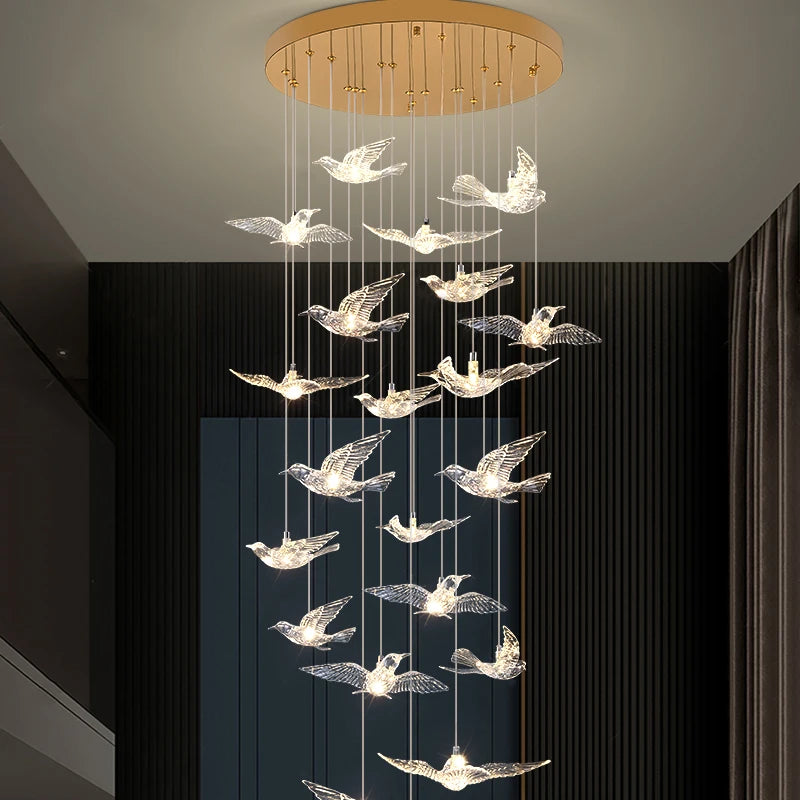
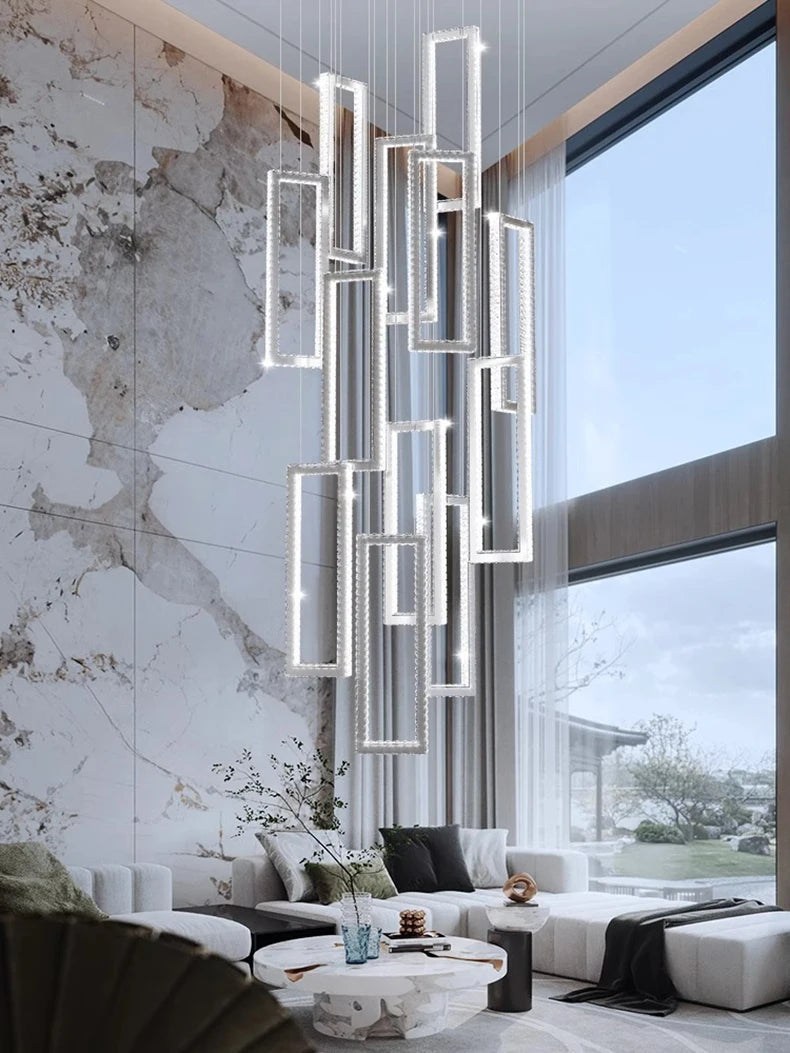
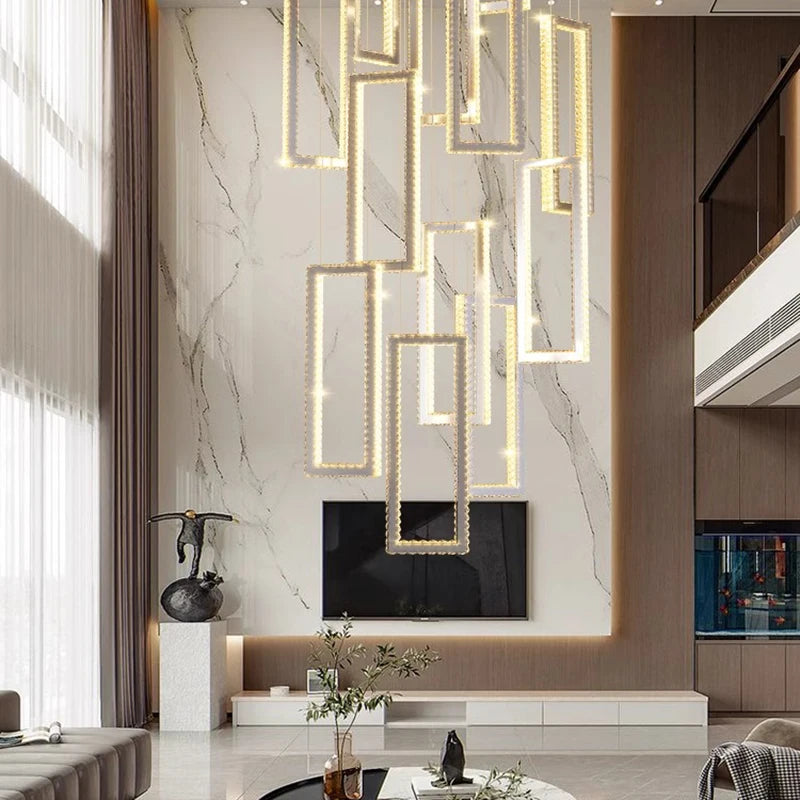
Los candelabros de gran tamaño están diseñados para habitaciones donde las luminarias de techo estándar desaparecen visualmente. Si está amueblando un vestíbulo de doble altura, un hueco de escalera, una gran sala o un área de comedor grande con techos más altos, la escala se convierte en la primera decisión, no solo el estilo. Esta colección se centra en candelabros de gran tamaño que se sostienen por sí solos en volúmenes arquitectónicos abiertos, con tramos más anchos, cuerpos más altos, rangos de suspensión más largos y un mayor número de luces que se mantienen proporcionales desde múltiples puntos de vista. Si su principal preocupación es la altura del techo, nuestra guía sobre cómo elegir un candelabro para un techo altoes un lugar útil para comparar la lógica de la escala antes de reducir la elección de la propia luminaria.
Cómo elegir candelabros de gran tamaño para techos altos
Un candelabro de gran tamaño no debe parecer aleatoriamente grande. Debe sentirse proporcionado a la altura del techo, el ancho de la habitación y la apertura visual del espacio. En habitaciones altas, una luminaria demasiado pequeña a menudo parece pegada al techo o visualmente perdida en el volumen. Un candelabro de gran tamaño correctamente escalado resuelve esto al darle a la habitación un punto central más fuerte y una presencia vertical más equilibrada.
- Diámetros más grandesayudan a que el candelabro se sienta anclado en habitaciones anchas y planos de techo abiertos.
- Caídas más largashacen que la luminaria sea visible en vestíbulos de doble altura, escaleras y espacios de entrada altos.
- Mayor número de lucesdistribuyen la luminosidad de manera más efectiva en interiores más grandes.
- Suspensión ajustableayuda a adaptar la luminaria a escaleras, techos inclinados y huecos de varios pisos.
En muchos hogares, la escala sobredimensionada comienza a tener sentido alrededor de los techos de 3.65 metros (12 pies), pero el umbral real depende del ancho de la habitación, las líneas de visión y cómo se ve el candelabro desde el piso de abajo. Una habitación más ancha generalmente necesita un candelabro con mayor extensión horizontal, mientras que una abertura vertical alta a menudo se beneficia de una luminaria con mayor altura de cuerpo o una caída más larga. Si su proyecto implica una secuencia de entrada dramática, el desglose habitación por habitación en candelabros modernos para vestíbulos de techos altosayuda a aclarar cuándo el ancho, la caída y el peso visual deben aumentar juntos.
Mejores habitaciones para candelabros de gran tamaño
Esta categoría es más útil en espacios donde las líneas de visión son largas y la altura del techo cambia la forma en que se percibe el candelabro. En habitaciones de altura estándar, una luminaria grande puede sentirse abarrotada. En espacios más altos, el mismo candelabro puede sentirse exactamente correcto porque la habitación tiene suficiente volumen para soportar una pieza de techo más ambiciosa.
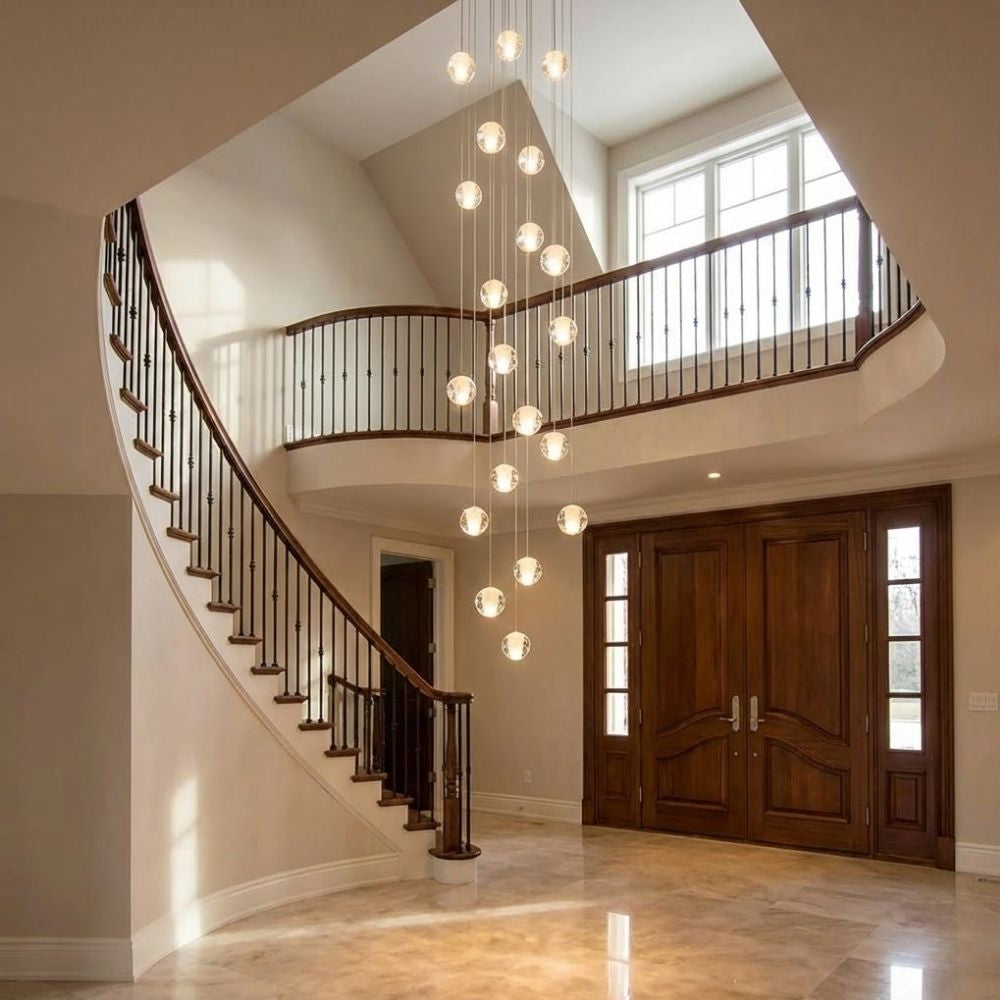
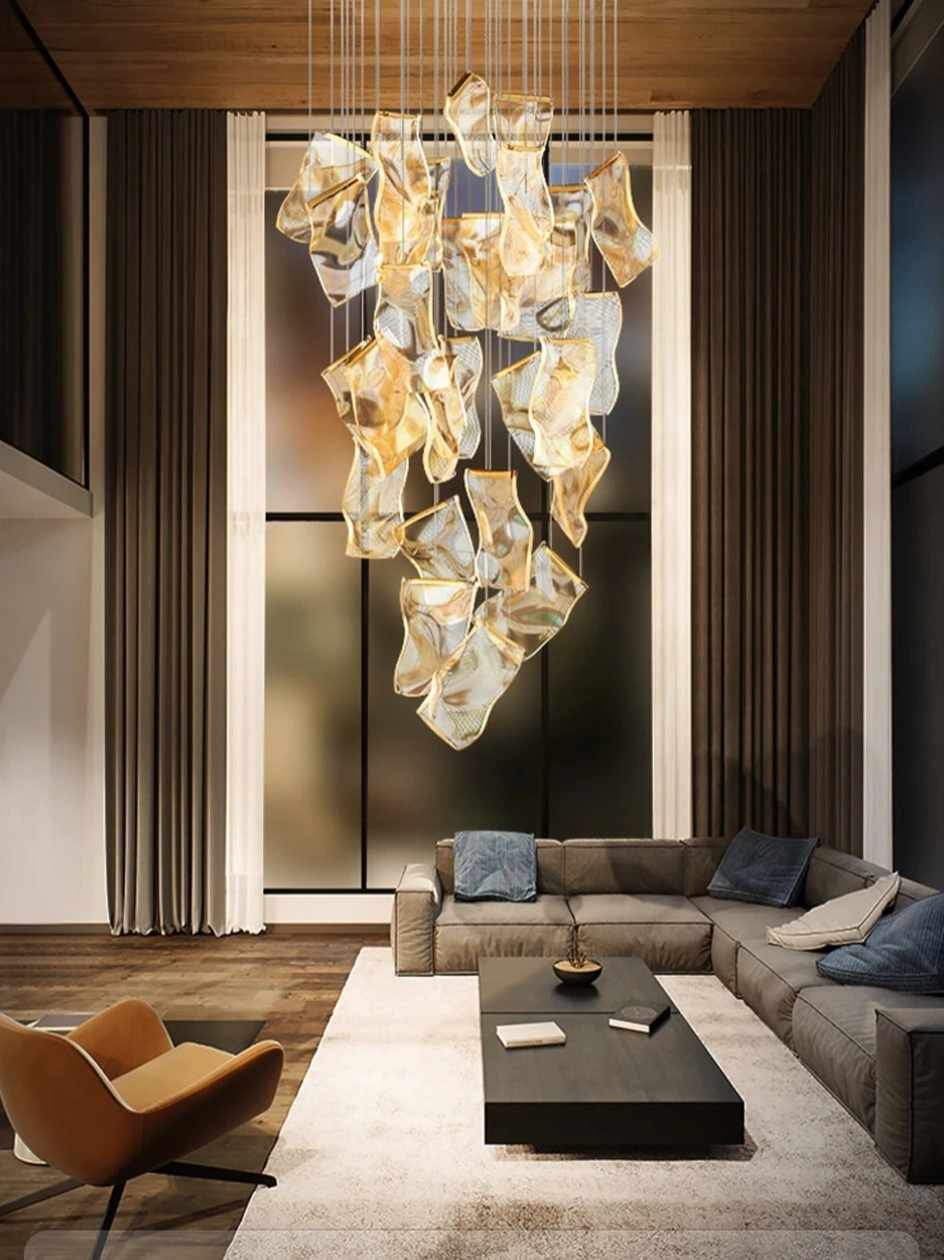
- Vestíbulos de doble altura- para una declaración de entrada más fuerte y un mejor equilibrio vertical
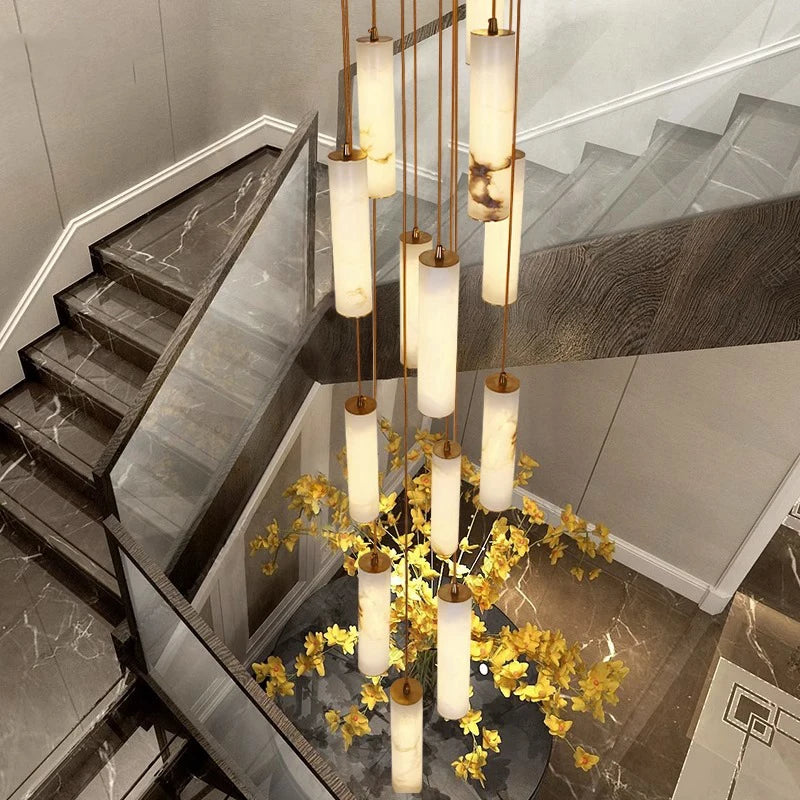
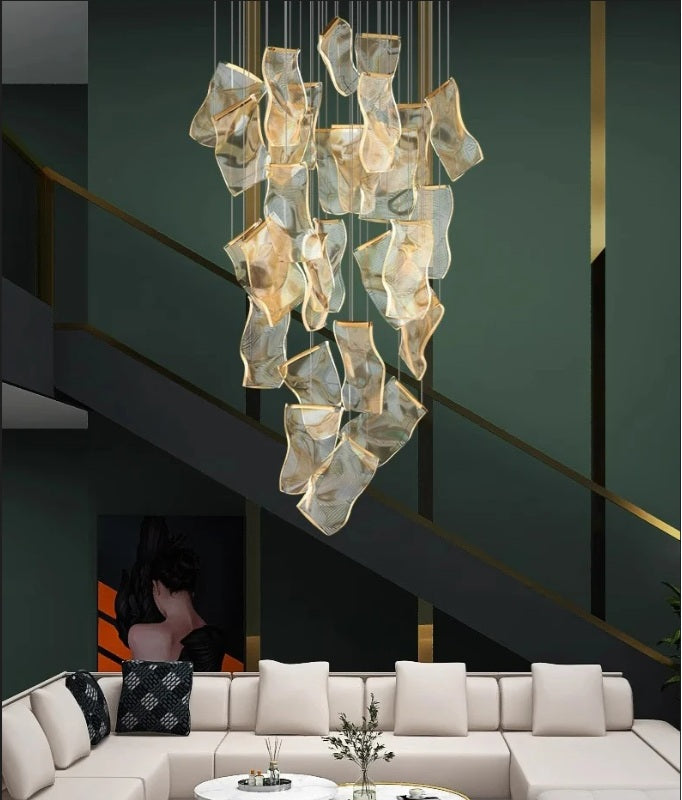
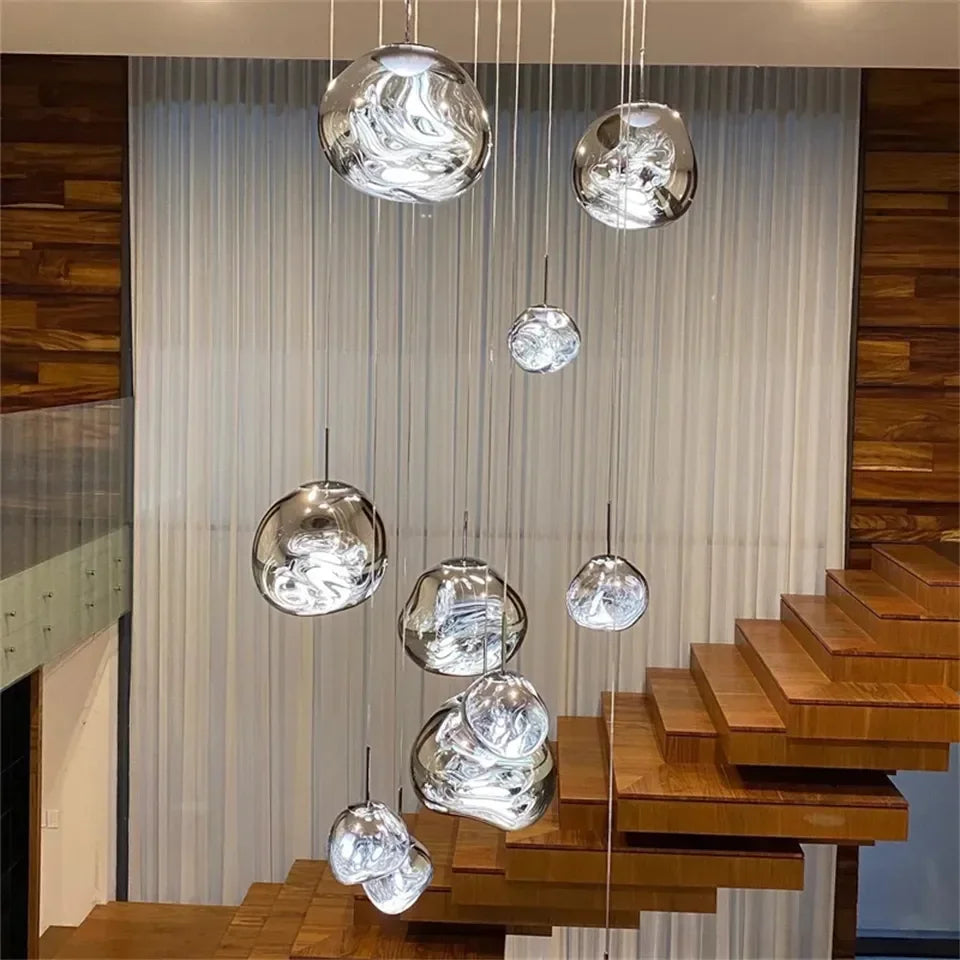
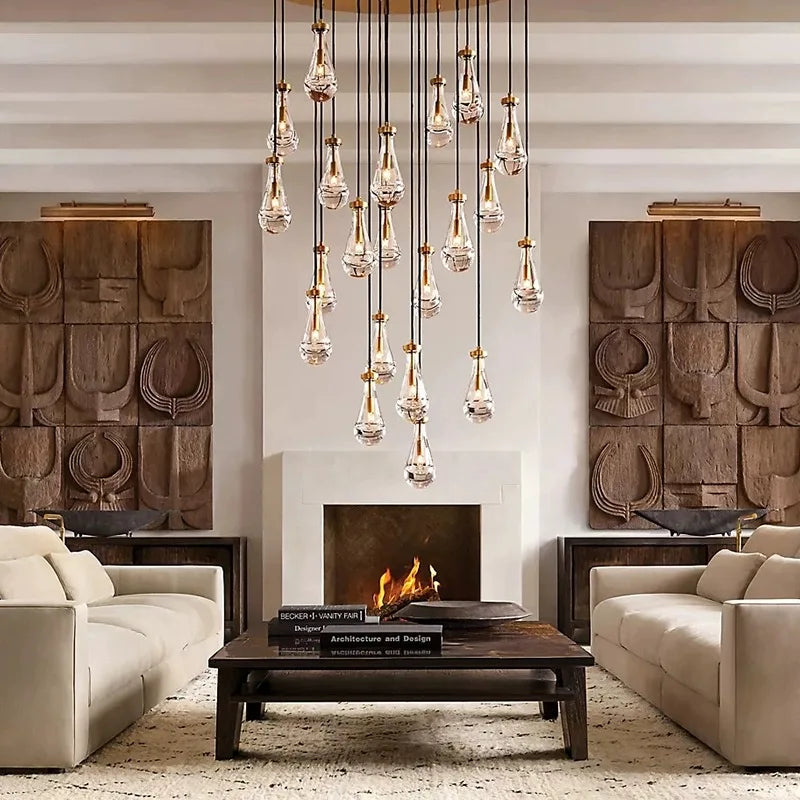
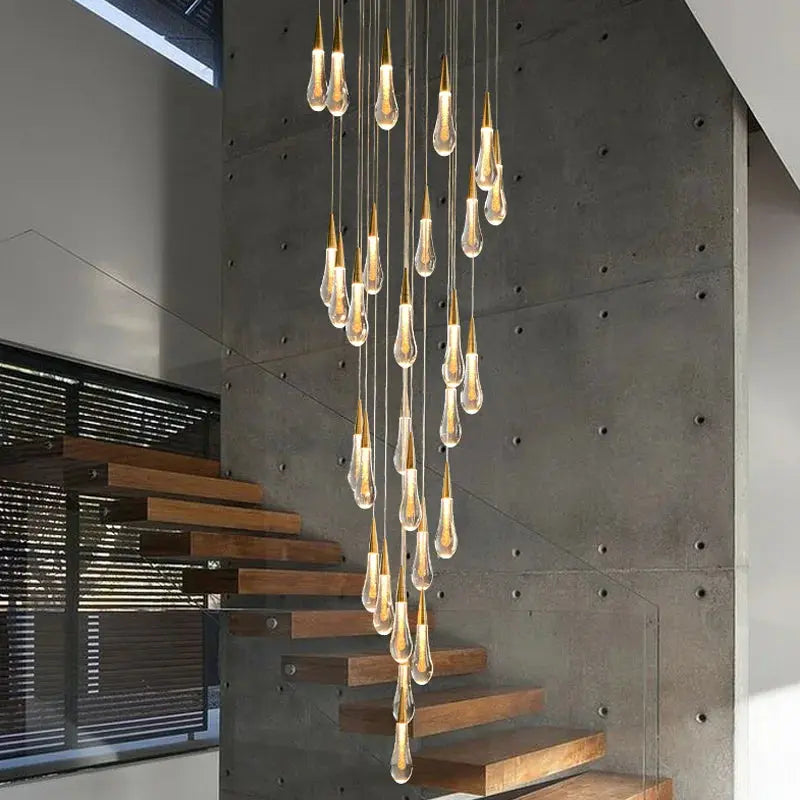
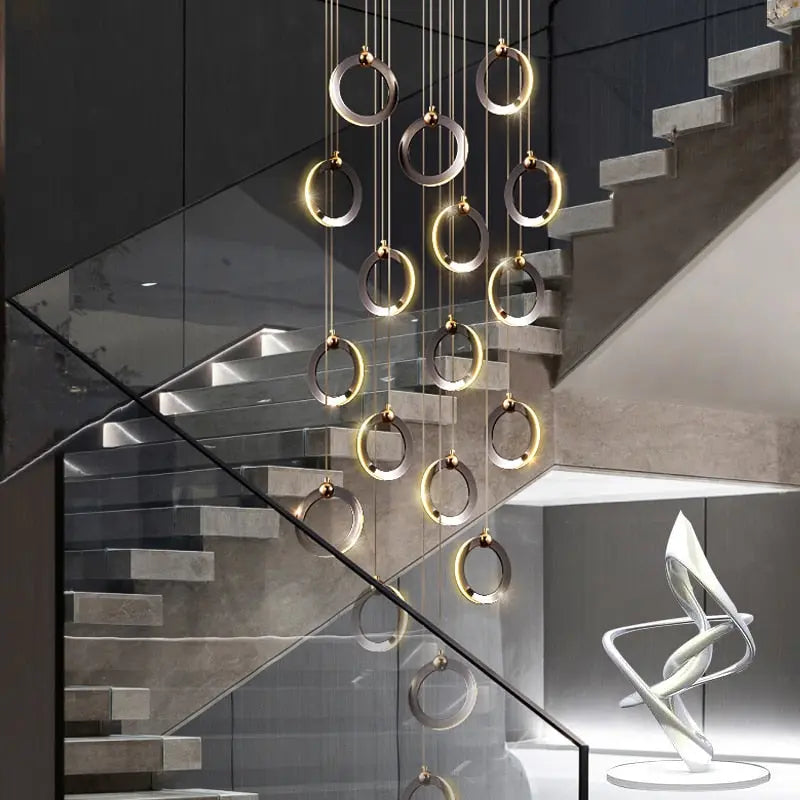
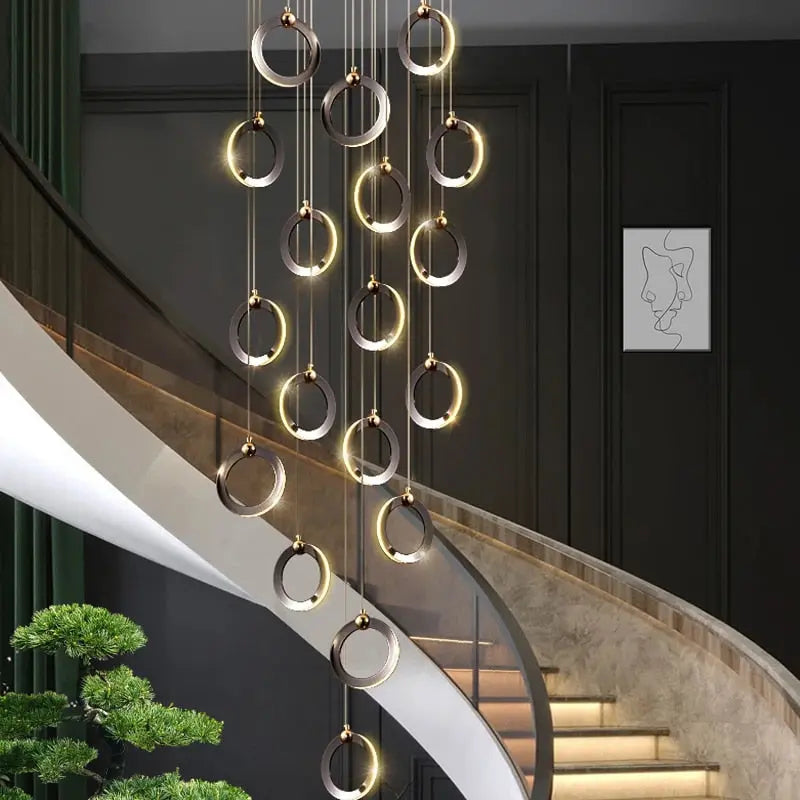
- Aberturas de escaleras- para visibilidad multinivel y requisitos de caída más largos
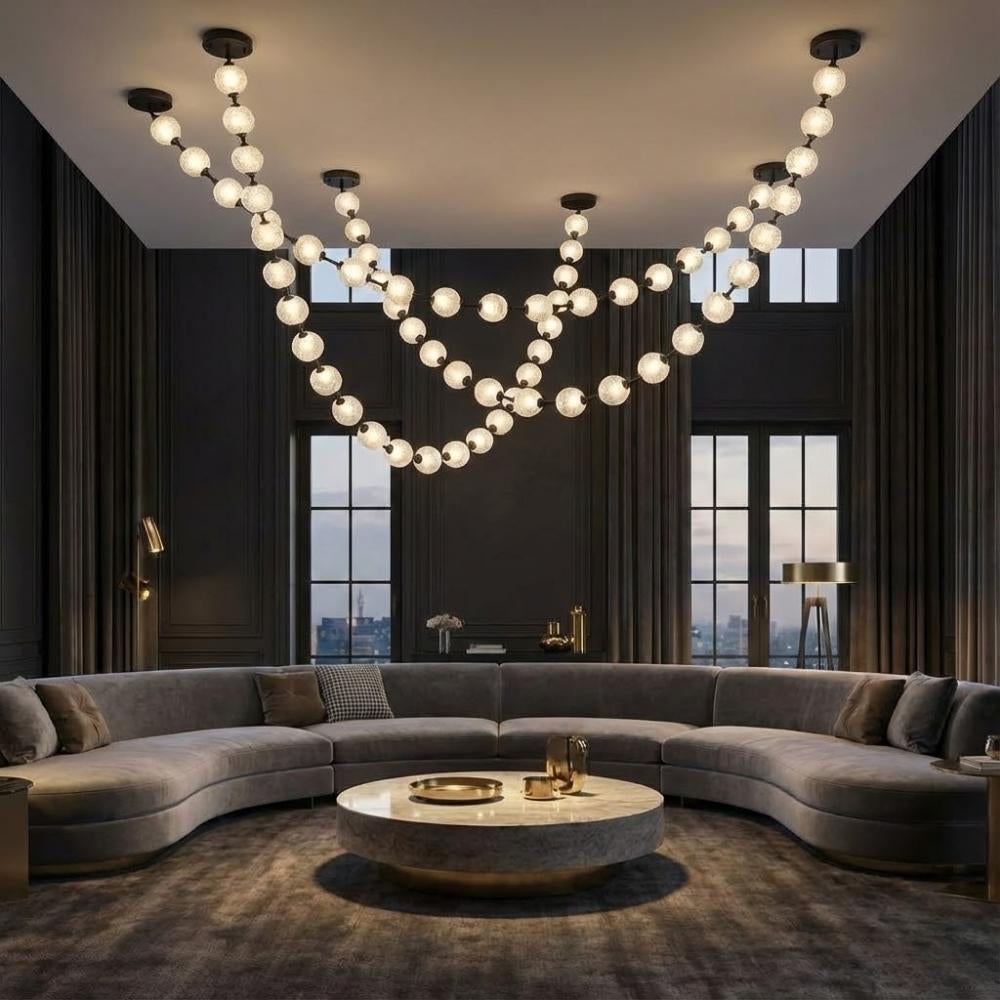
- Grandes salones- para espacios de planta abierta donde los candelabros más pequeños parecen visualmente débiles
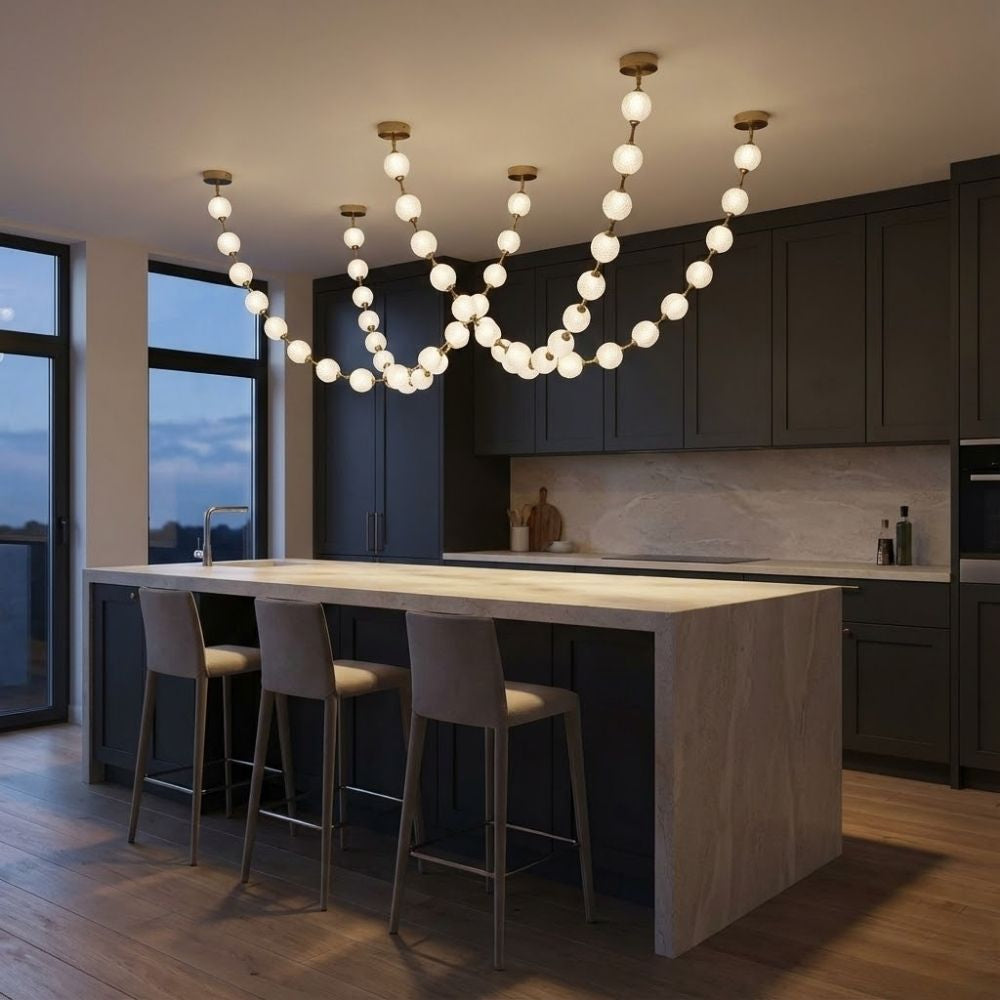
- Comedores grandes- cuando la altura del techo y el tamaño de la mesa requieren mayor escala
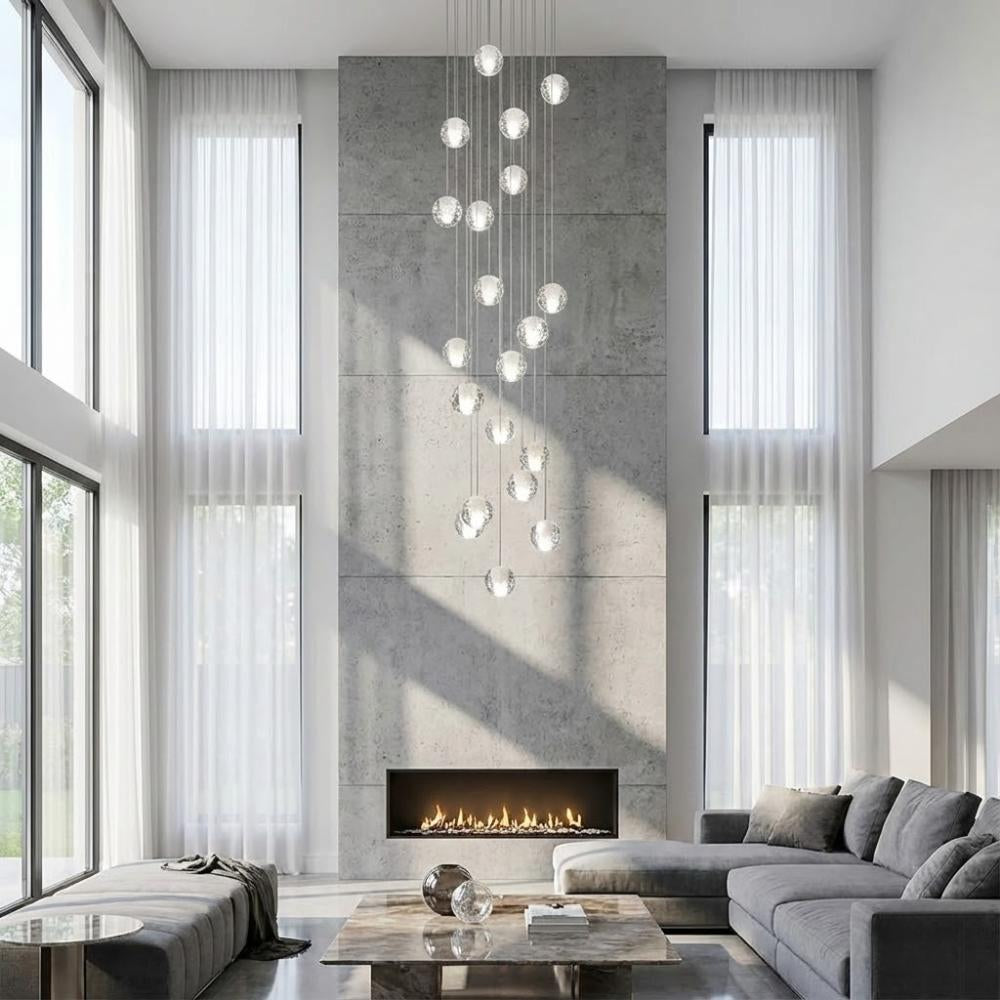
- Salones con techos altos- donde una luminaria necesita una presencia real sobre el área de asientos
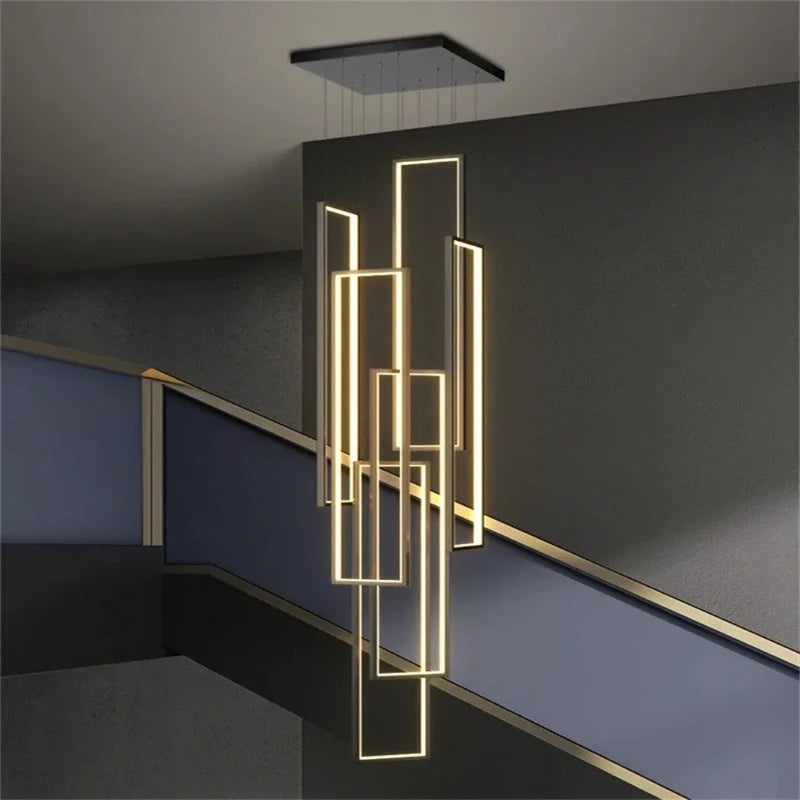
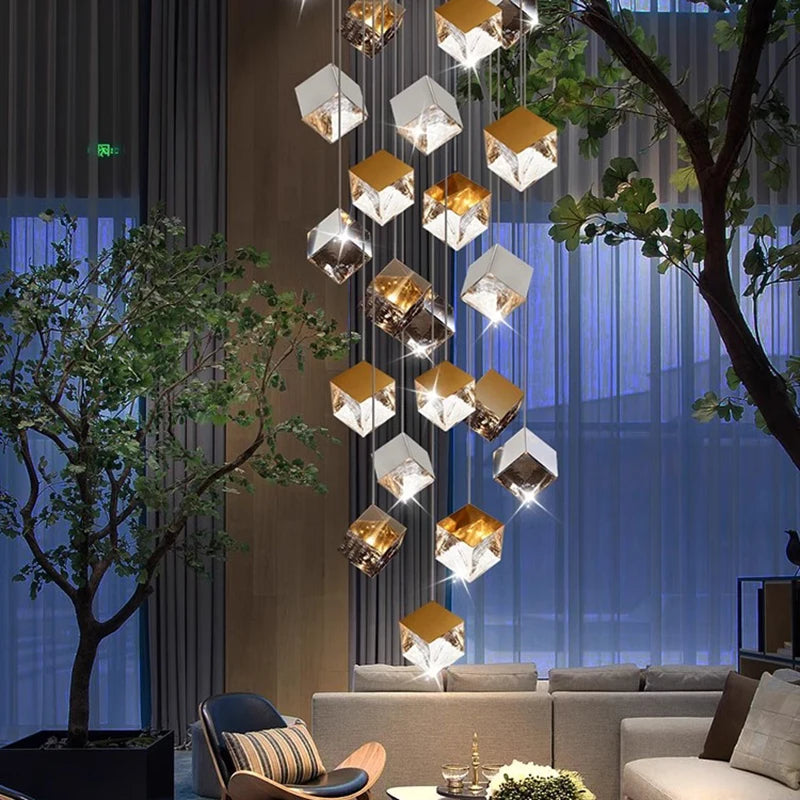
Las escaleras y los vestíbulos suelen ser la combinación más clara porque se espera que el candelabro haga más que iluminar la habitación. Tiene que conectar niveles, definir la secuencia de entrada y permanecer visible desde múltiples ángulos de aproximación. Es por eso que las luminarias verticales más altas suelen funcionar mejor que las anchas y poco profundas en estos espacios. Para obtener más inspiración específica sobre la instalación en este tipo de aberturas, explore nuestra colección de candelabros para escaleraso compare ideas cercanas en iluminación llamativa para grandes vestíbulos y escaleras.
Los salones con techos altos presentan un desafío diferente. Aquí, el candelabro generalmente necesita anclar un área de asientos en lugar de un vacío de circulación. Una luminaria demasiado pequeña desaparecerá en lo alto, pero una que sea demasiado profunda o visualmente densa puede hacer que la habitación se sienta pesada. En estas habitaciones, el ancho, la apertura visual y la posición de suspensión importan tanto como el tamaño bruto. El marco de tamaño en cómo dimensionar un candelabro de sala de estares especialmente útil si la habitación es grande pero no tiene doble altura.
Cómo elegir el candelabro de gran tamaño adecuado
Comience primero con el volumen de la habitación. La altura del techo, el ancho del espacio abierto y los ángulos de visión principales importan más aquí que en habitaciones más pequeñas. En vestíbulos y huecos de escalera, el candelabro debe sentirse visualmente centrado en el espacio vertical en lugar de montado demasiado cerca del techo. En habitaciones grandes, el ancho de la luminaria debe ser lo suficientemente fuerte como para evitar que el candelabro se vea estrecho o de escala insuficiente desde abajo.
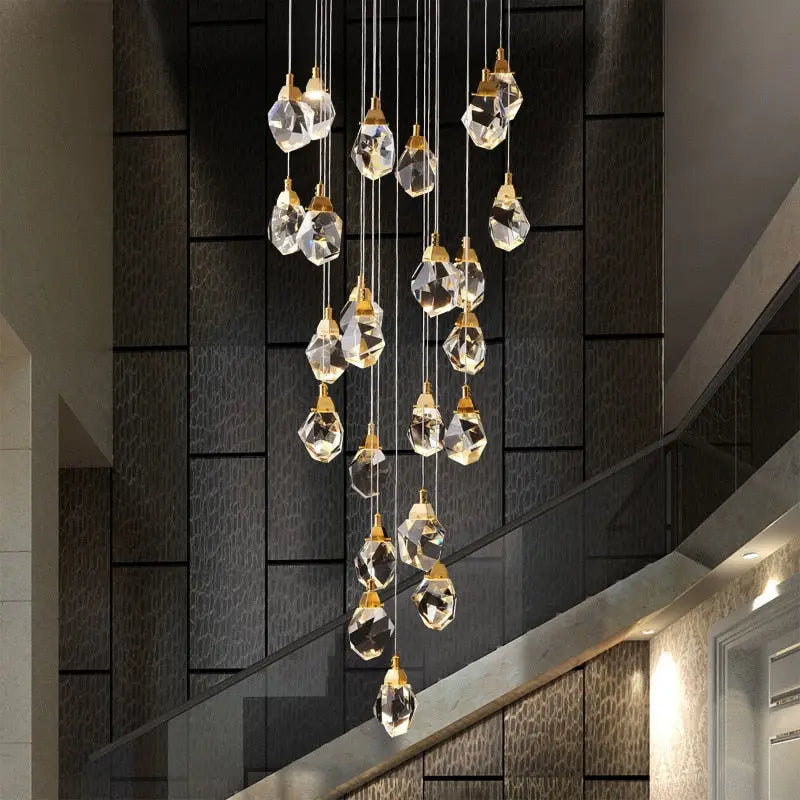
Si está eligiendo entre dos tamaños, la opción más grande suele ser la más adecuada en habitaciones con techos de 3.65 metros (12 pies) o más, especialmente en espacios con una línea de visión larga. La forma también importa. Un candelabro más ancho puede funcionar bien en grandes salones abiertos, mientras que un diseño vertical más largo suele ser más natural en escaleras y vestíbulos altos. Para hogares donde el drama visual importa más que una silueta tradicional, nuestra colección de candelabros llamativosofrece una dirección de punto focal más fuerte sin requerir que cada luminaria sea ornamentada o muy decorativa.
También ayuda pensar en el candelabro desde ángulos de visión reales en lugar de solo desde el plano del techo. En un vestíbulo de doble altura, el candelabro debe seguir viéndose claramente desde la puerta principal y desde el rellano superior. En una gran sala, debe sostener el plano del techo sin hacer que el espacio se sienta abarrotado. En una escalera, la caída debe funcionar con la abertura vertical en lugar de luchar contra ella. Para una planificación más técnica sobre la longitud de la caída, el acceso y la practicidad del montaje en el techo, la guía de instalación en instalación de candelabros en techos altoses el artículo de soporte más relevante antes de realizar el pedido.
Candelabros de gran tamaño por dirección visual
No todos los candelabros de gran tamaño necesitan crear el mismo efecto. Algunas habitaciones se benefician de una gran anchura y extensión arquitectónica, mientras que otras necesitan una luminaria que atraiga la vista hacia abajo. Elegir por dirección visual puede facilitar la compra de la categoría.
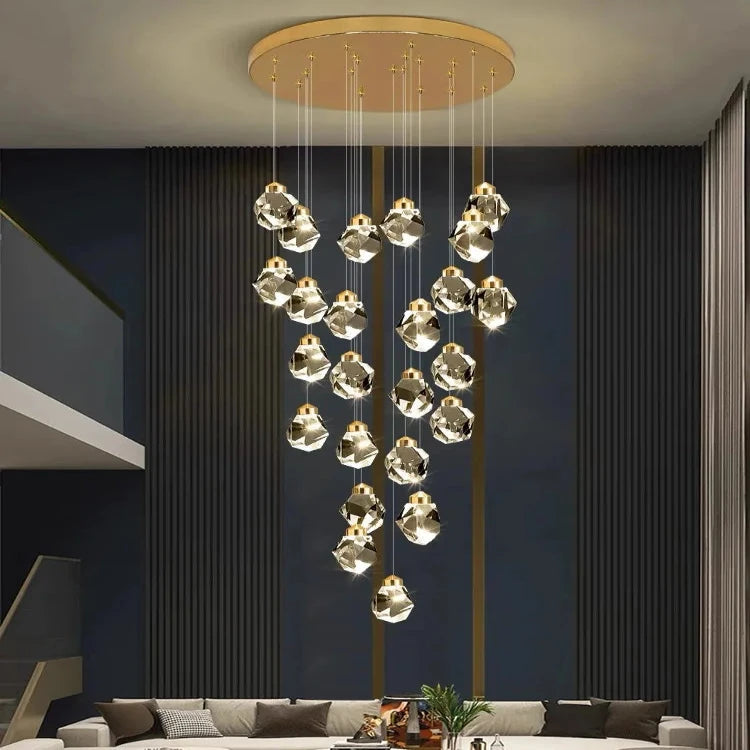
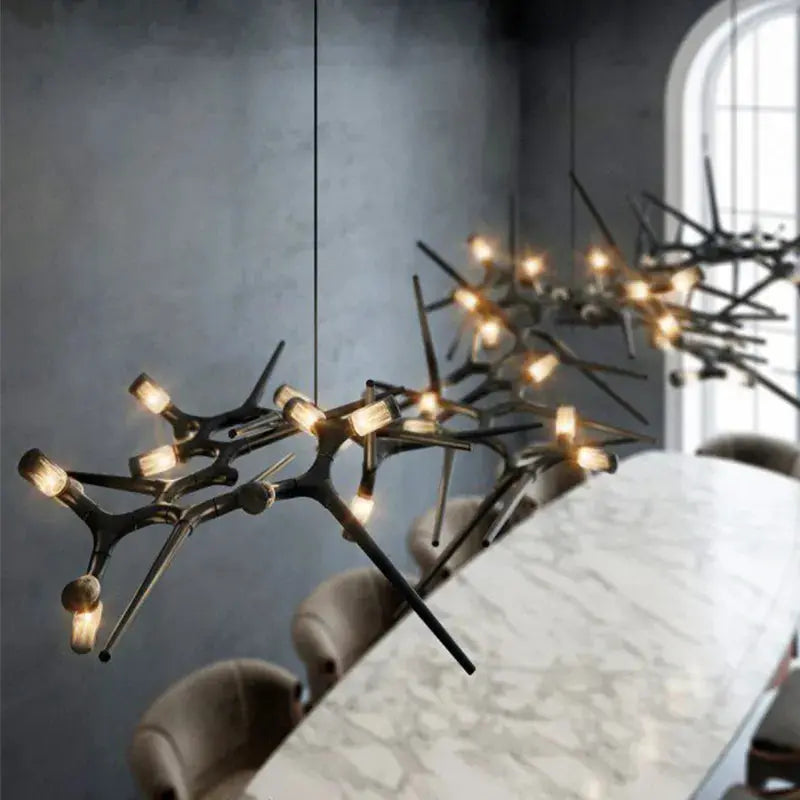
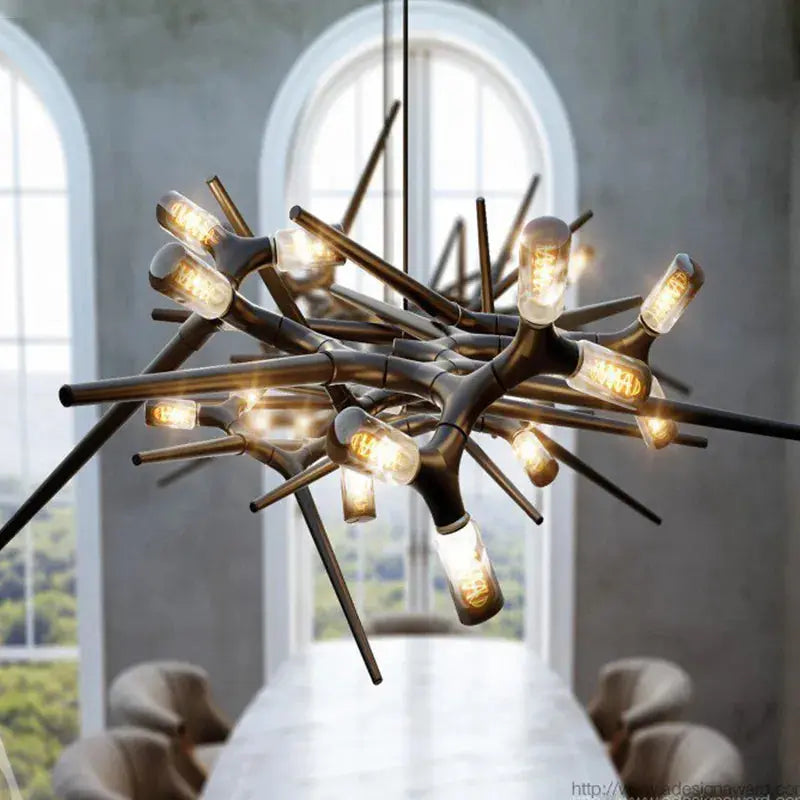
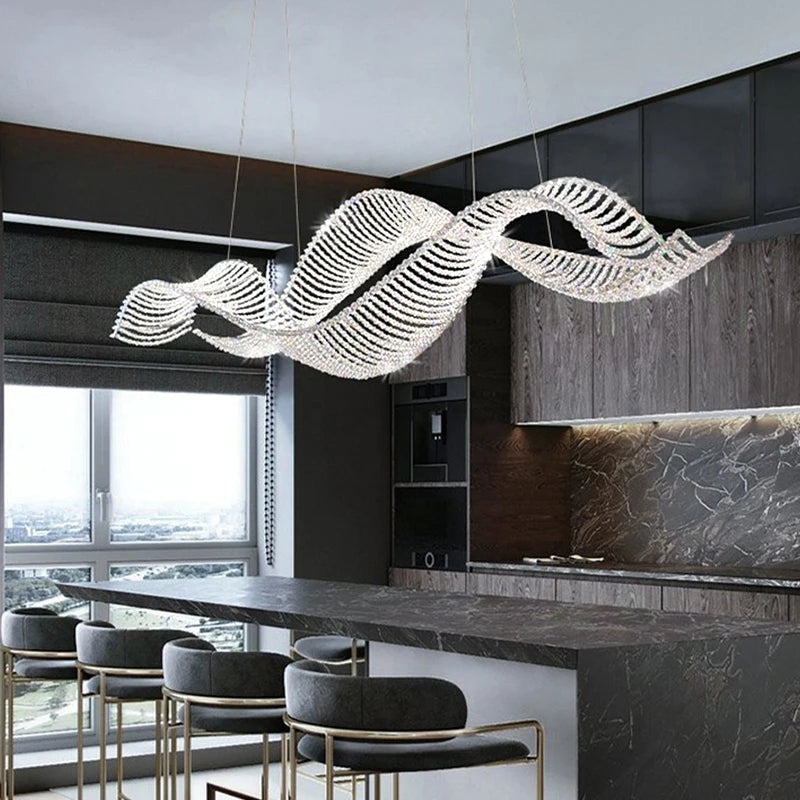
- Candelabros llamativos y anchosfuncionan mejor en grandes salones, áreas de comedor amplias y espacios de vida abiertos donde el plano del techo es amplio.
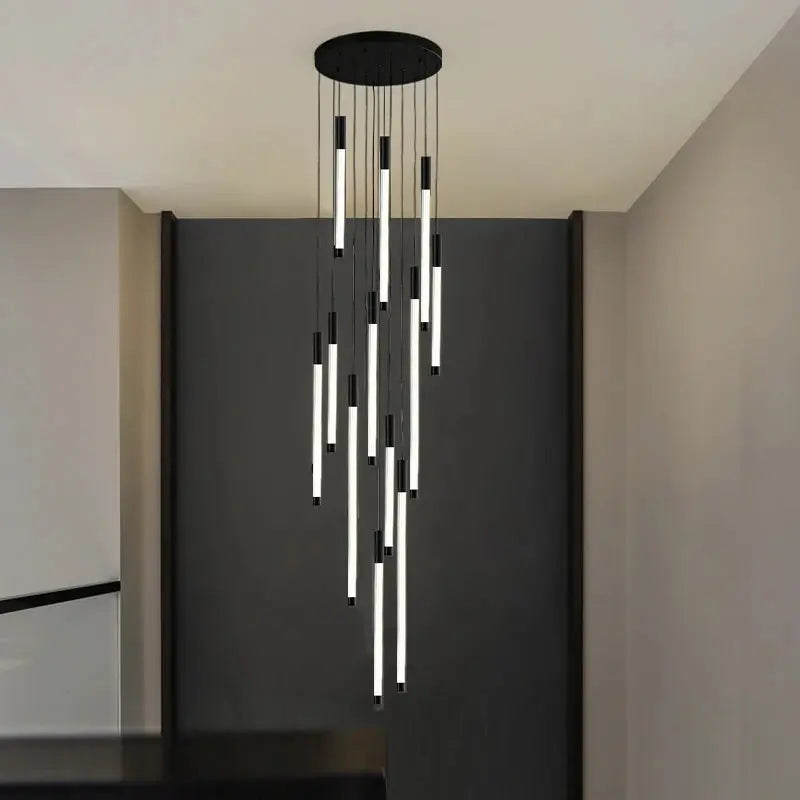
- Candelabros verticales largossuelen ser la opción más adecuada para escaleras, vestíbulos y otros espacios con transiciones de altura visibles.
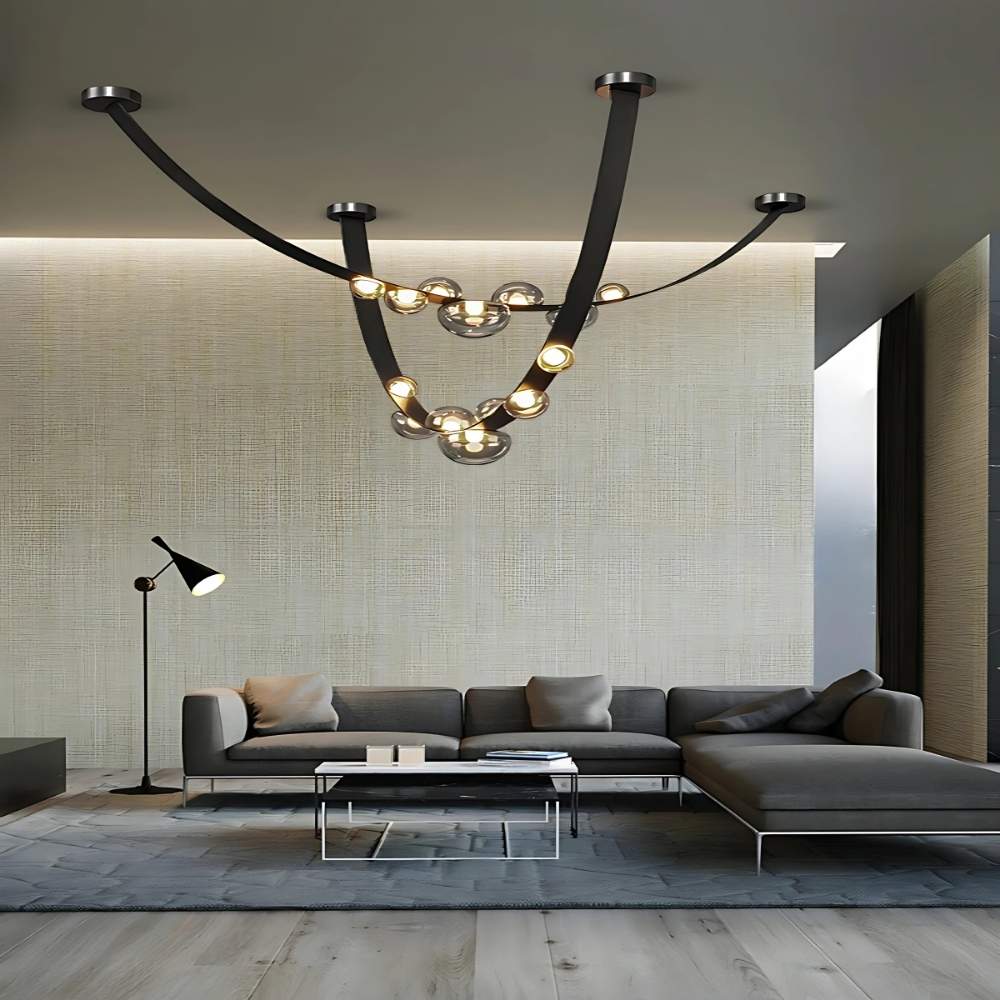
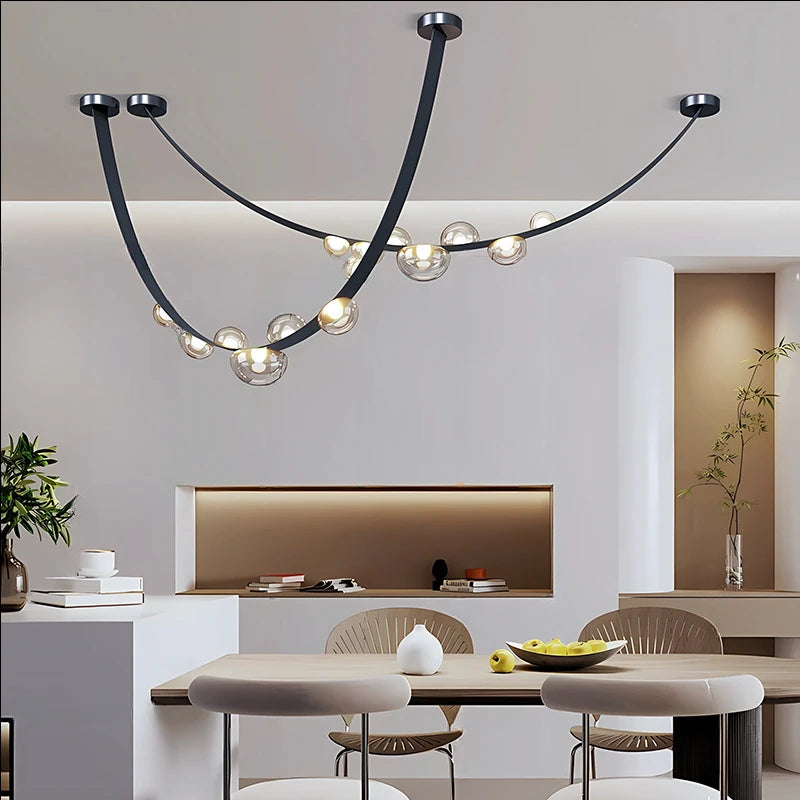
- Candelabros de gran tamaño con estructura abiertaayudan a que las habitaciones grandes se sientan equilibradas sin que el techo se vea demasiado denso.
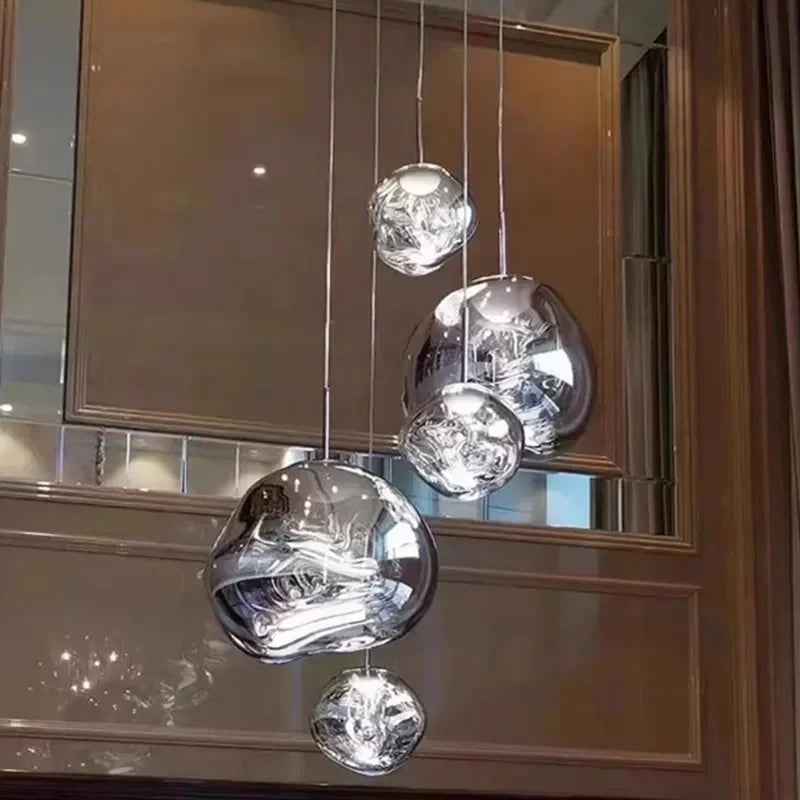
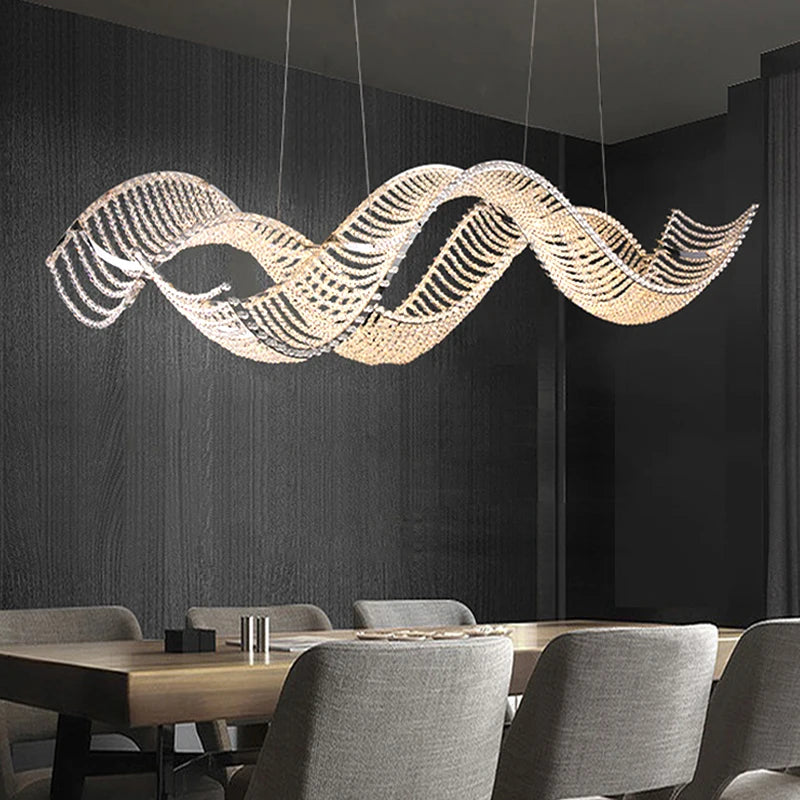
- Candelabros de gran tamaño de cristal y reflectantesaumentan la luminosidad percibida y el movimiento visual, lo que ayuda en interiores altos y más oscuros.
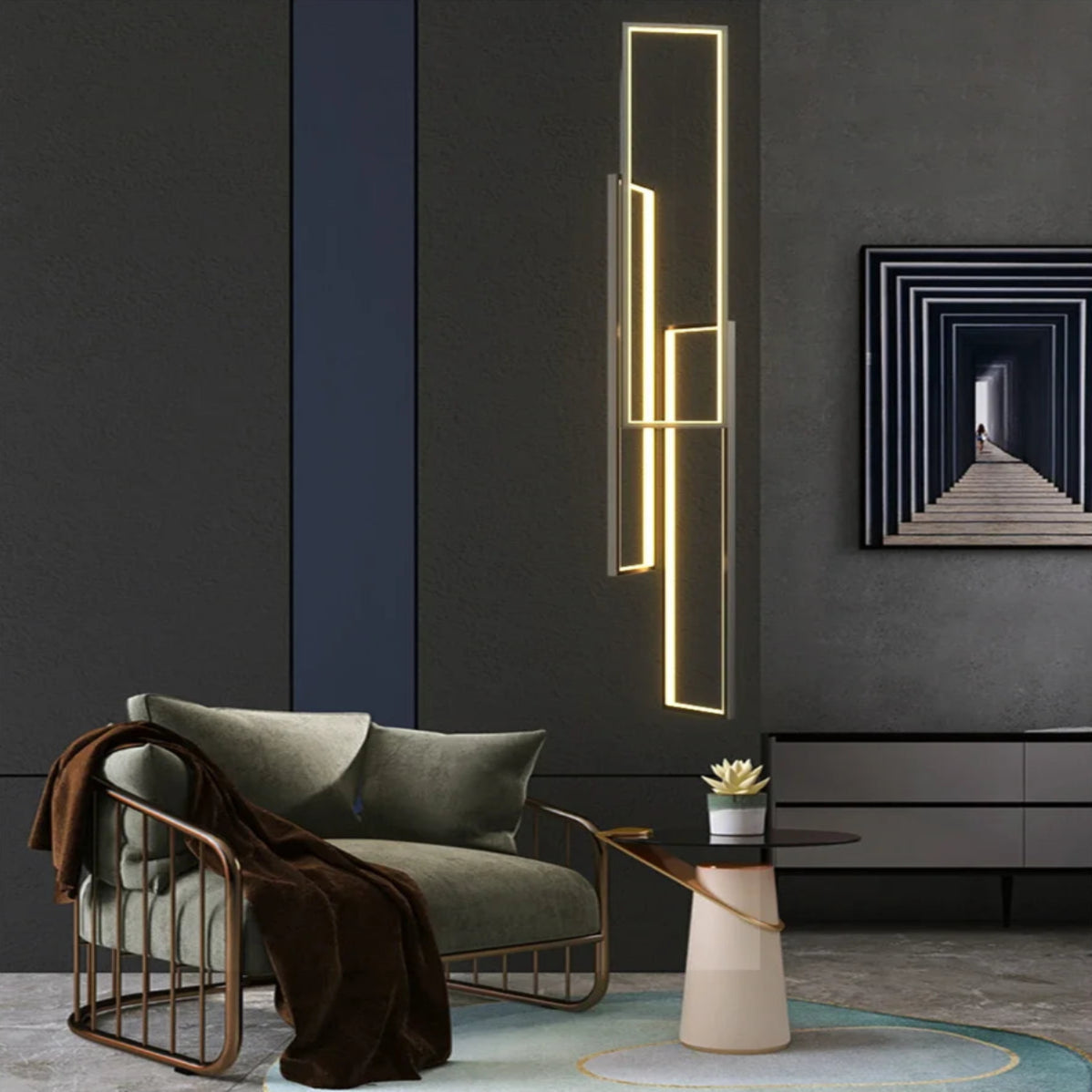
Si su estilo es más limpio o contemporáneo, puede obtener un mejor ajuste con las siluetas de nuestra colección de candelabros modernos, especialmente cuando desea una gran escala sin una forma tradicional de múltiples brazos o con muchos niveles.
Qué comprobar antes de realizar el pedido
Los candelabros de gran tamaño suelen exigir más de una habitación que una luminaria estándar, por lo que las comprobaciones prácticas son importantes antes de comprometerse. Los diámetros grandes, los cuerpos de las luminarias más profundos y los sistemas de suspensión más largos cambian los requisitos de instalación.
- Confirme la altura del techo en el punto de montaje exacto, no solo el punto más alto de la habitación.
- Mida el ancho de la habitación y cualquier espacio abierto debajo del candelabro.
- Verifique el espacio libre visual desde barandillas, rellanos y bordes de pisos superiores.
- Piense en el acceso para la limpieza y el mantenimiento futuro.
- Verifique que la estructura pueda soportar una luminaria más grande y pesada de forma segura.
Estas preguntas prácticas son más importantes en techos inclinados, huecos de escaleras y espacios de varios pisos. Si el proyecto es especialmente técnico, también puede comparar los pasos generales de instalación en cómo instalar un candelabroantes de finalizar la elección de la luminaria.
Colecciones relacionadas para espacios de gran escala
Una vez que conozca el tipo de habitación, será más fácil reducir aún más la selección. Los proyectos centrados en la entrada suelen encajar mejor en la iluminación de vestíbulos, mientras que las caídas de varios pisos visualmente más fuertes suelen pertenecer a la categoría de escaleras. La forma de la habitación y la dirección del acabado siguen siendo importantes, pero la reducción por uso arquitectónico suele ser la forma más rápida de encontrar la luminaria de gran tamaño adecuada.
