
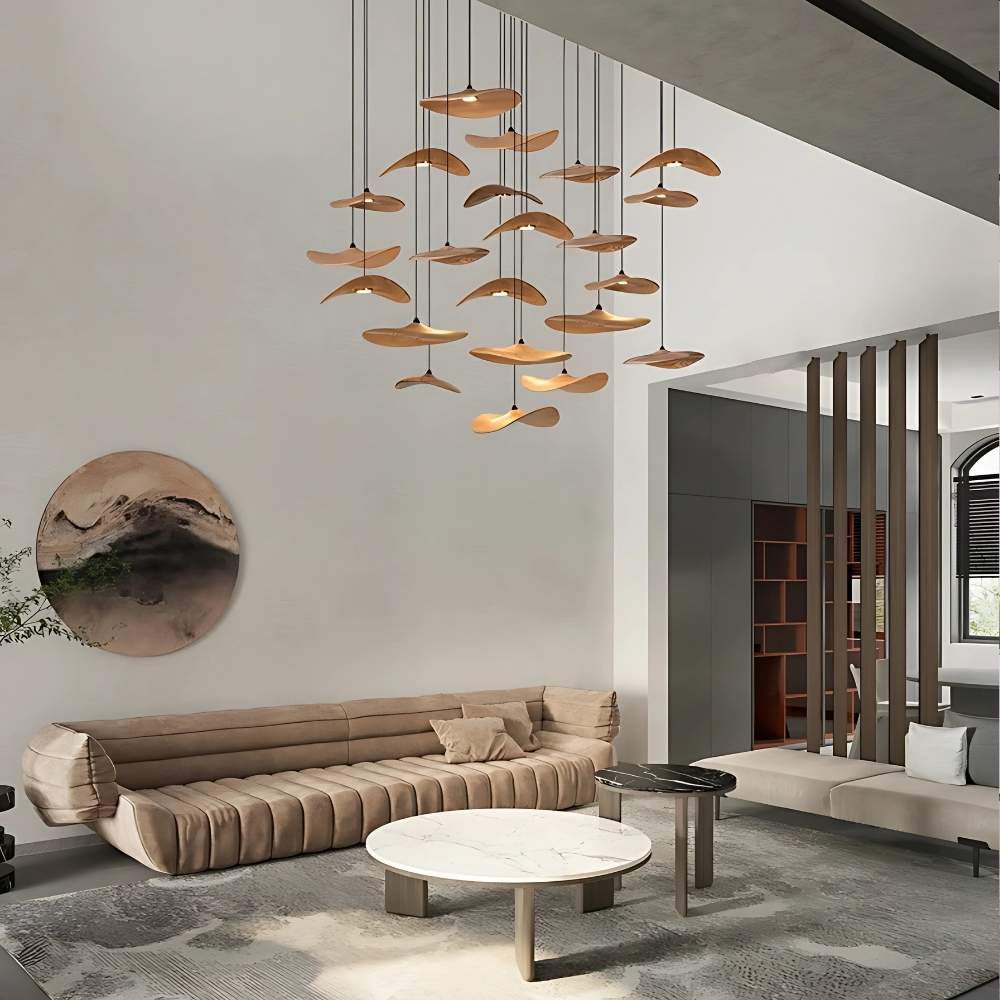
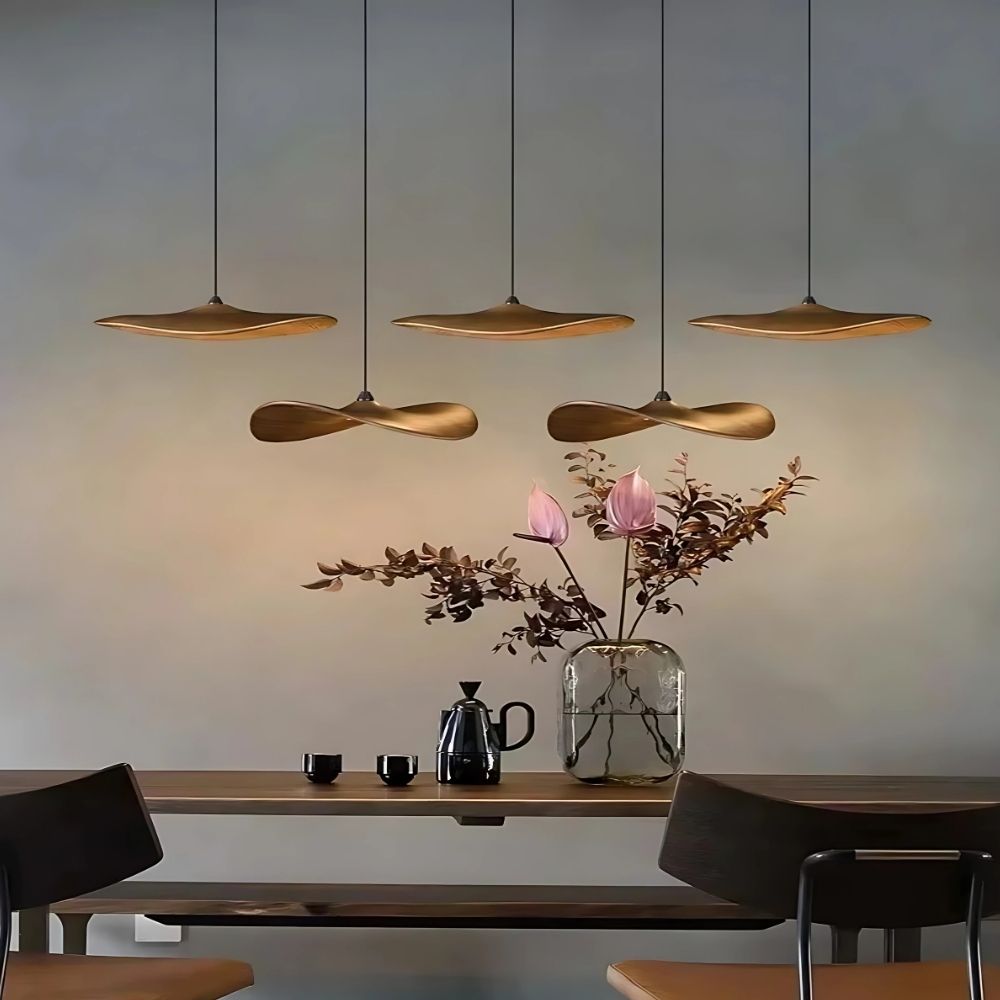
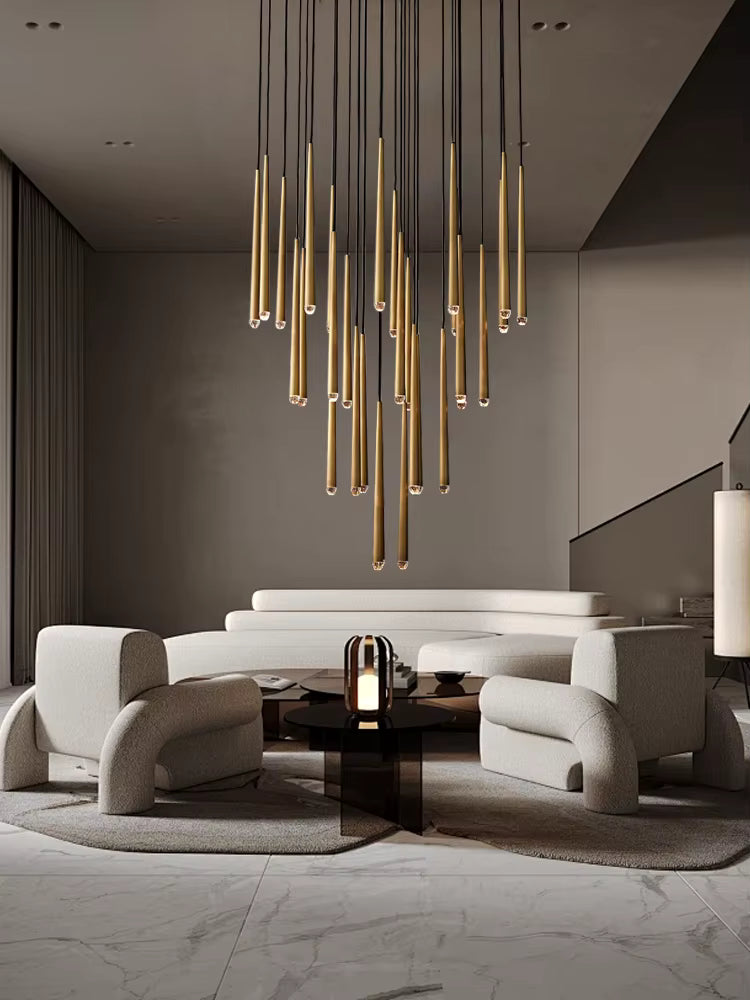
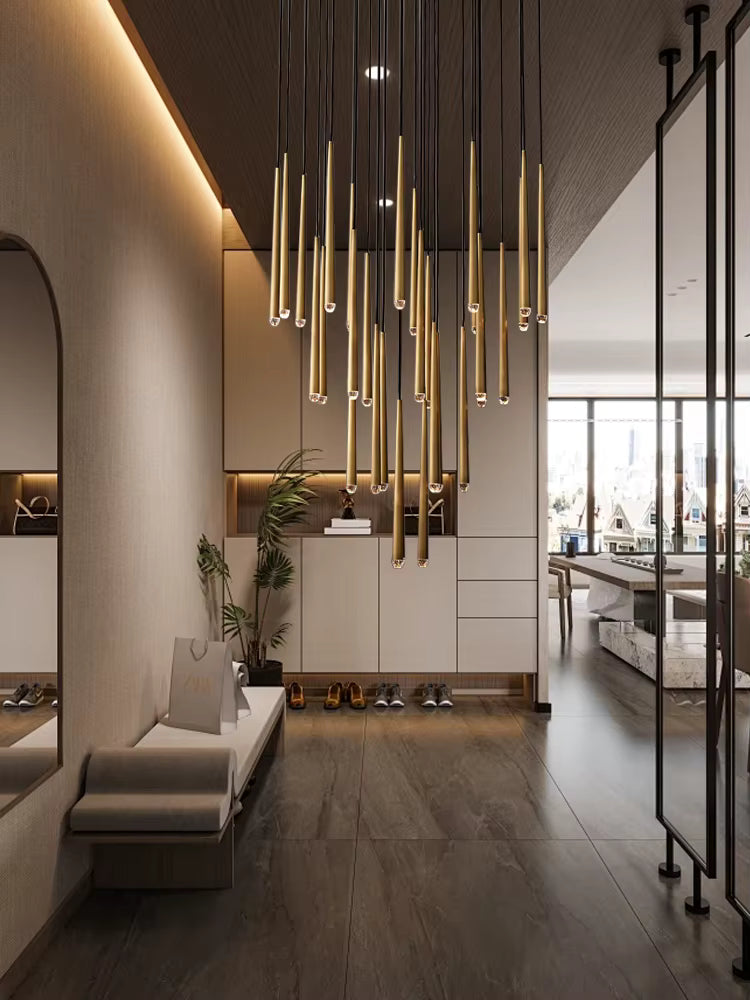
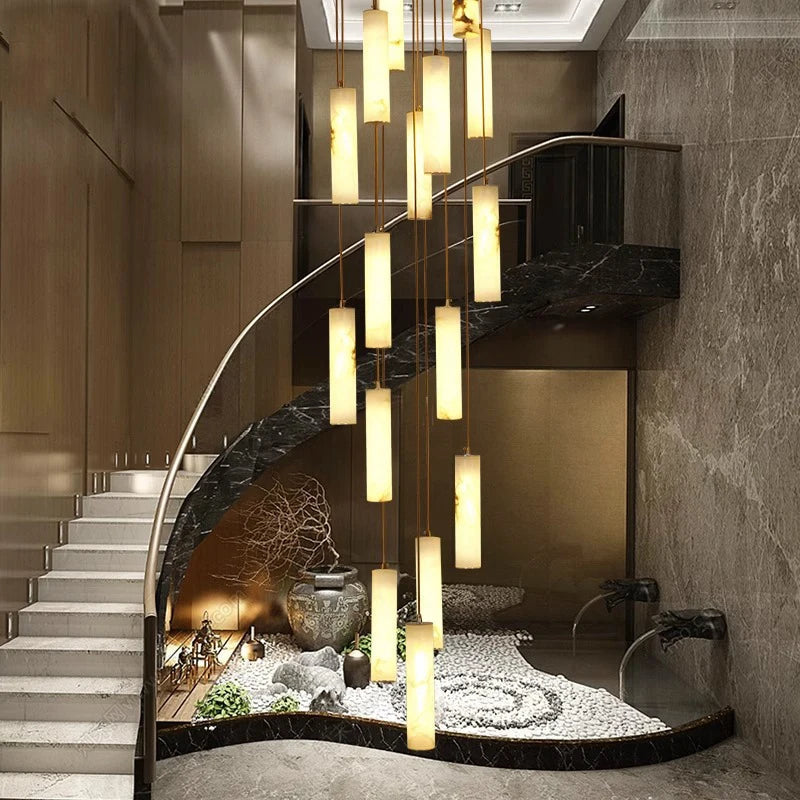
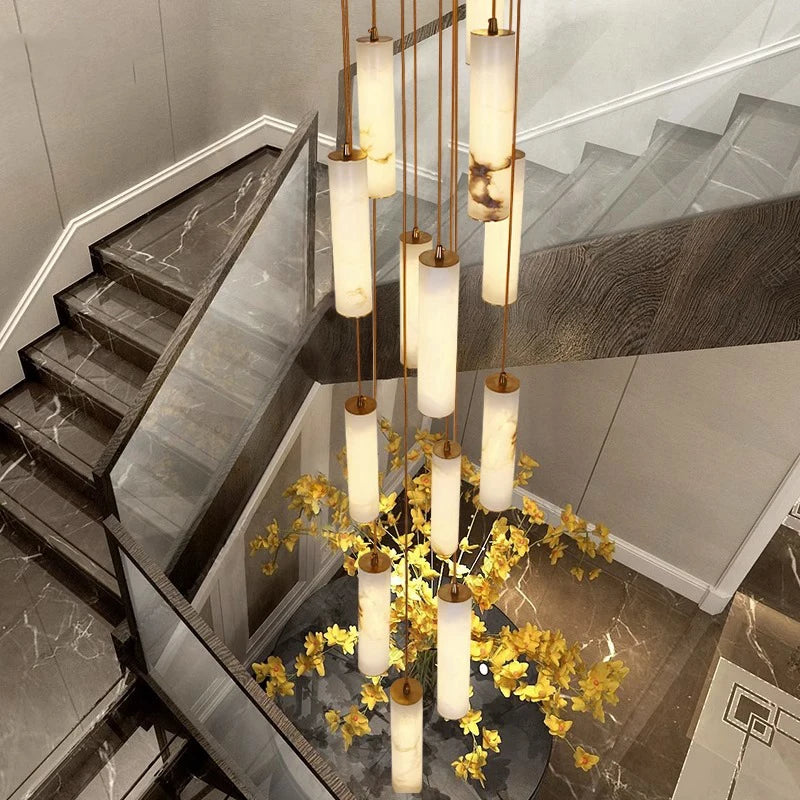
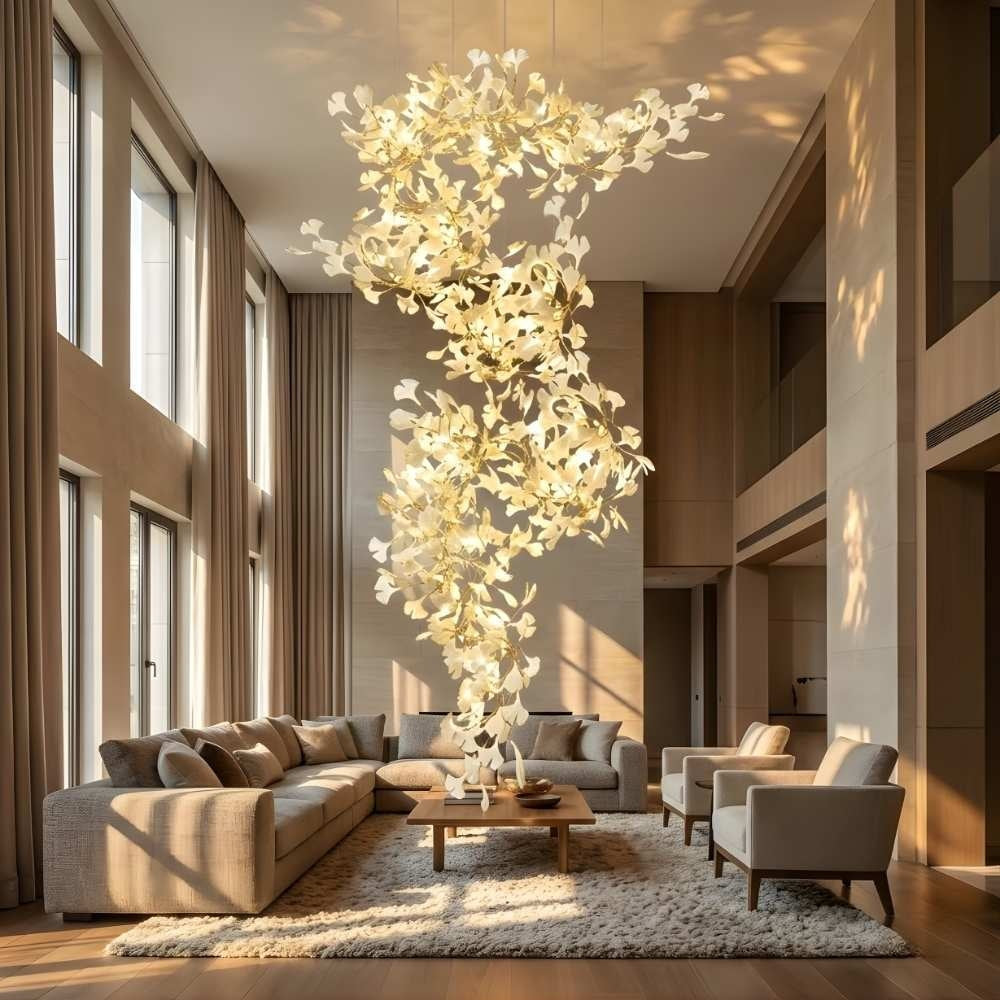
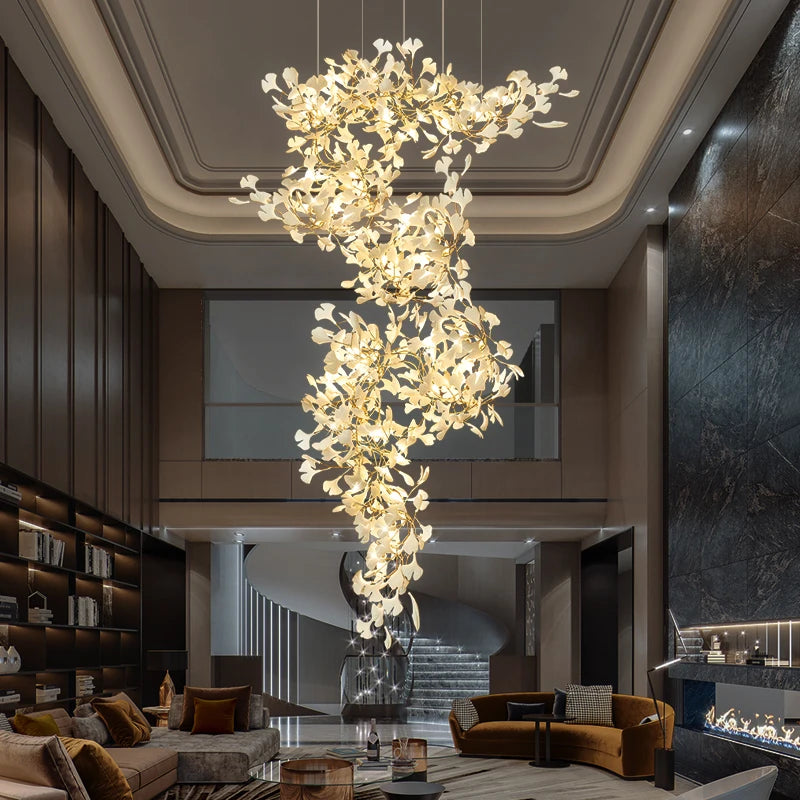
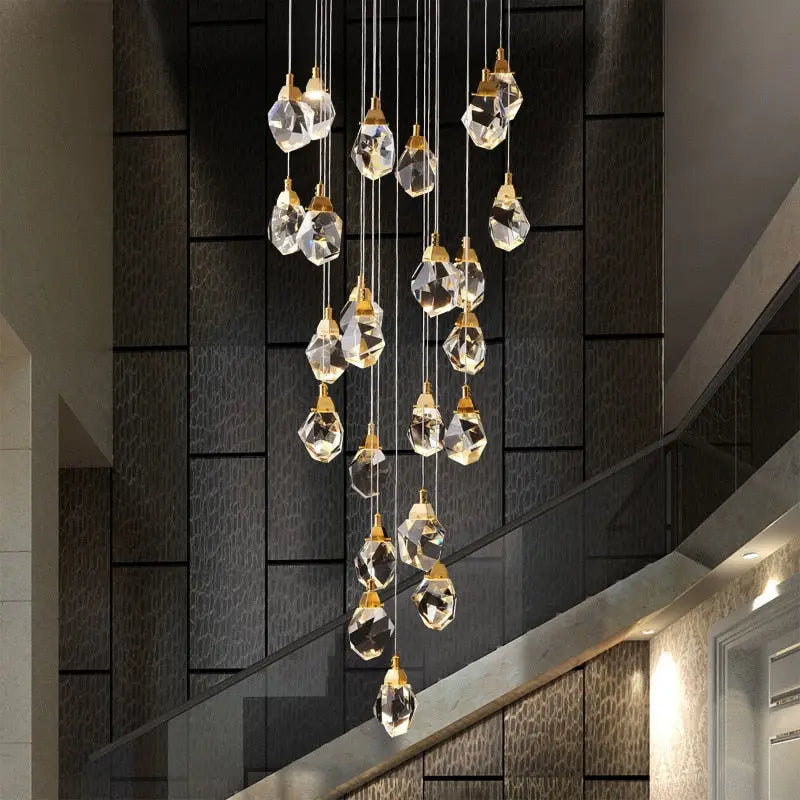
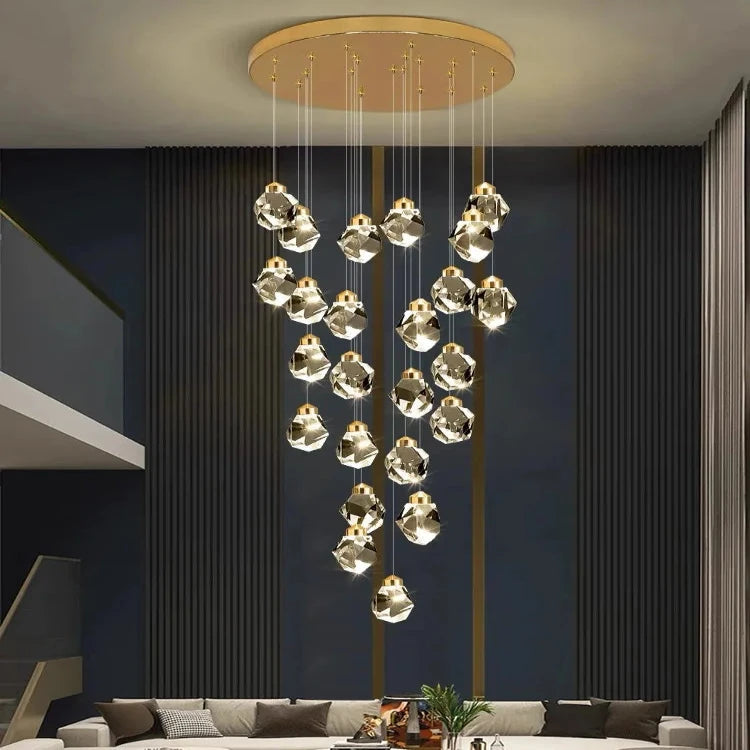
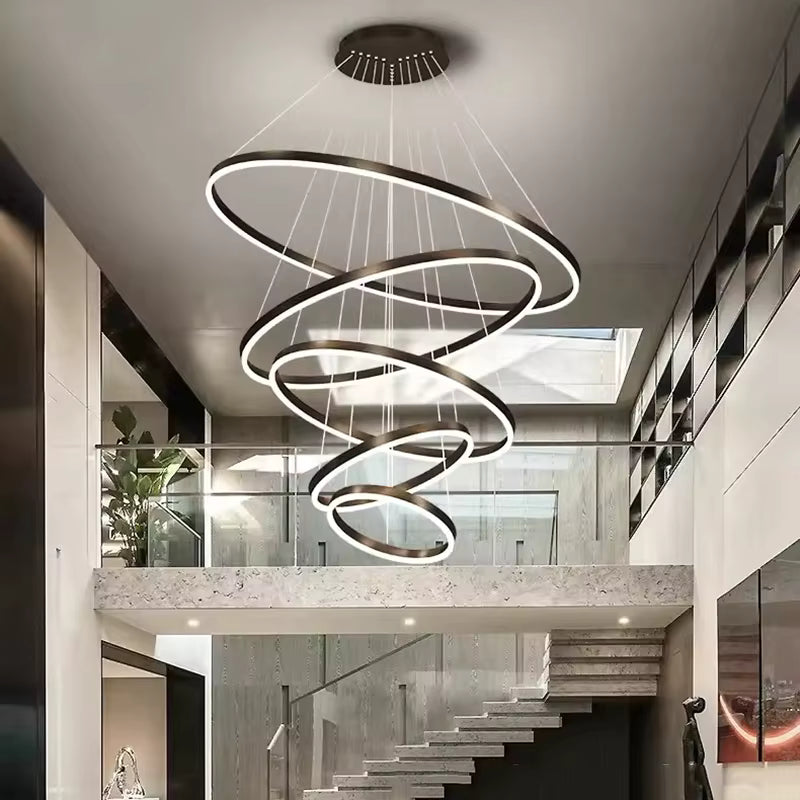
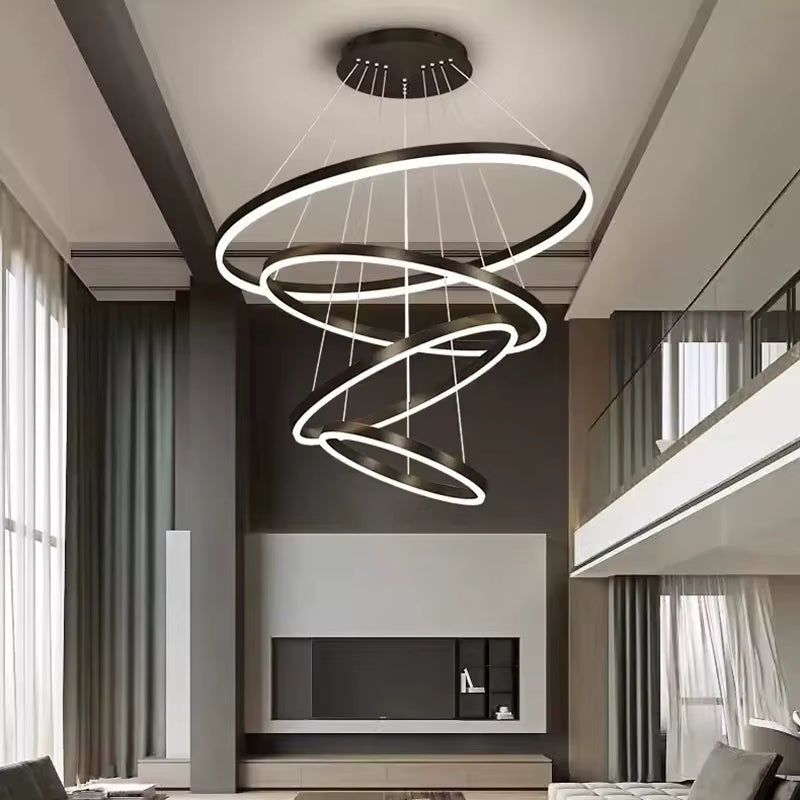



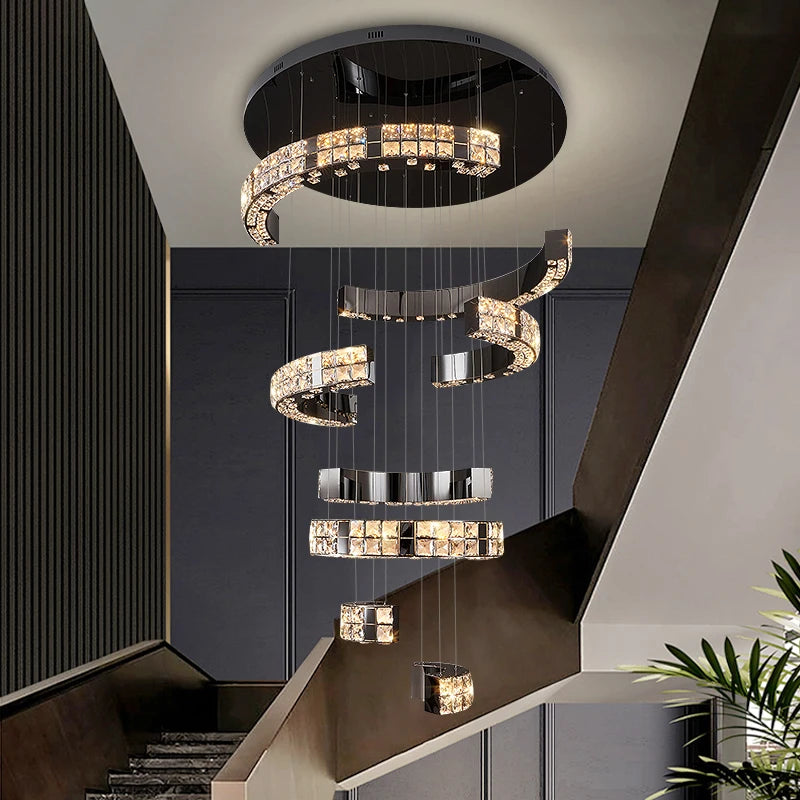
Candelabros Declaración Diseñados como Iluminación Focal
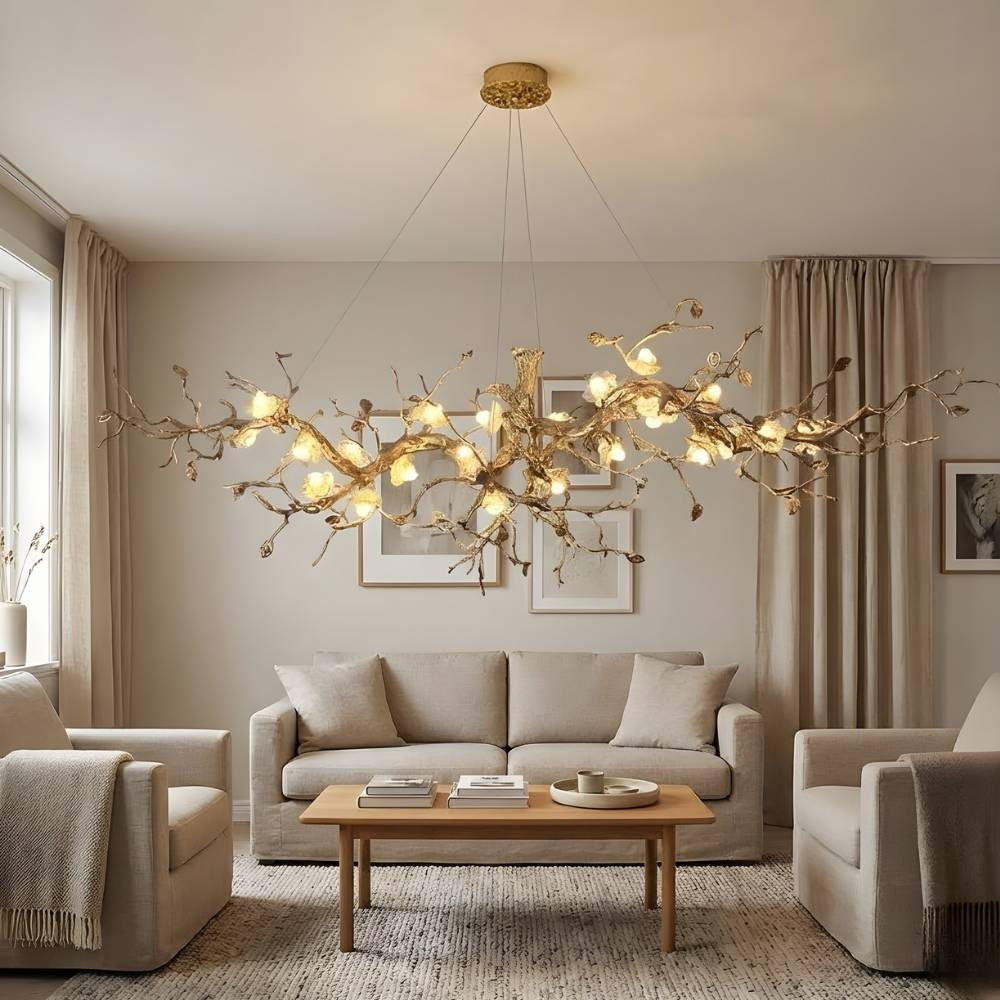
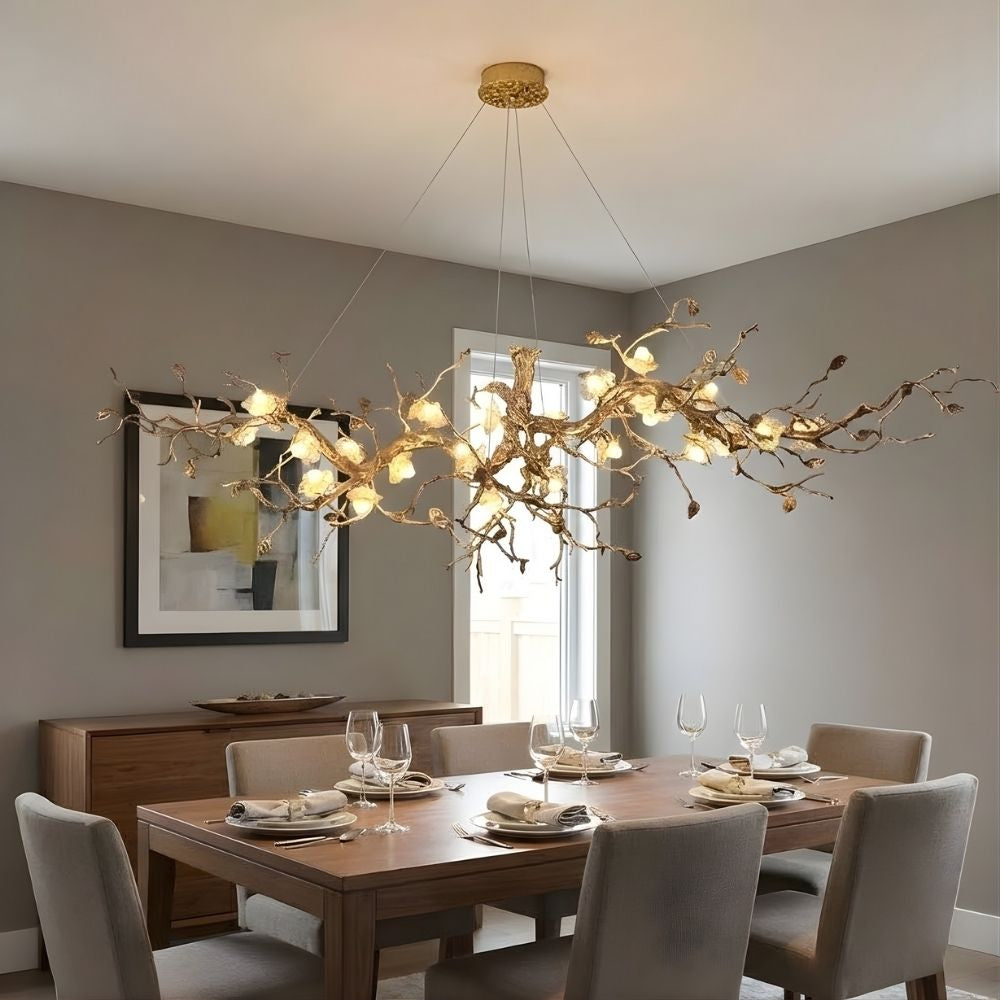
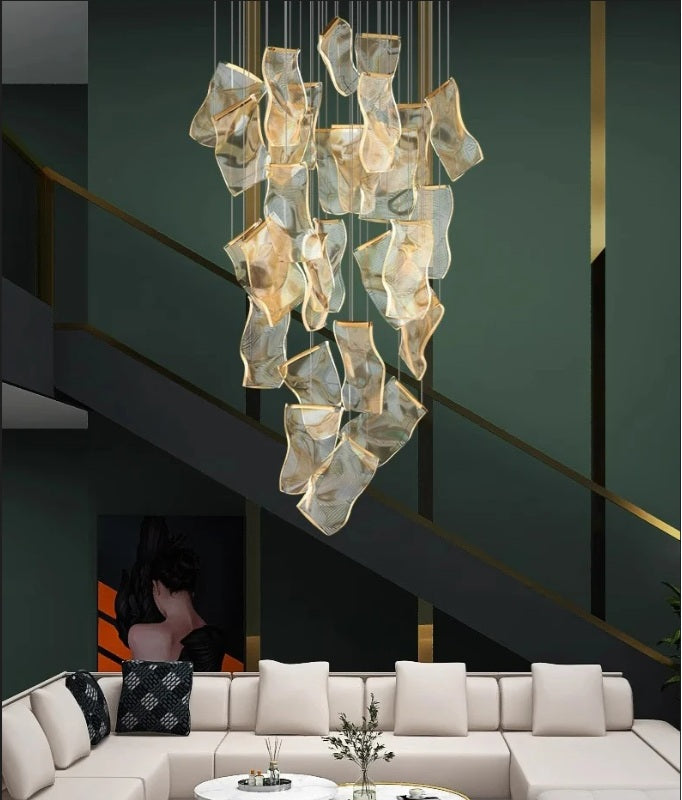
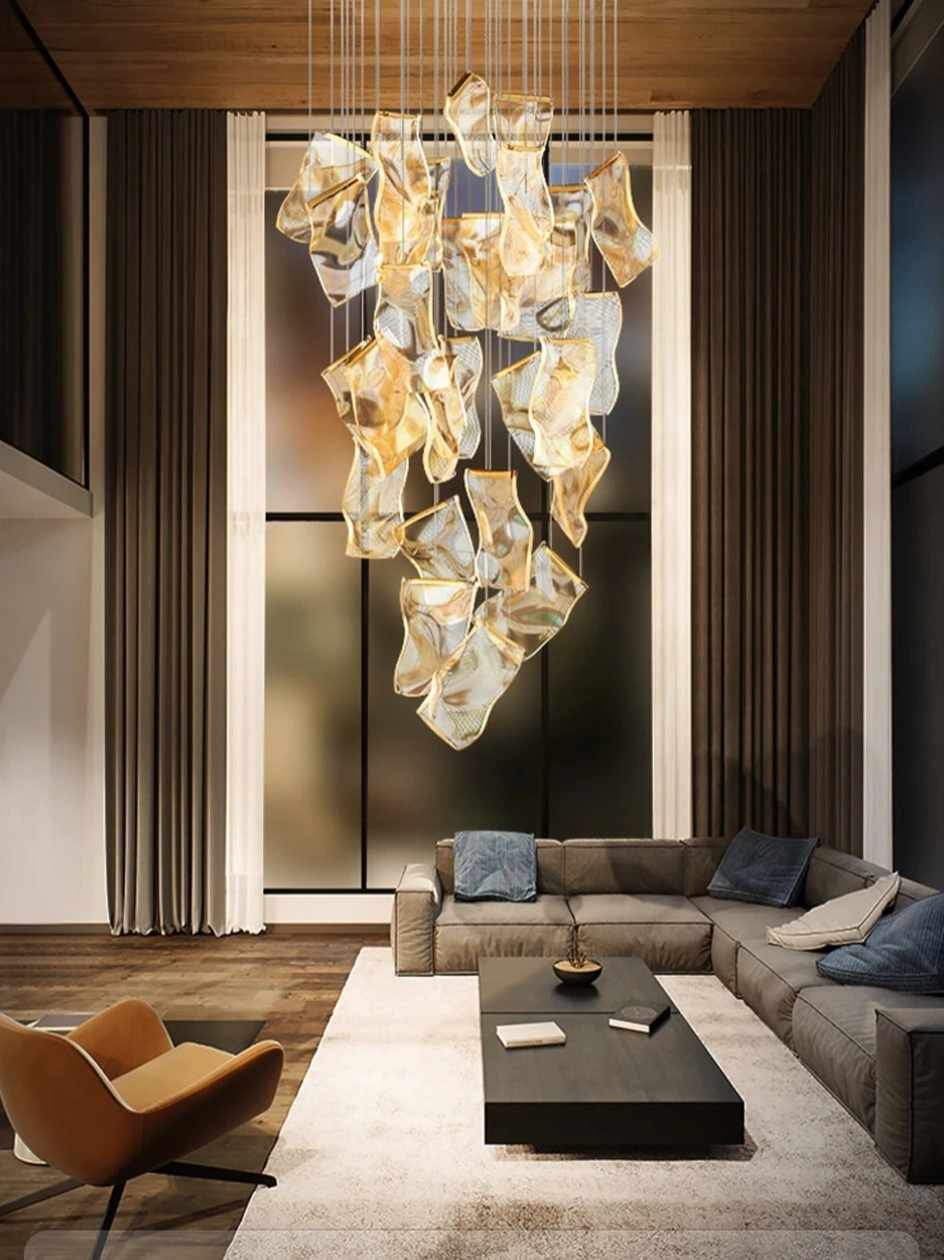
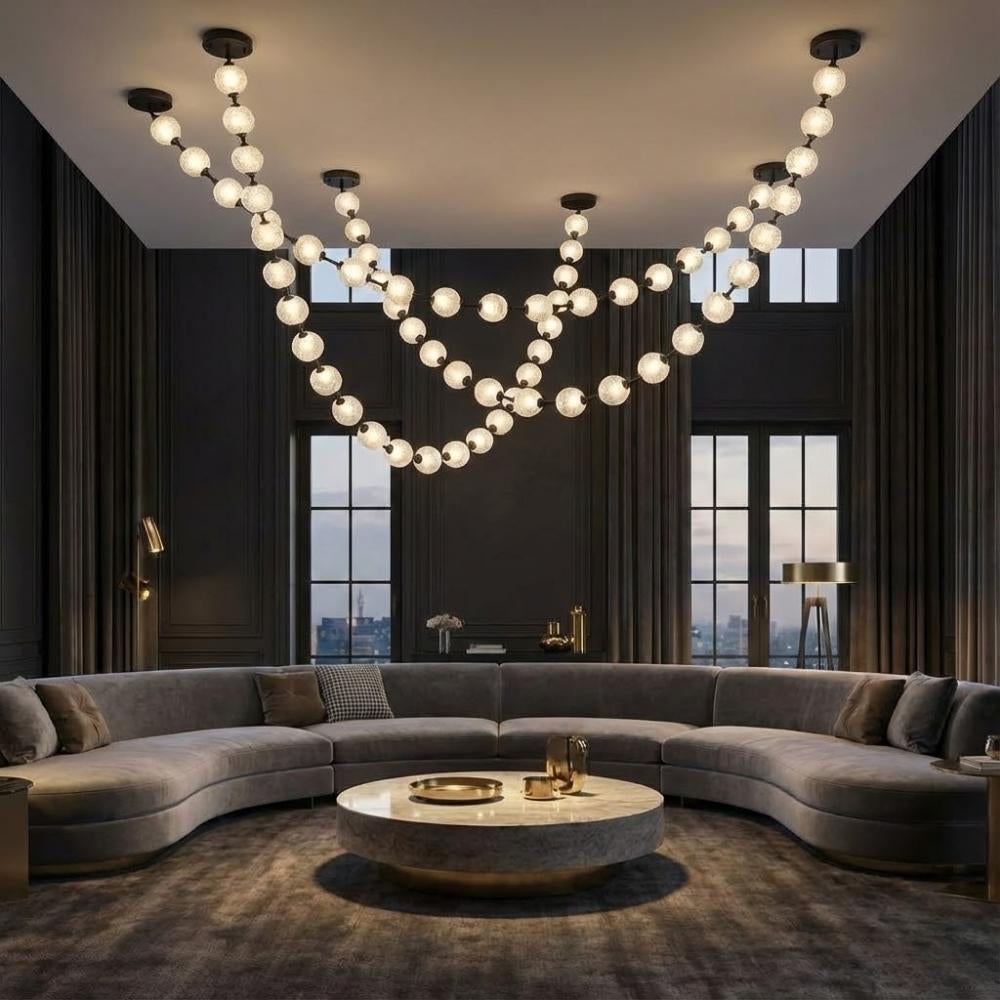
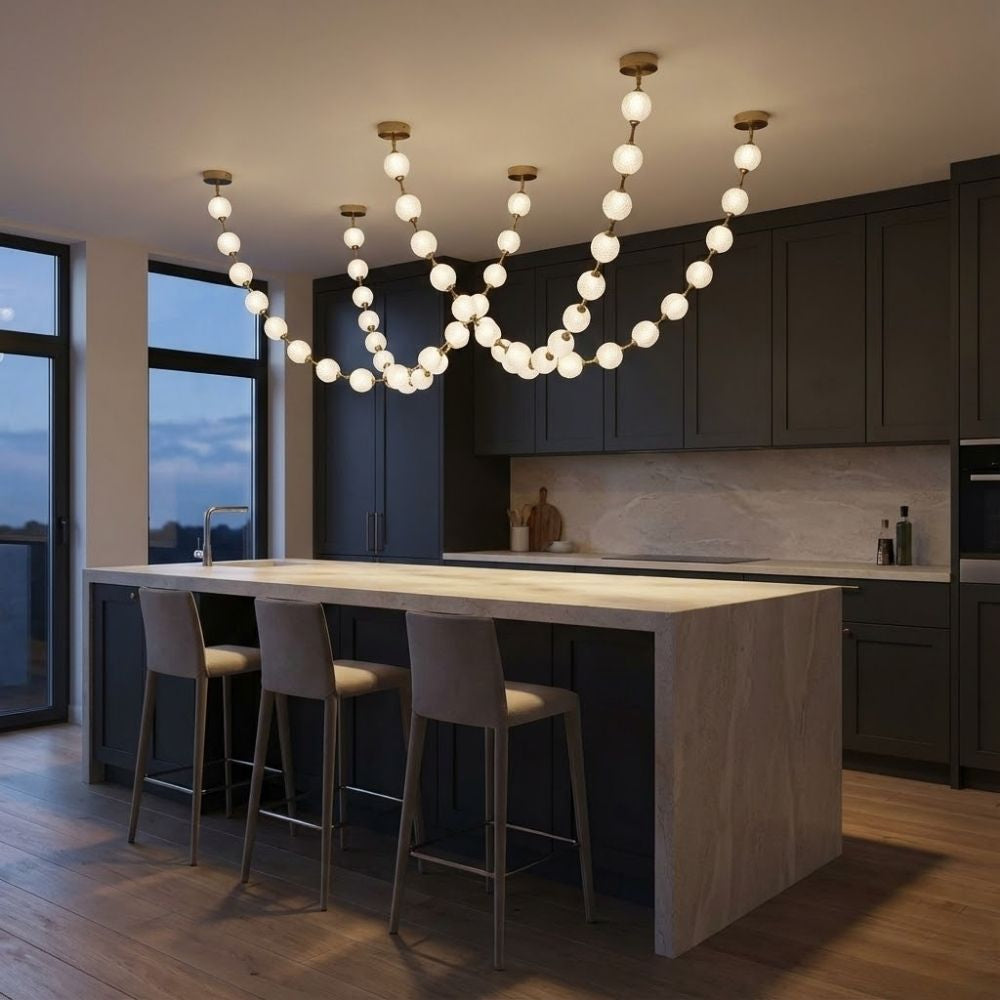
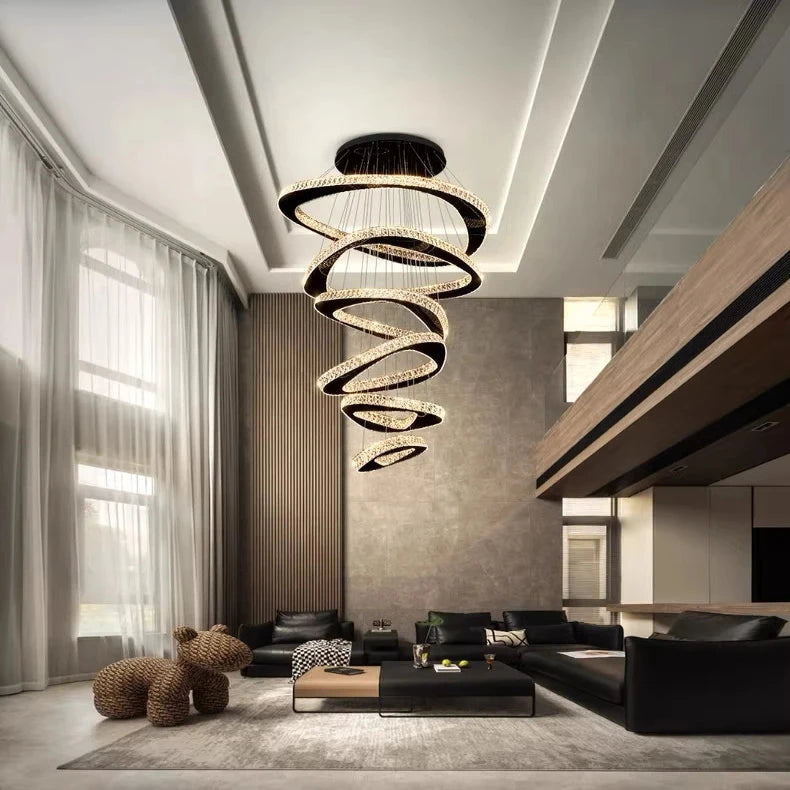
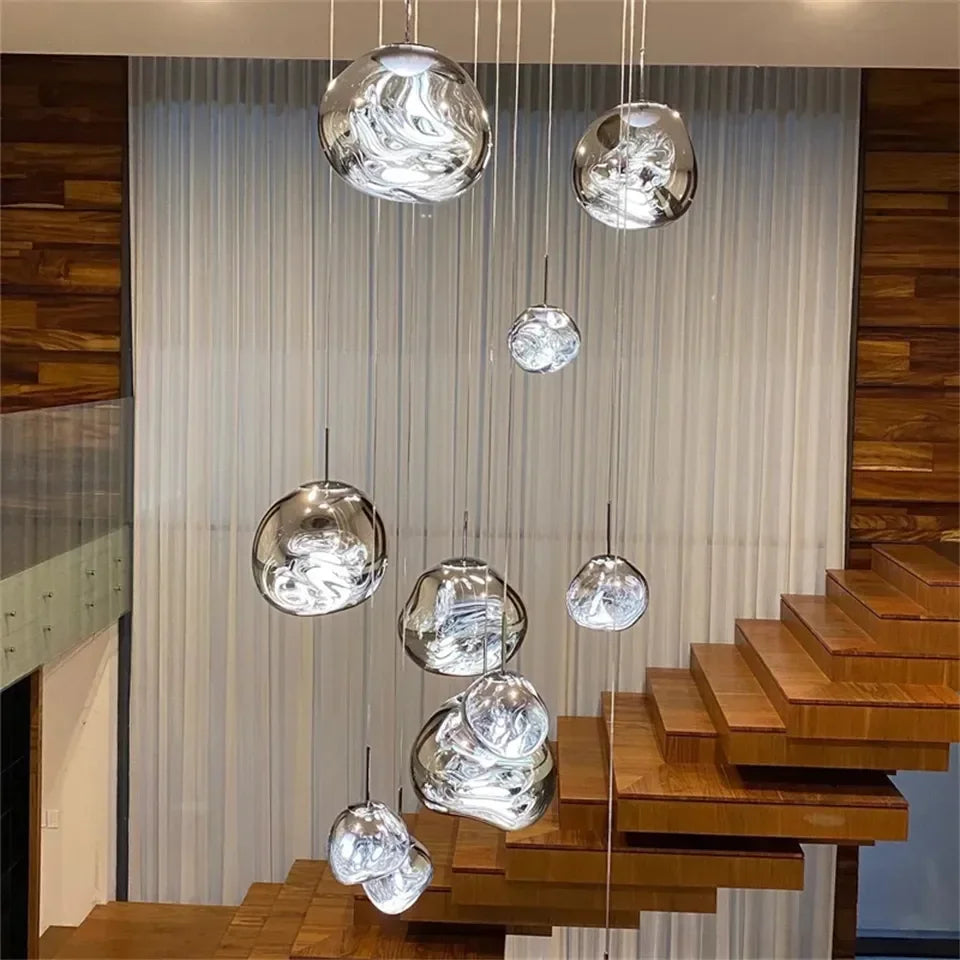
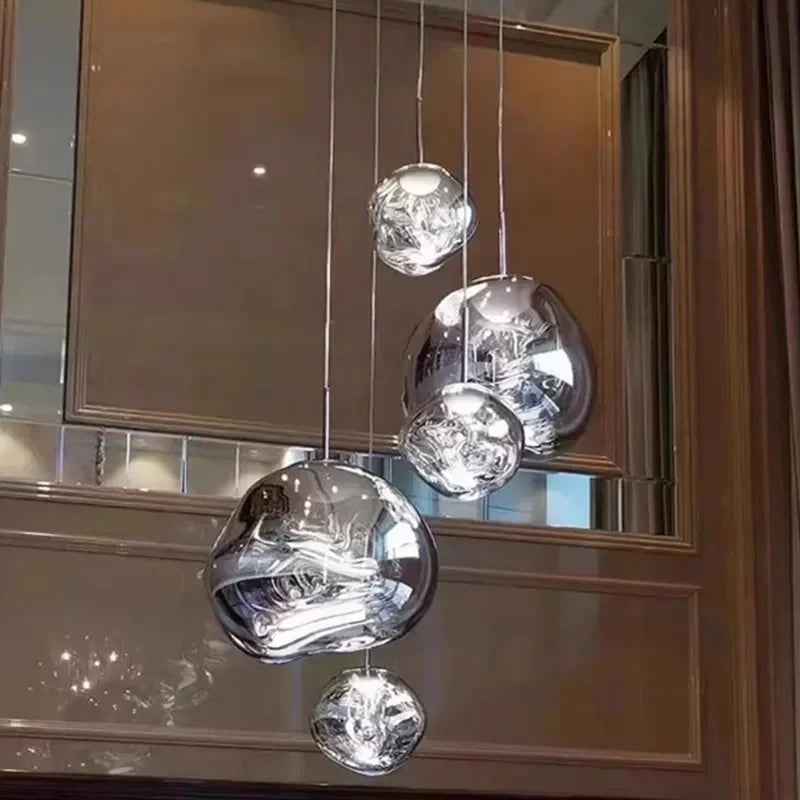
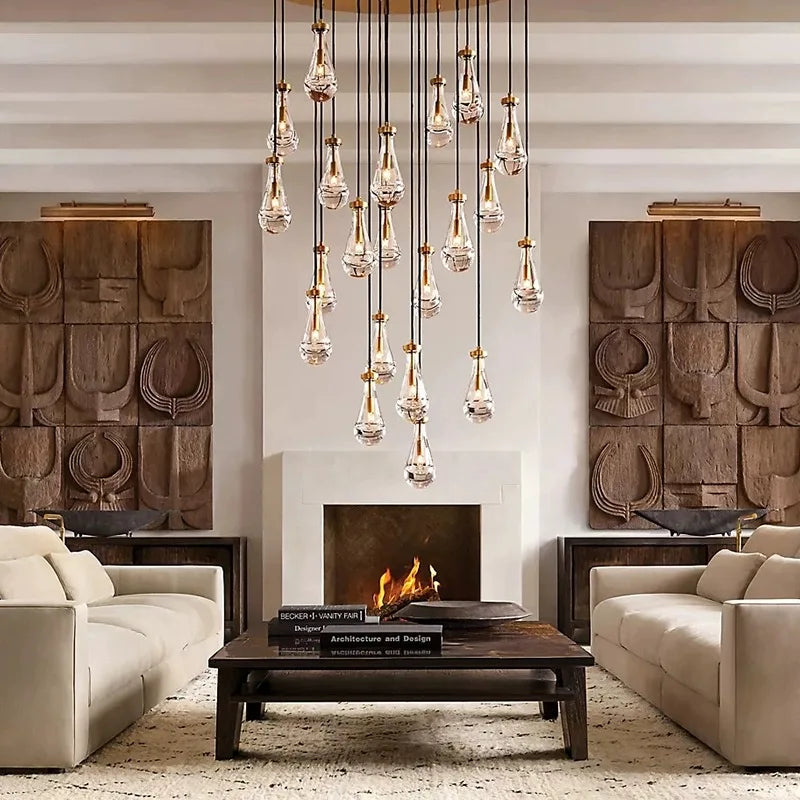
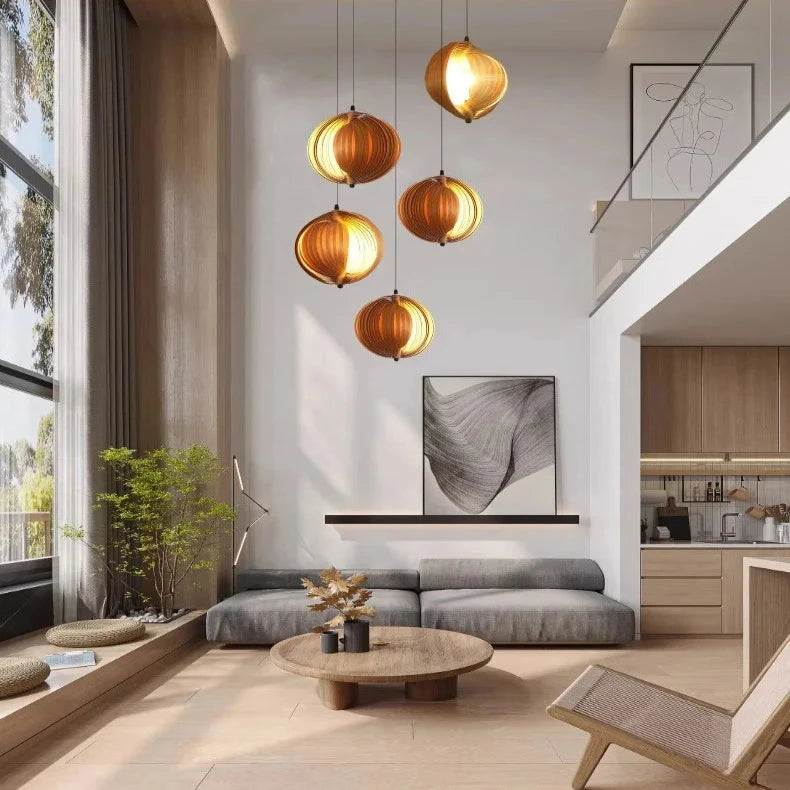
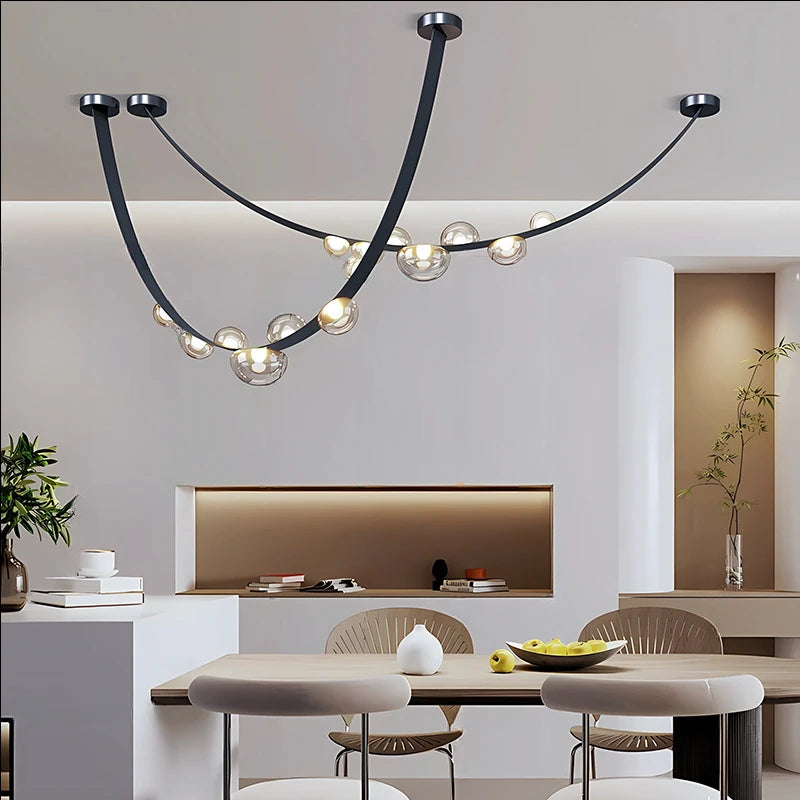
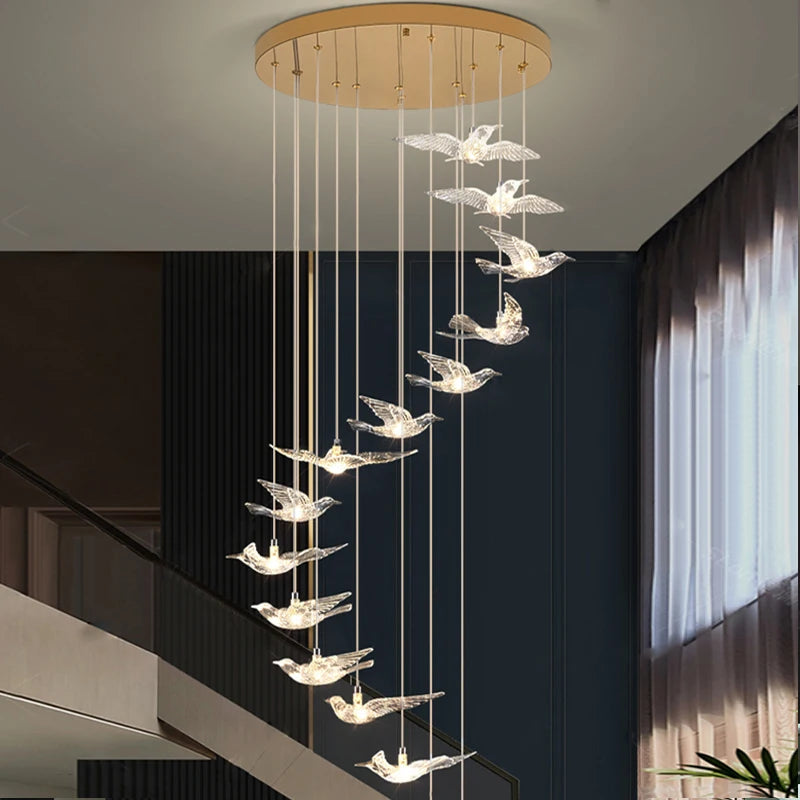
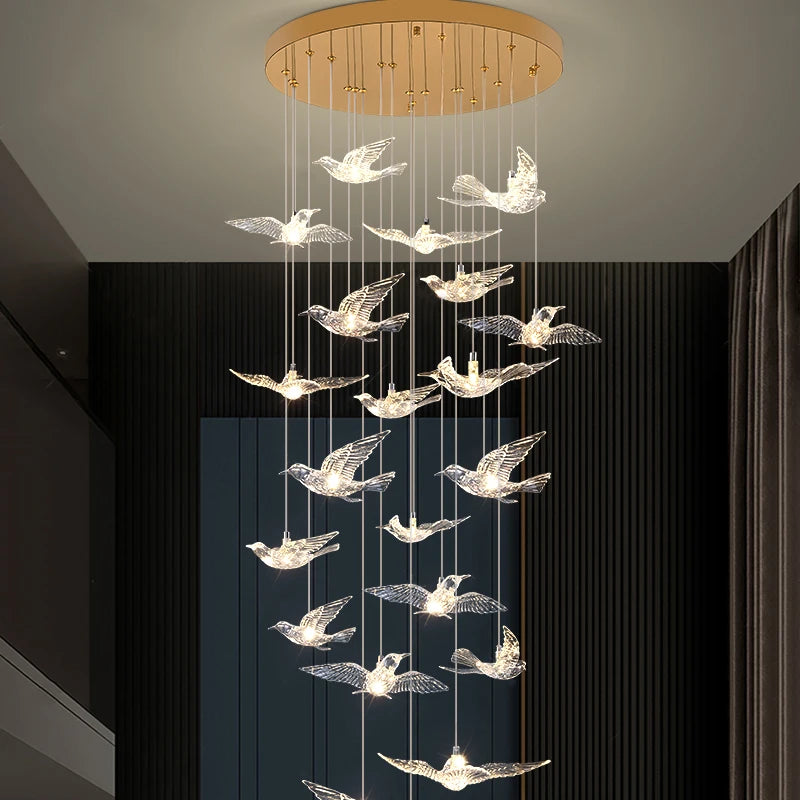
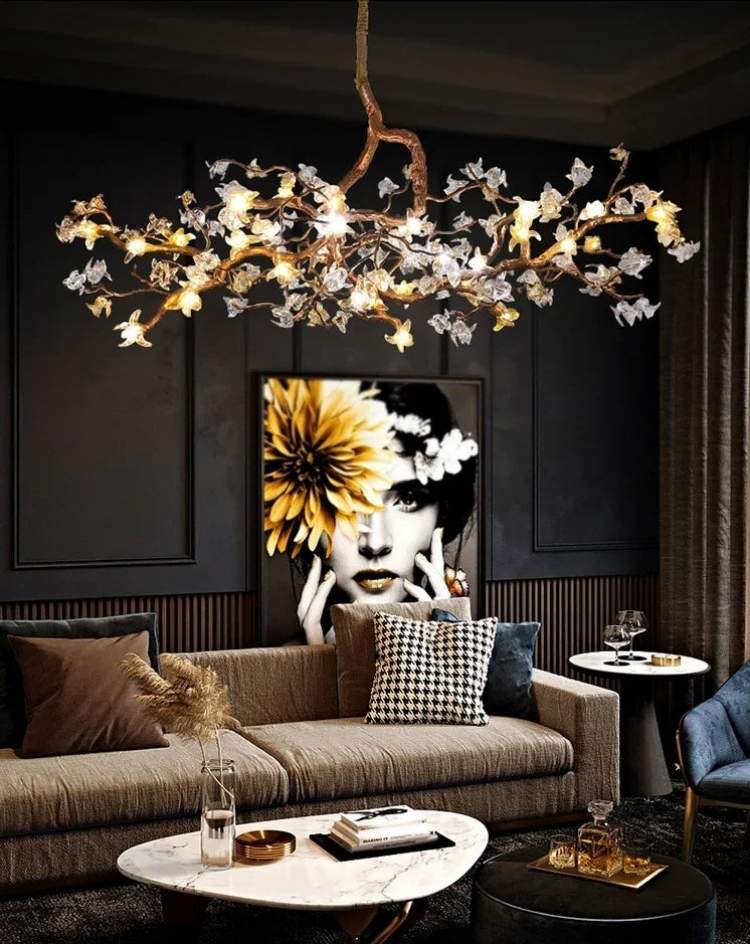
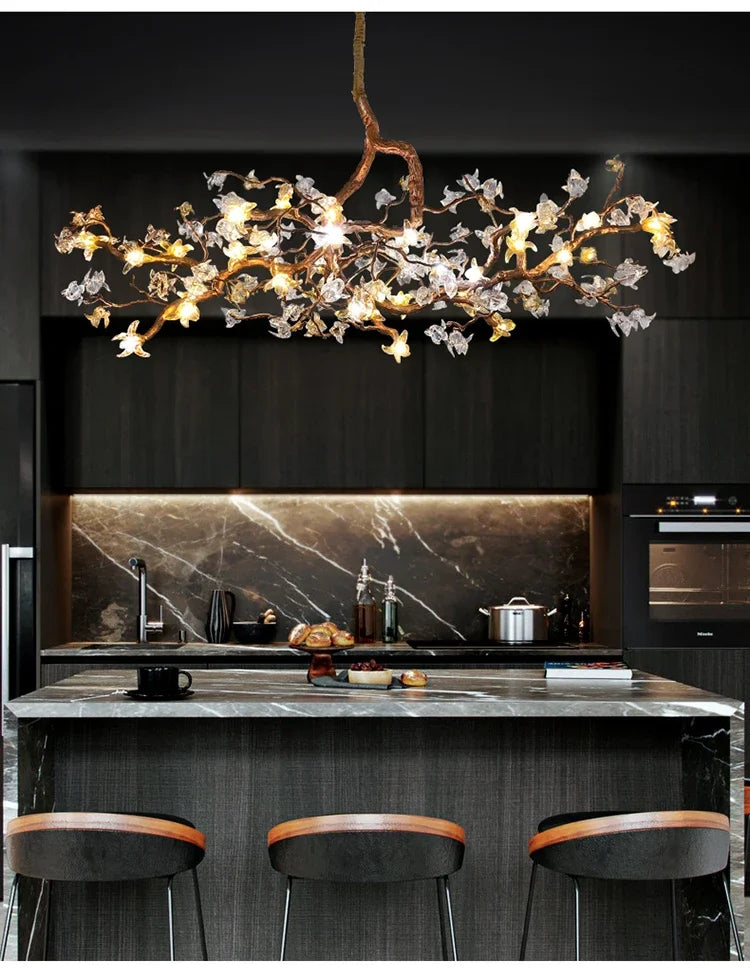
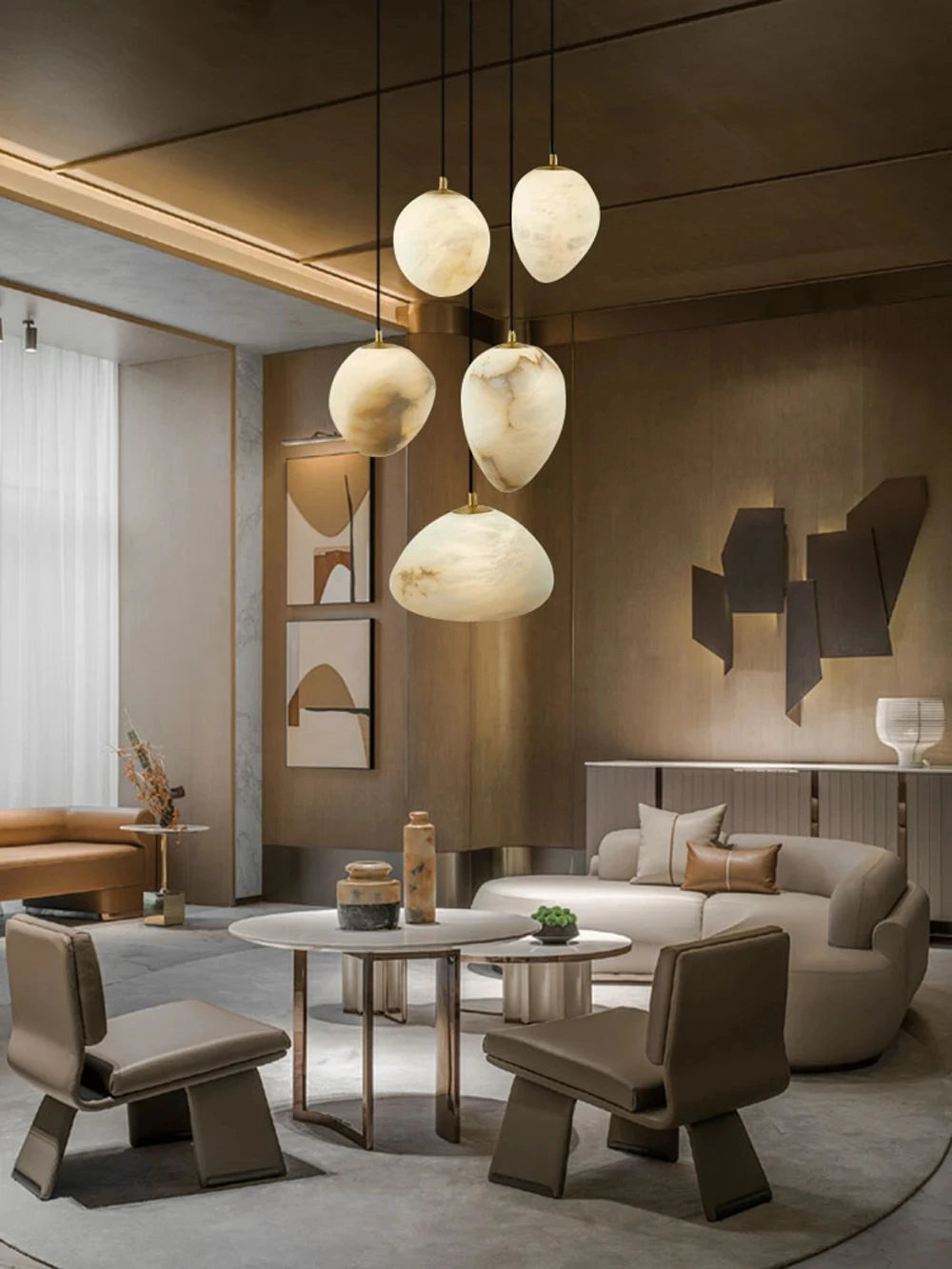
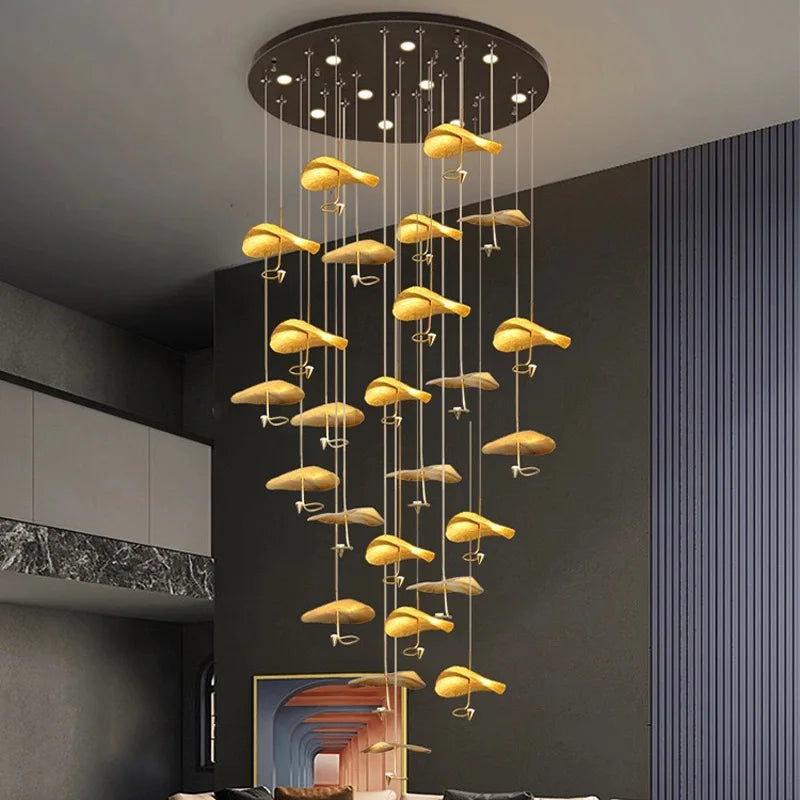
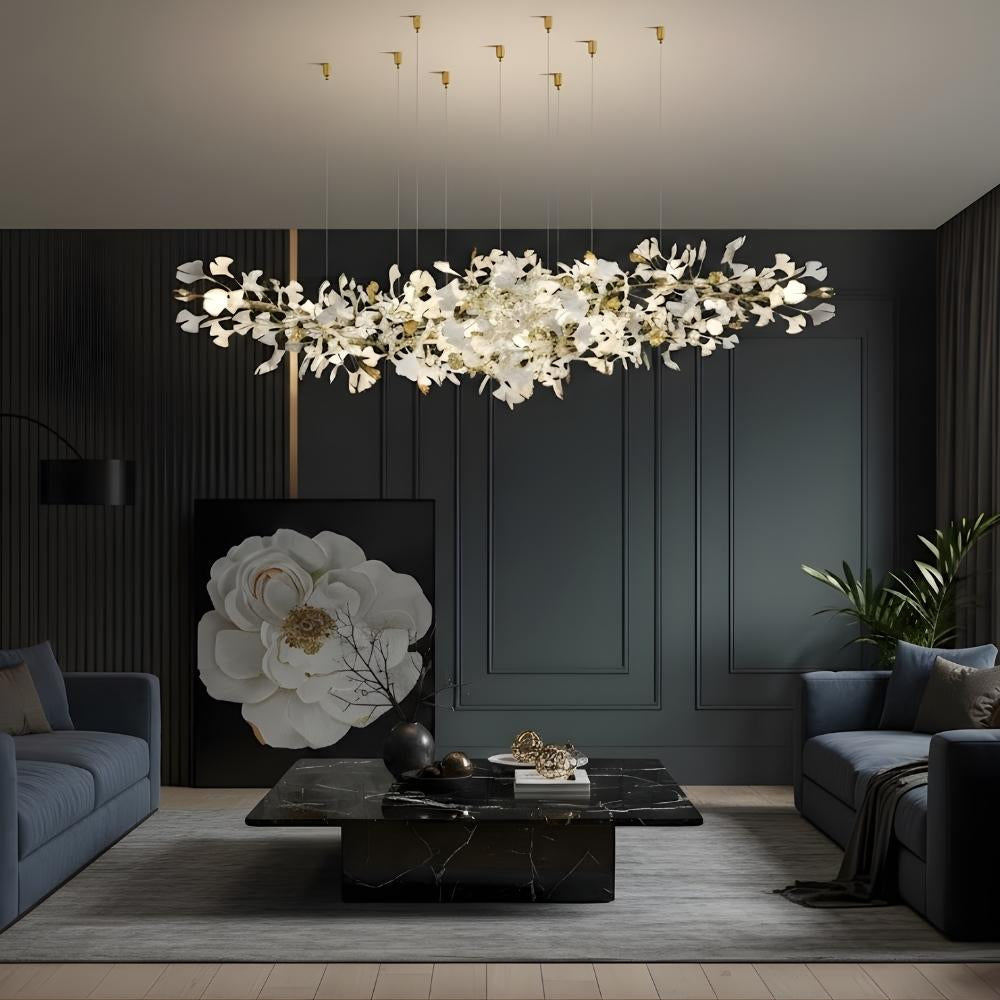
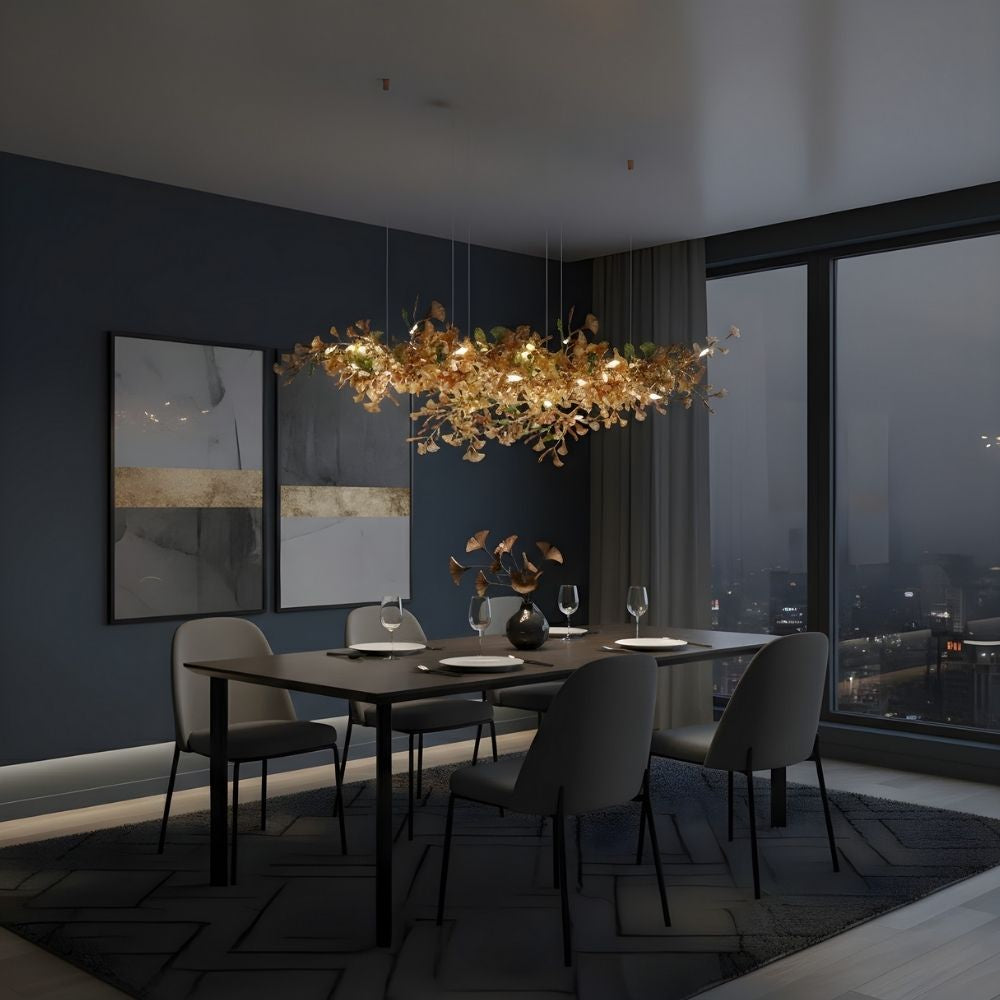
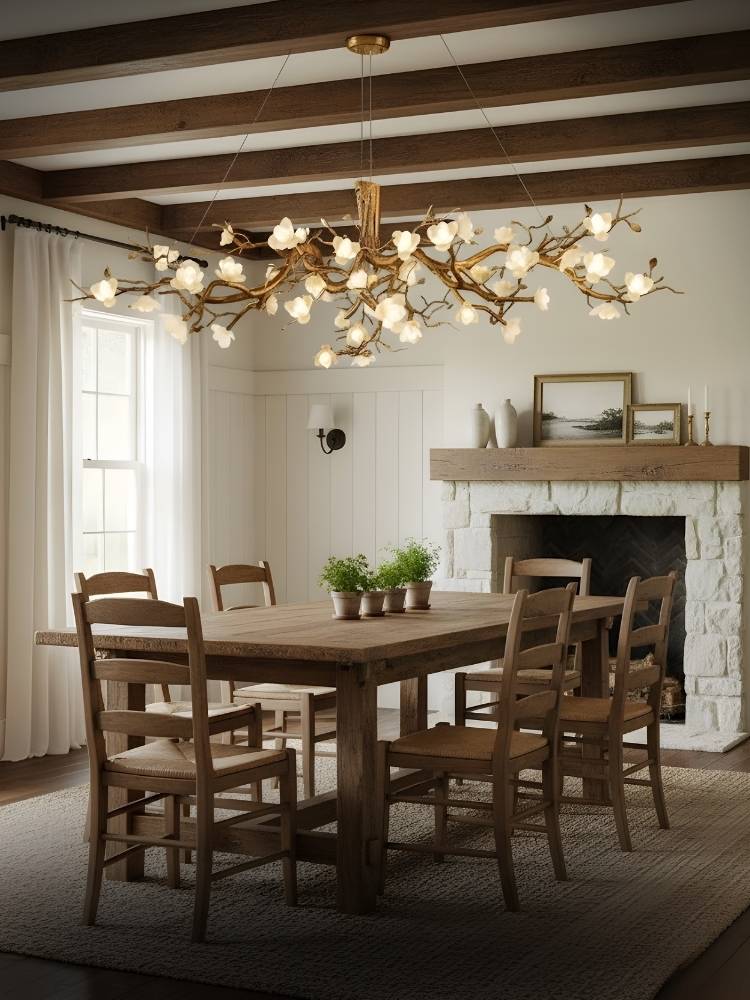
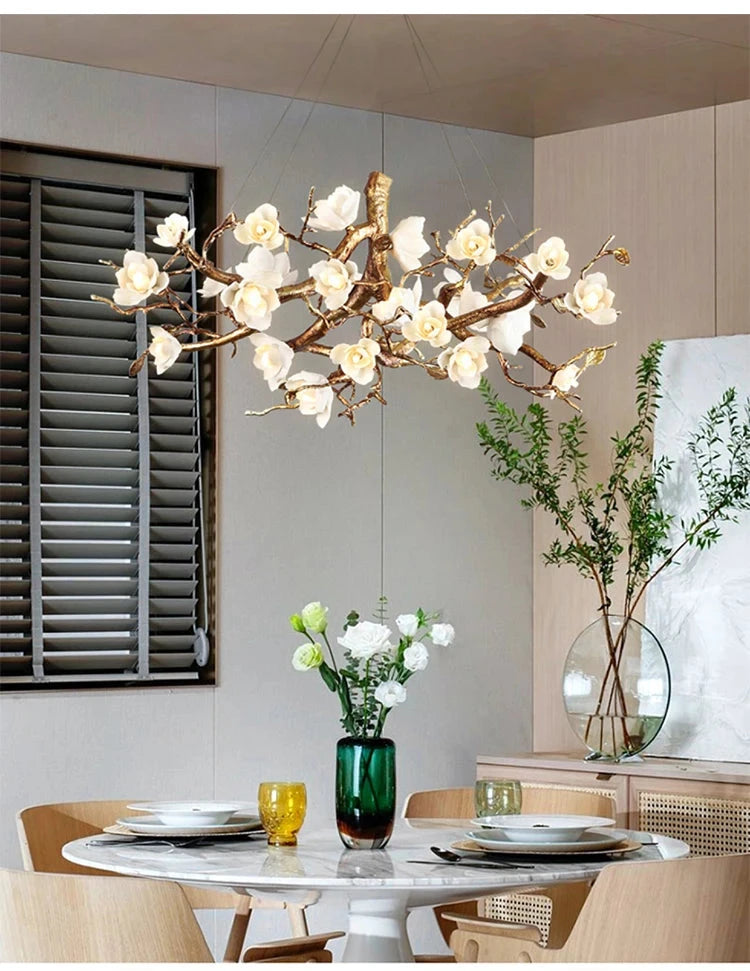
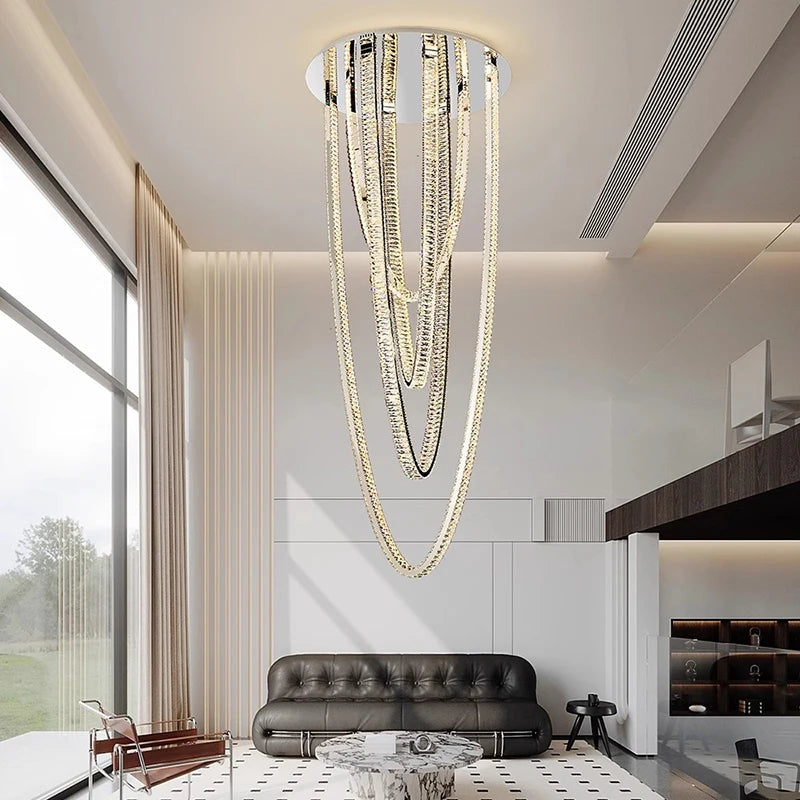
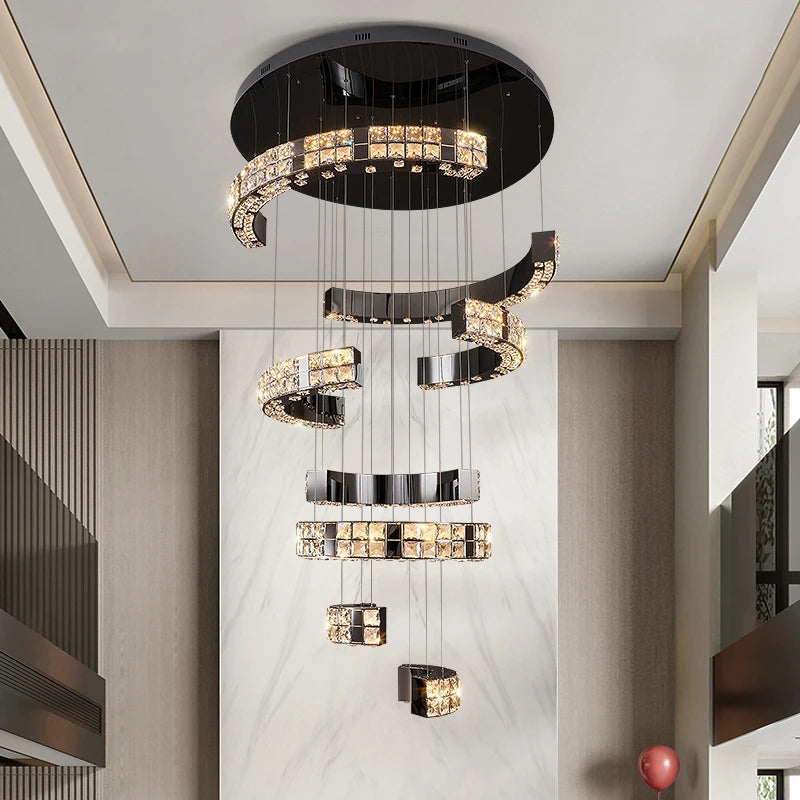
Los candelabros de impacto están diseñados para convertirse en el centro visual de una habitación, no solo en una fuente de luz cenital. En comedores, recibidores, entradas y salas de estar, estos accesorios ayudan a anclar el espacio con una escala más fuerte, siluetas más distintivas y un nivel de presencia que las luces de techo estándar generalmente no pueden lograr. Esta colección reúne diseños listos para causar impacto en habitaciones que necesitan un punto focal en el techo, incluyendo candelabros de ramas esculturales, grupos de globos, formas de cristal en niveles, marcos geométricos y siluetas lineales más largas que se leen claramente desde el otro lado de la habitación.
Comprar candelabros de impacto por tipo de habitación
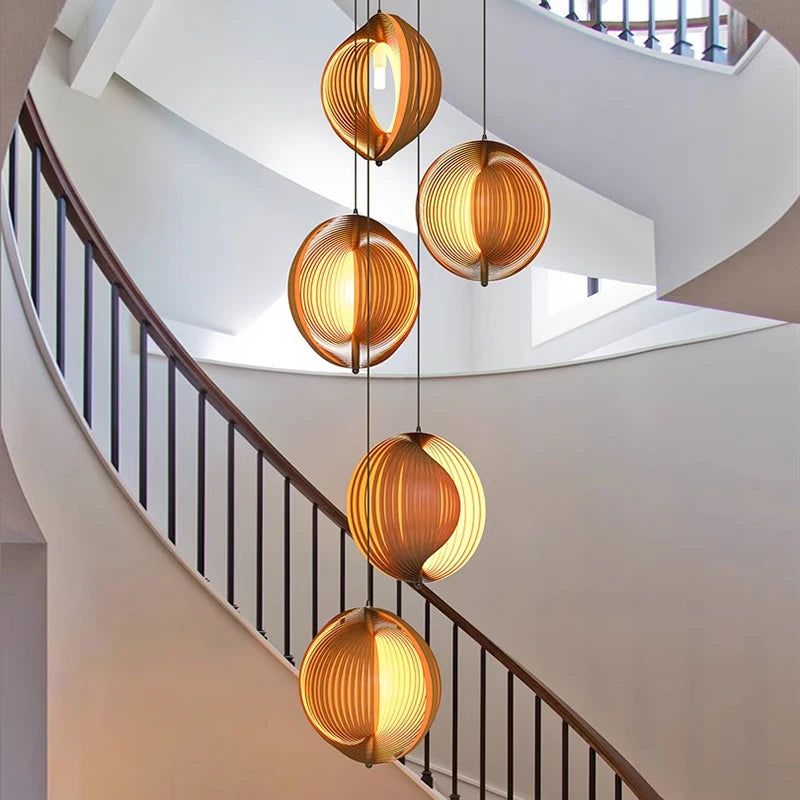
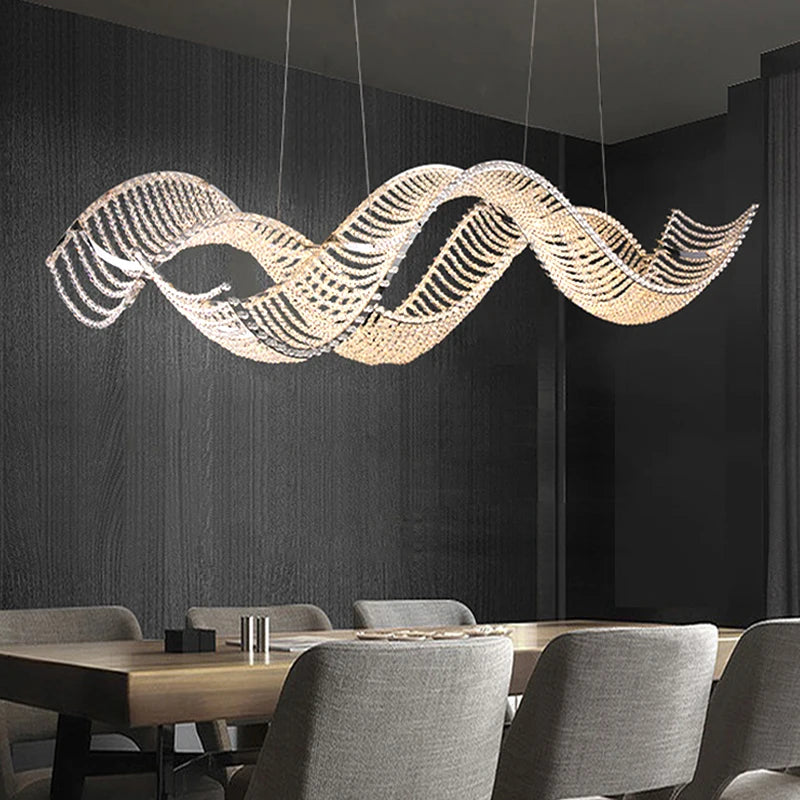
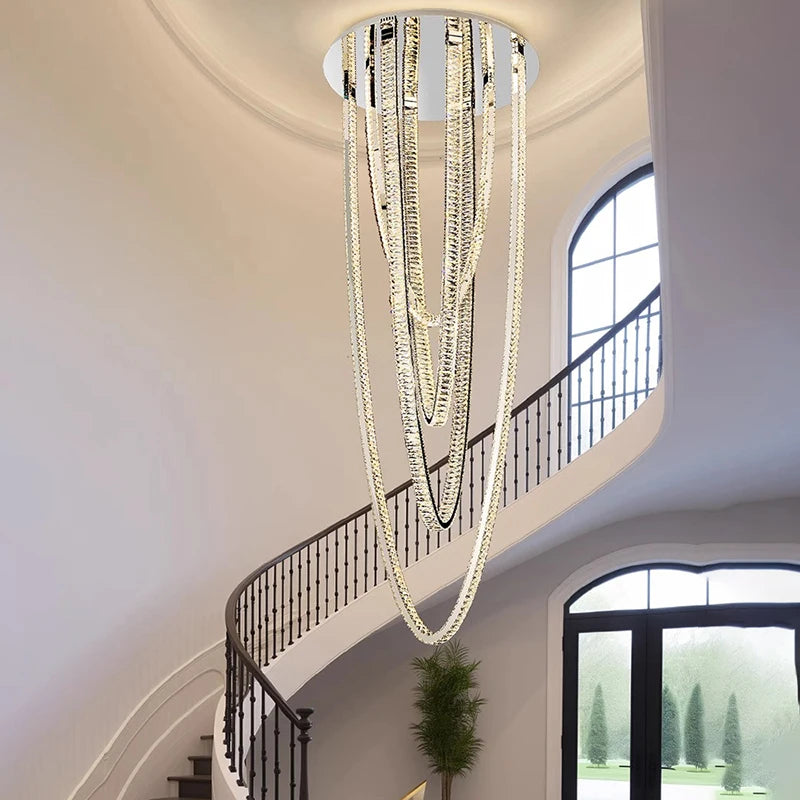
El mejor candelabro de impacto depende de la habitación a la que deba servir. En un comedor, el accesorio generalmente debe alinearse con la mesa y crear una atmósfera más intencional sobre la superficie principal de reunión. Si su objetivo principal es el impacto centrado en la mesa, puede comparar la guía específica de la habitación eniluminación de impacto para comedor. En recibidores y entradas, los candelabros de impacto ayudan a dar forma a la primera impresión del hogar, a menudo a través de un ancho más fuerte, una caída más visible o una silueta más dramática. En las salas de estar, el candelabro generalmente actúa como el anclaje del techo sobre el área de asientos, lo que significa que el peso visual y la escala de la habitación importan tanto como el estilo.
Por eso, la colección funciona mejor cuando se filtra por un caso de uso real. Los comedores a menudo admiten accesorios focales lineales, redondos o en niveles. Los recibidores y las entradas adyacentes a las escaleras generalmente se benefician de piezas más altas o más expresivas verticalmente. Las salas de estar a menudo funcionan mejor con candelabros de impacto que se sienten lo suficientemente amplios como para sostener la zona de asientos sin que la habitación se sienta abarrotada. Si su habitación tiene un techo estándar de 2,4 metros, el soporte de tamaño más relevante escandelabros de impacto para techos estándar, que se centra en el impacto sin exceder el tamaño.
Qué hace que un candelabro se sienta como una verdadera pieza de impacto
Un candelabro de impacto debe sentirse intencional, no meramente de gran tamaño. Las piezas más fuertes suelen combinar al menos tres rasgos: silueta clara, escala apropiada para la habitación y suficiente contraste de material o acabado para mantener la atención incluso cuando las luces están apagadas. Algunas habitaciones necesitan formas de ramas esculturales que se extienden por el plano del techo. Otras se benefician de grupos de globos, arreglos de cristal en niveles o marcos geométricos que se sienten más arquitectónicos. El objetivo no siempre es el tamaño máximo. Es la autoridad visible en el contexto.
- Siluetas esculturalesayudan a que el candelabro se lea como una característica de diseño, no solo como un accesorio.
- Ancho o profundidad más fuertele da a la habitación un punto focal más claro en el techo.
- Acabados distintivoscomo negro, dorado, plateado o combinaciones de metales mixtos cambian lo audaz que se siente el candelabro.
- Caída controladamantiene el accesorio visible sin que la habitación se sienta comprimida.
- Comportamiento de luz en capashace que el candelabro sea decorativo y funcional al mismo tiempo.
Si desea la lógica de diseño detrás de esa distinción, el artículo de apoyoqué hace que un candelabro sea una pieza de impactoexplica los rasgos que le dan a un candelabro una verdadera autoridad focal. Esta categoría toma esa misma idea y la aplica a las compras reales por habitación, silueta y tipo de instalación.
Direcciones populares de candelabros de impacto en esta colección
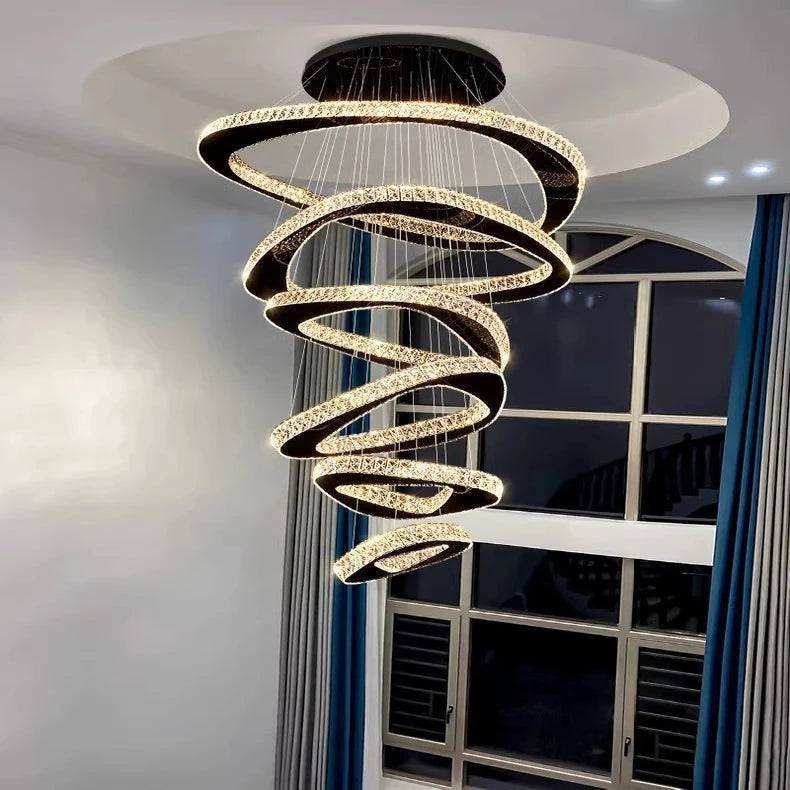
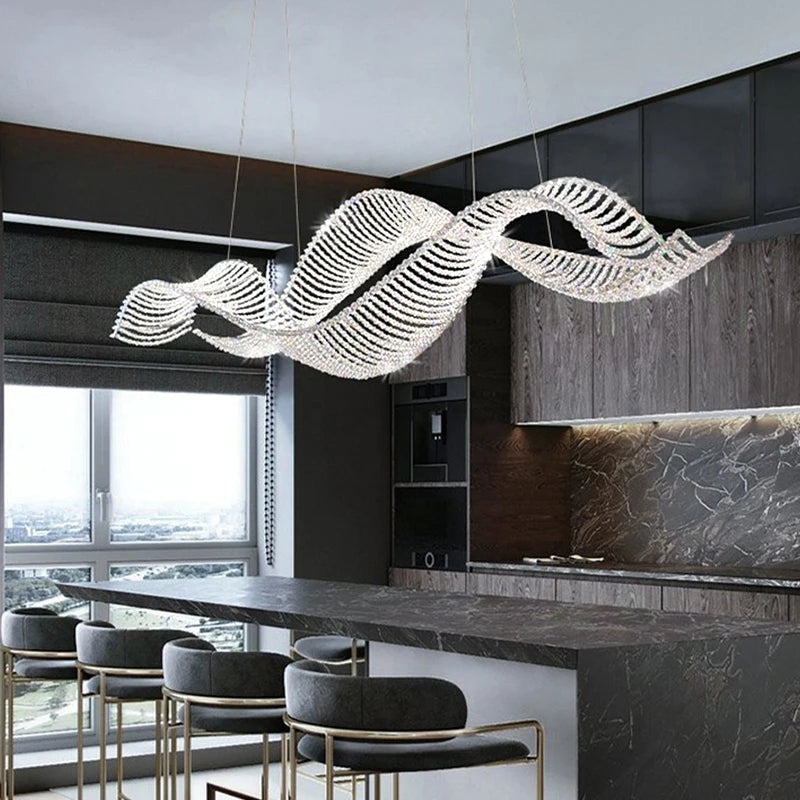
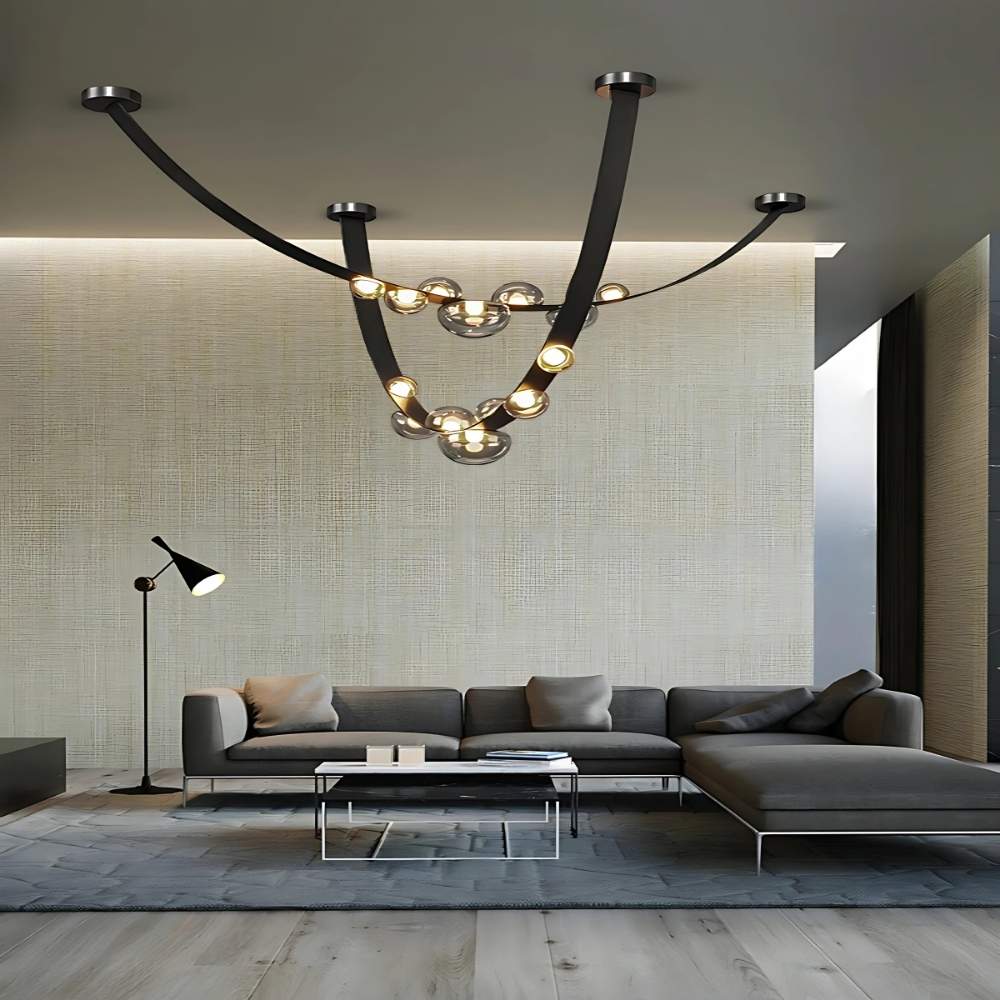
Esta colección incluye varias direcciones de impacto porque no todas las habitaciones necesitan el mismo tipo de drama. Los candelabros de ramas crean una extensión orgánica más amplia y tienden a funcionar especialmente bien en salas de estar, recibidores abiertos e interiores de transición más grandes. Los candelabros de impacto basados en globos ofrecen un ritmo visual más suave y pueden funcionar bien en comedores o entradas donde la habitación necesita un centro de mesa sin demasiada densidad visual. Los candelabros de cristal en niveles siguen siendo una de las opciones más fuertes para recibidores y habitaciones formales que necesitan más brillo y presencia vertical. Las formas geométricas y lineales a menudo encajan en interiores más limpios donde la estructura arquitectónica importa más que el adorno.
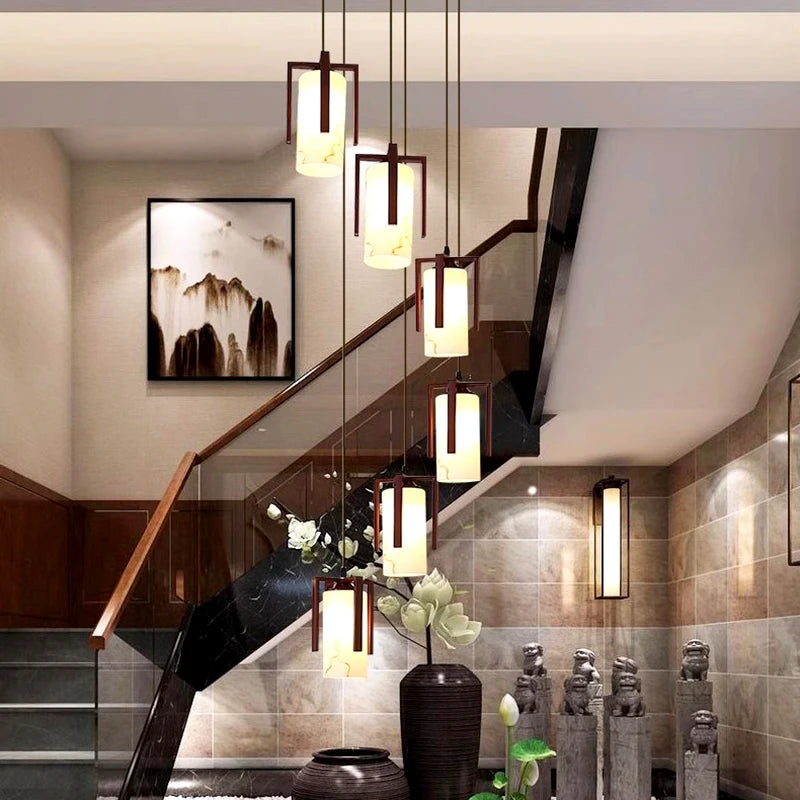
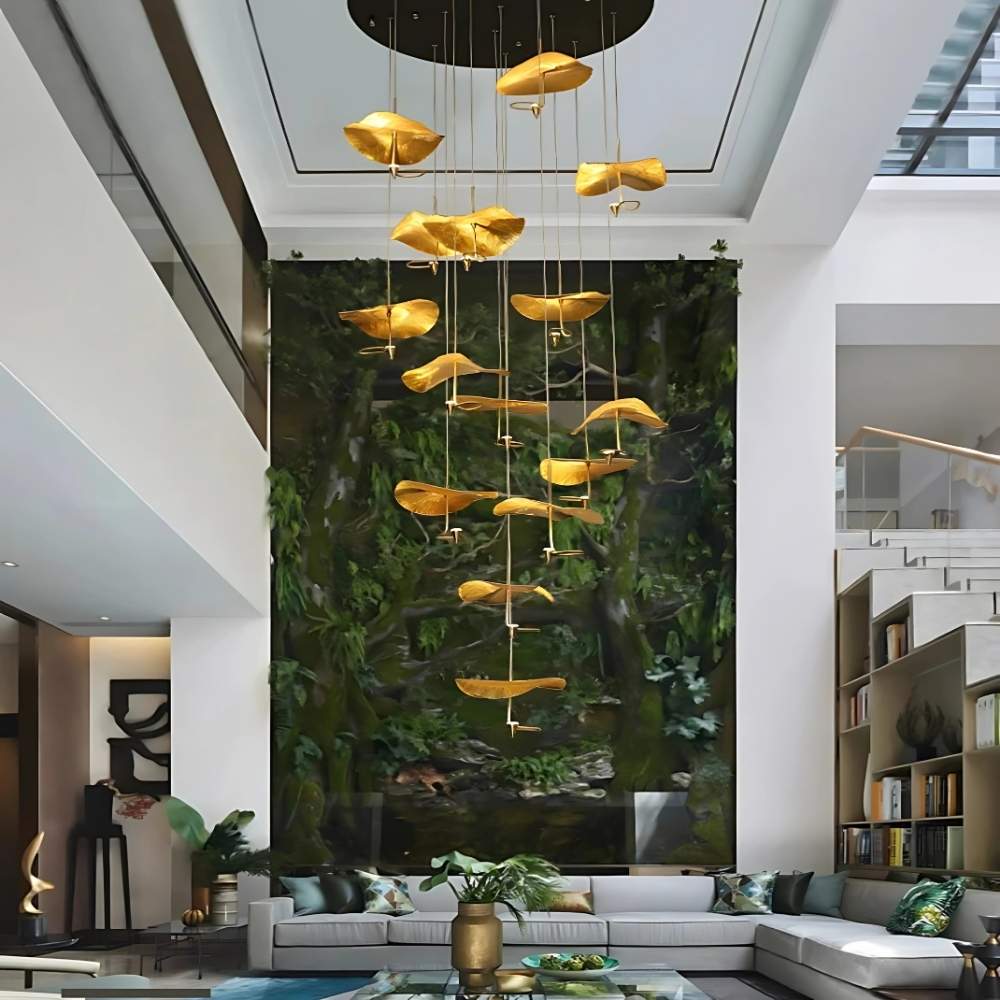
Para los compradores que prefieren una expresión contemporánea más limpia, nuestracategoría de candelabros modernoses el punto de comparación más fuerte. Si la habitación necesita una escala de entrada más dramática o visibilidad de varios niveles, la dirección del recibidor y la escalera puede ser más relevante que una categoría general de impacto por sí sola. En esos casos, la inspiración centrada en la habitación eniluminación de impacto para grandes recibidores y escaleraspuede ayudar a reducir la silueta correcta antes de regresar a la colección.
Cómo elegir el candelabro de impacto adecuado
Comience con la huella de la habitación y la altura del techo. Un candelabro que se ve dramático en una foto de producto aún puede sentirse visualmente débil si es demasiado estrecho para la habitación o demasiado poco profundo para la altura del techo. En los comedores, el accesorio debe sentirse claramente relacionado con la mesa. En las salas de estar, debe sentirse centrado sobre la zona de asientos en lugar de flotar en medio del espacio de techo sin usar. En los recibidores, el candelabro debe permanecer visible desde el ángulo de entrada principal en lugar de desaparecer cerca del plano del techo.
Después de la escala, elija por dirección visual. Los candelabros de impacto más anchos suelen funcionar mejor en habitaciones abiertas y grandes comedores. Las formas más altas o más verticales funcionan mejor en recibidores, huecos de escaleras y otras habitaciones donde la altura del techo es parte de la experiencia de diseño. El acabado es el siguiente filtro. Los acabados negros crean un contraste más nítido, el dorado cepillado suaviza la habitación sin dejar de leerse como premium, y el plateado o el cromo a menudo se adaptan a interiores más modernos. Si desea una comparación más amplia antes de centrarse en esta categoría focal, la colección principal decandelabroses el mejor punto de referencia final porque le permite comparar diseños de impacto con familias de candelabros más discretas.
