

Installing a chandelier transforms any room with substantial visual statement — most standard chandeliers under 50 lbs at 8-12 ft ceilings are reasonable DIY projects for handy homeowners following the 8-step process: shut off power → verify with voltage tester → remove old fixture → check ceiling box rating → install mounting bracket → connect wires (black/black, white/white, ground) → hang chandelier (two-person task) → install bulbs and test. This complete 2026 guide covers everything from tools selection to wiring connection, replacing existing chandeliers, heavy chandelier mounting, assembly instructions, common installation mistakes, and when to call a licensed electrician for safer installation.
DIY vs Professional Installation Decision
| Factor | DIY Suitable | DIY With Caution | Professional Recommended |
|---|---|---|---|
| Ceiling height | 8-10 ft | 10-12 ft | 14+ ft / two-story foyer |
| Chandelier weight | Under 50 lbs | 50-75 lbs | 75+ lbs |
| Ceiling box | Existing box rated for weight | Brace box upgrade needed | No existing box; new circuit needed |
| Wiring age | Modern (post-1990) | 1970-1990 with verified grounding | Pre-1970 or aluminum wiring |
| Electrical experience | Comfortable with residential wiring | Limited but careful | No electrical experience |
| Helper available | Yes | Yes | Required |
| Time available | 3-4 hours uninterrupted | 4-6 hours | Time pressure |
- DIY suitable conditions: handy homeowner + chandelier under 50 lbs + working ceiling box already rated for weight + modern grounded wiring + 8-12 ft standard ceiling + helper available + 3-4 hours uninterrupted time.
- Professional electrician recommended for: substantial 14+ ft ceilings, chandeliers over 75 lbs, two-story foyers, aluminum wiring homes (pre-1990), two-wire ungrounded systems, new installations without existing wiring, or any uncertainty about electrical work.
- For high ceiling installations (14+ ft), see our dedicated high ceiling chandelier installation guide.
- For comprehensive safety procedures, see our how to safely hang a chandelier installation guide.
Tools & Materials You'll Need
| Tool / Material | Purpose | Typical Cost | Required |
|---|---|---|---|
| Ladder or step stool | Reaching ceiling height | $30-200 | Yes |
| Voltage tester (non-contact) | Verifying power is OFF | $15-30 | EVERY installation — non-negotiable |
| Phillips and flathead screwdrivers | Mounting bracket and canopy hardware | $15-40 set | Yes |
| Wire strippers | Stripping insulation from wire ends | $10-25 | Yes |
| Pliers (needle-nose + standard) | Bending wires, manipulating components | $15-30 set | Yes |
| Wire nuts (assorted sizes) | Securing wire connections | $5-15 (assortment) | Yes |
| Electrical tape | Reinforcing wire connections | $3-8 | Recommended |
| Mounting bracket | Securing chandelier to ceiling box | Usually included with chandelier | Yes (verify included) |
| Brace box (heavy chandeliers) | Supporting chandeliers 50-75 lbs | $15-40 | Only for heavy chandeliers |
| Safety goggles + gloves | Eye and hand protection | $20-40 | Recommended |
| Level tool | Verifying bracket positioning | $10-25 | Recommended |
| Helper / second person | Holding fixture, ladder stability | Free (essential) | Yes — two-person installation minimum |
| Your new chandelier | The fixture you're installing | $150-2,000+ | Yes |
| LED bulbs | Energy-efficient illumination | $3-12 each | Yes (recommended over incandescent) |
Picking the Right Chandelier
Choosing the right chandelier matters substantially for both visual impact and installation feasibility. Apply systematic sizing approaches across your specific space.

- L+W diameter formula: chandelier diameter (inches) = room length (ft) + room width (ft). Example: 12×15 ft room = 27" diameter chandelier.
- Dining room sizing rule: chandelier diameter approximately 12 inches smaller than dining table width. Example: 60" table = 48" maximum chandelier diameter; 24-48" range typical.
- Ceiling height adjustment: add 2.5-3 inches to chandelier diameter per foot of ceiling height above 8 ft.
- Crystal chandeliers add substantial sparkle and luxury aesthetic — explore our crystal chandeliers collection.
- Bubble chandeliers deliver modern playful aesthetic with substantial light dispersion through multiple glass globes — browse our bubble chandeliers collection.
- Modern chandeliers offer contemporary minimalist statements suitable for modern homes — see our modern chandeliers collection.
- Black chandeliers create bold contemporary statements working in modern, transitional, and industrial homes — browse our black chandeliers collection.
- Adjustable chain/cable length critical: chandeliers need adjustable hanging length to accommodate ceiling height variations. Verify adjustable feature before purchase.
- Weight verification before purchase: ceiling boxes rated 50 lbs standard; heavier chandeliers require brace box upgrade. Verify junction box rating BEFORE ordering substantial chandelier.

Safety First — Critical Pre-Installation Steps
- Always disconnect at circuit breaker. Wall switches don't always disconnect all power — some wiring configurations leave one wire energized. Always disconnect at the main circuit breaker AND verify with voltage tester.
- Voltage tester verification non-negotiable. Trusting that the breaker is off without verification has led to serious electrical injuries. Voltage testers cost under $20 and prevent shocks worth thousands in injury costs.
- Two-person installation mandatory. Single-person installation creates substantial fall and injury risks. Two-person installation is the safety minimum across all chandelier installations.
- Use insulated gloves and tools. Wear insulated gloves and use tools with insulated handles when working with electrical components.
- Verify ladder stability. Ladder must be stable on level ground with feet properly positioned. Helper provides ladder stability while you work.
- Non-slip footwear. Wear non-slip shoes throughout installation. Take time — installation is not a race.
- Daytime installation preferred. Schedule installation during daytime for substantial natural light. Electrical work in dim conditions creates safety risks.
- Verify wire color codes (US standard): black = hot, white = neutral, green or bare copper = ground. International standards differ.
- Older home warning: houses built before 1990 may have aluminum wiring or two-wire (ungrounded) systems. Aluminum wiring requires specialized AL/CU rated wire nuts and connectors. Both situations warrant professional installation.
- If uncertain about any step, stop and consult a licensed electrician. Electrical work safety priority outweighs DIY cost savings.
8-Step Chandelier Installation Guide
-
Remove the Old Light Fixture
If you're replacing an old light, carefully take it down. First, shut off power at the circuit breaker — verify with voltage tester. Remove bulbs and shades. Unscrew the canopy from the ceiling. Carefully disconnect the wires — note the connection pattern (photograph if needed) as this helps when installing the new chandelier. You'll need someone to help you hold the light while disconnecting. Lower the fixture carefully — most fixtures are heavier than expected when fully assembled.
-
Check the Electrical Box
Inspect the existing ceiling junction box. Make sure your ceiling box can hold the weight of your new chandelier. Standard ceiling junction boxes rate to 50 lbs maximum; some rate to 70 lbs. If your chandelier is heavier, you'll need to install a fan-rated brace box (50-75 lbs), heavy-duty brace box with joist anchoring (75-100 lbs), or custom structural mounting (100+ lbs). Check how much your chandelier weighs and compare it to what your ceiling box can hold. Choose mounting hardware rated for at least 1.5× the fixture's actual weight for substantial safety margin.
-
Install the Mounting Bracket
Attach the mounting bracket to the electrical box. This bracket holds your chandelier in place permanently. Make sure it's secure and level — use a level tool to verify horizontal positioning. Bracket positioning affects how your chandelier hangs. Most chandeliers include the appropriate mounting bracket; verify it fits your specific junction box before proceeding.
-
Connect the Wires
Now connect the wires. Match the colors using US standard color codes: black to black (hot), white to white (neutral), and green or bare copper to the ground screw. Strip wire ends if needed (about 1/2 inch of insulation removed). Use wire nuts to secure the connections — twist clockwise until tight. Wrap connections with electrical tape for substantial reinforcement. If your chandelier has a dimmer switch capability, follow the manufacturer instructions for the specific wiring configuration. Tuck wires neatly into the junction box, leaving space for the canopy.
-
Hang the Chandelier
Carefully lift the chandelier and attach it to the mounting bracket. This is a two-person task, especially for chandeliers over 25 lbs. Make sure the chandelier is secure and level. Use a sturdy ladder and have someone help you with stability. If the chandelier is very heavy (50+ lbs), consider using a pulley system to lift it safely. The chandelier should be supported by the chain or hooks during wiring, not held by hands.
-
Adjust the Height
If your chandelier has a chain or cable, adjust it to the right length. For dining rooms: the bottom of the chandelier should be about 30-36 inches above the table surface. In living rooms or entryways: maintain at least 7 feet of space from the floor to the bottom of the chandelier. Chain length formula: approximately 3 inches of chain per foot of ceiling height. Read our detailed how to hang a chandelier above a dining table guide for dining-specific positioning.
-
Install the Bulbs and Decorative Elements
Install the light bulbs and attach any shades or crystals that came with your chandelier. Be gentle and follow the manufacturer instructions. Use LED bulbs for substantial energy efficiency and 15,000-25,000+ hour longevity. Make sure the wattage of the bulbs matches what the chandelier can handle — exceeding maximum wattage creates fire hazards. Crystal chandeliers may include separate crystal pendants requiring careful attachment per manufacturer specifications.
-
Turn the Power Back On and Test
Go back to your electrical panel and turn the power back on. Test your new chandelier from the wall switch. All bulbs should illuminate evenly; no flickering should occur. Test substantial dimmer switch operation if installed. Check for any unusual sounds, smells, or substantial heat from the canopy area — these indicate wiring problems requiring immediate attention. Verify mounting stability with gentle touch (don't pull or hang weight).
How to Hang a Chandelier
Hanging a chandelier combines proper positioning with appropriate hardware. The process varies slightly based on whether you're replacing an existing fixture or installing where no fixture previously hung.

- Pre-assembly on flat surface. Assemble chandelier components on a clean flat surface following manufacturer instructions. Pre-adjust chain or cable length before installation — adjusting at height is much harder.
- Chain length formula: approximately 3 inches of chain per foot of ceiling height. Example: 9 ft ceiling = 27" chain length; 10 ft ceiling = 30" chain.
- Substantial chain attachment. Verify chain links are properly secured to chandelier body and canopy attachment. Most chandeliers include 4-6 ft of chain; adjustable extension chain available for taller ceilings.
- Canopy positioning. Slide canopy up the chain or rod BEFORE you wire anything. Canopy should sit loosely during wiring; tighten to ceiling after final installation.
- Two-person lift mandatory for substantial chandeliers. Chandeliers over 25 lbs require two-person team — one person on ladder, second person providing support and stability.
- Pulley system for heavy chandeliers. Chandeliers over 50 lbs benefit substantially from temporary pulley or winch during installation.
- Hanging height verification. Verify final hanging height before completing canopy installation. Adjusting after canopy is tightened requires substantial rework.
- Front door swing clearance. For foyer chandeliers, verify chandelier won't interfere with front door opening fully. Measure door arc; position chandelier center beyond swing path.
How to Replace a Chandelier
Replacing an existing chandelier follows a similar process to new installation, with the substantial benefit of working junction box and wiring already in place.
- Step 1 — Shut off power. Locate the correct breaker for the room and switch OFF. Verify with voltage tester at existing fixture.
- Step 2 — Remove existing chandelier. Remove all bulbs and decorative elements (crystals, shades). Photograph wire connections for substantial reference. Unscrew canopy. Carefully disconnect wires noting positions. Lower fixture with helper support.
- Step 3 — Inspect ceiling box. Check existing junction box weight rating sufficient for new chandelier. If same weight class, existing box typically adequate. If new chandelier substantially heavier, junction box upgrade required.
- Step 4 — Pre-assemble new chandelier. Assemble per manufacturer instructions. Pre-adjust chain length to appropriate position.
- Step 5 — Install new mounting bracket. Attach manufacturer-supplied bracket to existing junction box. Verify level positioning.
- Step 6 — Connect wires. Match wire colors (black to black, white to white, ground to ground). Use wire nuts; wrap with electrical tape.
- Step 7 — Lift new chandelier. Two-person task essential. Secure to mounting bracket. Tighten canopy to ceiling.
- Step 8 — Install bulbs and decorative elements. LED bulbs preferred. Reattach crystals, shades, ornaments per manufacturer instructions.
- Step 9 — Test operation. Restore power. Verify all bulbs illuminate. Test dimmer if applicable.
- Same-weight replacement is simplest. Replacement chandelier in same weight class doesn't require junction box upgrade — substantially simpler than weight class upgrade.
- Time estimate: 1-2 hours for similar-weight replacement; 3-5 hours for weight class upgrade requiring junction box change.
How to Change a Chandelier
Changing a chandelier is essentially the same process as replacing — the terms are often used interchangeably. Key considerations for changing chandeliers focus on style coordination and weight class verification.
- Style coordination considerations. New chandelier should coordinate with existing room aesthetic and adjacent fixtures (matching finish family across coordinated zones).
- Weight class verification. Verify new chandelier weight against existing junction box rating BEFORE purchase. Returns are expensive and time-consuming.
- Hanging height adjustment. New chandelier may have different drop length than old fixture. Pre-adjust chain length for proper positioning.
- Color temperature change. If switching from incandescent to LED, choose 2700K-3000K warm white bulbs for similar atmospheric warmth.
- Bulb count differences. New chandelier may have different bulb count requiring different total lumens calculation.
- Dimmer compatibility. LED bulbs require dimmable-compatible LED + matching LED-rated dimmer switches. Old incandescent dimmer may not work with new LED bulbs.
- Mounting hardware verification. New chandelier mounting bracket may differ from old fixture bracket. Verify new bracket fits existing junction box.
- Wire condition inspection. Take opportunity to inspect existing wiring during change. Substantial damage or wear may warrant electrician involvement.
Chandelier Wiring & Electrical Connection
Chandelier wiring uses standardized residential electrical connections. Understanding the wire color codes and connection methods is essential for safe installation.
| Wire Color (US Standard) | Function | Connection | Notes |
|---|---|---|---|
| Black | Hot (current-carrying) | Black to black | Carries 120V electrical current |
| White | Neutral (return path) | White to white | Returns current to electrical panel |
| Green or bare copper | Ground (safety) | Connects to ground screw on bracket | Safety path for fault current |
| Red (occasionally) | Switched hot (for 3-way switches) | Per manufacturer instructions | Only in specific multi-switch configurations |
| Blue (occasionally) | Secondary switched wire | Per manufacturer instructions | Multi-switch or ceiling fan configurations |
- Wire stripping. Strip 1/2 inch of insulation from wire ends using wire strippers. Don't damage the copper wire core during stripping.
- Wire nut sizing. Wire nuts come in different sizes for different wire combinations. Match wire nut size to wire count and gauge being connected.
- Twist direction. Twist wires together clockwise; tighten wire nuts clockwise. Verify connections are secure — gentle tug should not separate wires.
- Electrical tape reinforcement. Wrap secured wire nuts with electrical tape for substantial mechanical and electrical protection.
- Ground wire connection. Always connect ground wire to the ground screw on the mounting bracket. Substantial safety pathway protecting against fault current.
- Aluminum wiring warning. Pre-1990 homes may have aluminum wiring requiring AL/CU rated wire nuts and specialized connectors. Standard copper-only wire nuts create fire hazards on aluminum wiring. Professional electrician recommended.
- Two-wire ungrounded systems. Some pre-1970 homes have two-wire ungrounded systems lacking ground wire. Modern chandeliers expect grounded systems; professional upgrade recommended for safe modern installation.
- Tuck wires into junction box. After wire connections complete, neatly tuck wires into junction box. Substantial neat wiring reduces stress on connections.
- Voltage testing after installation. Restore power and use voltage tester to verify chandelier operates properly. Substantial flickering, buzzing, or unusual heat indicates wiring problems requiring immediate attention.
Heavy Chandelier Installation
Heavy chandeliers (50+ lbs) require substantial structural considerations beyond standard installation. Junction box weight ratings become critical safety requirements rather than minor specifications.
- Junction box weight ratings. Standard ceiling box: 50 lbs maximum. Fan-rated brace box: 50-75 lbs. Heavy-duty brace box with joist anchoring: 75-100 lbs. Custom structural mounting: 100+ lbs.
- Mounting hardware safety factor. Choose mounting hardware rated for at least 1.5× the fixture's actual weight. Example: 60 lb chandelier requires mounting rated for 90+ lbs.
- Fan-rated brace box installation. Extends between ceiling joists with adjustable bar. Provides substantial weight support without major structural work.
- Heavy-duty brace box requirements. Heavy-duty brace boxes anchor directly to ceiling joists. Requires substantial joist access; substantial mounting verification.
- Custom structural mounting. Substantial 100+ lb chandeliers require structural review and possibly engineer involvement. Substantial ceiling joist reinforcement may be necessary.
- Pulley system for heavy lifting. Heavy chandeliers benefit substantially from temporary pulley or winch system during installation. Two-person team manages pulley while third person on ladder connects fixture.
- Two-person installation absolutely mandatory. Heavy chandelier installation cannot be safely completed by single person. Substantial helper provides fixture support during wiring.
- Professional electrician strongly recommended for 75+ lb chandeliers. Substantial structural complexity + electrical work justifies professional involvement.
- Post-installation verification. After installation, verify mounting stability with gentle test (don't pull or hang weight). Chandelier should feel rock-solid with no wobble or movement.
- For detailed high ceiling heavy chandelier installation, see our high ceiling chandelier installation guide.

Chandelier Assembly Instructions
Most chandeliers arrive partially or fully disassembled, requiring substantial pre-installation assembly. Following manufacturer-specific assembly instructions is essential for proper installation.
- Unbox carefully on flat clean surface. Take inventory of all components against included parts list. Photograph layout for reference during assembly.
- Identify all components. Verify chandelier body, arms, bulb sockets, canopy, chain or rod segments, mounting bracket, wire nuts, screws, decorative elements (crystals, shades) all present.
- Follow manufacturer assembly sequence. Most chandeliers assemble from main body outward — install arms first, then bulb sockets, then decorative elements last.
- Pre-adjust chain length. Adjust to preferred drop length BEFORE installation. Chain length should equal approximately 3 inches per foot of ceiling height.
- Slide canopy up chain. Canopy should be on the chain in correct orientation BEFORE you wire the fixture. Adding canopy after wiring is substantially difficult.
- Install all arms before bulb sockets. Substantial chandelier arms typically attach to central body via screws or sockets. Install all arms before adding bulb sockets for substantial stability.
- Crystal/decorative element installation. Save crystal and decorative element installation for AFTER chandelier is hung. Reduces damage risk during installation; allows substantial dust-free decoration.
- Verify electrical connections during assembly. Some chandeliers require internal electrical connections between body and arms. Verify these connections during assembly before installation.
- Test before final hanging. Connect chandelier to extension cord temporarily and test bulb operation BEFORE final installation. Substantial easier to troubleshoot defective fixtures before installation.
- Save all hardware and instructions. Keep manufacturer assembly instructions and any unused hardware. Substantial future maintenance or replacement parts reference.
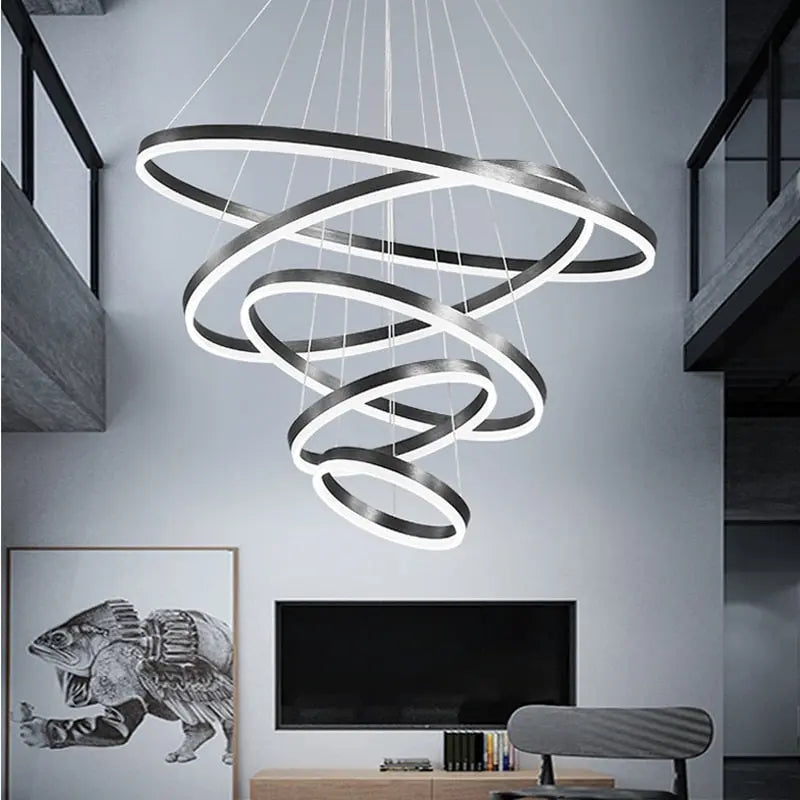
Adjusting Chandelier Height
| Application | Hanging Height | Drop Length Rule |
|---|---|---|
| Dining table (8 ft ceiling) | 30-36" above table surface | Add 3" for every foot above 8 ft |
| Dining table (9 ft ceiling) | 33-39" above table | 9 ft baseline + 3" adjustment |
| Dining table (10 ft ceiling) | 36-42" above table | 10 ft baseline + 6" adjustment |
| Living room (any ceiling) | Minimum 7 ft floor clearance | 7.5-8 ft if guests routinely over 6 ft |
| Entryway/foyer (8-10 ft ceiling) | 7 ft floor clearance | Center over substantial entry area |
| Two-story foyer (18+ ft ceiling) | Bottom at second-floor eye level | Variable drop based on stair landing |
| Stairwell (any ceiling) | 7-7.5 ft above highest stair tread | Substantial drop fills vertical space |
Caring for Your New Chandelier
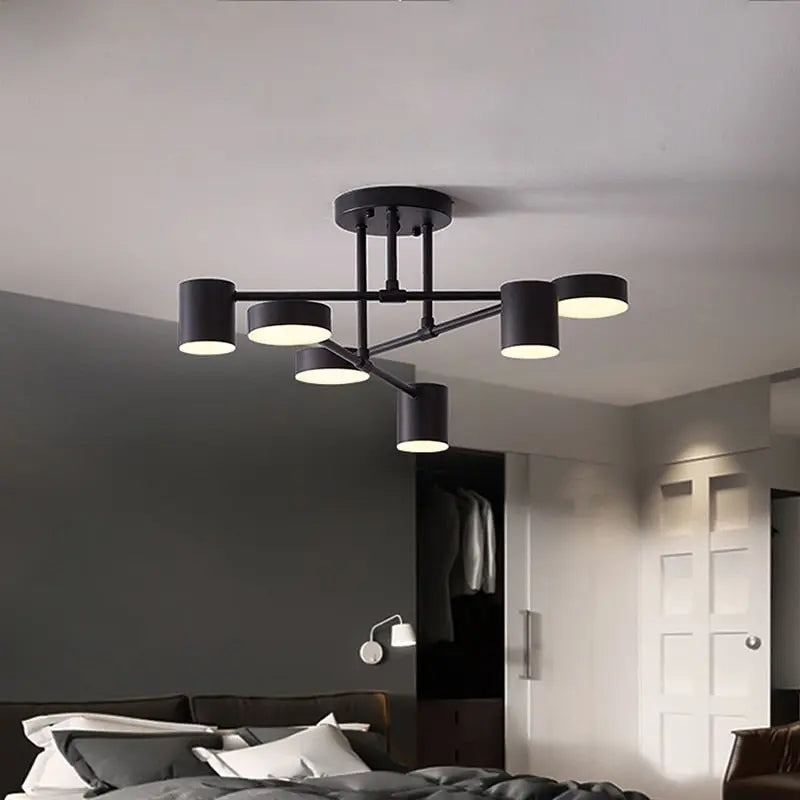
- Regular monthly dusting. Use soft dry cloth or long-handled duster for monthly dust removal. Prevents substantial dust buildup.
- Deeper cleaning every 6-12 months. Turn off power before cleaning. Use mild cleaner appropriate to fixture material.
- Crystal chandelier cleaning solution. For crystal chandeliers, use mixture of one part rubbing alcohol to three parts distilled water. Apply with soft cloth; air dry. Be careful with crystals to prevent chipping or breaking.
- Substantial fabric shade cleaning. Use lint roller or soft brush for fabric drum shades. Gentle vacuum attachment for substantial accumulation.
- Bulb replacement. Replace bulbs promptly when they burn out for consistent illumination. LED bulbs last 15,000-25,000+ hours significantly reducing replacement frequency.
- Annual mounting hardware inspection. Verify mounting hardware tightness annually. Substantial chandeliers benefit from professional inspection.
- Professional cleaning for substantial chandeliers. Substantial 9-21 bulb crystal chandeliers benefit from professional cleaning service annually.
- Read our how to clean and maintain your chandelier guide for additional cleaning techniques.
When to Call a Pro
If you're not comfortable working with electricity or your installation seems complicated, call a professional electrician. Several conditions strongly warrant professional involvement.
- High ceilings (14+ ft). Substantial fall risk + scaffolding requirements + complex installation environment.
- Heavy chandeliers (75+ lbs). Substantial structural mounting complexity + ceiling joist work + safety considerations.
- Two-story foyers. Substantial complex installation environment; professional scaffolding and experience essential.
- Aluminum wiring homes (pre-1990). Substantial specialized connectors and AL/CU rated wire nuts required.
- Two-wire ungrounded systems. Substantial safety upgrade needed before modern fixture installation.
- New installations. No existing wiring or junction box requires substantial circuit installation; permits typically required.
- Junction box upgrades for substantial heavy chandeliers. Brace box installation requires ceiling joist access; professional electrician work.
- Any uncertainty about electrical work. Safety priority outweighs DIY cost savings.
- When hiring: verify license and insurance; ask about substantial chandelier installation experience; get 2-3 quotes; check reviews from previous customers.
Cost Considerations
| Installation Type | DIY Cost | Professional Cost |
|---|---|---|
| Standard chandelier replacement (8-10 ft ceiling, under 50 lbs) | $30-100 (tools) | $100-280 |
| Medium chandelier installation (50-75 lbs, brace box upgrade) | $80-200 (tools + brace box) | $200-500 |
| Heavy chandelier installation (75+ lbs) | Not recommended DIY | $300-1,500 |
| High ceiling installation (14+ ft) | Not recommended DIY | $300-800 |
| Two-story foyer chandelier (18-22 ft) | Not recommended DIY | $400-1,500 |
| New installation (no existing wiring) | Not recommended DIY | $200-2,000+ |
- Cost factors: ceiling height, chandelier weight, junction box upgrade needed, wiring age, new vs replacement, geographic location.
- Multiple quote strategy: get 2-3 quotes from licensed electricians; verify chandelier installation experience; check reviews.
- Value vs risk calculation: professional installation cost vs DIY risk (injury, property damage, improper installation) often favors professional for complex installations.
- Long-term LED savings: substantial multi-bulb chandeliers with LED conversion save $100-200/year electricity vs incandescent. LED upgrade often pays for itself within 1-2 years.
Common Chandelier Installation Mistakes
- Turning off only the wall switch. Wall switches don't always disconnect all power — some wiring configurations leave one wire energized. Always disconnect at the circuit breaker AND verify with voltage tester.
- Installing alone without helper. Single-person installation creates substantial fall and injury risks. Two-person installation is the safety minimum.
- Skipping voltage tester verification. Trusting that the breaker is off without verification has led to serious electrical injuries. Voltage testers cost under $20.
- Mounting heavy chandelier on standard junction box. Standard boxes rated to 50 lbs maximum. Heavier chandeliers create substantial fall hazard.
- Wrong wire color matching. Misconnecting hot and neutral wires creates substantial safety hazards. Always verify US wire color codes: black = hot, white = neutral, green/bare copper = ground.
- Insufficient chain length adjustment. Pre-adjust chain length BEFORE installation. Adjusting at height is substantially harder.
- Forgetting to slide canopy on chain first. Canopy must be on chain BEFORE wiring. Adding canopy after wiring is substantially difficult.
- Loose wire nut connections. Wire nuts must be securely tightened. Loose connections create fire hazards and flickering issues. Gentle tug should not separate wires.
- Skipping mounting bracket level verification. Crooked mounting bracket creates crooked chandelier. Verify level positioning before completing installation.
- Exceeding maximum bulb wattage. Each chandelier has maximum wattage rating per bulb socket. Exceeding wattage creates substantial fire hazard. LED bulbs typically operate well within most fixture ratings due to substantial lower heat generation.
Browse Seus Lighting's chandelier collections — chandeliers across all styles for primary installations, crystal chandeliers for luxury traditional applications, modern chandeliers for contemporary minimalist statements, bubble chandeliers for modern playful designs, black chandeliers for bold contemporary statements, foyer chandeliers for entry installations, staircase chandeliers for substantial vertical applications, and our custom service for unique installation requirements.
All Chandeliers Crystal Chandeliers Modern Chandeliers Bubble Chandeliers Black Chandeliers Foyer Chandeliers Staircase Chandeliers Custom Service
Frequently Asked Questions
How do you install a chandelier?
Install a chandelier through 8-step systematic process: (1) Shut off power at circuit breaker — wall switch insufficient; locate correct breaker for room. (2) Verify power off with voltage tester — non-contact voltage tester at existing fixture; confirms no current before touching wires. (3) Remove old fixture — remove bulbs and shades; document wire connections; disconnect wires; lower fixture carefully (two-person for heavy fixtures). (4) Check ceiling box weight rating — standard boxes rated 50 lbs maximum; heavier chandeliers need brace box upgrade. (5) Install mounting bracket on ceiling box; verify level positioning. (6) Connect wires — black to black (hot), white to white (neutral), green or bare copper to ground screw. Use wire nuts; wrap with electrical tape. (7) Lift chandelier and secure to mounting bracket — two-person task for fixtures over 25 lbs; pulley system for heavy 50+ lb fixtures. (8) Install bulbs and restore power — LED bulbs preferred for energy efficiency. Test operation. DIY suitable conditions: 8-12 ft ceiling + chandelier under 50 lbs + working ceiling box + modern grounded wiring + helper available + 3-4 hours uninterrupted time. Time estimate: 1-3 hours standard replacement; 4-8+ hours new installation with junction box upgrade.
How do you hang a chandelier?
Hanging a chandelier combines proper positioning with appropriate hardware: (1) Pre-assemble chandelier on clean flat surface following manufacturer instructions. (2) Pre-adjust chain length — approximately 3 inches per foot of ceiling height. Example: 9 ft ceiling = 27" chain. (3) Slide canopy up chain BEFORE wiring — adding canopy after wiring is substantially difficult. (4) Shut off power at circuit breaker and verify with voltage tester. (5) Install mounting bracket to ceiling junction box; verify level. (6) Lift chandelier with helper — two-person task essential for chandeliers over 25 lbs. (7) Connect wires while helper supports fixture — black to black, white to white, ground to ground. (8) Secure chandelier to bracket — tighten canopy flat against ceiling. (9) Install bulbs and decorative elements. (10) Restore power and test. Hanging height rules: dining table 30-36" above table surface; living/entry areas 7+ ft floor clearance; stairwell 7-7.5 ft above highest stair tread; two-story foyer bottom at second-floor eye level. Substantial weight chandelier considerations: chandeliers over 50 lbs benefit from pulley system; chandeliers over 75 lbs warrant professional electrician.
How do you replace a chandelier?
Replace a chandelier through similar process to new installation, with working junction box and wiring already present: (1) Shut off power at circuit breaker; verify with voltage tester at existing fixture. (2) Remove existing chandelier — remove all bulbs and decorative elements (crystals, shades) first; photograph wire connections for reference; unscrew canopy; carefully disconnect wires noting positions; lower fixture with helper support. (3) Inspect ceiling box — verify weight rating sufficient for new chandelier. Same weight class typically adequate; substantially heavier new chandelier requires junction box upgrade. (4) Pre-assemble new chandelier on flat surface; pre-adjust chain length. (5) Install new mounting bracket to existing ceiling box; verify level. (6) Connect wires — match colors (black/black, white/white, ground/ground); use wire nuts; wrap with electrical tape. (7) Lift new chandelier — two-person task. (8) Secure canopy flat against ceiling. (9) Install bulbs and decorative elements. (10) Test operation — restore power; verify all bulbs work; test dimmer if applicable. Same-weight replacement is simplest: no junction box upgrade needed; substantially simpler than weight class upgrade. Time estimate: 1-2 hours similar-weight replacement; 3-5 hours weight class upgrade. Common considerations: style coordination with room; verify dimmer compatibility for LED conversion; inspect wiring condition.
How do you change a chandelier?
Changing a chandelier is essentially the same process as replacing — terms used interchangeably. Step-by-step process: (1) Shut off power at circuit breaker; verify with voltage tester. (2) Remove all bulbs and decorative elements from old chandelier. (3) Photograph wire connections for reference. (4) Unscrew canopy; disconnect wires carefully. (5) Lower old fixture with helper support. (6) Inspect ceiling box for damage and weight rating. (7) Install new mounting bracket if needed (most chandeliers include bracket). (8) Pre-assemble new chandelier; pre-adjust chain length. (9) Lift new chandelier; connect wires (black to black, white to white, ground to ground). (10) Secure canopy. (11) Install bulbs. (12) Test operation. Key considerations when changing chandeliers: (1) Style coordination: new chandelier should match room aesthetic. (2) Weight class verification: verify junction box rating BEFORE purchase. (3) Hanging height adjustment: new chandelier may have different drop length. (4) Color temperature change: if switching from incandescent to LED, choose 2700K-3000K warm white. (5) Bulb count differences: new chandelier may have different total lumens calculation. (6) Dimmer compatibility: LED bulbs require dimmable-compatible LED + matching LED-rated dimmer switches. Time estimate: 1-3 hours for standard chandelier change with working junction box.
What tools do I need to install a chandelier?
Chandelier installation requires specific tools and materials: Essential tools: (1) Ladder or step stool appropriate to ceiling height ($30-200). (2) Voltage tester (non-contact) — verifies power is OFF; under $20; non-negotiable safety tool. (3) Phillips and flathead screwdrivers — mounting bracket and canopy hardware ($15-40 set). (4) Wire strippers — stripping insulation from wire ends ($10-25). (5) Pliers (needle-nose + standard) — bending wires, manipulating components ($15-30 set). (6) Wire nuts (assorted sizes) — securing wire connections ($5-15 assortment). (7) Electrical tape — reinforcing wire connections ($3-8). (8) Level tool — verifying bracket positioning ($10-25). Safety equipment: (1) Safety goggles + work gloves ($20-40). (2) Non-slip footwear. (3) Helper / second person (free, essential — two-person installation minimum). Optional but recommended: (1) Hard hat for heavy chandelier installations ($20-50). (2) Pulley system for substantial heavy chandeliers (50+ lbs). (3) Telescoping cleaning pole for future maintenance ($25-75). Materials included with chandelier: (1) Chandelier fixture with all hardware. (2) Mounting bracket (verify included). (3) Wire nuts (typically included). (4) Light bulbs (sometimes separate purchase — LED preferred). (5) Decorative elements (crystals, shades) for assembly. If buying brace box for heavy chandelier: fan-rated brace box $15-40 (50-75 lbs); heavy-duty brace box $25-75 (75-100 lbs). Total tool investment: $80-200 for first installation; tools reusable for substantial future projects.
How long does it take to install a chandelier?
Chandelier installation time depends on scope and conditions: Standard chandelier replacement (similar weight, existing junction box working): 1-3 hours. Conditions affecting time: (1) Ceiling height: 8-10 ft standard time; 12-14 ft = +30-60 minutes (tall ladder access); 14+ ft = +1-2 hours (scaffolding setup). (2) Chandelier weight: under 50 lbs standard; 50-75 lbs = +30 minutes (pulley setup); 75+ lbs = +60+ minutes (helper coordination). (3) Junction box upgrade: existing box adequate = no additional time; brace box upgrade = +1-2 hours; heavy-duty brace box = +2-3 hours. (4) Wiring condition: modern grounded = standard; pre-1990 wiring = potential upgrade time +2-4 hours. (5) Number of bulbs: 6-9 bulb chandelier = standard; 15-21+ bulb chandelier = +15-30 minutes. (6) Decorative complexity: simple modern = standard; multi-crystal traditional = +30-60 minutes assembly. Total time estimates by installation type: (1) Simple replacement: 1-2 hours. (2) Standard 8-10 ft installation: 2-3 hours. (3) 10-12 ft installation: 3-4 hours. (4) 14+ ft installation: 4-6 hours. (5) Heavy chandelier with junction box upgrade: 5-8 hours. (6) 20+ ft two-story foyer installation: 6-12+ hours. (7) New installation (no existing wiring): 8-16+ hours. Professional electrician time: typically 2-4 hours for standard installations; 4-8 hours for complex installations. Substantial professional advantage: experienced electricians work substantially faster with proper equipment.
How do you install a heavy chandelier?
Heavy chandelier installation (50+ lbs) requires substantial structural considerations beyond standard installation: Weight categories and requirements: (1) 50-75 lbs: fan-rated brace box required; DIY possible with experience. (2) 75-100 lbs: heavy-duty brace box with joist anchoring; professional electrician recommended. (3) 100+ lbs: custom structural mounting; professional electrician + possibly structural engineer required. Junction box upgrade process: (1) Verify ceiling joist access and condition. (2) Install fan-rated brace box (extends between joists with adjustable bar). (3) Heavy-duty brace boxes anchored directly to joists. (4) Custom mounting may require ceiling drywall opening + substantial joist reinforcement. Mounting hardware safety factor: minimum 1.5× fixture actual weight. Example: 60 lb chandelier requires mounting rated for 90+ lbs. Pulley system for heavy lifting: heavy chandeliers benefit substantially from temporary pulley or winch during installation. Two-person team manages pulley while third person on ladder connects fixture. Junction box verification BEFORE purchase: fixture returns expensive; verify rating before ordering. Two-person installation absolutely mandatory. Professional electrician strongly recommended for 75+ lb chandeliers: structural and electrical complexity justifies professional involvement. Post-installation verification: gentle stability test (don't pull or hang weight); chandelier should feel rock-solid with no wobble. Cost: $300-1,500+ professional installation depending on complexity. For detailed high ceiling heavy chandelier installation, see our high ceiling chandelier installation guide.
How do you wire a chandelier?
Wire a chandelier using US standard residential electrical color codes: US wire color codes: (1) Black wire = Hot (current-carrying, 120V). (2) White wire = Neutral (return path to electrical panel). (3) Green or bare copper = Ground (safety path for fault current). (4) Red wire = Switched hot (occasionally, for 3-way switches; per manufacturer instructions). (5) Blue wire = Secondary switched (occasionally, in multi-switch or ceiling fan configurations). Step-by-step wiring process: (1) Shut off power at circuit breaker and verify with voltage tester. (2) Strip 1/2 inch insulation from wire ends using wire strippers — don't damage copper core. (3) Match wire colors: black to black, white to white, ground to ground. (4) Twist wires together clockwise before adding wire nut. (5) Tighten wire nut clockwise until secure. Gentle tug should not separate wires. (6) Wrap connections with electrical tape for substantial mechanical and electrical protection. (7) Connect ground wire to ground screw on mounting bracket. (8) Tuck wires neatly into junction box. Wire nut sizing: match wire nut size to wire count and gauge. Most residential chandeliers use small-medium wire nuts. Critical warnings: (1) Aluminum wiring (pre-1990 homes): requires AL/CU rated wire nuts and specialized connectors. Standard copper-only wire nuts create fire hazards. Professional electrician recommended. (2) Two-wire ungrounded systems (pre-1970): lack ground wire; modern chandeliers expect grounded systems; professional upgrade recommended. (3) Voltage testing after installation: substantial flickering, buzzing, or unusual heat indicates wiring problems requiring immediate attention.
How do you mount a chandelier?
Mount a chandelier through systematic mounting bracket installation and secure attachment process: Step 1 — Verify junction box weight rating: standard boxes 50 lbs maximum; heavier chandeliers need brace box upgrade (fan-rated 50-75 lbs; heavy-duty 75-100 lbs; custom structural 100+ lbs). Step 2 — Choose mounting hardware: 1.5× chandelier weight safety factor. Example: 50 lb chandelier needs hardware rated 75+ lbs. Step 3 — Shut off power at circuit breaker; verify with voltage tester. Step 4 — Attach mounting bracket to junction box using manufacturer-supplied hardware. Most brackets attach with 2-4 screws to existing junction box mounting holes. Step 5 — Verify level positioning: use level tool to confirm horizontal mounting. Bracket positioning affects chandelier hanging straightness. Step 6 — Pre-assemble chandelier on flat surface: install arms, sockets, chain segments per manufacturer instructions. Pre-adjust chain length. Step 7 — Slide canopy up chain BEFORE wiring. Step 8 — Lift chandelier with helper; two-person task essential. Step 9 — Connect wires: black to black, white to white, ground to ground. Step 10 — Secure chandelier to mounting bracket: typically threads onto threaded stem or hooks to bracket. Step 11 — Push canopy up to ceiling; tighten canopy mounting screws to bracket; verify flat seal against ceiling. Step 12 — Verify mounting stability: gentle test (don't pull or hang weight); chandelier should feel rock-solid. Critical safety considerations: never mount heavy chandelier on inadequate junction box; verify ceiling joist condition for substantial heavy installations; two-person installation absolutely mandatory.
How do you install a ceiling chandelier?
Installing a ceiling chandelier follows the standard 8-step chandelier installation process: (1) Shut off power at circuit breaker; verify with voltage tester. (2) Remove old fixture if present: bulbs, shades, canopy, wire disconnection. (3) Verify ceiling junction box condition and weight rating: standard 50 lbs; brace box for heavier chandeliers. (4) Install mounting bracket to junction box; verify level. (5) Pre-assemble chandelier on flat surface; pre-adjust chain length. (6) Connect wires: black to black, white to white, ground to ground; use wire nuts; wrap with electrical tape. (7) Lift chandelier and secure to bracket: two-person task. (8) Install bulbs and restore power: test operation. Ceiling chandelier specific considerations: (1) Standard 8-9 ft residential ceiling: chandelier drop length 18-24" maximum; chain length approximately 24-27". (2) Higher ceilings (10+ ft): substantial drop length appropriate to vertical space; substantial chandelier scale. (3) Floor clearance: minimum 7 ft floor to chandelier bottom for traffic areas. (4) Dining table chandelier: 30-36" above table surface. (5) Sloped ceiling: requires sloped ceiling adapter for vertical chandelier orientation. For high ceiling specific installations (14+ ft), see our high ceiling chandelier installation guide. For comprehensive safety procedures, see our how to safely hang a chandelier guide. DIY suitable: standard 8-12 ft ceilings + chandelier under 50 lbs + working junction box + helper available.
Can I install a chandelier myself?
Yes — chandelier installation is reasonable DIY project for handy homeowners under specific conditions: DIY suitable conditions: (1) Standard chandelier under 50 lbs: existing junction box weight rating sufficient. (2) 8-12 ft ceiling: accessible with standard tall ladder. (3) Modern grounded wiring (post-1990): standard wire color codes and grounded system. (4) Working junction box already present: replacement vs new installation. (5) Helper available: two-person installation safety minimum. (6) Basic electrical comfort: wire connection familiarity. (7) 3-4 hours uninterrupted time available. Professional electrician recommended for: (1) Fixtures over 75 lbs: structural mounting complexity. (2) 14+ ft ceilings: scaffolding + fall risk. (3) Two-story foyers: complex installation environment. (4) Aluminum wiring homes (pre-1990): specialized connectors required. (5) Two-wire ungrounded systems: safety upgrade needed. (6) New installation (no existing wiring): circuit + junction box + switch installation. (7) Substantial uncertainty about electrical work: safety priority. DIY safety requirements: (1) Two-person installation mandatory. (2) Voltage tester verification (wall switch insufficient). (3) Junction box weight rating verified. (4) Ladder rated for combined weight. (5) Mounting hardware 1.5× weight safety factor. DIY benefits: $100-280 professional installation cost savings. DIY risks: fall injury, electrical injury, property damage, improper installation invalidating insurance. Cost vs risk calculation: for standard 8-12 ft installations under 50 lbs, DIY savings justify careful attention to safety. For complex installations, professional cost justifies professional involvement.
What size chandelier do I need?
Chandelier size depends on room dimensions, ceiling height, and application: Universal L+W diameter formula: chandelier diameter (inches) = room length (ft) + room width (ft). Example: 12×15 ft room = 27" diameter chandelier. Dining room sizing rule: chandelier diameter approximately 12 inches smaller than dining table width. Example: 60" table = 48" maximum chandelier; typical range 24-48". Ceiling height adjustment: add 2.5-3 inches to chandelier diameter per foot of ceiling height above 8 ft. Example: 10 ft ceiling = +5-6" diameter adjustment. Sizing examples by application: (1) Small dining room (10×12 ft): 22" diameter chandelier. (2) Medium dining room (12×15 ft): 27" diameter. (3) Large dining room (15×18 ft): 33" diameter. (4) Foyer (8×10 ft entry): 18" diameter. (5) Substantial foyer (12×15 ft): 27" diameter. (6) Living room (16×20 ft): 36" diameter. Fixture height formula: 2.5-3" per foot of ceiling height. Example: 9 ft ceiling = 22-27" fixture height; 10 ft = 25-30". Multi-tier chandeliers for substantial ceilings: 12+ ft ceilings benefit from multi-tier designs filling vertical zone effectively. Adjustable chain length critical: high ceiling chandeliers need adjustable hanging length to accommodate ceiling variations. Substantial bulb count for substantial lumens: substantial 12+ ft ceiling rooms need 5,000-10,000+ total lumens; 9-21 bulb chandeliers deliver substantial brightness. Browse our chandeliers collection for properly sized options.
Wrapping Up
Installing a chandelier follows a systematic 8-step process: shut off power → verify with voltage tester → remove old fixture → check ceiling box rating → install mounting bracket → connect wires (black/black, white/white, ground) → hang chandelier (two-person task) → install bulbs and test. Apply the L+W diameter formula plus ceiling height adjustment for proper sizing, verify junction box weight rating BEFORE purchasing substantial chandeliers, use LED bulbs at 2700K-3000K warm white for substantial energy efficiency and atmospheric warmth, and maintain 7+ foot floor clearance for safety. Most standard chandeliers under 50 lbs at 8-12 ft ceilings make excellent DIY projects for handy homeowners; substantial heavy chandeliers, high ceilings (14+ ft), aluminum wiring, and substantial uncertainty about electrical work warrant licensed electrician involvement.
For complementary chandelier installation decisions, see our related resources: how to safely hang a chandelier guide, high ceiling chandelier installation, hanging chandelier above dining table, cleaning and maintaining your chandelier, choosing the right dining room chandelier, light fixture sizing guide, color temperature guide, and light fixture cost calculator.


