












Flush Mount vs Semi-Flush: Which Ceiling Light You Need
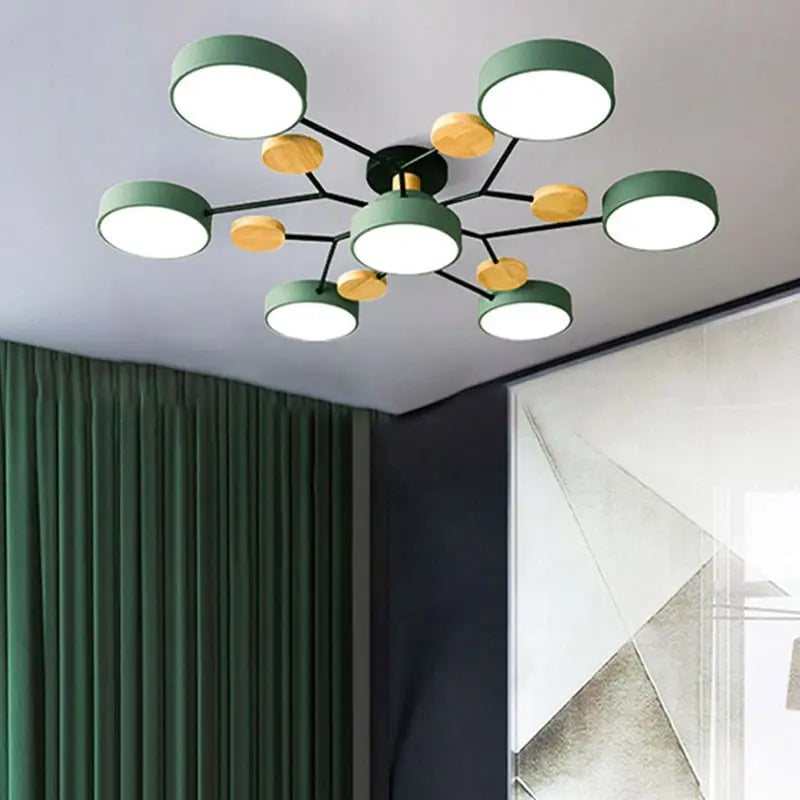
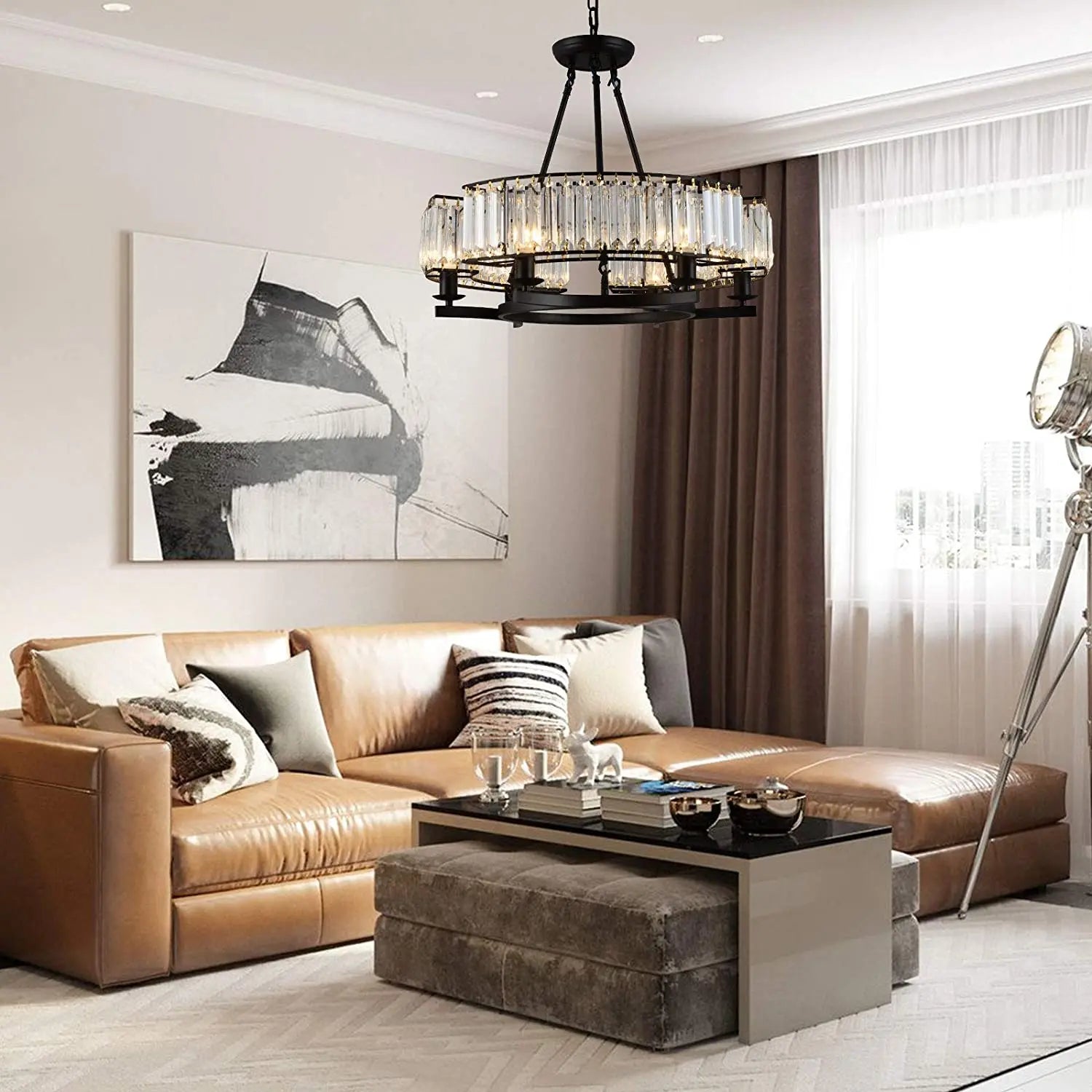
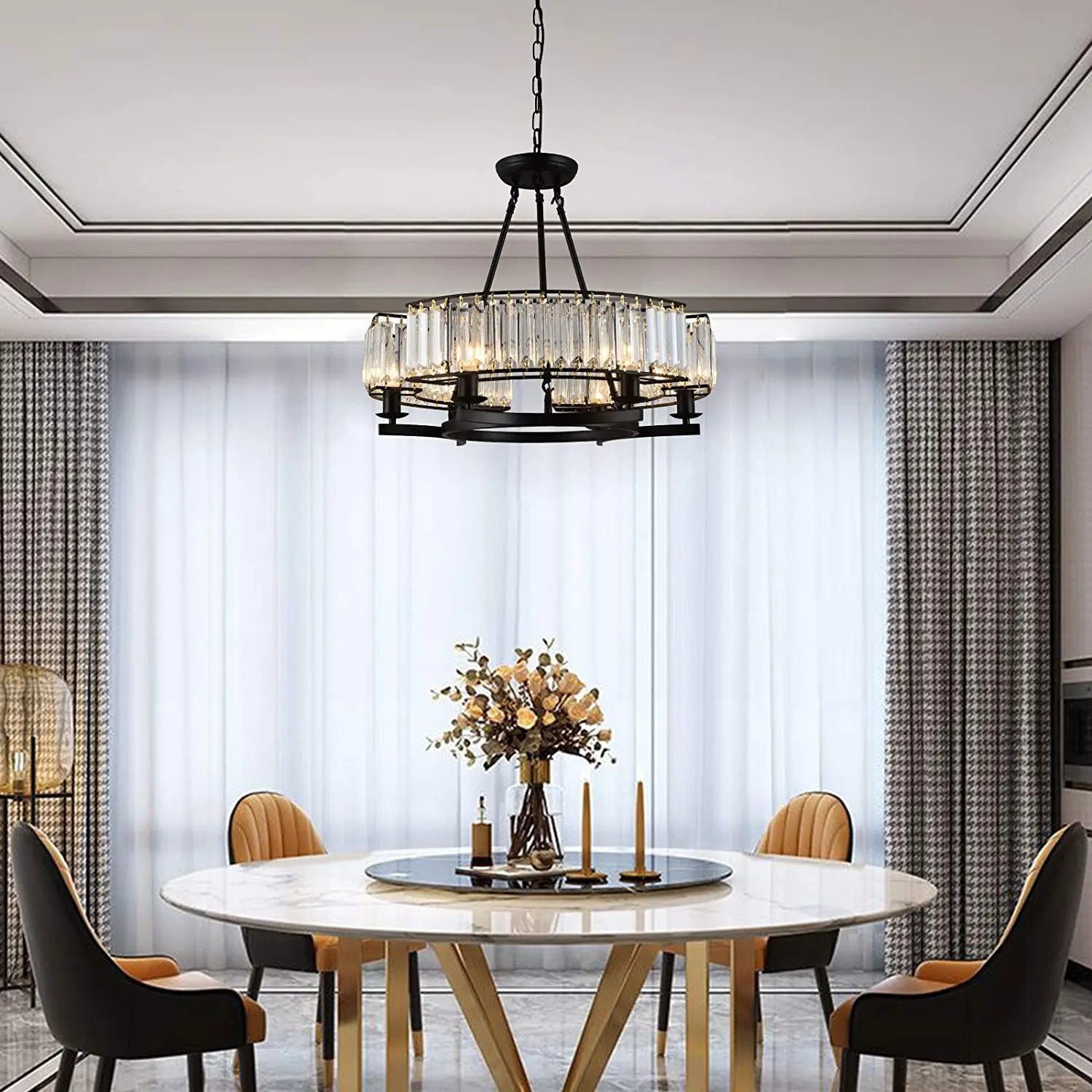
The choice comes down to ceiling height and clearance. A flush mount ceiling light sits tight against the ceiling, 3 to 8 inches deep, and keeps the full 7 feet of headroom an 8-foot room needs; it is the fixture for hallways, bedrooms, closets, and any low-ceilinged space. A semi-flush ceiling light drops 8 to 16 inches on a short stem or rod, which adds a visible shape — a glass drum, an exposed-bulb frame, a small ring — without hanging into the walkway; it suits 9- to 10-foot ceilings in dining rooms, entries, and living rooms. Above 10 feet, a hanging fixture becomes the better choice; the chandelier vs ceiling light guide covers that decision, and flush mount chandeliers bridge the two for low ceilings that want a decorative fixture.
Flush mount ceiling lights
Discs, drums, and panels that install against the ceiling with no visible gap. They give even, low-glare general light and are the default for hallways, bedrooms, laundry rooms, and closets. Low-ceiling options for the whole home are in flush mount chandeliers for low ceilings.
Semi-flush ceiling lights
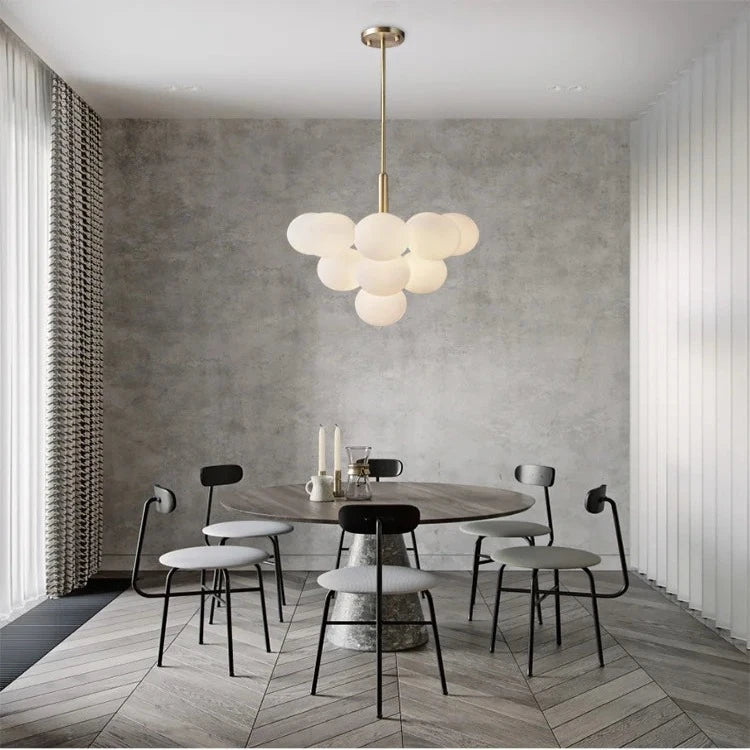
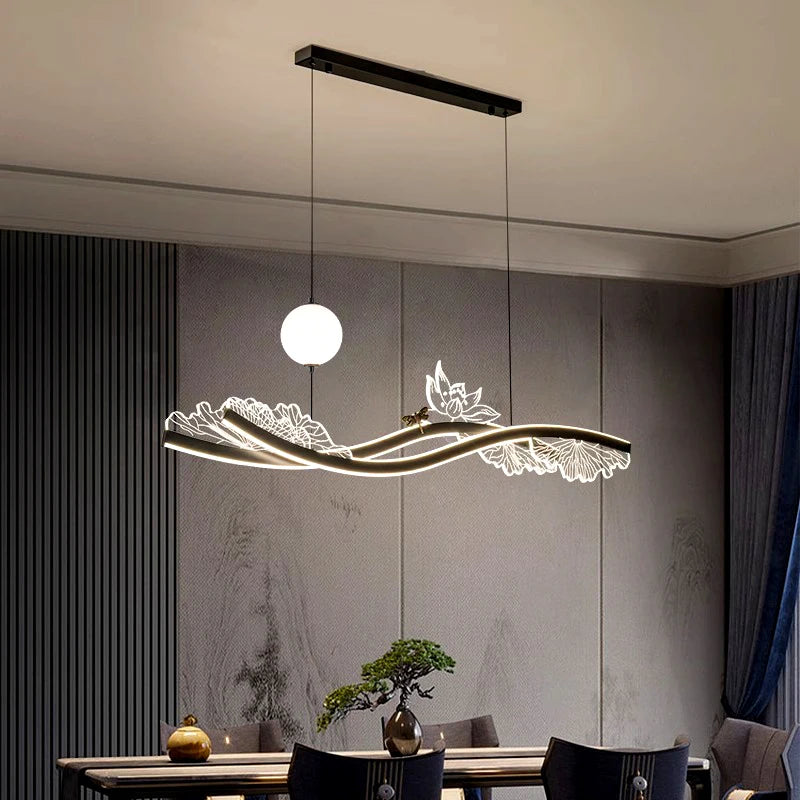
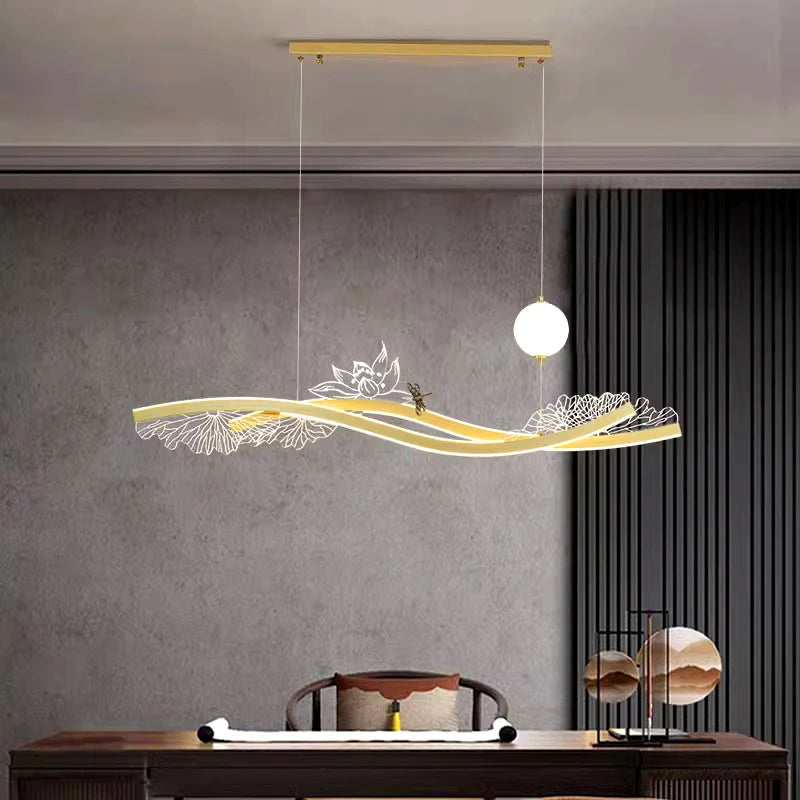
A short stem with a shade or frame beneath it — glass globe, metal cage, exposed bulbs, a single LED ring. They read as a designed fixture rather than a utility light and spread light wider than a flush mount, which suits dining rooms, entries, and living rooms with 9- to 10-foot ceilings. For a dining room on a low ceiling, see low ceiling dining room light ideas.
Sizing a Ceiling Light to the Room
Add the room's length and width in feet and use that number in inches as the fixture diameter: a 10 by 12 foot bedroom takes a 22-inch fixture, a 6 by 10 foot hallway a 16-inch one. For hallways longer than 12 feet, space two or three matching flush mounts 8 to 10 feet apart rather than oversizing one. Over a dining table, a semi-flush fixture follows the table rule instead — half to two-thirds of the table's width — with at least 30 inches between the fixture bottom and the tabletop. The full method, with room-by-room examples, is in what size light fixture for a room.
Brightness and Color Temperature by Room
Plan on 10 to 20 lumens per square foot in bedrooms and hallways and 30 to 40 in kitchens. A 150-square-foot bedroom needs 1,500 to 3,000 lumens; a 200-square-foot kitchen, 6,000 to 8,000, usually from a ceiling light plus under-cabinet or island lighting. Use 2700–3000K warm white in bedrooms, living rooms, and hallways and 3500–4000K in kitchens, laundry rooms, and home offices. Many integrated LED ceiling lights switch between 3000K, 4000K, and 6000K from a remote and ship set to 6000K — change it on first use. Targets by room are in how much light does my room need; the Kelvin scale is explained in the lighting color temperature guide.
Dimming and Controls
Integrated LED fixtures dim in one of two ways: from a wall dimmer matched to the fixture's driver (TRIAC, ELV, or 0–10V, listed on each product page), or from a built-in remote or app, which needs no wiring change and is the simpler route when replacing a fixture on an existing switch. Bulb-based semi-flush fixtures dim with any dimmable LED bulb and a compatible wall dimmer. Driver matching and dimmer types are covered in the dimmer and color temperature guide.
Finish and Style
Matte black and brushed brass work across most interiors; black reads as outline on pale ceilings and matches black door and cabinet hardware, brass adds warmth to transitional and traditional rooms. White and off-white fixtures disappear into the ceiling, which is the point in a hallway or a small bedroom. Chrome and clear glass suit contemporary rooms and catch daylight in an entry. Match the finish to the hardware already in the room — door handles, faucet, cabinet pulls — and keep it to one metal per room. For how the main interior styles translate to fixtures, see understanding lighting styles.
Where Each Type Works
- Hallways and stair landings: flush mount, 12–16 inches, 2700–3000K, two or more in a long run — see hallway lighting
- Bedrooms: flush or low semi-flush, 16–24 inches, 2700K on a dimmer — see bedroom lighting
- Kitchens: flush LED panel or disc, 3500–4000K, high lumen output, paired with task lighting — see kitchen lighting and modern kitchen light fixtures by layout
- Dining rooms and entries with 9–10 ft ceilings: semi-flush with a glass or metal shade, 18–26 inches — see dining room lighting and entryway ceiling lights
- Living rooms: semi-flush or low-profile ring, 20–30 inches, dimmable — see living room lighting
- Closets and laundry: compact flush mount, 10–14 inches, 3500–4000K
Installing a Ceiling Light
Flush and semi-flush fixtures mount to the standard ceiling box already in the room: power off at the breaker, remove the old fixture, connect black to black, white to white, and ground to ground, then fasten the new fixture's bracket to the box. Fixtures over 50 pounds — rare in this category, but possible with large glass shades — need a box rated for the load. Sloped ceilings take a semi-flush fixture with a swivel canopy or slope adapter; a flush mount needs a flat surface. The step-by-step is in how to install a flush mount ceiling light, and sloped rooms are covered in lighting a room with a sloped or vaulted ceiling.
Most orders ship free worldwide, with 20-day returns. Need help choosing size or driver compatibility? Contact us.
FAQs about Ceiling Lights
What is the difference between a flush mount and a semi-flush ceiling light?
A flush mount sits directly against the ceiling, 3 to 8 inches deep, and keeps full headroom in 8-foot rooms. A semi-flush hangs 8 to 16 inches on a short stem, adding a visible shape and wider light spread, and suits 9- to 10-foot ceilings.
What size ceiling light do I need?
Add the room's length and width in feet and use that number in inches for the diameter — a 10 by 12 foot room takes a 22-inch fixture. Over a dining table, use half to two-thirds of the table's width instead.
Which ceiling light works best for 8-foot ceilings?
A flush mount or a low-profile semi-flush under 8 inches deep, which leaves at least 7 feet of clearance. Anything deeper belongs in a room with a 9-foot ceiling or higher.
How many lumens should a ceiling light have?
10 to 20 lumens per square foot for bedrooms and hallways, 30 to 40 for kitchens. A 150-square-foot bedroom needs 1,500 to 3,000 lumens; a 200-square-foot kitchen needs 6,000 to 8,000 from all fixtures combined.
Warm white or cool white for ceiling lights?
2700–3000K in bedrooms, living rooms, and hallways; 3500–4000K in kitchens, laundry rooms, and offices. Switchable fixtures usually ship on 6000K — set them on first use.
Are LED ceiling lights dimmable?
Most integrated LED fixtures are, either from a wall dimmer matched to the driver type on the product page or from a built-in remote. Bulb fixtures dim with dimmable LED bulbs and a compatible dimmer.
Can I install a ceiling light on a sloped ceiling?
Flush mounts need a flat surface; semi-flush and stem-mounted fixtures work on a slope with a sloped-ceiling adapter or a swivel canopy, listed on the product page where available.
Do I need a damp-rated ceiling light for a bathroom or covered porch?
Yes — damp-rated for humid rooms with no direct water, wet-rated for anywhere exposed to spray or rain. Standard indoor fixtures are for dry rooms only.
How long do integrated LED ceiling lights last?
25,000 to 50,000 hours, which is 15 to 25 years at three to four hours a day. The driver is usually replaceable; the LED panel typically is not.
How do I replace an existing ceiling light without rewiring?
Any flush or semi-flush fixture mounts to the standard ceiling box already there. Turn the power off at the breaker, remove the old fixture, connect black to black, white to white, ground to ground, and mount the new fixture to the box. Fixtures over 50 pounds need a rated box.
