
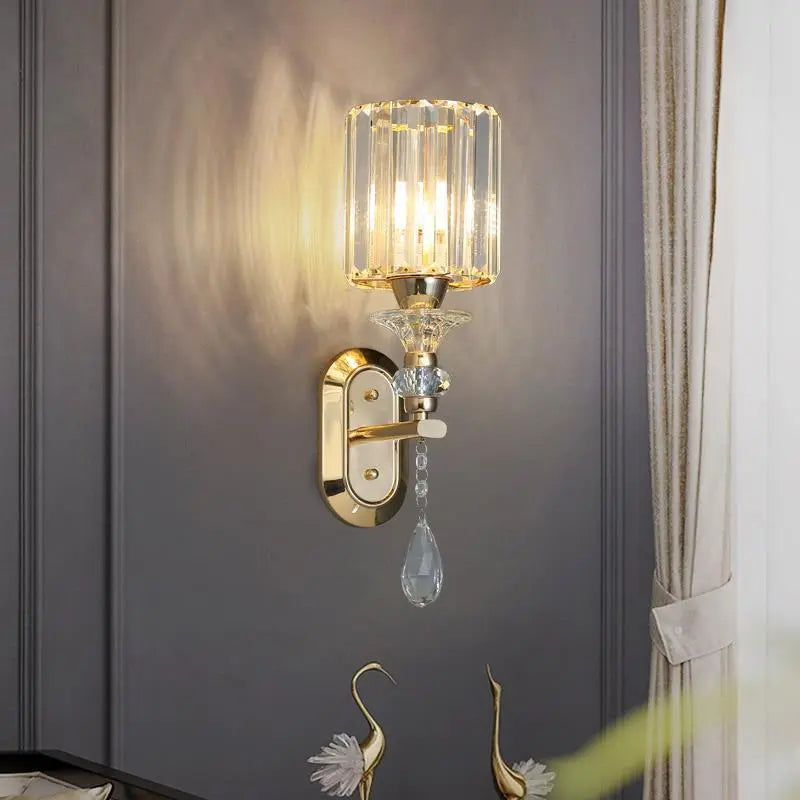
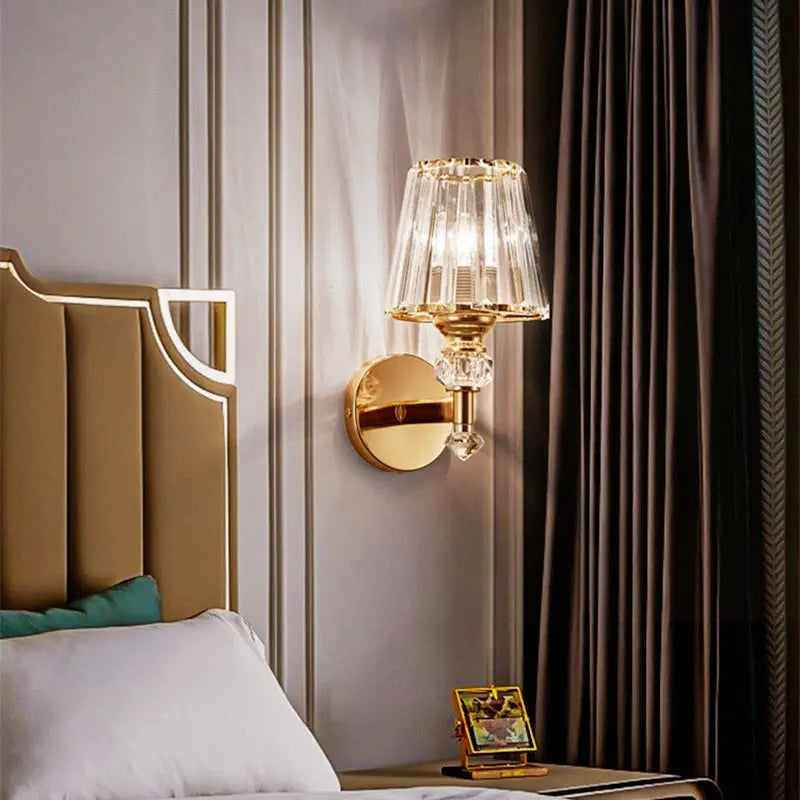
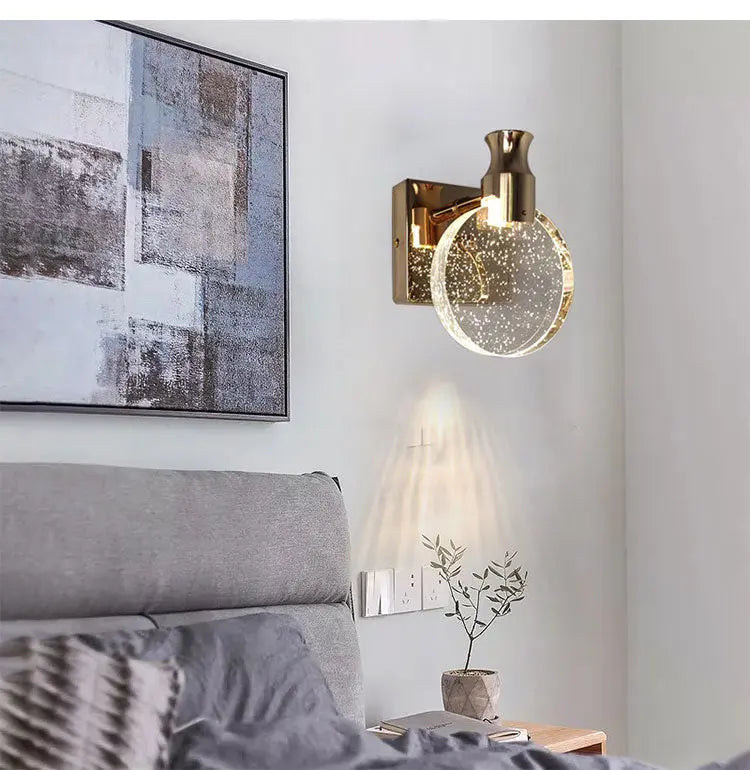
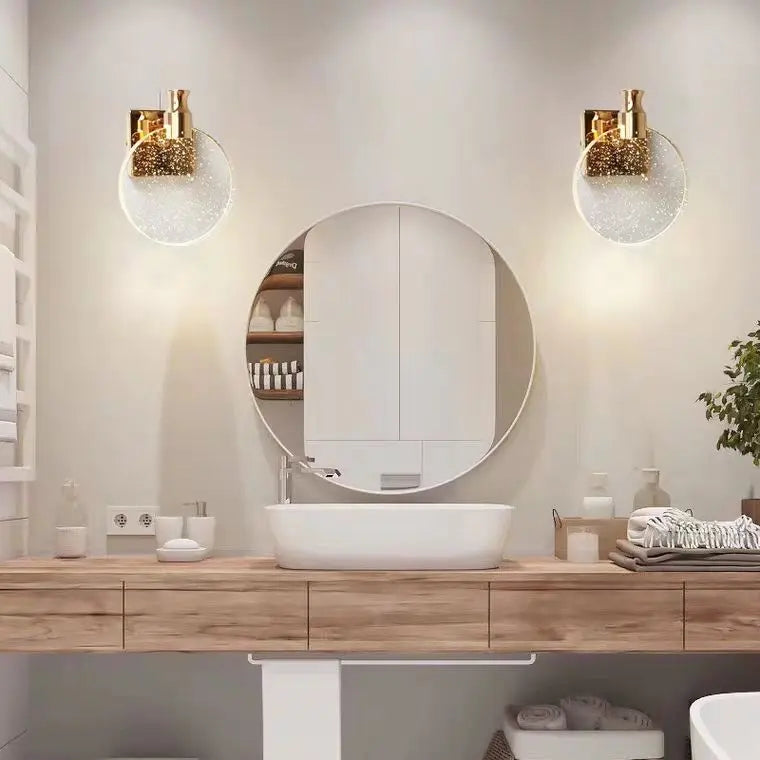
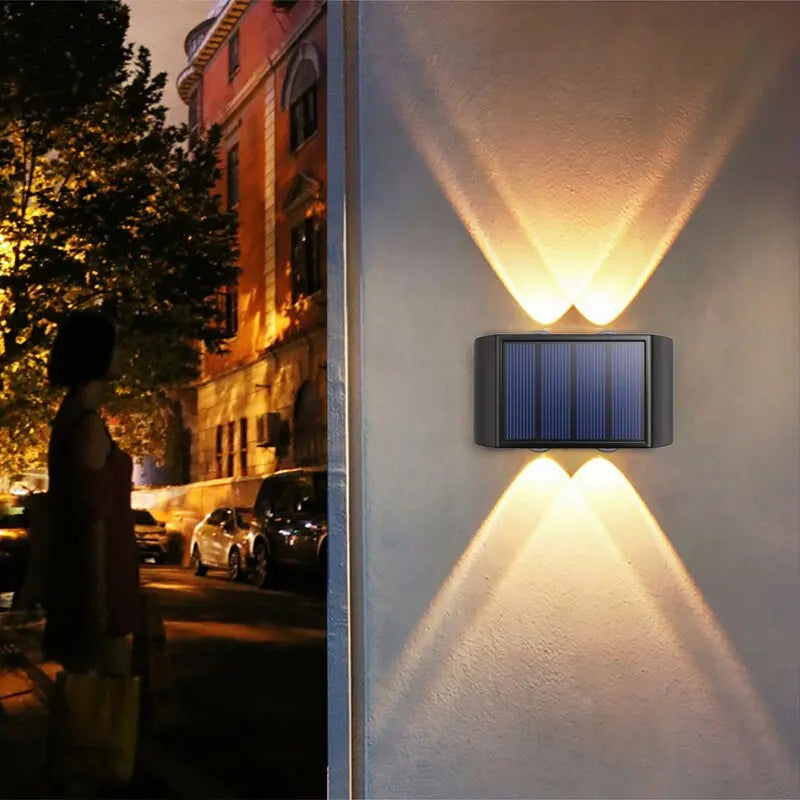
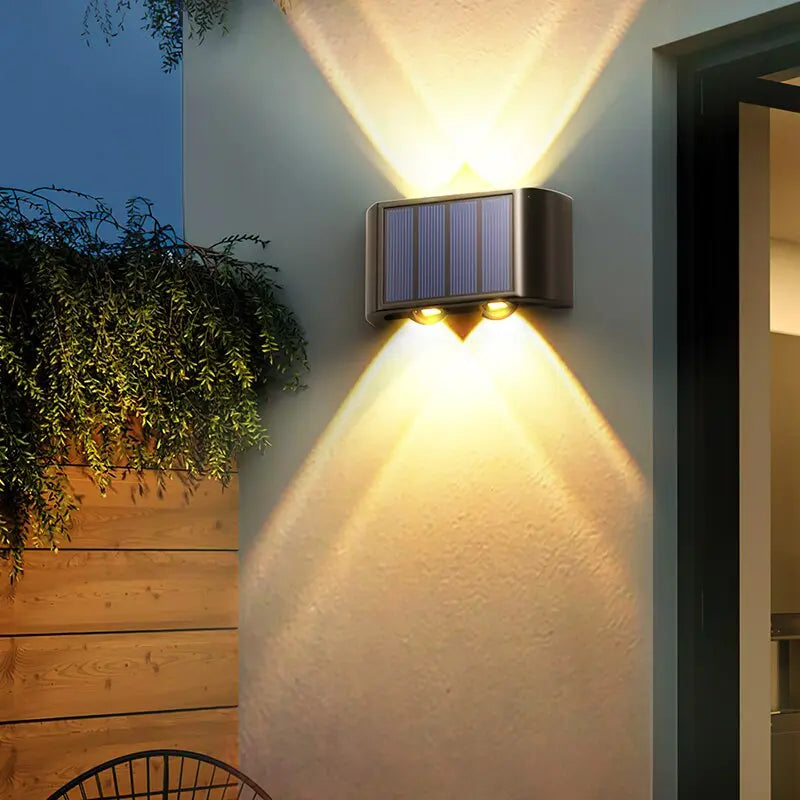


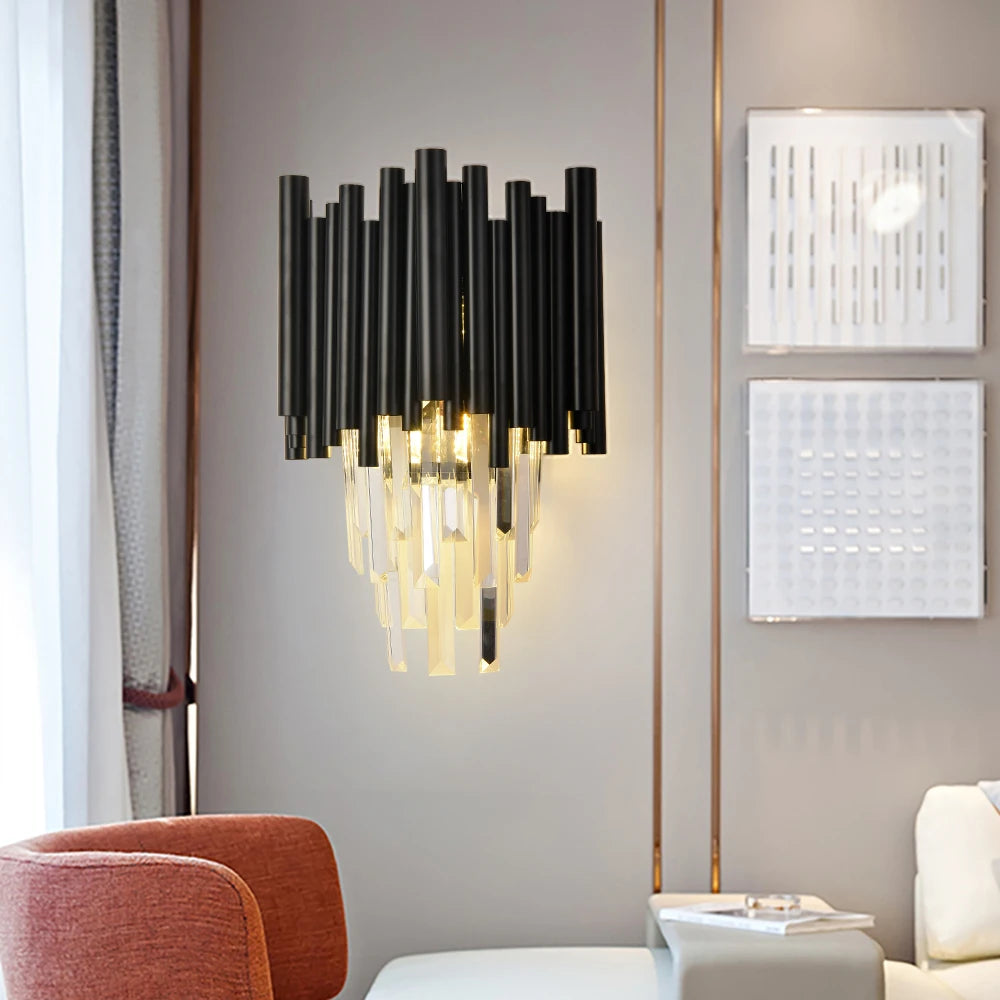
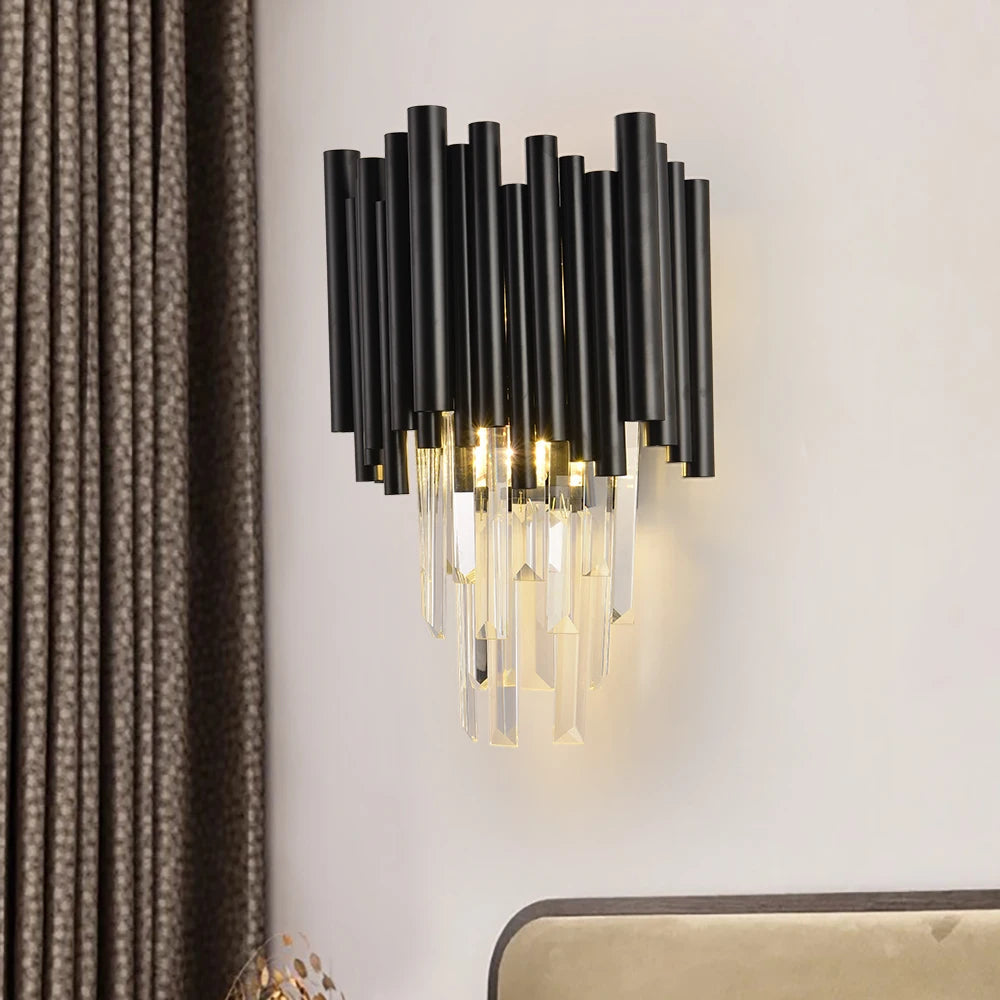


Hallway Wall Lights: Spacing, Size, and Placement
Hallways are the most under-lit room in most American homes. A single ceiling fixture in the middle of an 8-foot wide hallway leaves the wall plane flat and the corridor feeling longer than it is. Wall-mounted fixtures fix that by creating rhythm along the wall and defining the path forward.
The standard spacing rule is one wall sconce every 8–10 ft (2.4–3 m) along the corridor, mounted 60–66" (152–168 cm) from the floor measured to the center of the fixture. The light pools should overlap slightly to avoid dark zones between fixtures. In hallways under 4 ft (1.2 m) wide, choose low-projection sconces — under 4" (10 cm) projection from the wall — to avoid head clearance issues. In wider hallways, deeper fixtures with 5–7" (13–18 cm) projection read more sculptural and less utilitarian.
For hallways without existing wiring at sconce height, our guide on installing wall lights in old homes with limited wiring covers retrofit options including plug-in conversion kits and battery-powered sconces. For room-by-room placement specifics, the wall sconce height guide by room covers exact mounting positions for hallways, bedrooms, bathrooms, and staircases.
LED hallway wall lights with 3000K color temperature read warmer and more residential than 4000K cool-white versions, which are better suited to commercial corridors. Double-head sconces work well in long hallways where one fixture covers a wider beam spread per mounting point.
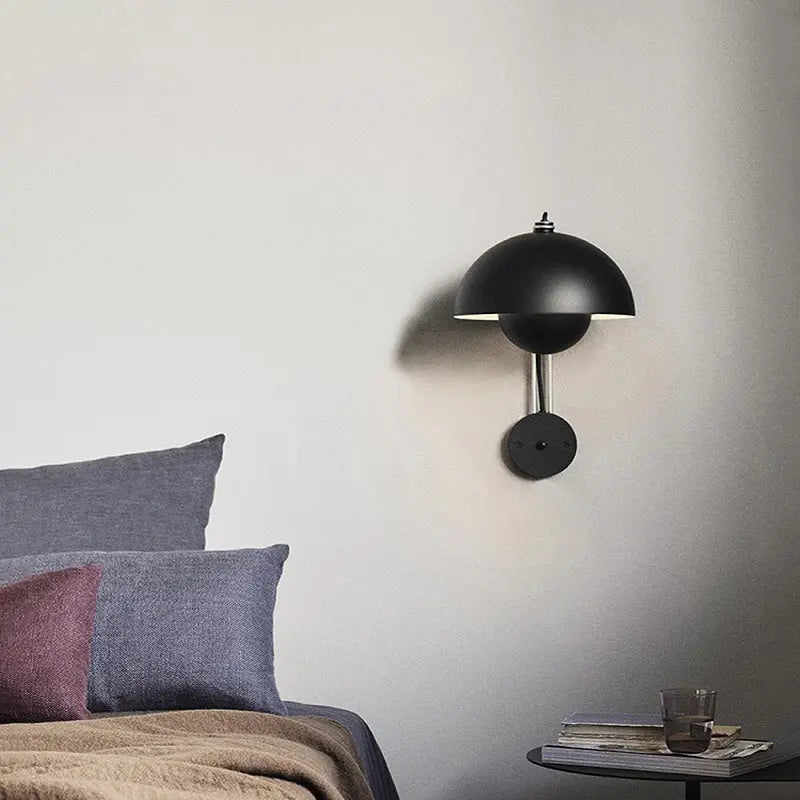
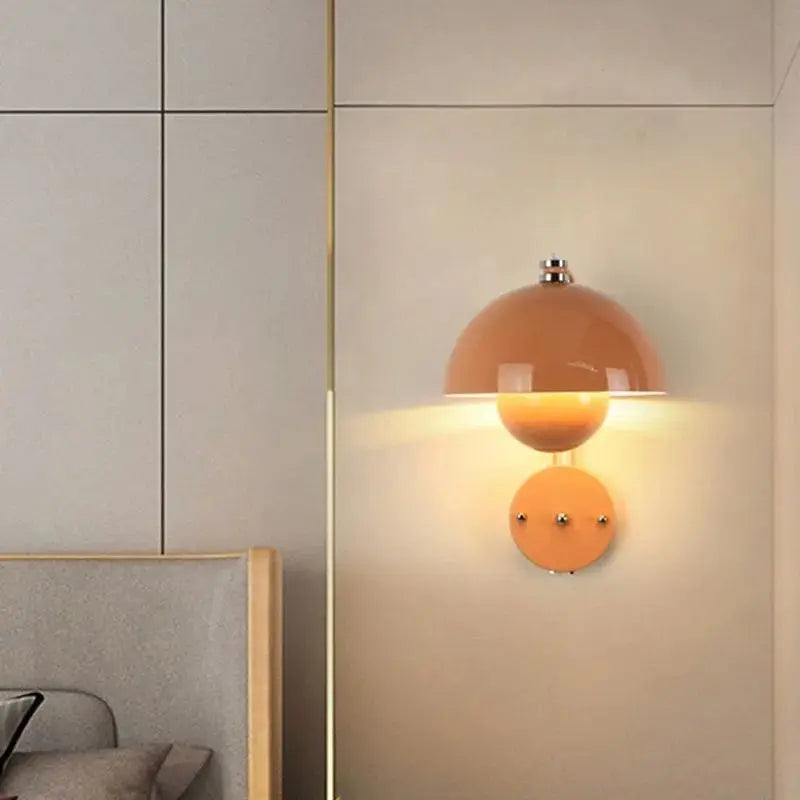
Bedroom LED Wall Lights: Bedside, Reading, and Ambient Use
Bedroom wall lights replace the bedside table lamp and free up surface space for books, glasses, and morning essentials. They also solve a common bedroom lighting problem: ceiling fixtures cast harsh shadows on faces, while floor and table lamps light the room unevenly. Wall-mounted bedside sconces sit at seated reading height and direct light exactly where it's needed.
Three configurations cover most bedrooms:
- Bedside reading sconces. Mount 24–30" (61–76 cm) above the mattress, centered on each side of the bed. Adjustable arms let the sleeper aim the beam onto a book without disturbing a partner.
- Ambient bedroom wall lights. Above-headboard sconces or wall-washes on the opposite wall provide soft fill light without glare at eye level. Frosted or opal globes diffuse the light and read calmer than exposed bulbs.
- Statement wall lamps. Sculptural wall lights on a feature wall create a focal point in larger primary bedrooms where the bed is centered on a long wall.
Color temperature for bedrooms is 2700K–3000K. Anything cooler reads as office lighting and disrupts the wind-down before sleep. Dimming is essential — bedside sconces should drop to roughly 10% of full brightness for late-night reading without waking a partner. Match the dimmer type (TRIAC, ELV, or 0–10V) to the LED driver listed on the product page.
For full fixture-type guidance before choosing a bedroom wall light, our pillar guide on how to choose the right wall lights for your home walks through the decision tree for bedrooms, living rooms, and other interior spaces.
Living Room Wall Lights: Layered Lighting Approach
A living room with only a ceiling chandelier feels flat, especially after dark. Wall lights add the second light layer that turns a single bright source into a layered, dimensionally lit space. They also pull visual attention to the wall plane — useful when the room has art, a fireplace, or built-in shelving that should be highlighted.
Three placement strategies cover most living room layouts:
- Flanking the fireplace. Two matched wall lights mounted 60–66" (152–168 cm) from the floor, 24–36" (61–91 cm) from each side of the firebox, frame the fireplace and balance the chimney breast.
- Above seating. Wall sconces mounted 6–10" (15–25 cm) above sofa back cushions add reading-friendly light without crowding the floor with lamps.
- Art and feature walls. Picture lights or directional sconces draw the eye to wall-mounted art or textured wall finishes — especially effective in modern and mid-century interiors where the wall plane carries design weight.
For living rooms, 3000K LED is the standard color temperature — warm enough to feel relaxed, neutral enough to read modern. All living room wall lights should be on dimmers, ideally on a separate circuit from the ceiling fixture, so the room can shift from bright daytime to dim evening on the wall lights alone.
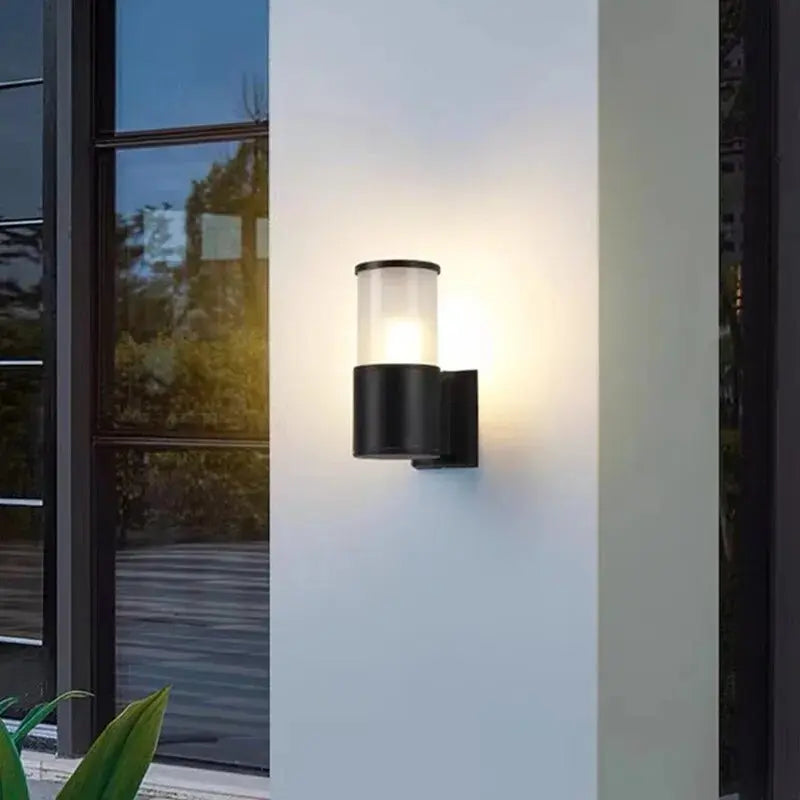
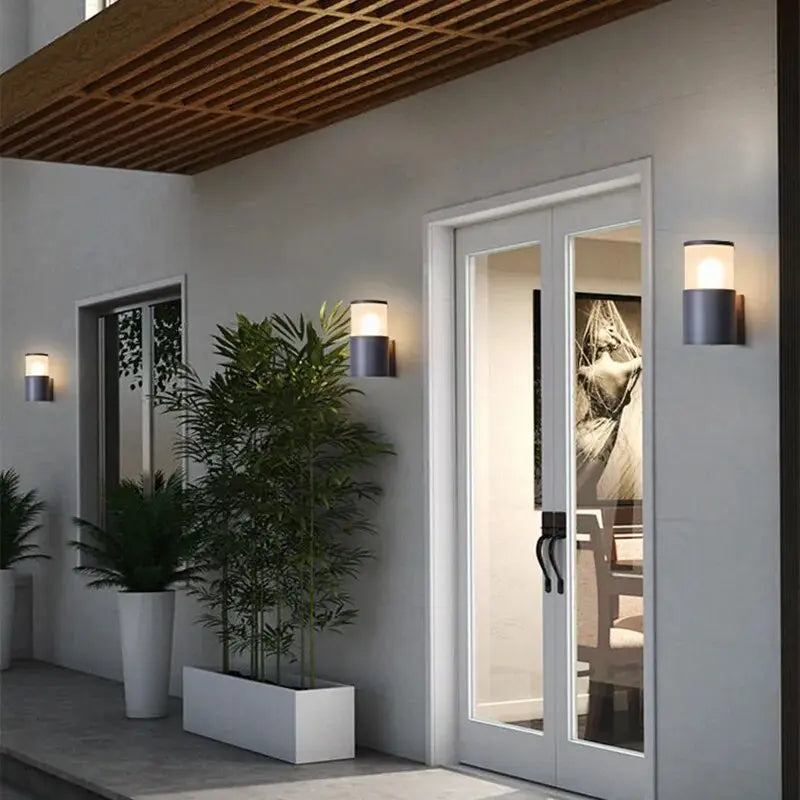
Outdoor Wall Lights: Entryways, Patios, and Facades
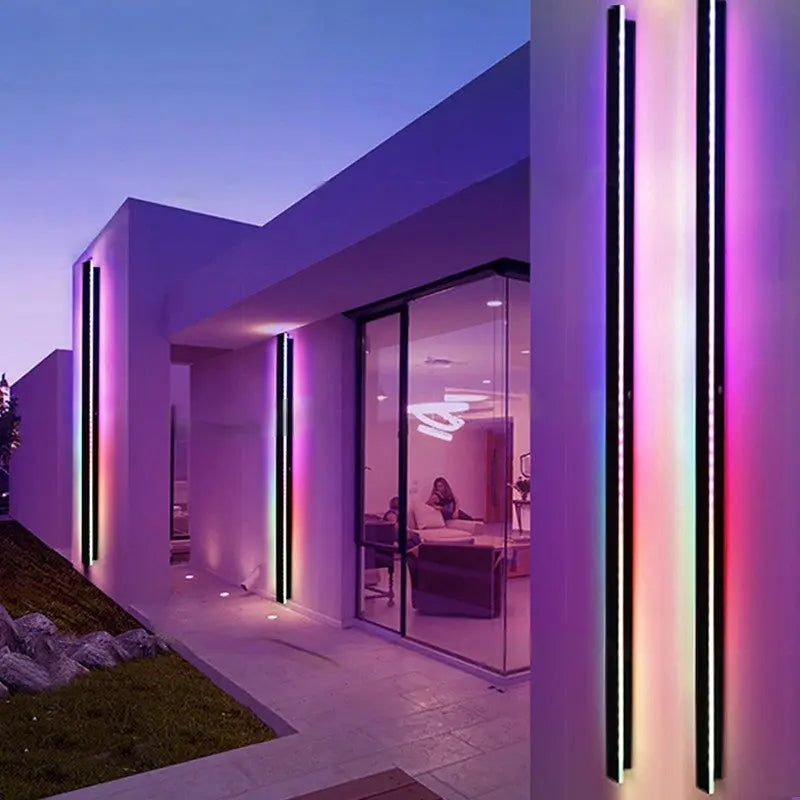
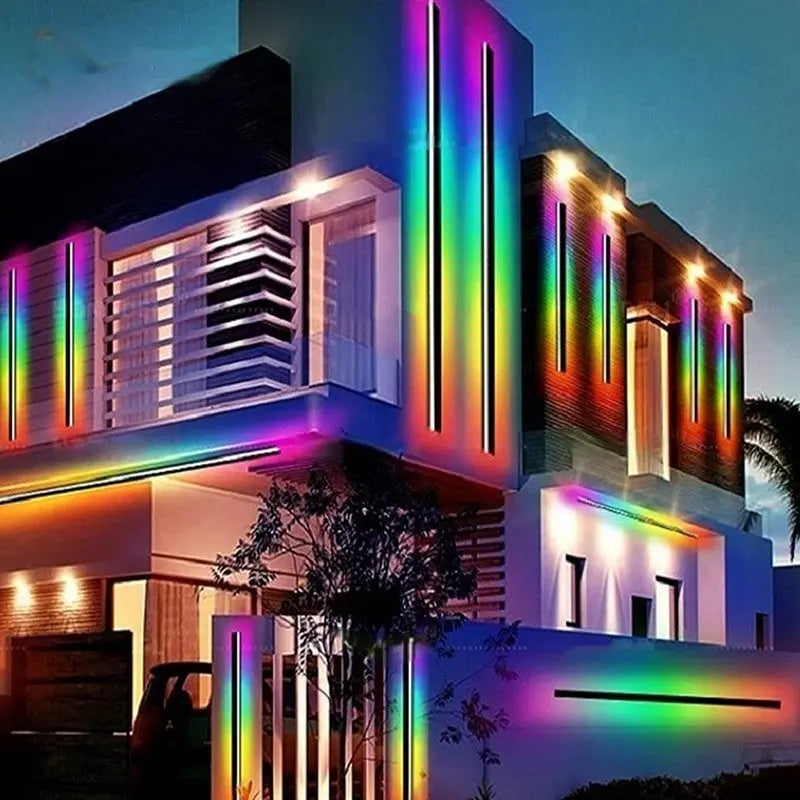
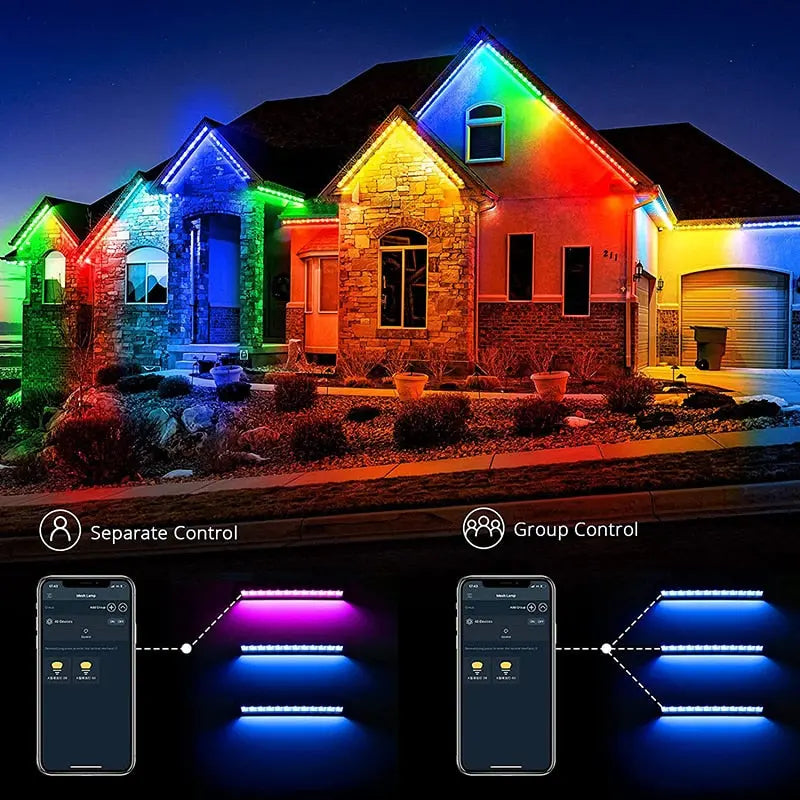
This collection includes outdoor-rated wall lights for porches, side entries, garage walls, patios, and facade illumination. Outdoor wall lighting carries a different brief than indoor sconces — it has to manage weather exposure, direct light where people walk after dark, and stay proportionate to the door or wall it sits beside.
Front door wall lights should be roughly one-third the height of the door, mounted with the bottom of the fixture at eye level (66–72" / 168–183 cm from the porch surface). Pair-matched fixtures on either side of the door read more formal; single fixtures on the latch side read more casual. Motion-sensor outdoor wall lights cover security duty without leaving the porch lit through the night, while always-on lanterns suit homes that prioritize curb appeal over energy use.
For full outdoor fixture comparison, see our best outdoor wall lights guide and the broader outdoor lights collection. Make sure to confirm the IP (Ingress Protection) rating — IP44 is suitable for covered porches, IP65 is required for fully exposed walls.
How to Choose the Right Wall Light Type
Not every wall light performs the same way, even when two fixtures look similar in product photos. The easiest way to narrow the right option is to start with fixture behavior rather than style alone.
- Ambient wall lights soften a room and reduce the flatness that comes from relying only on overhead light.
- Task wall lights handle reading, grooming, mirror use, focused desk zones, and bedside comfort.
- Accent sconces draw attention to artwork, wall texture, niches, and architectural detail.
- Statement wall lights act as visible design pieces even when switched off.
- Exterior wall lights prioritize weather resistance, entry visibility, durability, and controlled outdoor beam spread.
This role-based approach is more useful than buying by shape alone. A bathroom mirror sconce should not be chosen the same way as a branch-style living room wall light. A hallway fixture should not be selected using the same criteria as a front porch lantern. Once the job of the light is clear, the right size, shade type, and finish become much easier to judge. For the full fixture-by-room decision tree, our complete guide to choosing the right wall lights covers each room in detail.
Glass, Diffusion, and Glare Control
The way a wall light handles glare matters almost as much as the way it looks. Clear glass reads brighter and more open, but it exposes the bulb and creates direct sparkle at eye level. Frosted glass, opal globes, and diffused shades soften the beam and feel more comfortable in bedrooms, bathrooms, and quiet living spaces where visual comfort matters more than sharp brightness. Opaque shades and directional metal housings create more controlled output, useful for accent positions, stair zones, and selected outdoor settings.
This is one of the biggest reasons some wall lights feel pleasant in daily use while others feel harsh even when the fixture itself is attractive. If the light sits near seated eye level, a softer diffuser is the safer choice. If the goal is directional function or stronger definition on a textured wall, a controlled beam can make more sense.
Finish Direction and Material Matching
Finish changes how a wall light reads in the room. Matte black feels sharper and more architectural. Brass and warm gold finishes bring warmth and decorative presence. Chrome and polished nickel feel cleaner and slightly cooler, suiting bathrooms and contemporary interiors. White fixtures recede into the wall, useful when the light effect should matter more than the body of the fixture.
Material direction matters too. Glass wall lights feel lighter and more open. Metal sconces feel stronger and more defined. Stone, ceramic, resin, or mixed-material sconces create a more decorative or tactile look. Matching the wall light finish with door hardware, cabinet hardware, mirror frames, ceiling fixtures, and nearby furniture gives the room a cleaner overall result.
Installation, Wiring, and Common Issues
Installation requirements depend on whether the wall has an existing junction box at the right height. New construction and recent renovations usually have boxes pre-installed at sconce height. Older homes often require either retrofit hardwired installation, a plug-in conversion, or a battery-operated alternative.
For a step-by-step wall light installation walkthrough, see how to install a wall light fixture: step-by-step guide. For homes with no existing wall-light wiring, installing wall lights in old homes with limited wiring covers retrofit, plug-in, and battery options.
If a wall light flickers, dims unevenly, or buzzes after installation, the cause is almost always one of four issues: incompatible bulb, wrong dimmer type, loose wiring, or failing switch. Our troubleshooting guide on why wall lights flicker and how to fix them walks through each cause with diagnostic steps.
Dimming, LED Compatibility, and Everyday Usability
Many modern wall lights use LED bulbs or integrated LED systems, which makes dimming compatibility and light quality more important than many shoppers expect. A beautiful wall sconce can still feel wrong in daily use if the brightness is too strong, the color temperature is too cool, or the dimmer pairing is unstable. Bedrooms, living rooms, foyers, and hallways benefit from dimmable wall lights because they shift from functional daytime use to softer evening atmosphere.
Color temperature changes how a room feels. Warmer light (2700K–3000K) supports relaxation in bedrooms, living rooms, hallways, and entries. Cleaner neutral light (3500K–4000K) works in bathrooms and outdoor positions where clarity matters. In rooms with multiple fixtures, keep the color temperature consistent to avoid the visual mismatch that mixed Kelvin values produce. For bathroom-specific layered lighting, see our guide to the art of bathroom lighting.
Wall Light Size, Projection, and Placement Basics
Scale is often overlooked in wall lighting. A fixture that looks perfect on its own can be too deep for a narrow hallway, too small for a large fireplace wall, or too tall beside a mirror or headboard. Compact sconces work better in passages, beside mirrors, and in tighter bedside positions. Medium-size wall lights are the most versatile for bedrooms, bathrooms, and living rooms. Larger or sculptural wall lights work best on feature walls where the fixture should remain visible as part of the room design.
Projection matters too. Deep fixtures feel intrusive in narrow corridors or beside frequently used doors. Shallow fixtures (under 4" / 10 cm projection) are safer in circulation zones. Mounting height should follow the room's use — bedside lights are lower than hallway sconces, and bathroom wall lights are centered around mirror height rather than general eye level. For placement-specific guidance, the wall sconce height guide by room gives exact mounting positions.
How Wall Lights Fit Into a Full Lighting Plan
Wall lights are rarely the only fixtures a room needs. Their real strength is how they support the overall lighting plan. In bedrooms, they replace table lamps or supplement softer ambient light. In living rooms, they balance floor lamps and ceiling fixtures so the room feels layered. In bathrooms, they solve the shadow problem that overhead light creates at the mirror. In hallways and entries, they keep the wall from feeling empty and reduce the spotlight effect of central ceiling fixtures. Outdoors, they connect the facade, pathway, and entry sequence.
For coordinating wall lights with the room's main ceiling fixture, our chandeliers collection covers the overhead layer for living rooms, dining rooms, foyers, and bedrooms.
Choosing Wall Lights That Fit the Space Properly
The strongest wall-light choices come from a simple process: start with the room, define the job the light needs to do, narrow the fixture type, and then choose finish, diffuser, and scale that match the surrounding space. That approach works better than choosing by appearance alone. A bedside reading light, a bathroom vanity sconce, a hallway accent fixture, a living room statement wall light, and an outdoor porch sconce should not all be judged by the same criteria.
Once that difference is clear, the category becomes easier to shop. This collection supports quiet ambient interiors, practical task zones, decorative feature walls, and weather-ready exterior applications — one of the more flexible lighting groups in the catalog.
Wall Lights — Frequently Asked Questions
How high should wall lights be in a hallway?
Mount around 60–66" (152–168 cm) from the floor to the center of the fixture, and space sconces 8–10 ft (2.4–3 m) apart so the pools of light overlap slightly along the corridor.
What height works for bedside sconces?
Center the light near seated reading height — usually 24–30" (61–76 cm) above the mattress — with the switch within easy reach from a seated position.
Where should I place lights around a bathroom mirror?
One sconce on each side, mounted 60–65" (152–165 cm) from the floor and 36–40" (91–102 cm) apart, gives even, shadow-free light on the face. Single overhead fixtures cast harsh shadows under the eyes.
Which glass is better, clear or frosted?
Clear glass looks brighter and crisper but can produce glare at eye level. Frosted or opal glass softens the beam and feels calmer for reading, grooming, and bedside use. For dining and living areas where the fixture is in the line of sight, frosted is usually the safer choice.
Can wall lights be dimmed?
Most can. Match the LED driver type listed in the product specs (TRIAC, ELV, or 0–10V) with a compatible dimmer. Mismatched dimmers cause flicker and shorten LED life.
What color temperature should I choose?
2700K–3000K reads warm and works for bedrooms, living rooms, and hallways. 3500K reads slightly cleaner and stays home-friendly. 4000K and higher should be reserved for bathrooms and task spaces; it reads as office lighting in living areas.
Are wall sconces only for indoor use?
No. Many wall sconces are indoor-only, but this collection also includes outdoor-rated wall lights for porches, patios, garage walls, and exterior surfaces. Confirm the IP rating before installing outdoors — IP44 is suitable for covered porches, IP65 is required for fully exposed walls.
How many wall lights do I need for a room?
For hallways, one fixture every 8–10 ft (2.4–3 m) along the corridor. For bedrooms, a matched pair flanking the bed at minimum. For living rooms, two on a fireplace or feature wall is the most common configuration. For bathrooms, one on each side of the mirror gives the cleanest grooming light.
